
Refrigeration prevents spoilage and may extend the shelf life of common foods and other perishable items. While we may innocently store some foods in the refrigerator, you may be surprised that you shouldn’t store all of them, as this may affect their nutritional value, taste, and texture.
Although refrigeration can help preserve certain foods, some items shouldn’t be refrigerated to maintain flavor and freshness. Avoiding these foods can ensure your food stays nutritious, fresh, and flavorful.
Here are 15 food items experts warn people never to refrigerate for optimal flavor and freshness.
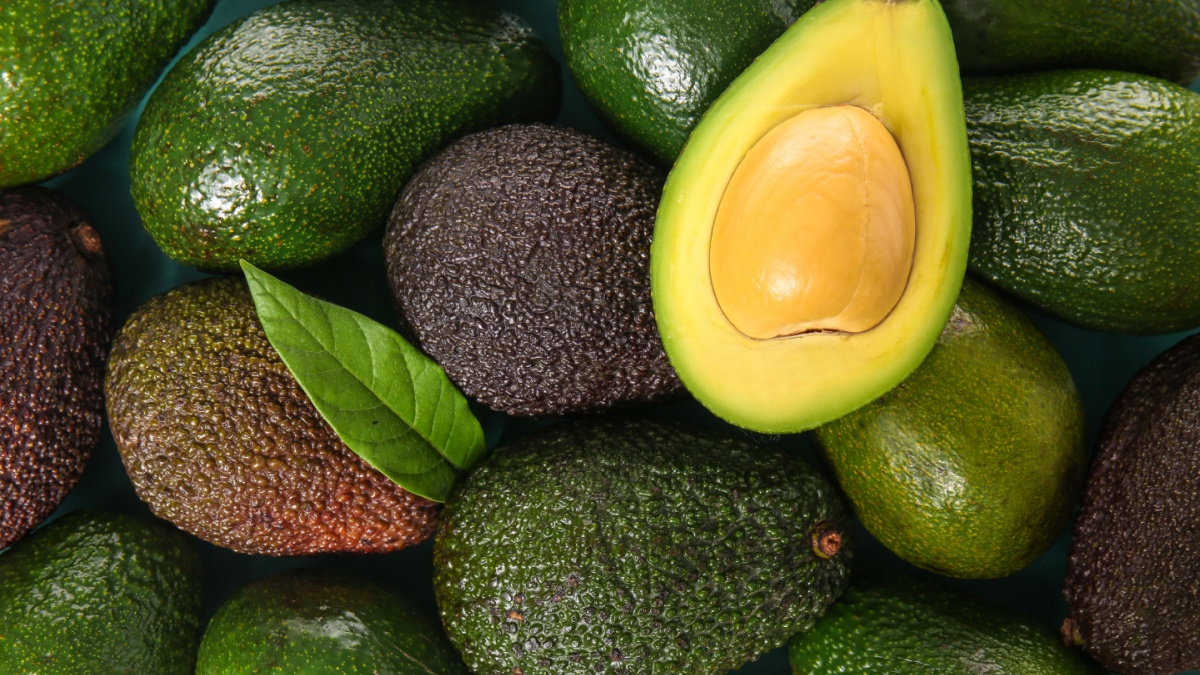
Avocadoes
Pixel-Shot/Shutterstock.
Storing avocadoes in the refrigerator prevents them from ripening and affects their taste and texture. The cold temperature makes the texture hard. However, if you have extra-ripened avocadoes, you can store them in a container with water in the fridge to preserve them.
Peanut Butter
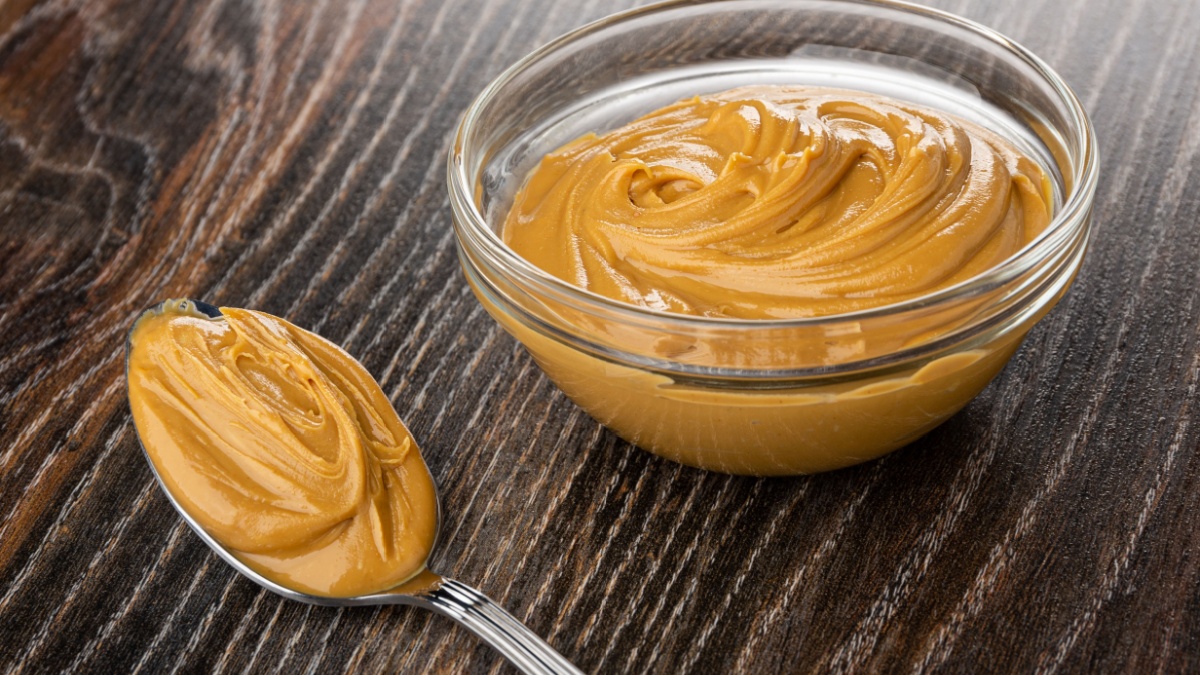
Store-bought peanut butter has preservatives and emulsifiers that prevent it from spoiling or separating at room temperature. You should not refrigerate it; instead, store it in a cool, dry place like a pantry or a kitchen cabinet. However, natural homemade peanut butter doesn’t have preservatives and needs to be refrigerated once you open it.
Potatoes
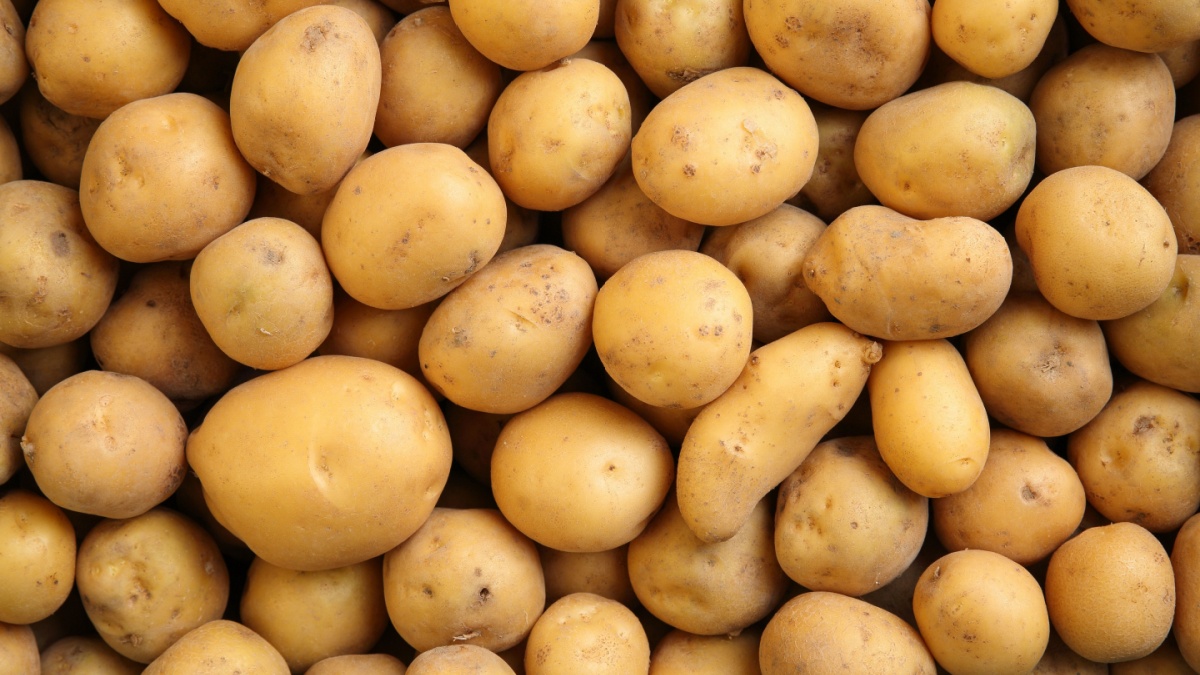
Putting potatoes in the fridge converts the starches into sugars, altering their texture and giving them an undesirable taste. Put any whole potatoes in a dark and well-ventilated pantry or cellar. Avoid putting them close to fruits or onions, as this encourages sprouting.
Stone Fruit
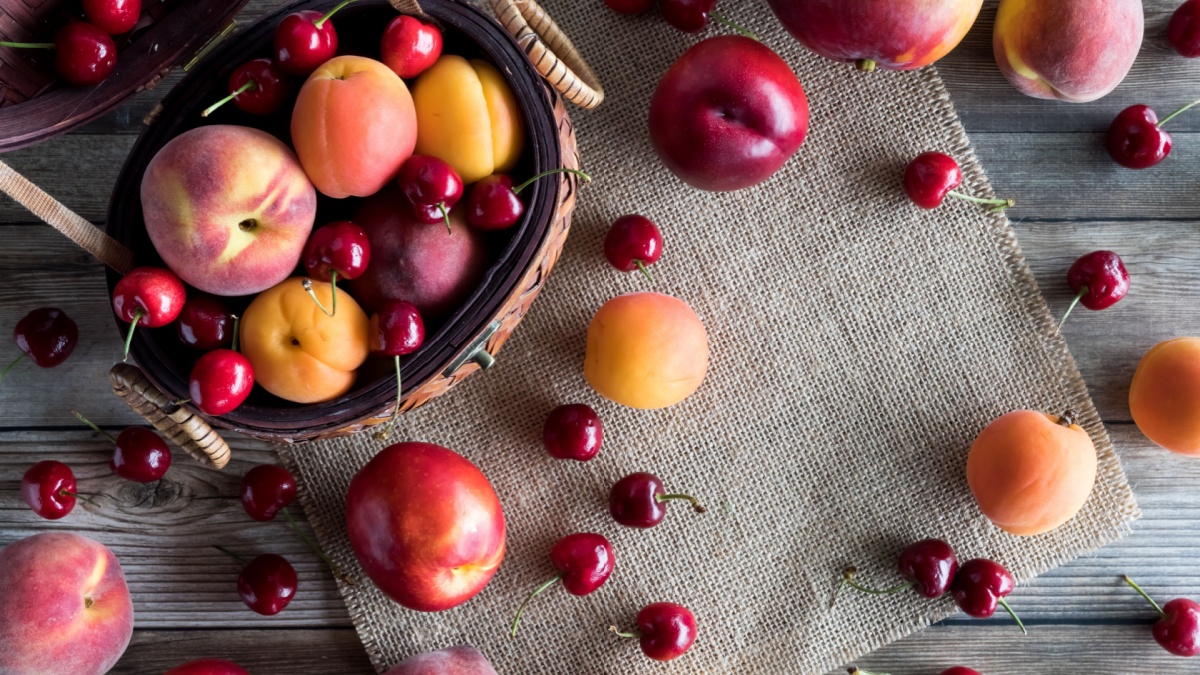
Stone fruit like apricots, peaches, and plums should not be refrigerated. Keep them on the counter until they are ready to eat.
Tomatoes
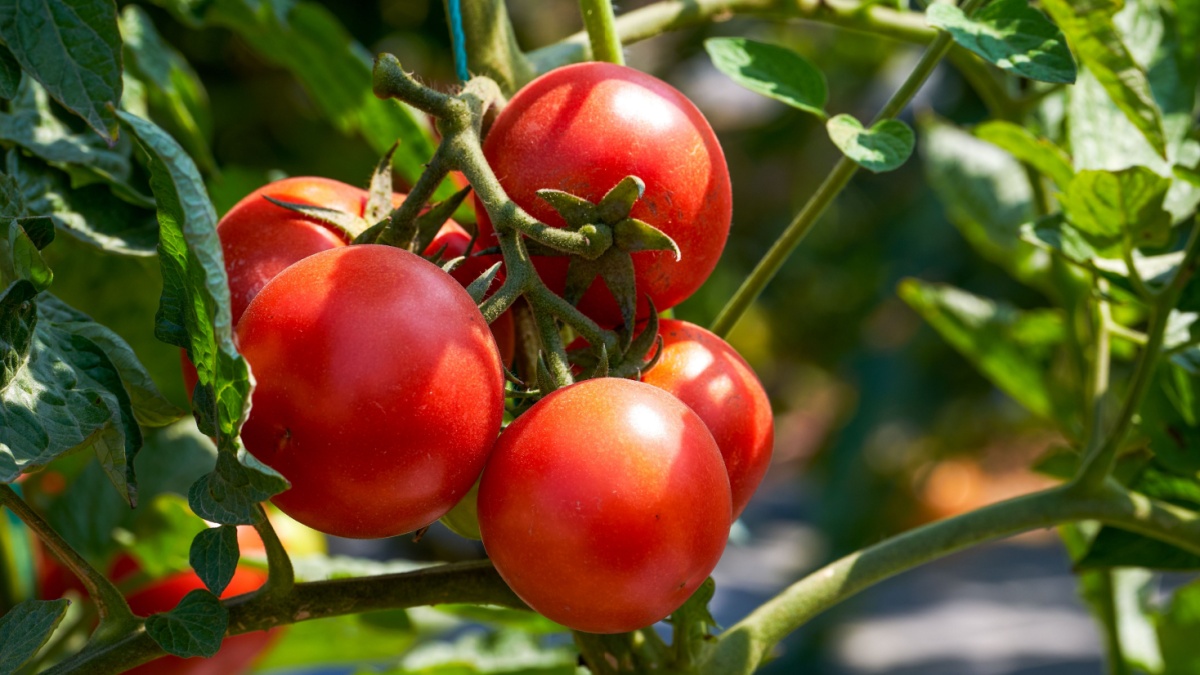
Keeping tomatoes in the refrigerator affects their taste. Store your tomatoes in a cool, dry place to help them retain their freshness and juiciness. Tomatoes stored outside are also flavorful.
Bananas
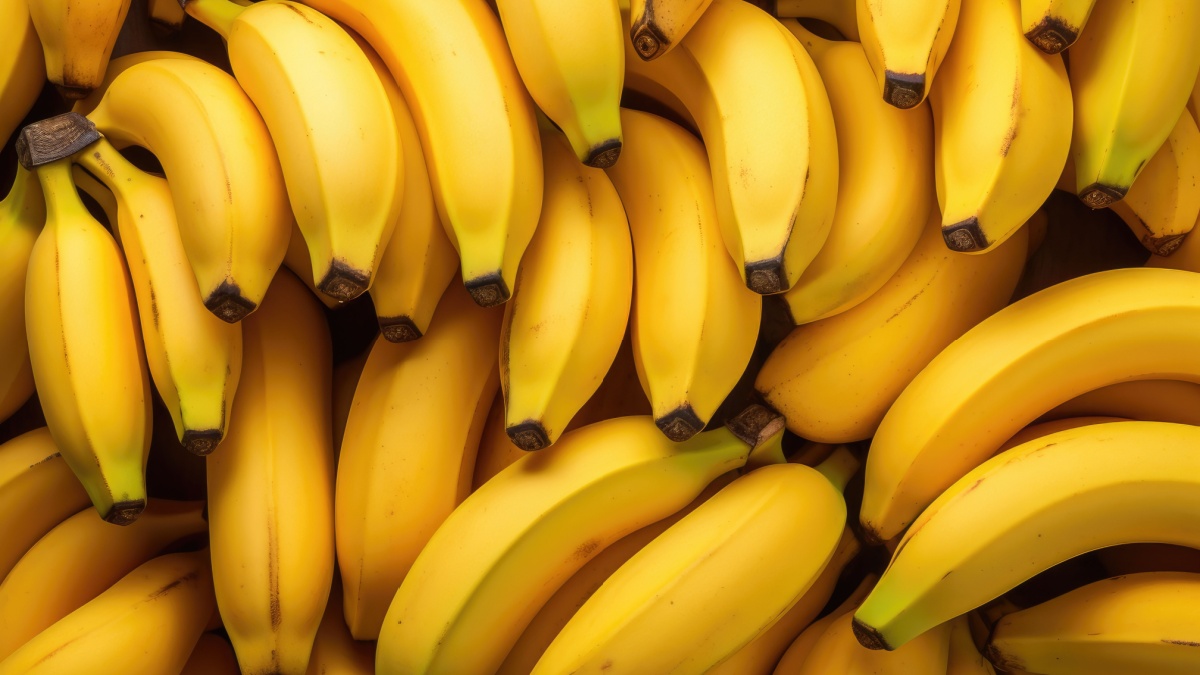
Store unripe bananas in a dry, cool place at room temperature to help them ripen. Refrigeration slows down the ripening process and turns the peel black and brown. Once ripe, you can freeze pieces of bananas to use later in your smoothies.
Cooking Oils
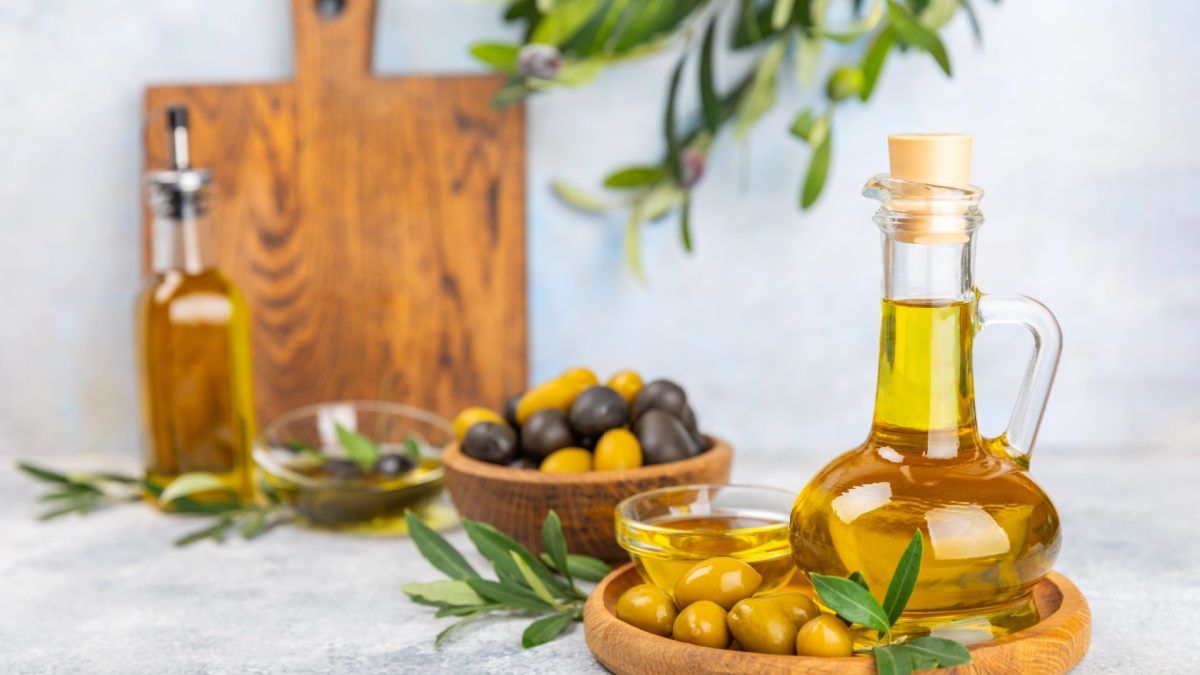
Cooking oils like avocado or olive oil should not be kept in a refrigerator, as the cold temperature can solidify or thicken them. Solidification also affects the flavor and texture of the oils. Store your cooking oil in a cool and dark place, like a pantry or kitchen cabinet, to store it.
Garlic
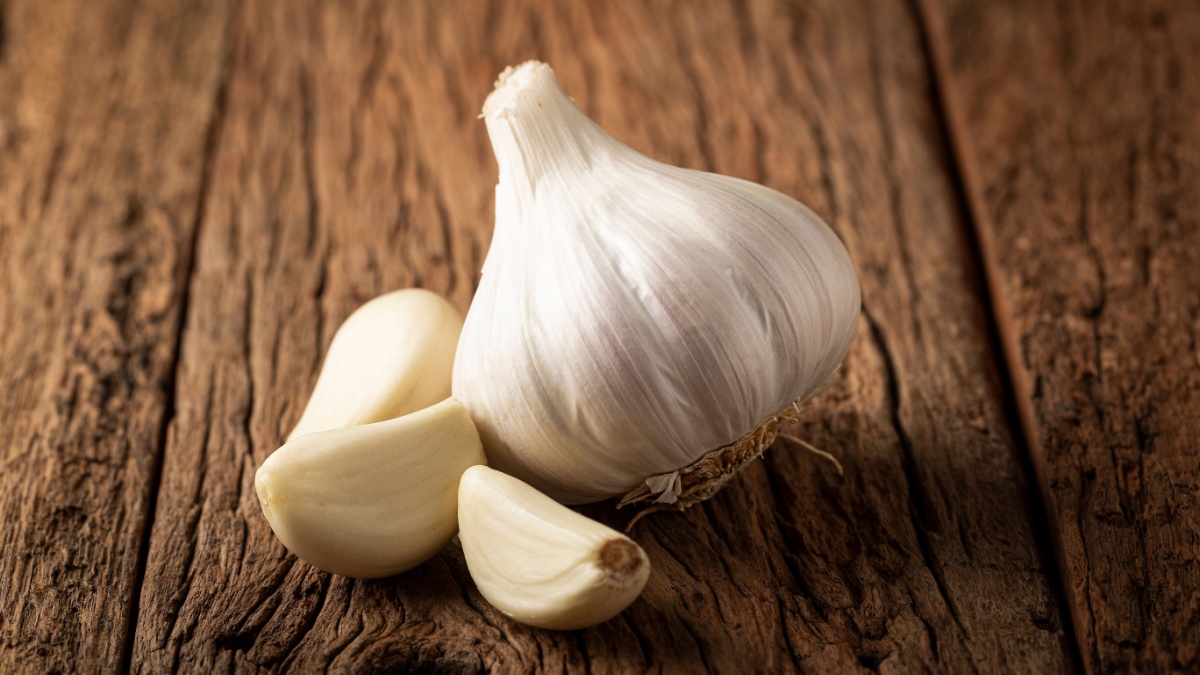
Storing garlic in the fridge causes it to sprout or mold prematurely, affecting its taste. You can store garlic for long periods by leaving it unbroken until you need to use it. After cracking it, store it somewhere dark and dry.
Molasses
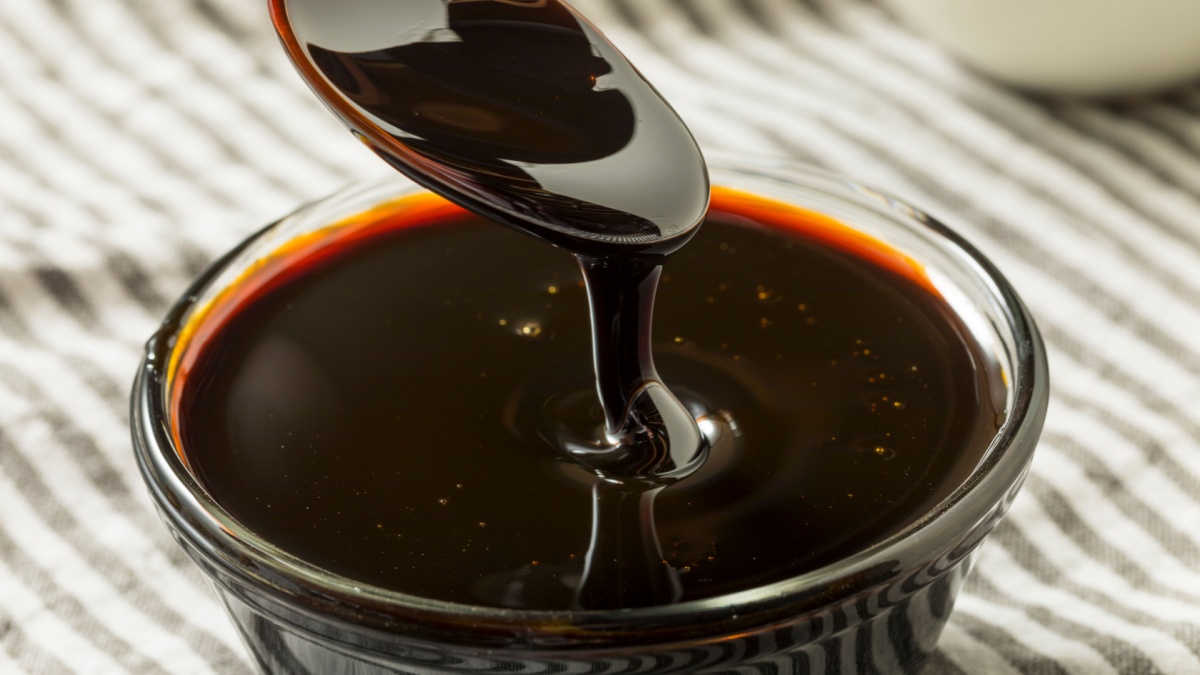
Keeping molasses in the refrigerator causes it to harden and become thick, which changes their texture and taste. Store molasses in a dry place. It‘s good at absorbing moisture, which reduces the chances of it getting spoiled or molding.
Onions
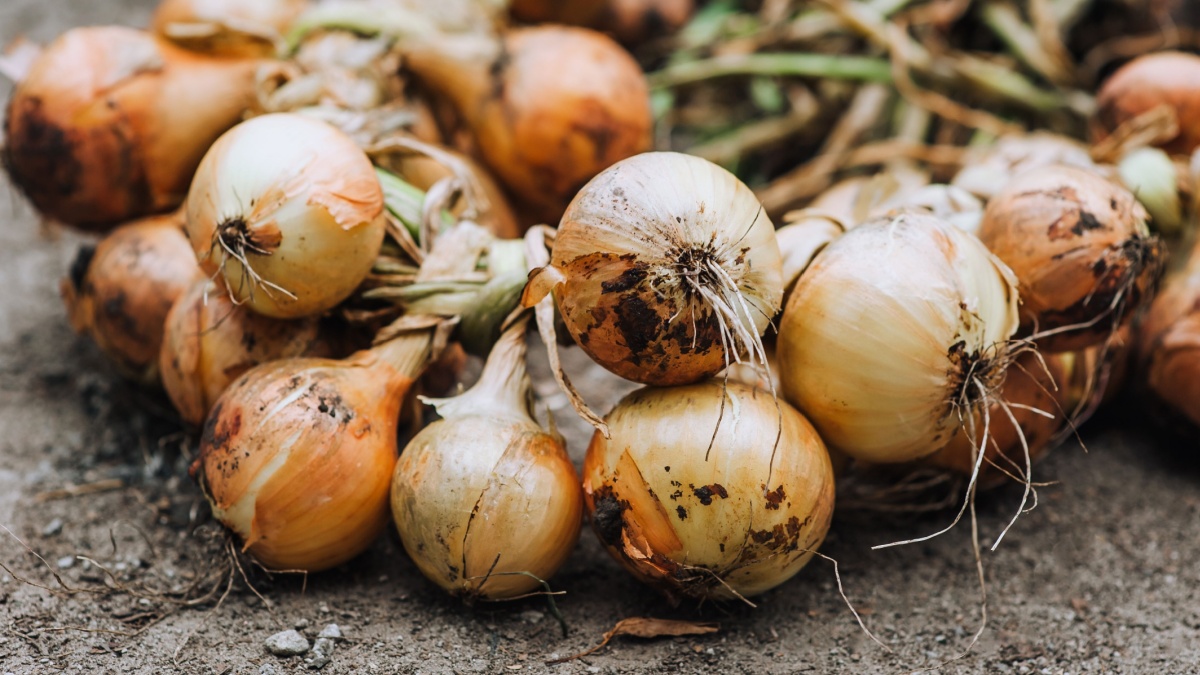
Storing onions in the refrigerator breaks the fibrous structure and promotes mold growth due to the high humidity and cold temperatures. You can preserve your onions in a dark place in the pantry to prevent sprouting and preserve their flavor.
Berries
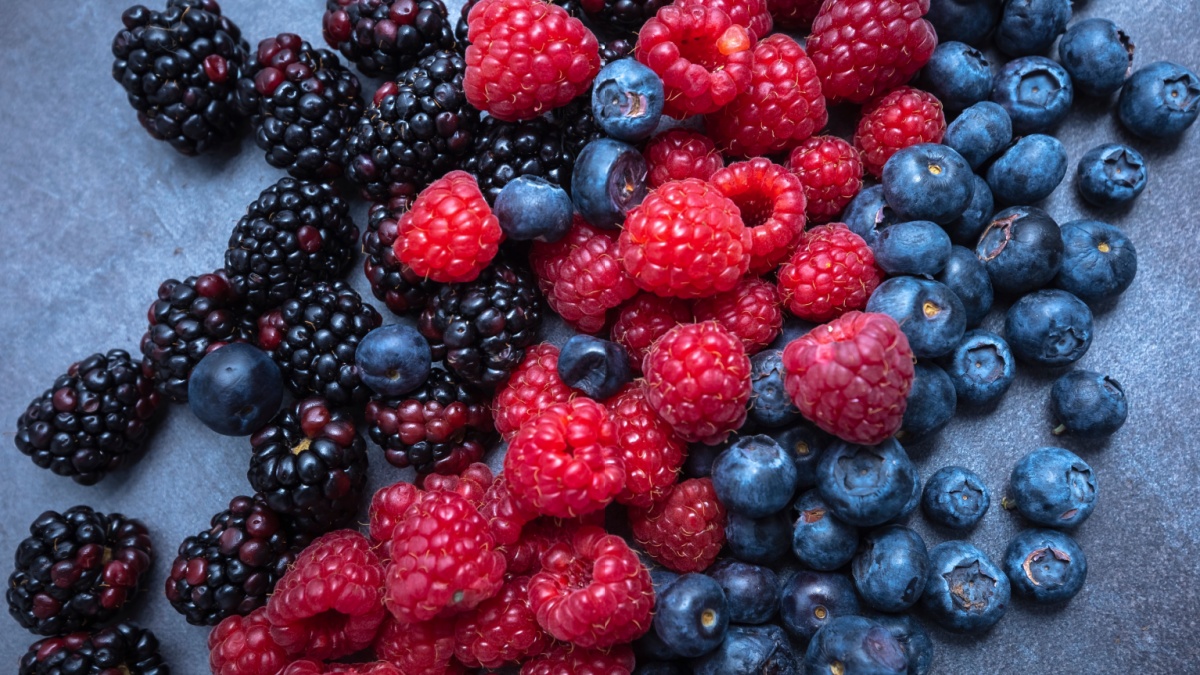
Contrary to popular belief, berries should not be stored in the refrigerator, which alters their flavor and texture. Avoid washing your berries until ready to consume them, as moisture buildup may damage them. Store them in a cool place to preserve their flavor.
Hard Cheese
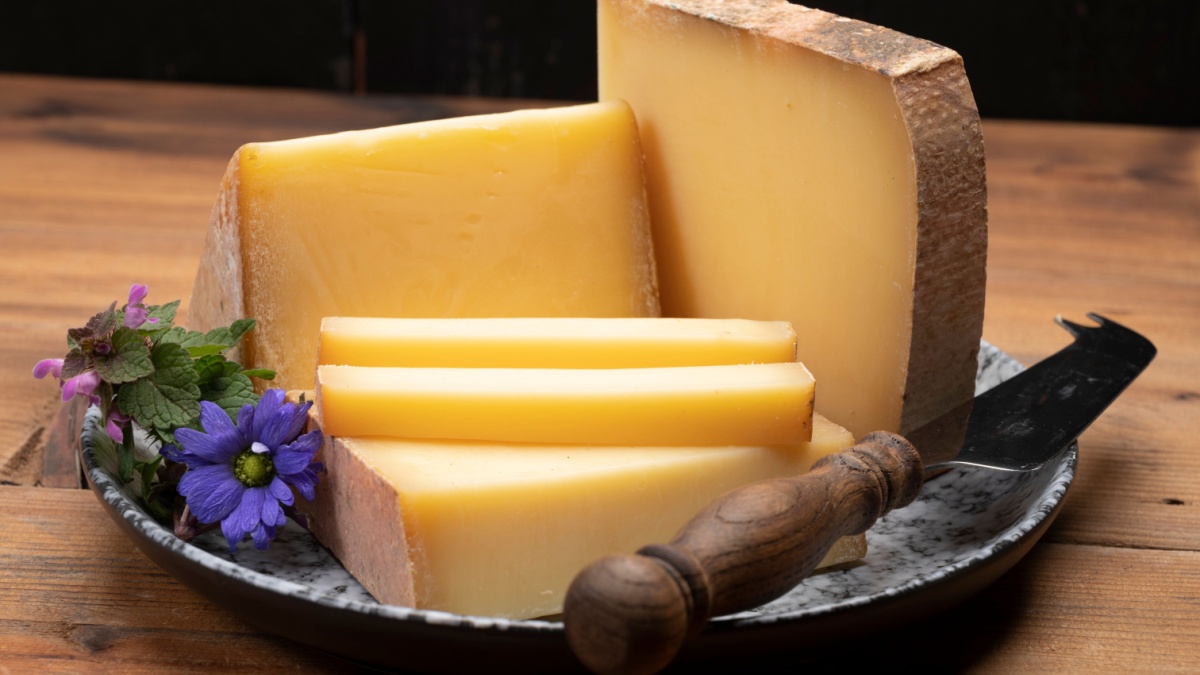
Hard cheeses like Parmesan and Cheddar should not be refrigerated until opened, as this prevents mold growth. Store your cheese at room temperature to preserve its flavor and texture.
Chocolate
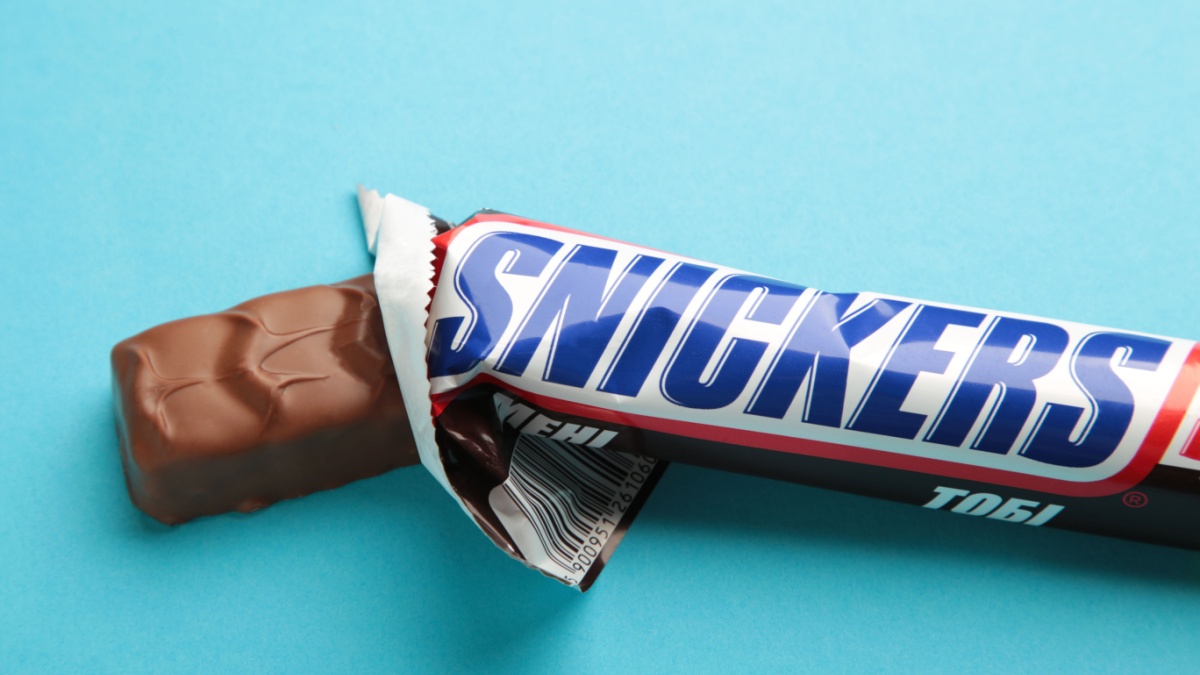
Keeping chocolate in the refrigerator causes the sugar content to move to the surface due to moisture absorption. A white coating forms on the chocolate through a process called blooming. While this chocolate is safe to eat, it has a different taste and texture. Store your chocolate in a dry and cool place, away from light and heat.
Uncut Melons
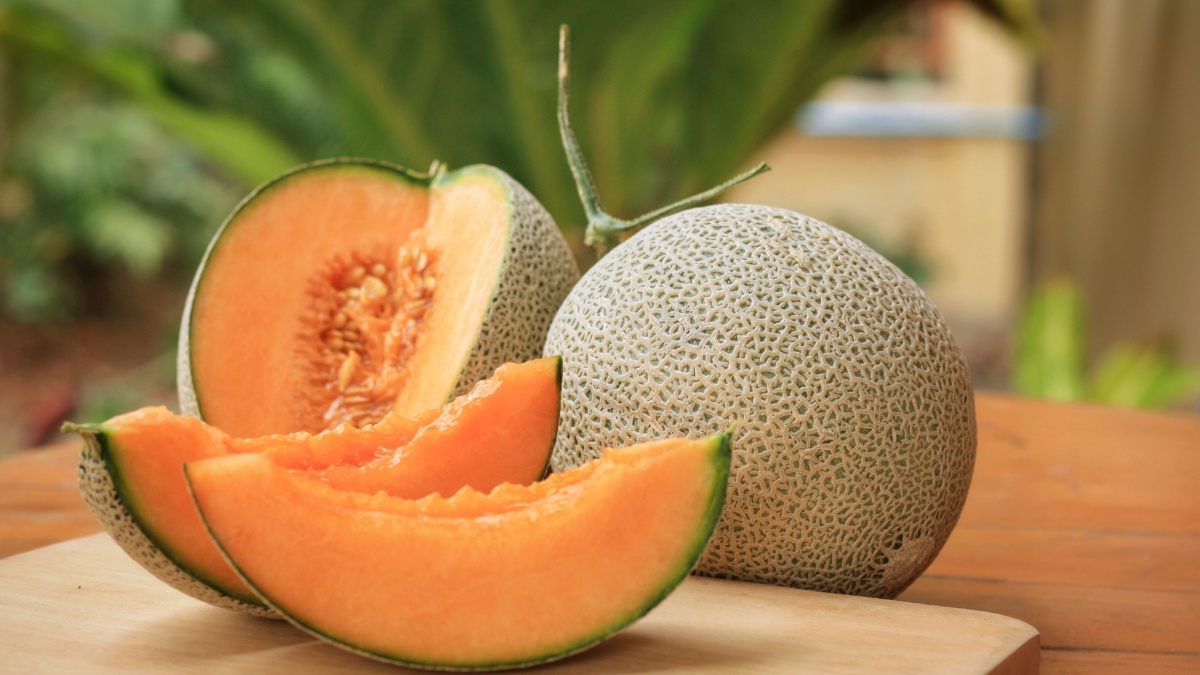
Avoid storing whole, uncut melons in the fridge, as they absorb moisture and other flavors. The cold temperature can also affect their texture, making the melon soft or gritty. Store whole melons far from direct sunlight in a dry place. You can later refrigerate them once they’re cut.
Cucumbers
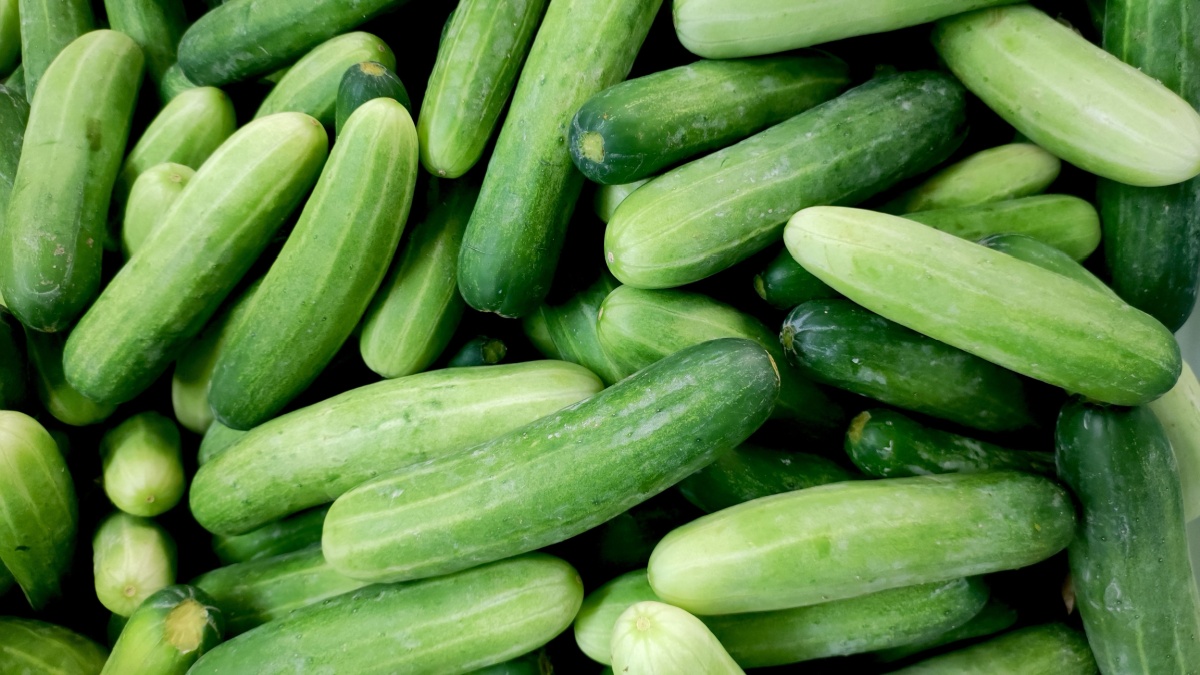
Cucumbers are chill-sensitive, and storing them in the refrigerator can make them rot faster. Additionally, refrigeration can cause a chilling injury, leading to shriveling, water-swollen spots, and yellowing after a few days. If you refrigerate them, wrap them in plastic to reduce moisture exposure, and use them within three days.

Leave a Reply