
As someone who loves food, it can be discouraging when my kids refuse to eat anything that isn’t hot dogs. Of course, we don’t want to put pressure on their food choices, but I really want to encourage my kids to try new foods and expand their palettes.
How can you get kids to become more adventurous with their eating habits?
Here are six ways to break the chicken nugget cycle and introduce new (often healthier) foods into their diets.
Involve the Whole Family
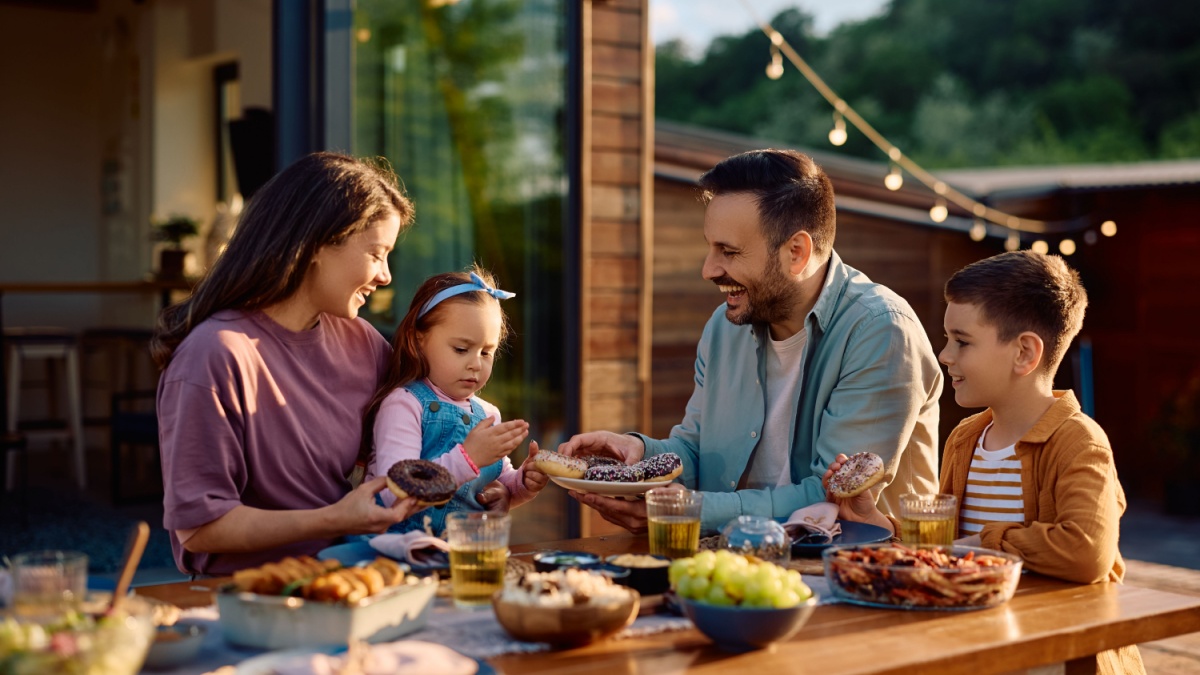
Have you ever noticed kids often want to mimic what adults do? This natural inclination can be a powerful tool at the dinner table. When the whole family is involved in trying new foods, it normalizes the experience for your kids.
You could start a ‘New Food Night’ where everyone tries something unfamiliar. This creates a sense of camaraderie and reduces the pressure on your child to be the only one stepping out of their comfort zone.
Cook With Them

Children are more likely to try foods they’ve helped prepare. When kids are involved in the cooking process, they develop a sense of ownership and curiosity about the food.
Depending on their age, you can involve them in various tasks like washing vegetables, stirring pots, or even choosing recipes. Remember not to task them with overly complicated or dangerous things.
Introduce Foods Gradually

Throwing unfamiliar foods at your kids all at once can be overwhelming. Instead, introduce new foods gradually. You might start by incorporating small amounts of new ingredients into dishes they enjoy.
For instance, if your child loves spaghetti, add finely chopped veggies to the sauce. Then we’ll see if they really don’t like mushrooms or not!
Let Food Be Fun

Who says trying new foods has to be a serious affair? Transform the experience into a fun and engaging activity. You could create a “food passport” where kids earn stamps for every new food they try.
Alternatively, organize a taste test with blindfolds and let them guess the ingredients. Another idea is to present the food in creative shapes or arrangements. For example, making a fruit salad that looks like a rainbow can be much more appealing than a simple bowl of mixed fruits.
When trying new foods becomes a game, it’s easier for kids to approach it with excitement rather than apprehension.
Be a Role Model

Kids are incredibly perceptive and often look up to their parents for cues on behavior. If you’re excited about trying new foods, they will likely follow suit. Show enthusiasm and curiosity when you introduce new dishes.
Share your thoughts on the flavors and textures, and express genuine interest in the experience.
Be Patient
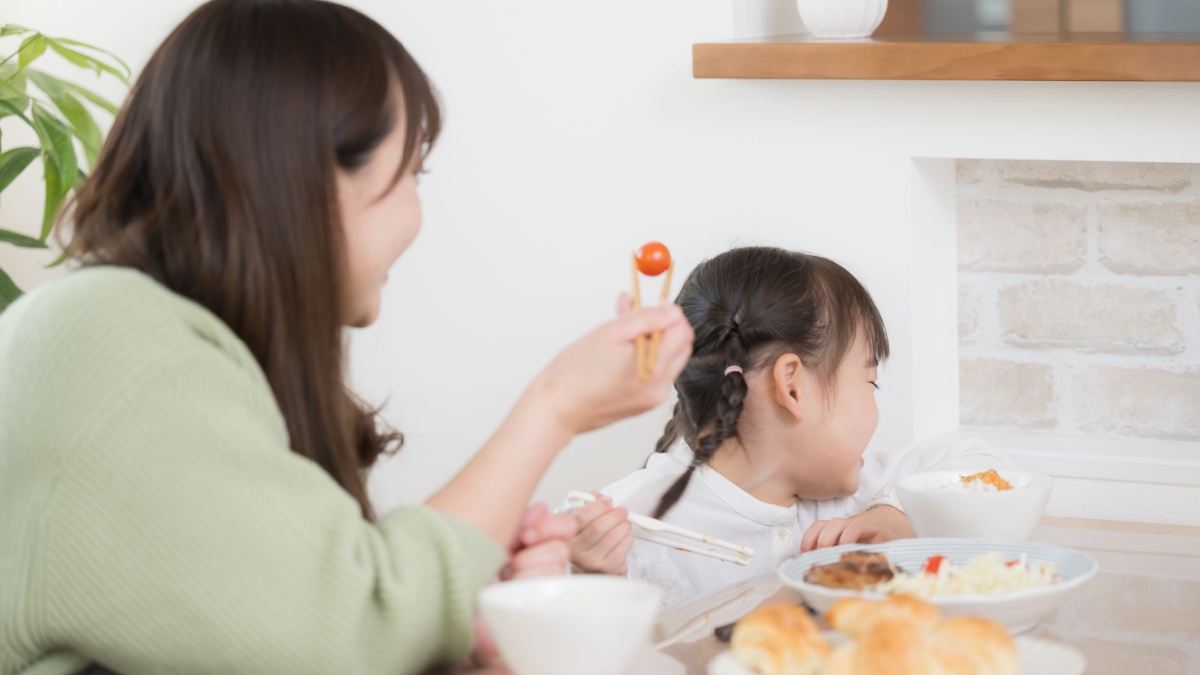
Lastly, remember that developing an adventurous palate doesn’t happen overnight. It takes time and repeated exposure for kids to warm up to new foods. Don’t be discouraged if they don’t take to something right away.
Research suggests that it can take multiple exposures to a new food before a child is willing to try it. Patience is key. Keep offering the new food without pressuring them to eat it—just trust the palate-developing process!

Leave a Reply