
Having a wine and cheese night is a great way to enjoy food with family and friends!
We all know wine and cheese are matches made in heaven, but which types of wine play especially well with each other? If you want to start planning a wine and cheese pairing, then these tips can help you get the right combination.
Here are eight tips to help you pair wine and cheese confidently, ensuring each combination is a delight with every bite (and sip!).
Do Sweet and Salty
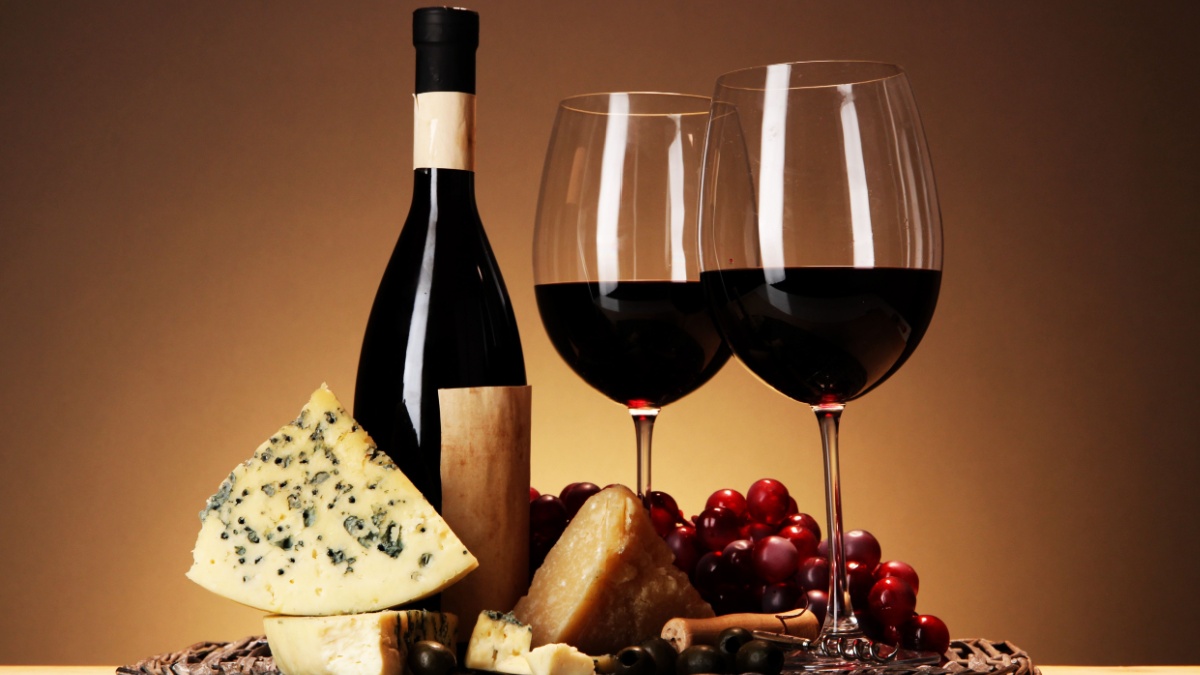
One of the most delightful pairings in the food world is the sweet and salty combination, and this rule certainly applies to your cheese pairing. Sweet wines like Port or Sauternes work wonders with salty, blue cheeses. The wine’s sweetness balances the cheese’s saltiness, creating a mouthwatering contrast.
Balance Acidity

Acidity is obviously important in wine, but it also plays a role in cheese. When pairing, aim to balance the acidity levels. High-acid wines like Sauvignon Blanc or Chianti pair well with tangy cheeses like goat cheese or aged Asiago. The wine’s acidity cuts through the cheese’s richness, creating a balanced pairing.
Cheese Age Matters
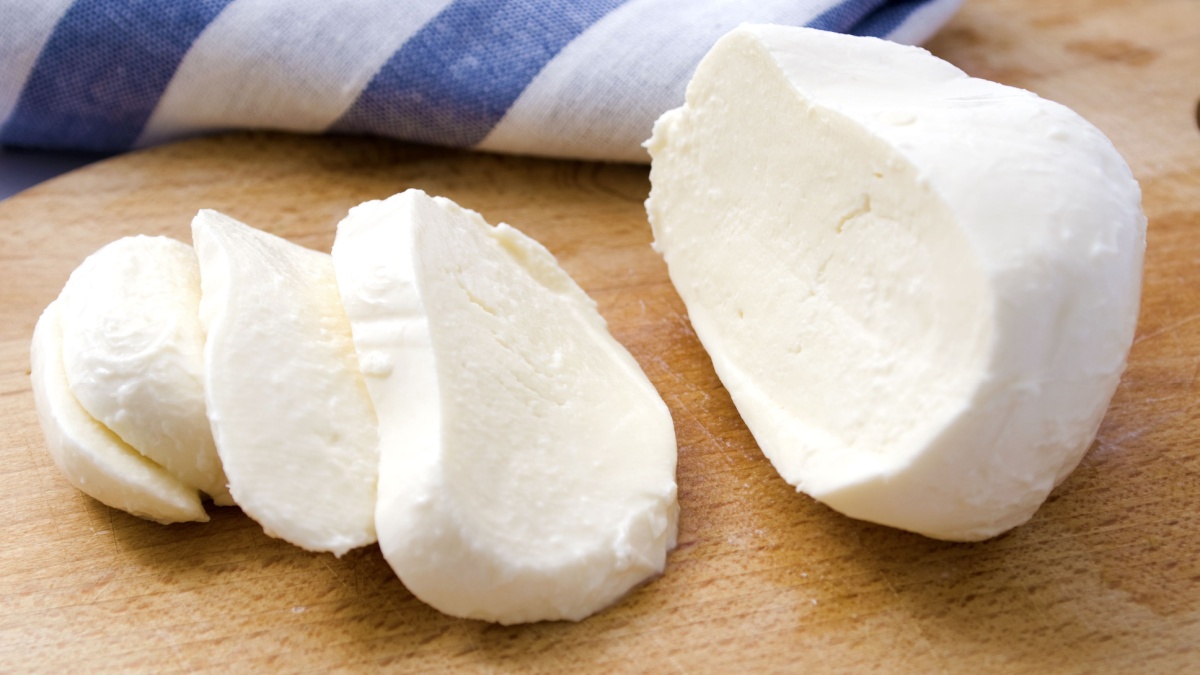
The age of the cheese can also influence the pairing. Fresh, young cheeses like Mozzarella or Ricotta pair well with light, unoaked wines like Pinot Grigio or Sauvignon Blanc. With their more complex and intense flavors, aged cheeses like Gouda or Pecorino pair better with fuller-bodied wines like Chardonnay or Rioja. You might also consider pairing different wines with cheese, even of the same varietal, like a younger Parmesan versus an aged Parmesan.
Temperature Matters
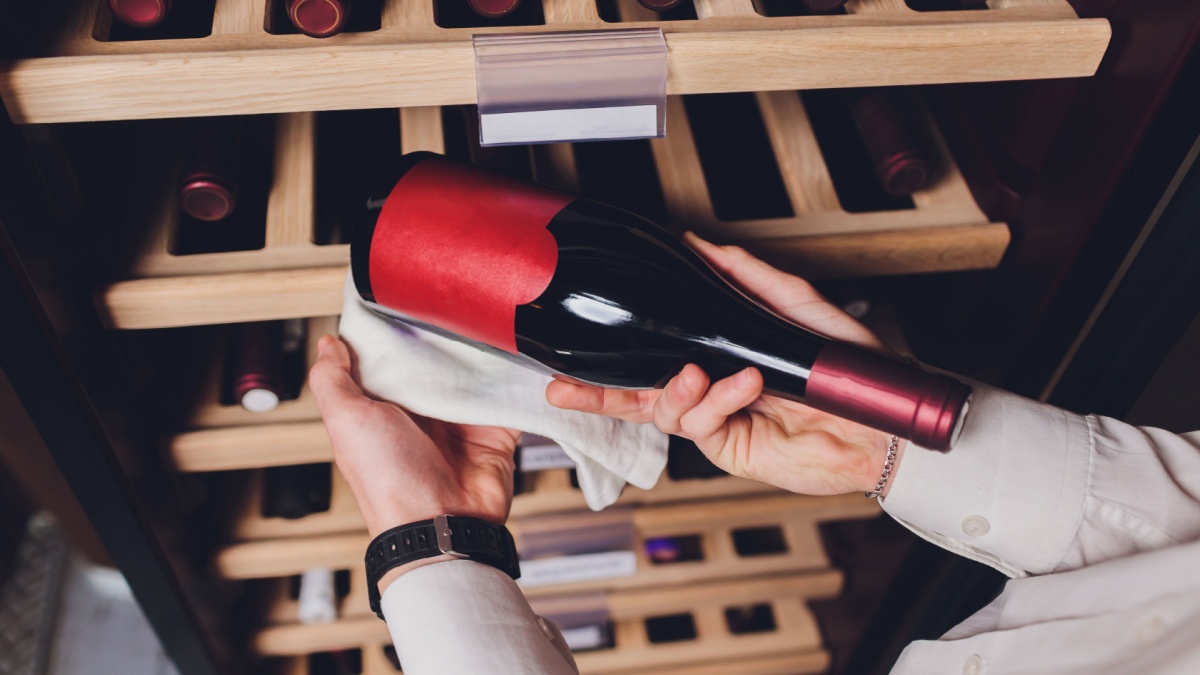
Serving wine and cheese at the right temperature can significantly affect their interaction with your palate. Red wines are best served slightly below room temperature (around 60-65°F), while whites and sparkling wines are best served chilled (around 45-50°F). Cheese should be served at room temperature to allow its full flavors to emerge and make sense.
Match Intensity
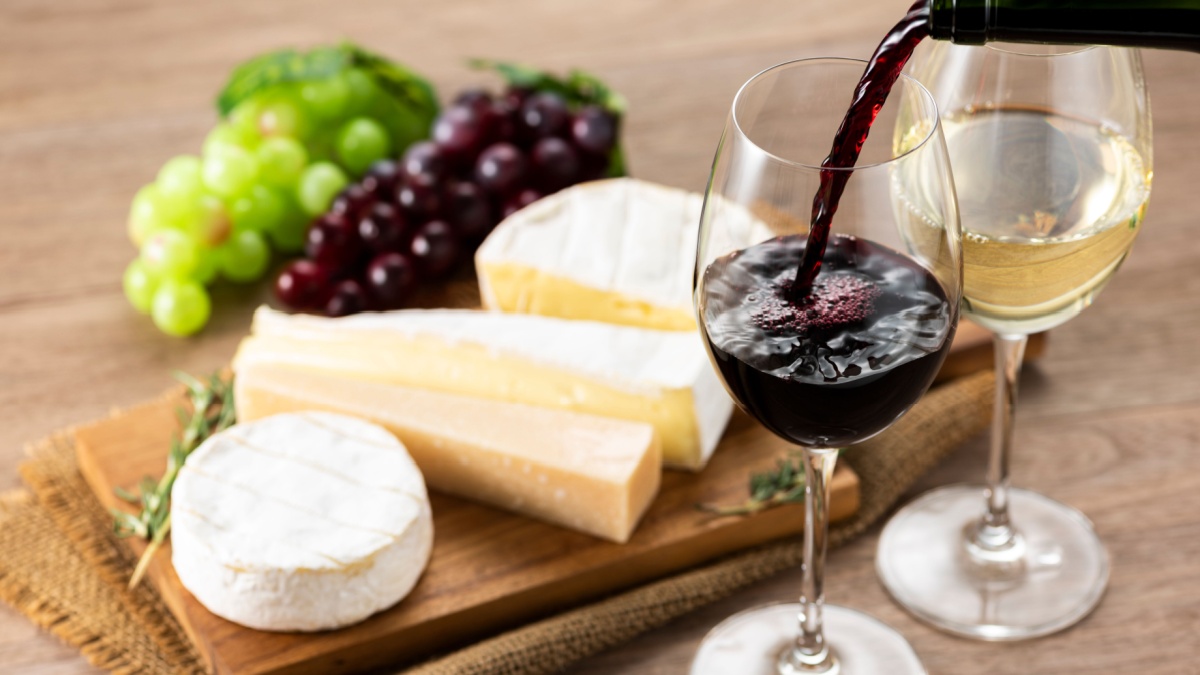
Probably the simplest pairing rule to follow is to match the intensity of the wine with your cheese. Light wines pair well with mild cheeses, while bold wines can stand up to strong, aged cheeses. For example, a delicate Pinot Grigio goes beautifully with a soft Brie. In contrast, a robust Cabernet Sauvignon pairs well with a sharp Cheddar.
Consider the Region

Wine and cheese from the same region often make excellent pairings. This is because they have evolved together, sharing similar climates, soils, and traditions. For example, you’ll get good results when pairing a classic French Bordeaux wine with a slice of Roquefort cheese.
Don’t Forget the Accompaniments

Adding fruits, nuts, and honey to your cheese board can enhance your wine and cheese pairings. Fresh fruit like apples or grapes can add a refreshing contrast. Conversely, nuts like almonds or walnuts add a crunchy texture. Consider how each element interacts with each other to give a unique and holistic tasting experience!
Practice Makes Perfect

Like any skill, pairing wine and cheese gets easier with practice. Start with these tips as a guide, but don’t be afraid to experiment and make your own discoveries. Host a tasting party with friends, try new wines and cheeses, and take notes on what works and what doesn’t. And recognize that even if you don’t always nail it, it’s a learning experience that will only make you better the next time!

Leave a Reply