
Brimming with natural lakes carved out ages ago by glaciers and then filled by melting snow and ice, Colorado’s Rocky Mountain National Park is a paradise for people who love mountain lakes in backcountry settings.
Many are true tarns– pools, ponds, and small lakes in the alpine zone.
All of the following lakes are backcountry gems in the park, and the hikes to many of them offer chances to see even more lakes.
Ypsilon Lake
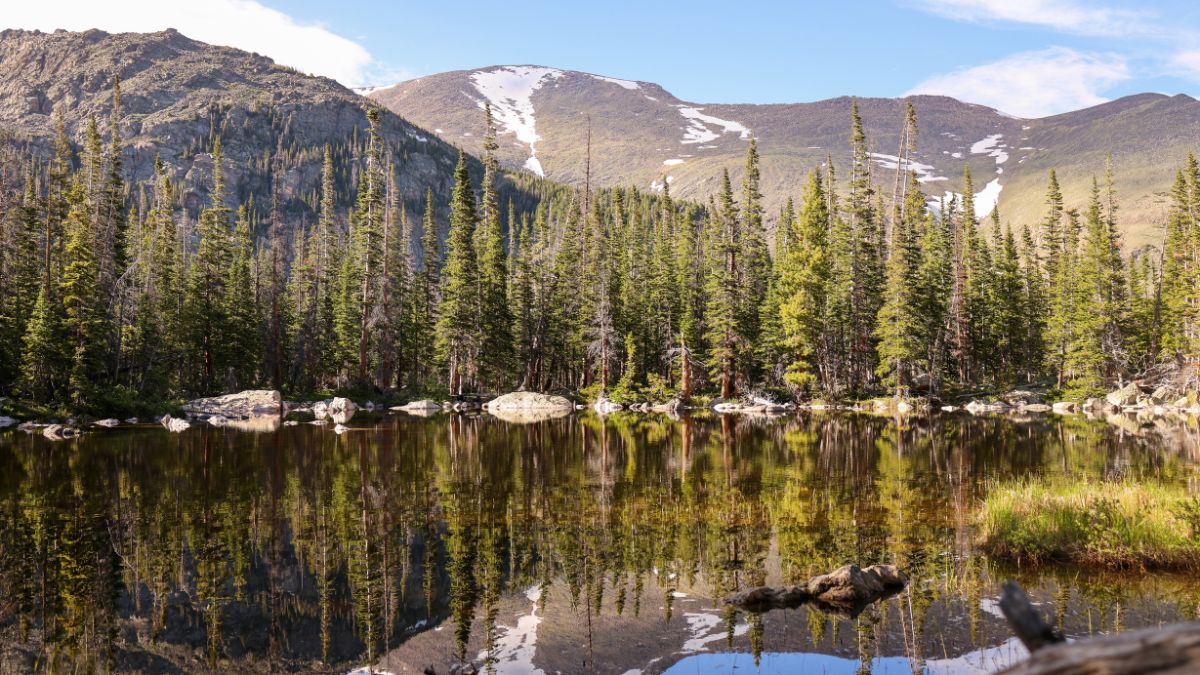
Image Credit: KRxMedia/Shutterstock.
Located in the Mummy Range near the base of Ypsilon Mountain, Ypsilon is accessed from the Lawn Lake Trailhead off Old Fall River Road. From the lake, you can pursue an off-trail adventure to Chiquita Lake or the Spectacle Lakes.
Odessa Lake
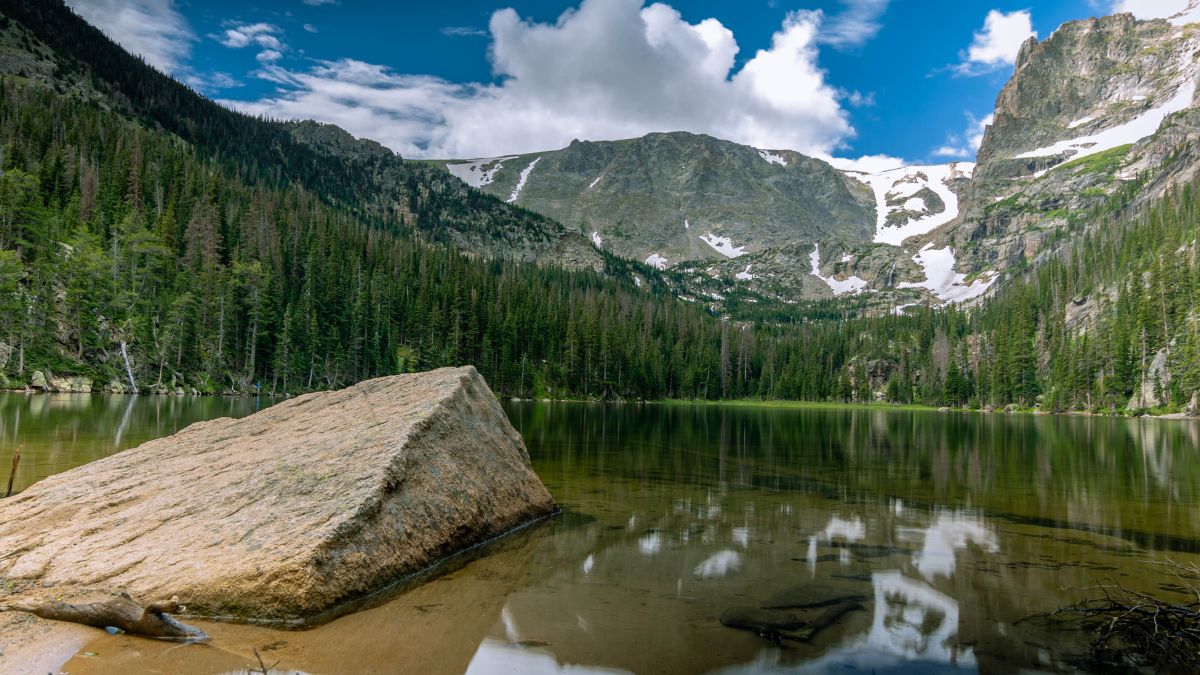
Image Credit: Mr.Denzilla/Shutterstock.
Close to Timberling, Odessa Lake is a nice day-hike destination from the Fern Lake Trailhead. You can also get to it as a branch off the Flattop Mountain Trail, which starts at Bear Lake.
Emerald Lake
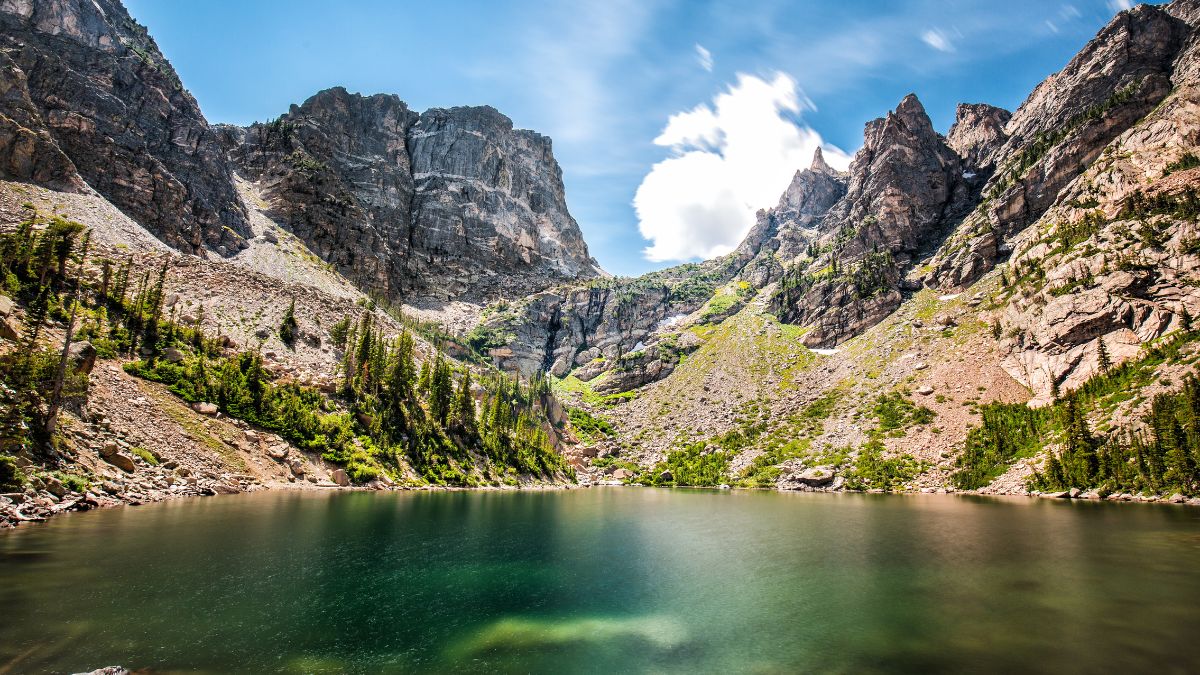
Image Credit: Marcin Kopczynski/Shutterstock.
From Bear Lake, you reach Dream Lake in pretty short order. It’s beautiful, but keep going! Emerald Lake isn’t that much farther, and because it’s higher and close to timberline, it has better views than you get from Bear Lake and Dream Lake.
Lake Haiyaha
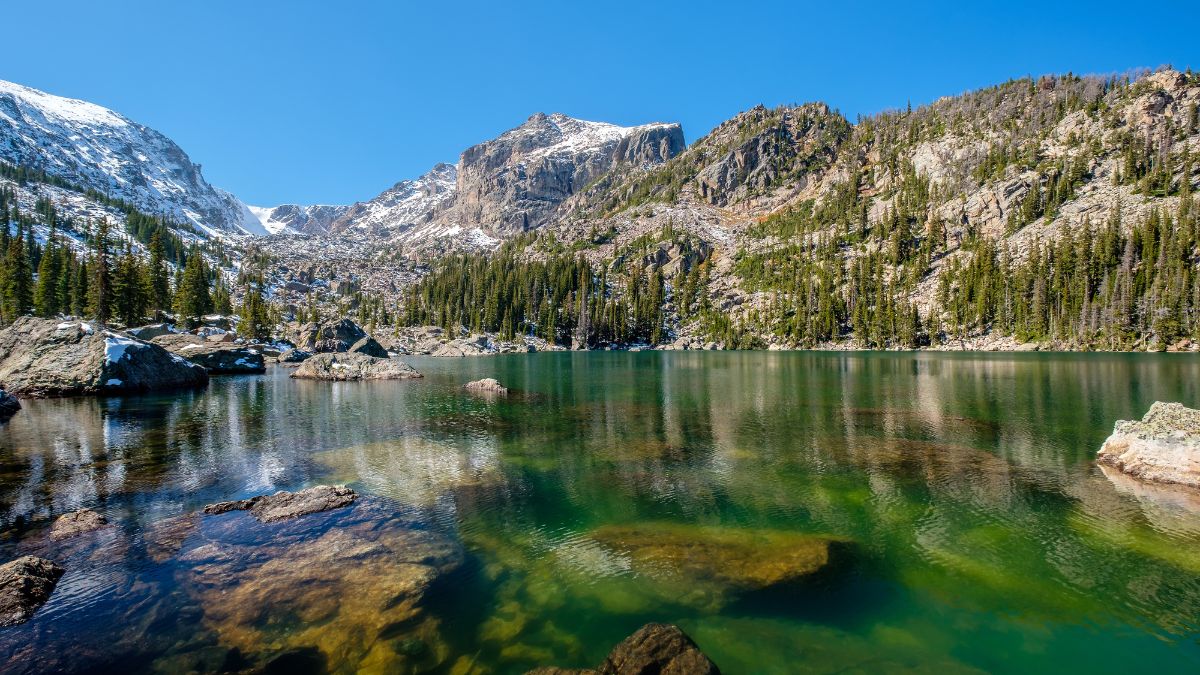
Image Credit: haveseen/Shutterstock.
Lake Haiyaha is in a drainage between Tyndall Gorge (Emerald Lake’s location) and Glacier Gorge (the gateway to the next four lakes here). You can make Lake Haiyaha part of a loop hike that connects the Bear Lake and Glacier Gorge trailheads.
Lake of Glass
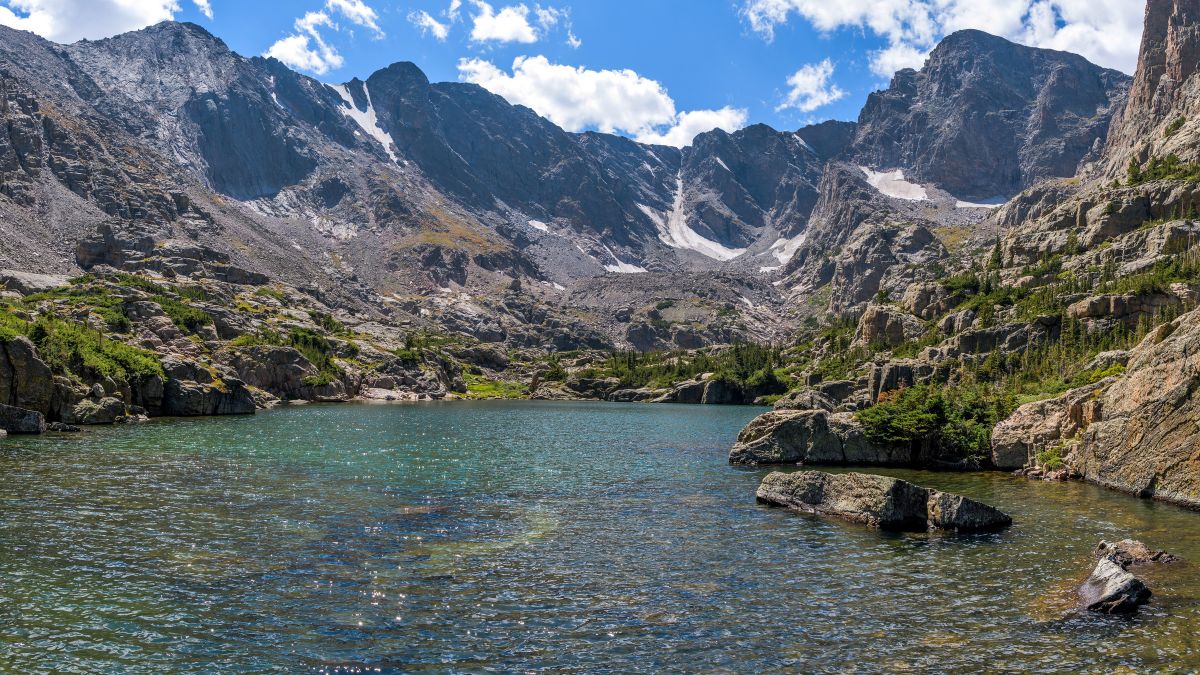
Image Credit: Sean Xu/Shutterstock.
When the Glacier Gorge Trail forks and presents the option of going left to Mills Lake or right to Loch Vale, staying right will get you to a scenic lake called the Loch. Things get better, though, so keep going. After you pass Timberline Falls, you’ll soon reach Lake of Glass, also called Glass Lake. It’s an alpine lake framing incredible views of surrounding peaks.
Sky Pond
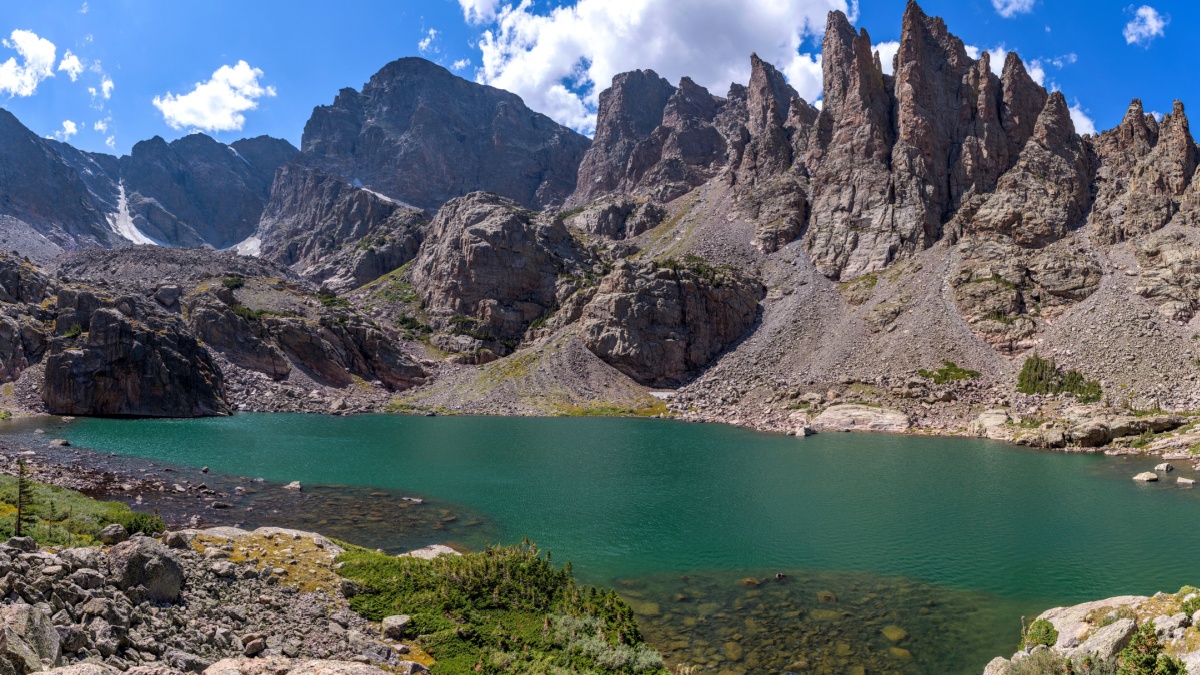
Image Credit: Sean Xu/Shutterstock.
From Sky Pond, it’s just a short hike farther to the trail’s end at Sky Pond, a true alpine tarn. The austere shores here sit beneath the Continental Divide and some truly spectacular pinnacles such as the Sharkstooth and Petit Grepon. The latter is considered one of the 50 classic climbs in North America.
Black Lake
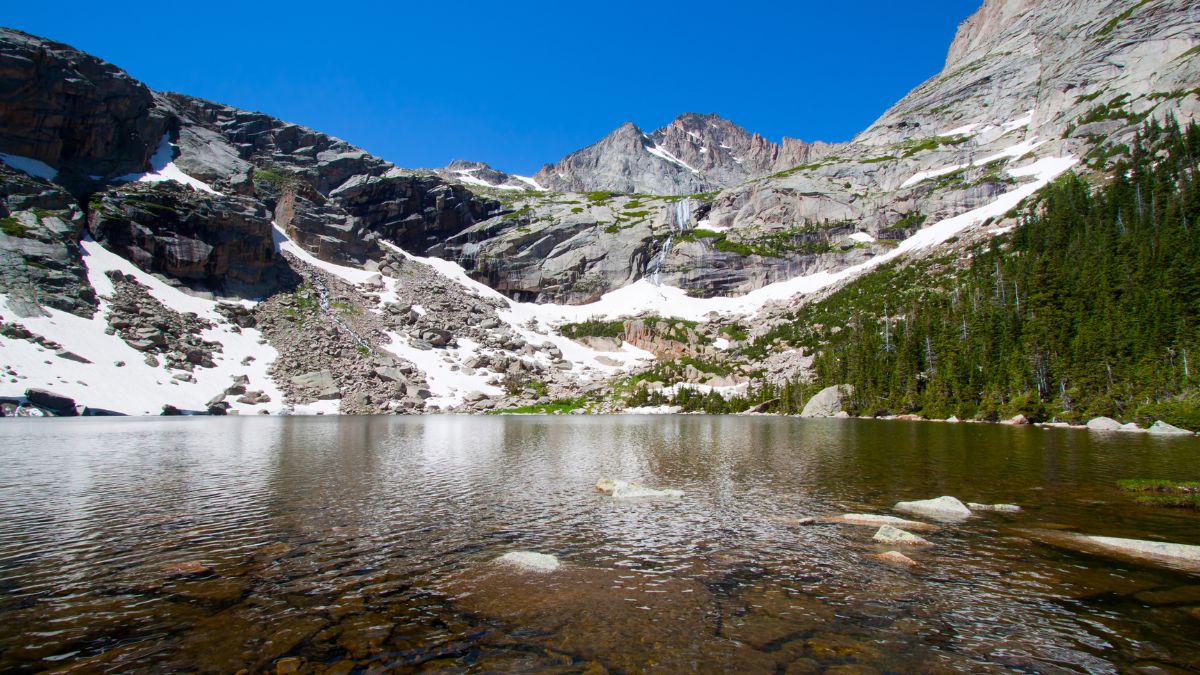
Image Credit: Alexey Kamenskiy/Shutterstock.
Going left at that junction for Loch Vale and Mills Lake gets you to the latter and its nice view of Longs Peak, the park’s highest mountain. Beyond it, just past Ribbon Falls, sits Black Lake and its incredible view of McHenrys Peak.
Frozen Lake
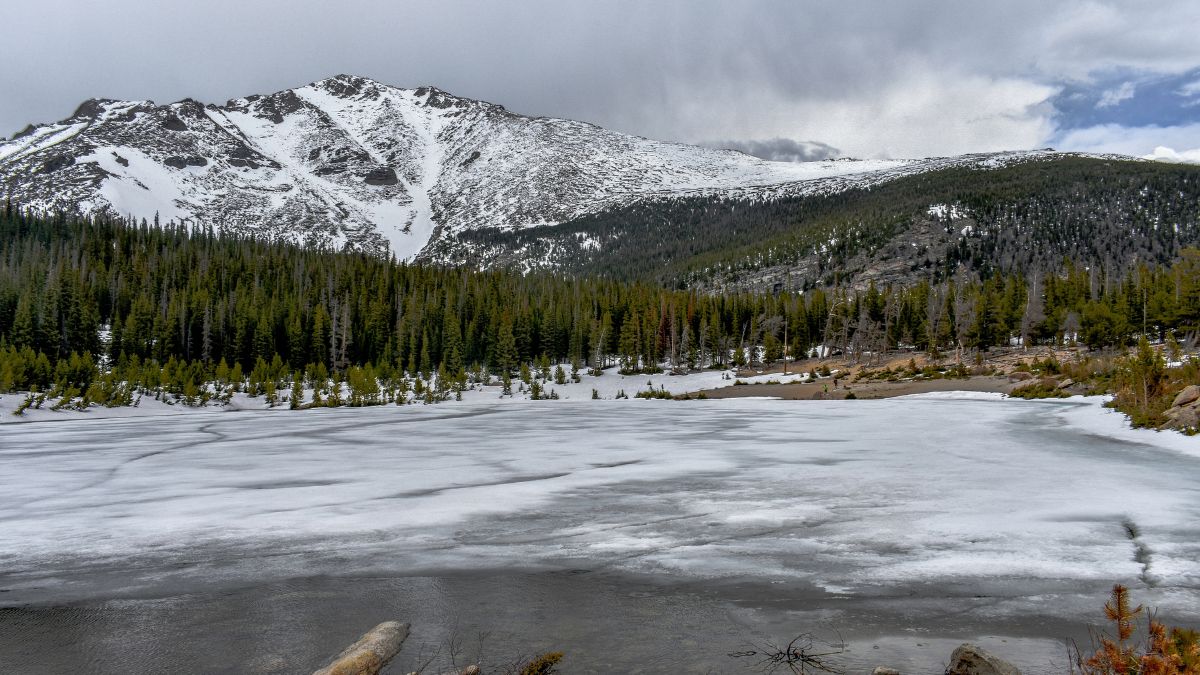
Image Credit: MFricke/Shuttesrtock.
The trail officially ends at Black Lake, but you can continue up a steep use trail to the tundra basin above and try to find Frozen Lake. Try is the operative word here, Frozen Lake is high enough that it can stay covered in snow and ice well into the summer.
Chasm Lake
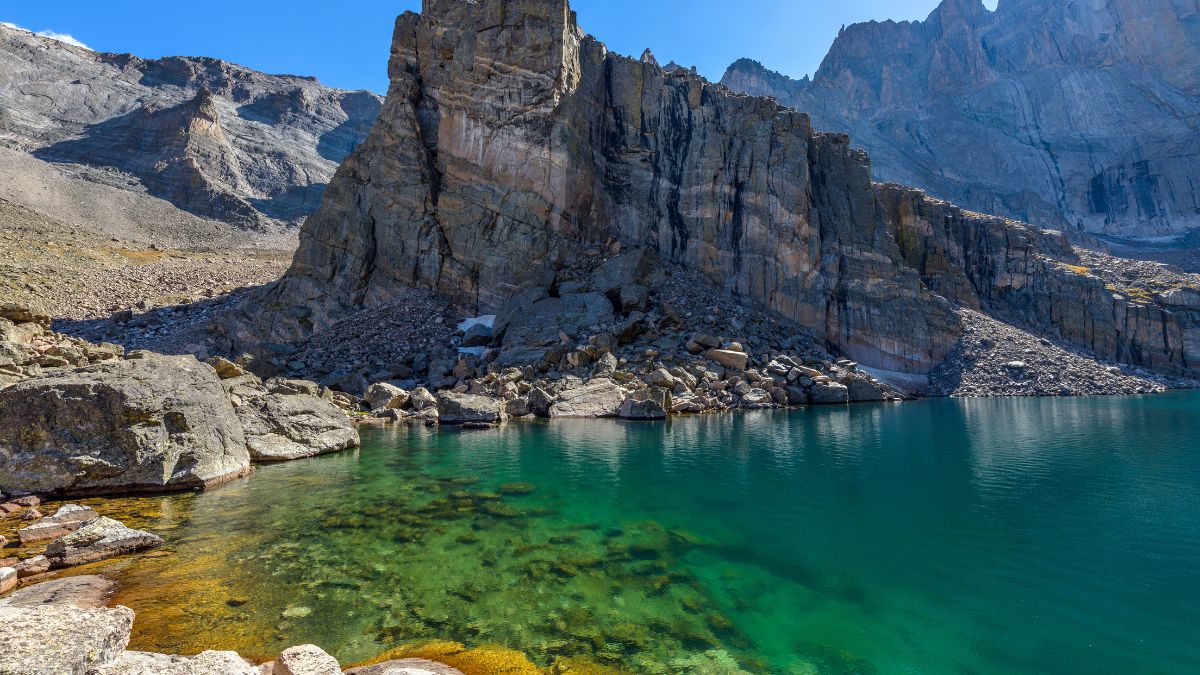
Image Credit: Sean Xu/Shutterstock.
South of Estes Park is the Longs Peak Trailhead. It’s the most heavily used approach for people out to climb Longs Peak, but along the way and above timberline is a spur to Chasm Lake. Some climbers use that to access more difficult routes up Longs and neighboring Mount Meeker, but Chasm Lake itself easily qualifies as one of the park’s most beautiful lakes. It sits at the base of the Diamond, the sheer eastern face of Longs Peak that often draws comparisons to El Capitan in Yosemite National Park.
Azure Lake
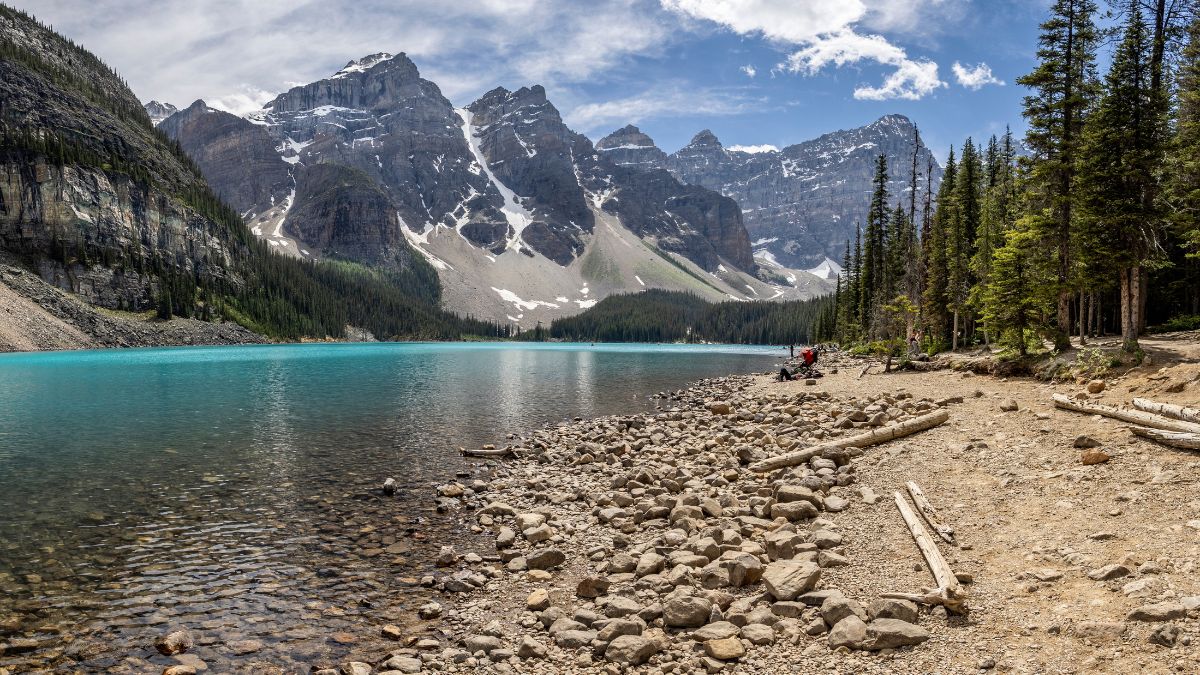
Image Credit: Nigel Jarvis/Shutterstock.
No trails lead to Azure Lake, so reaching its shores would indeed be quite an adventure. The best non-epic way to see it is to hike the ridges from Milner Pass off Trail Ridge Road to the summit of 12,880’ Mount Ida on the Continental Divide. From there, you can look down over Azure Lake, which truly lives up to its name.
Lake Nanita
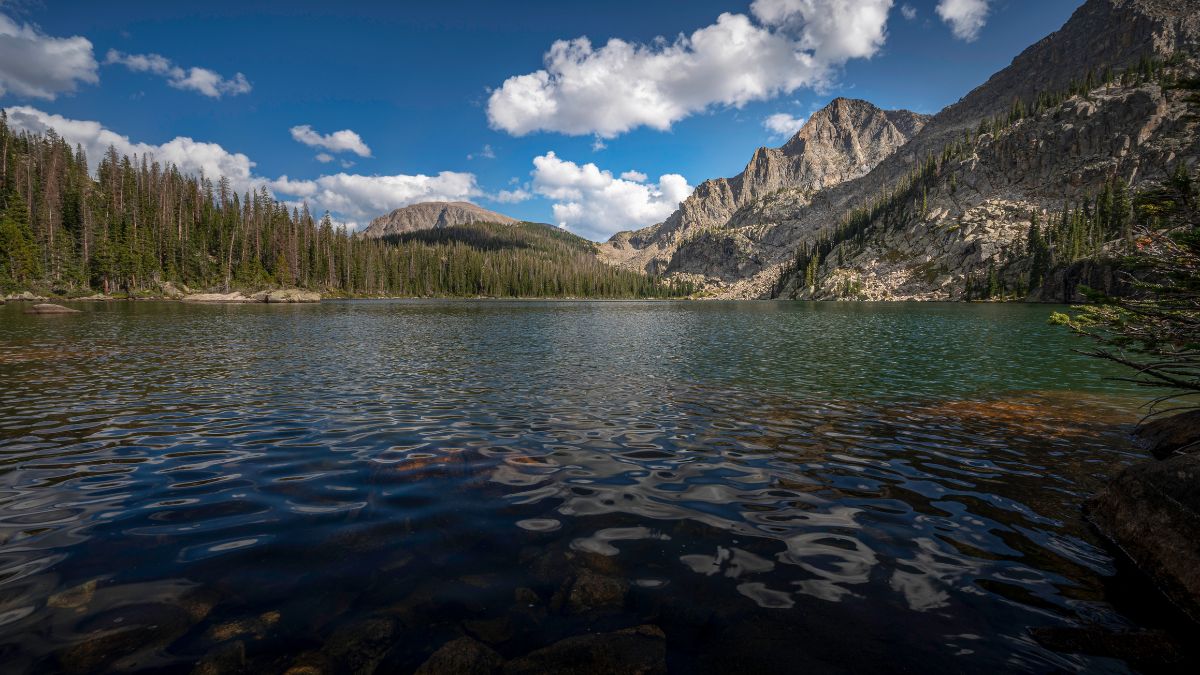
Image Credit: David Spates/Shutterstock.
If you want to hike a long way to a pristine, remote alpine lake and make an overnighter out of it, this one’s for you. The journey starts near the Grand Lake Entrance of the park, and it will take you past Cascade Falls and Lake Nokoni before you reach Nanita at last.
Thunder Lake
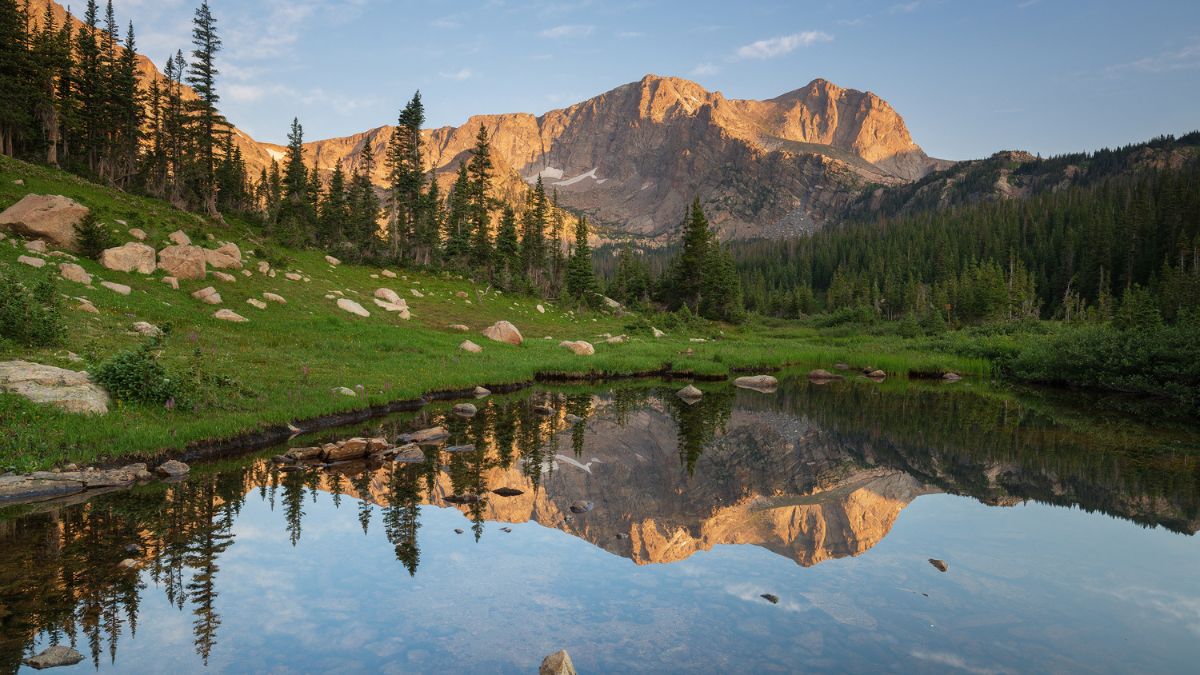
Image Credit: Kyootaek Choi/Shutterstock.
Depending on the year, Rocky Mountain National Park usually comes in at #4 or 5 for the most-visited national parks. Unless you’re doing an off-trail adventure, it’s hard to avoid people in the summer, but the Wild Basin area in the southeastern corner of the park is among the least-used of the main trailheads. You can get to several lakes from there, and Thunder Lake is one of the best.

Leave a Reply