
14ers are mountains that range in elevation from 14,000’ to 14,999’.
They’re a big deal in the Lower 48 since they’re its highest peaks, and there are only three states– California, Colorado, and Washington– that have any.
Colorado has 53 “official” 14ers, but many also include North Maroon Peak as the 54th just for its iconic stature, and for a lot of outdoor enthusiasts, climbing all of them is a major life goal.
While that can take years and deserves a lot of respect, the truth is that a lot of the Colorado 14ers aren’t that impressive and/or are boring talus slogs; if they were 13,999’, they wouldn’t get much attention at all.
So if you’re interested in the Colorado 14ers but not in doing all of them, here are some of the best, selected for their beauty, their views, and/or the quality of the standard routes up them.
Pictures are for illustrative purposes only.
Longs Peak (Front Range)– 14,259’
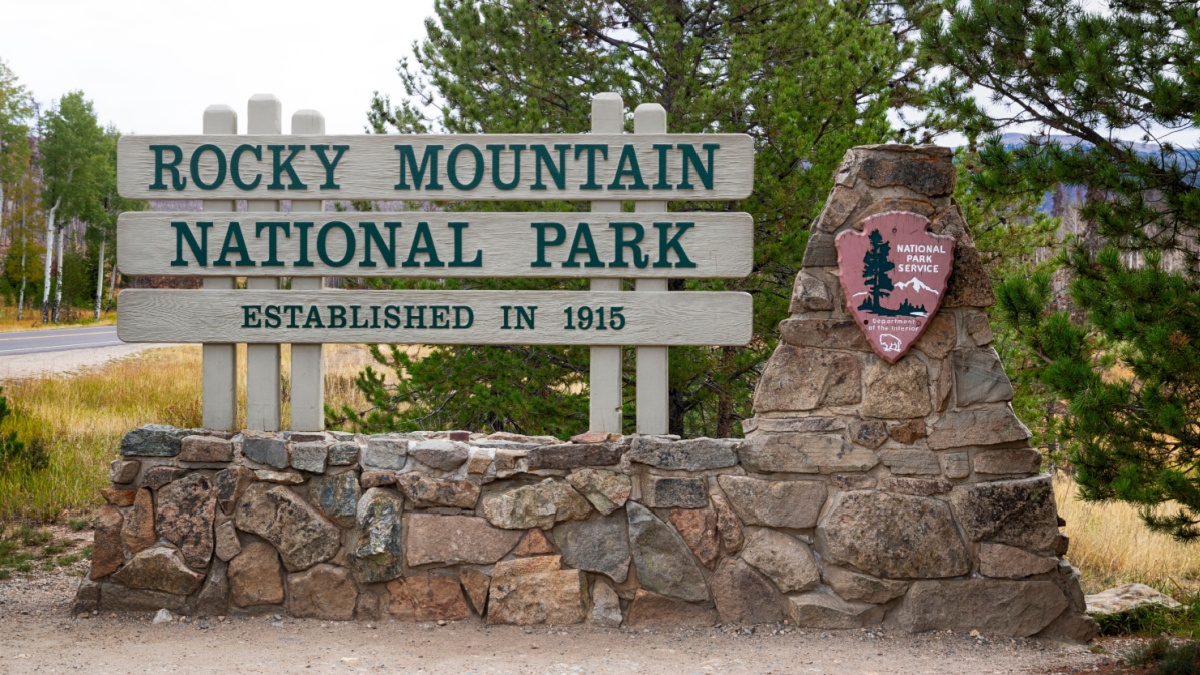
Image Credit:Jamie Carroll/Shutterstock.
Longs is the highest peak in Rocky Mountain National Park and the northernmost Colorado 14er. The standard, classic route up it is the Keyhole Route, a grueling 16-mile round-trip journey that includes sections of exposed scrambling.
Torreys Peak (Front Range)– 14,275’
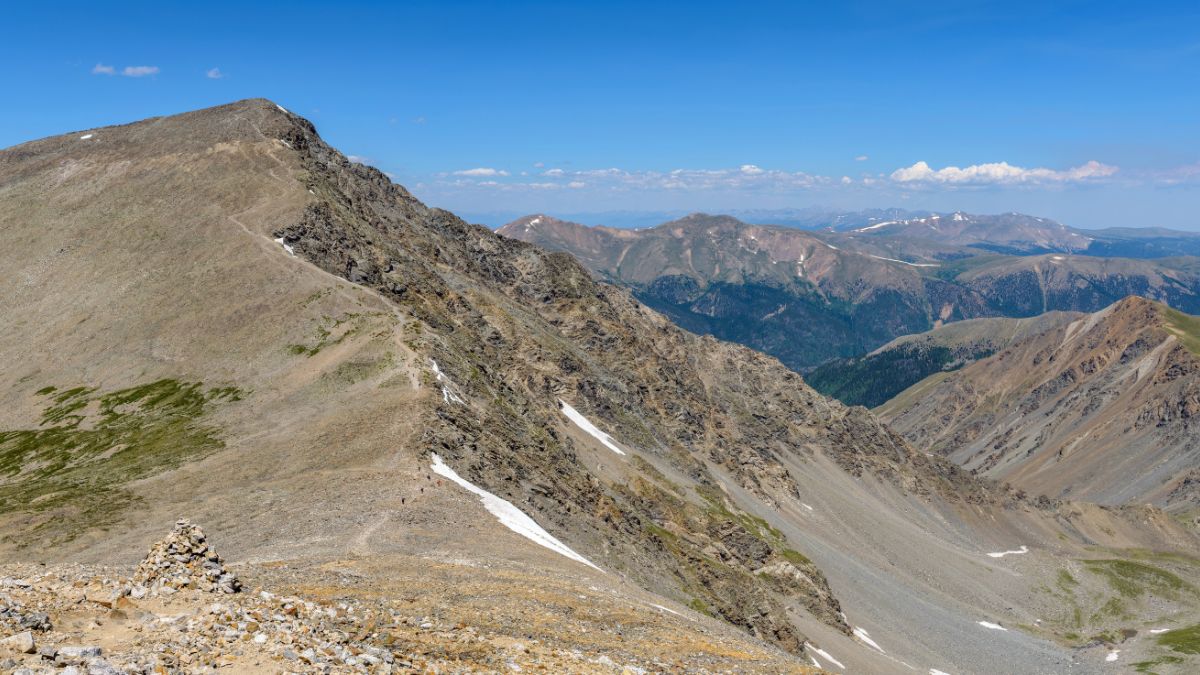
Image Credit: Sean Xu/Shutterstock.
Torreys Peak is an aesthetic peak easily seen from I-70, and its triangular shape sets it apart from the mostly more rounded summits in the vicinity. The standard route up it is just a steep hike, but the classic Kelso Ridge route offers more adventure. Many go up Kelso, traverse to neighboring Grays Peak, another 14er, and then take the trail back down.
Mount Blue Sky (Front Range)– 14,266’
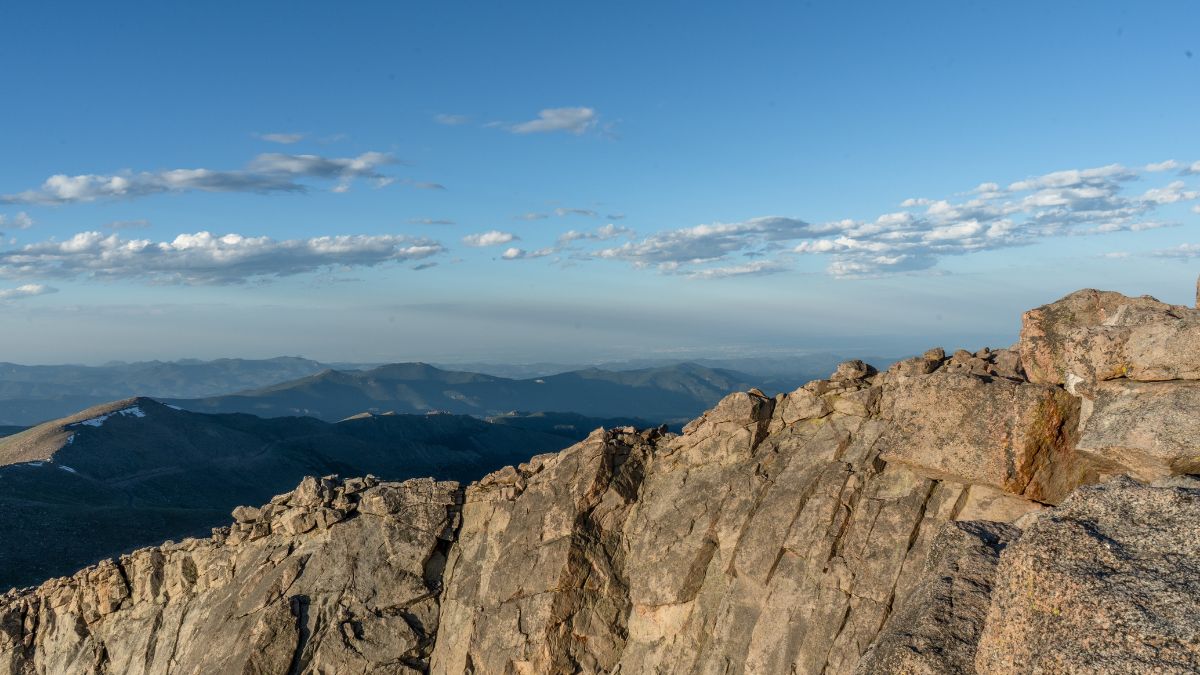
Image Credit: Jamilya Khalilulina/Shutterstock.
Most people know this peak as Mount Evans, but its name was officially changed in 2023 as a nod to the culture of the original indigenous inhabitants of the region. A road leads all the way to the top, with the actual summit being a short walk away, so this is one of the easiest 14ers to “climb.” But the views are great, and you can make an alpine adventure by traversing the Sawtooth Ridge to the summit of Mount Bierstadt, another 14er.
Mount Elbert (Sawatch Range)– 14,440’
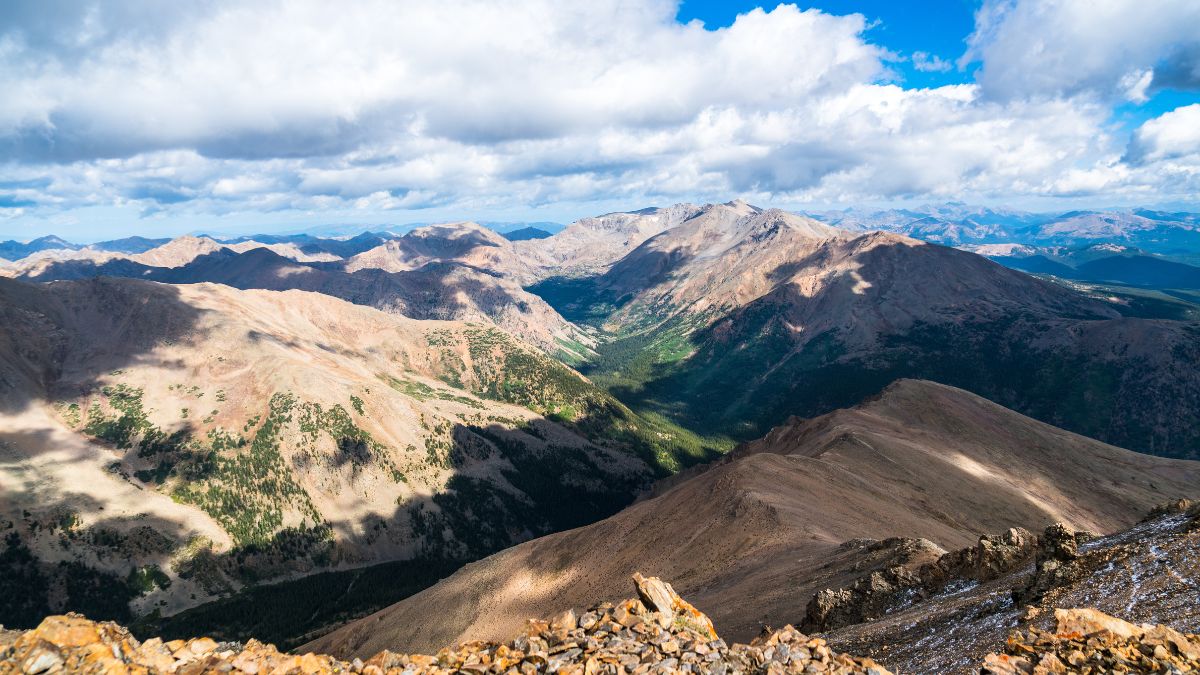
Image Credit: Roschetzky Photography/Shutterstock.
Elbert is the highest peak in Colorado and in all of the U.S. Rockies; you actually have to go to the Yukon to find a Rocky Mountain peak that’s higher. The hike up it is unexceptional; even the alpine tarn near the summit is underwhelming by Colorado standards. But the views from the top are exceptional.
Castle Peak (Elk Range)– 14,279’
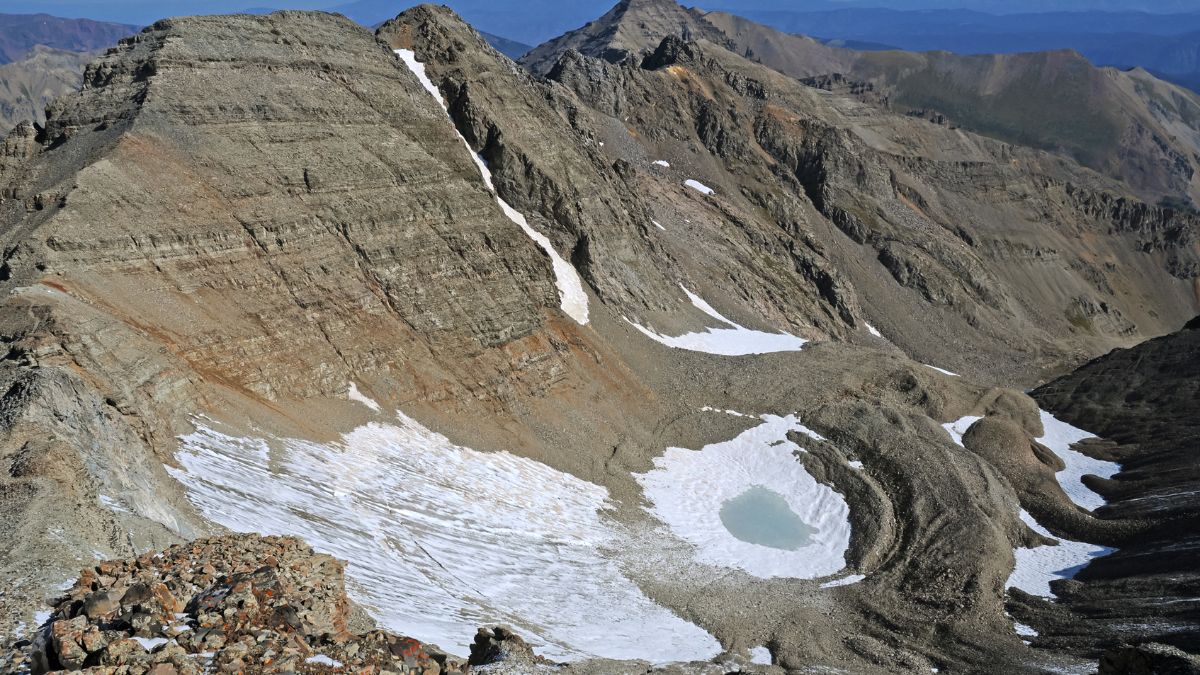
Image Credit: nyker/Shutterstock.
The highest peak in the Elks, Castle also has views of all of the range’s other 14ers. This includes neighboring Conundrum Peak, another 14er but not considered an official one because it doesn’t have enough vertical rise separating it from Castle.
Maroon Peak (Elk Range)– 14,163’
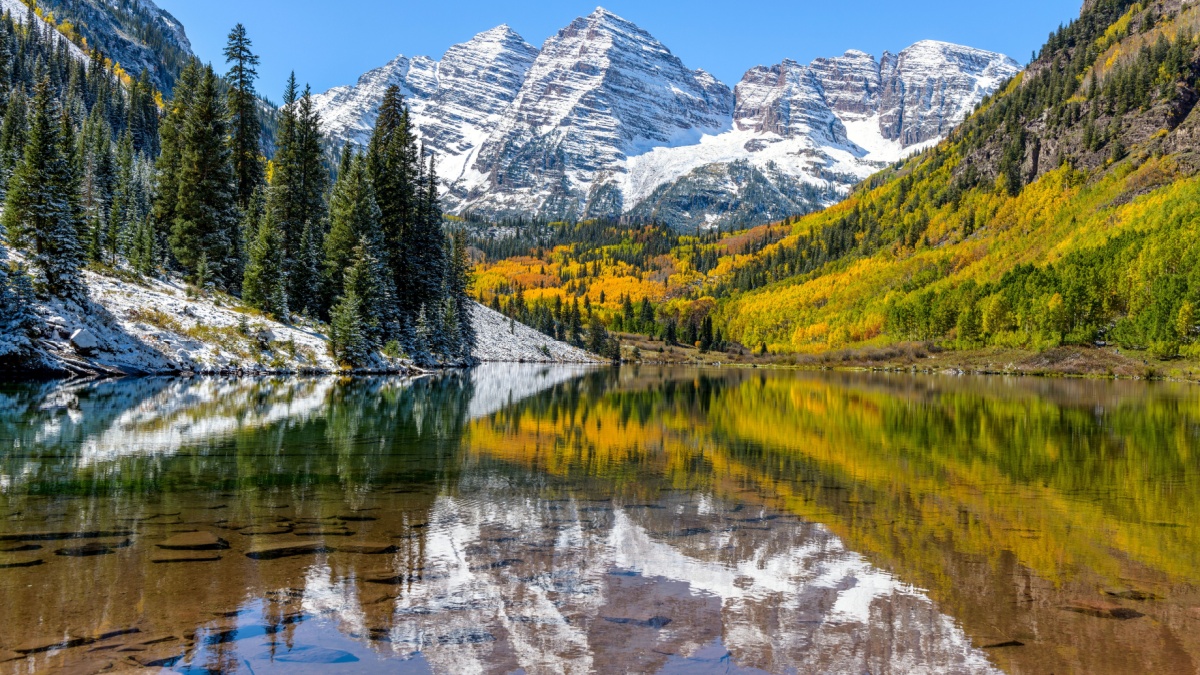
Image Credit:Sean Xu/Shutterstock.
The Maroon Bells are among the most-photographed and most famous mountains in the world. Maroon Peak is the more southerly of the two (the one on the left in the classic view from Maroon Lake). Its standard route involves scrambling on notoriously loose rock.
North Maroon Peak (Elk Range)– 14,012’
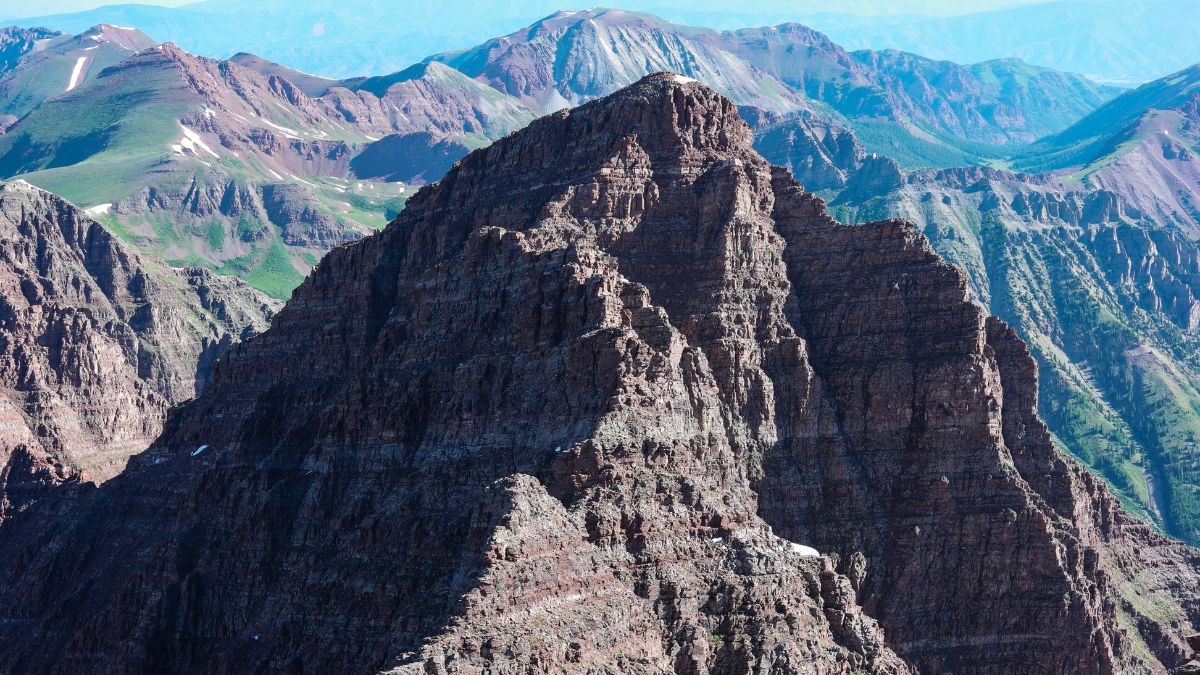
Image Credit: Nicholas Courtney/Shutterstock.
North Maroon isn’t an official 14er because of the same vertical rise issue that affects Conundrum, but it has such iconic status that many consider it as an official member of the list. In fact, a lot of people climb both in the same outing, a traverse called “Ringing the Bells.”
Capitol Peak (Elk Range)– 14,137’
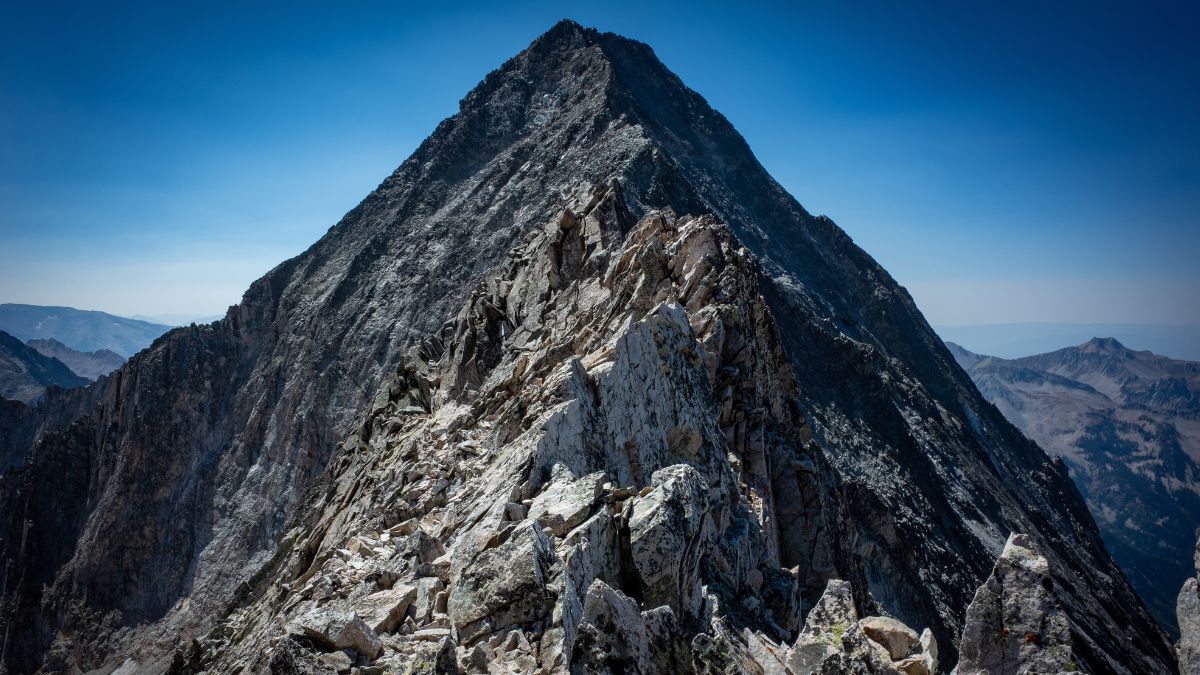
Image Credit: Adam Hodges/Shutterstock.
Capitol Peak is in a remote location and requires significant effort to get to. Its standard route also involves navigating the Knife Edge, a thin ridge that people often cross by placing their hands on one side and their feet on the other and hoping they don’t let go.
Mount Sneffels (San Juan Mountains)– 14,158’
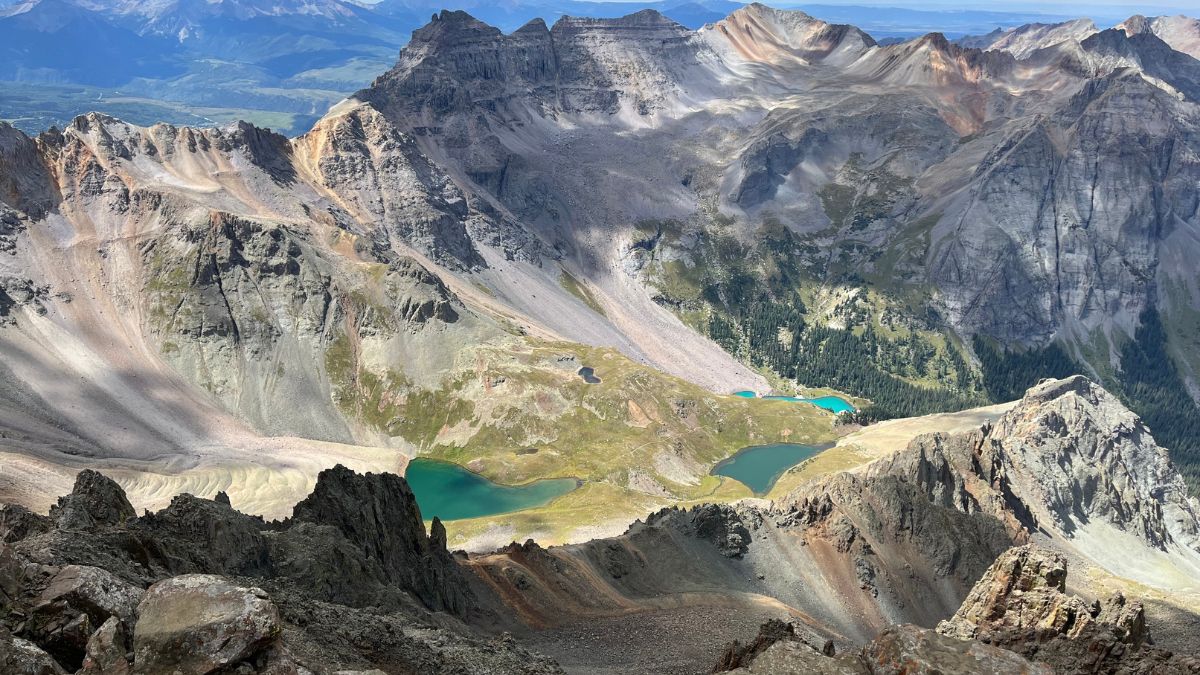
Image Credit: Letsgoforahike/Shutterstock.
The San Juans are Colorado’s largest, most rugged (with competition from the Elks and the Gore Range), and most colorful mountains, and Sneffels is one of its monarchs. The best views of it from paved roads are from the Dallas Divide near Ridgway, but the most popular ways to its summit start near Ouray from Yankee Boy Basin. With a good 4WD vehicle, you can get to the end of the road up the basin, drastically reducing the distance and elevation gain involved in getting to the top.
Wilson Peak (San Juan Mountains)– 14,023’
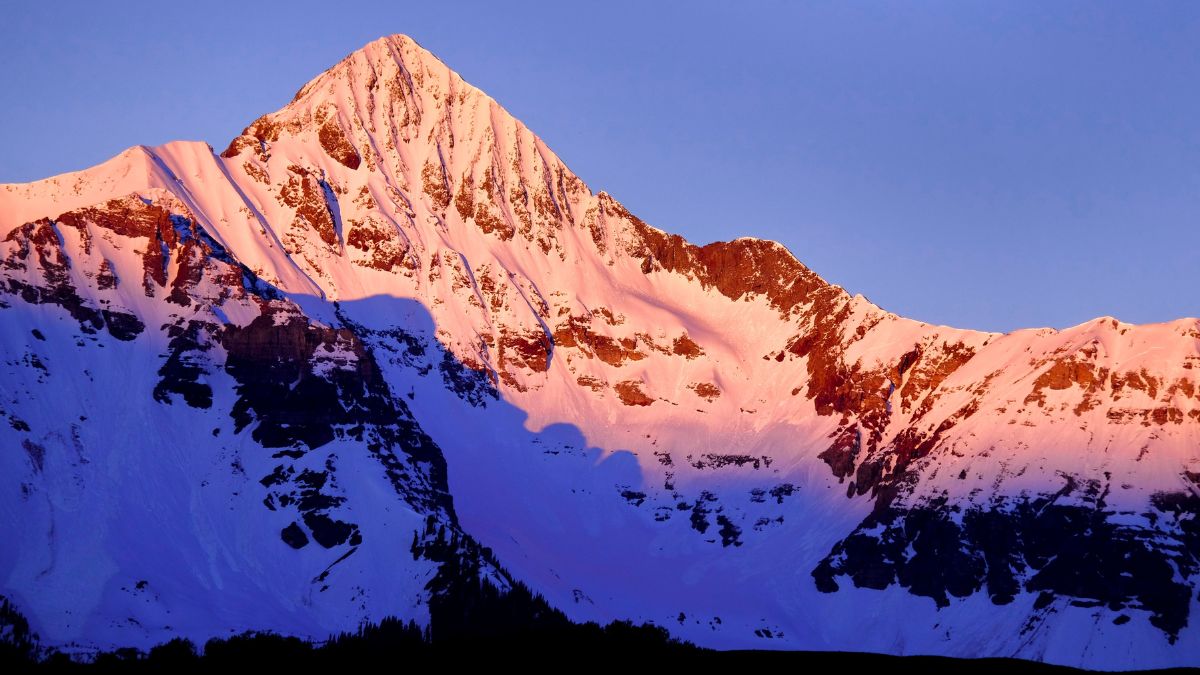
Image Credit: Tobin Akehurst/Shutterstock.
Wilson Peak, which is the mountain featured in the Coors Light logo, has a classical mountain shape; when you drew pictures of mountains as a kid, they probably looked a lot like Wilson Peak. This peak near Telluride has a fun route to the summit that includes some scrambling and exposure.
Uncompahgre Peak (San Juan Mountains)– 14,321’
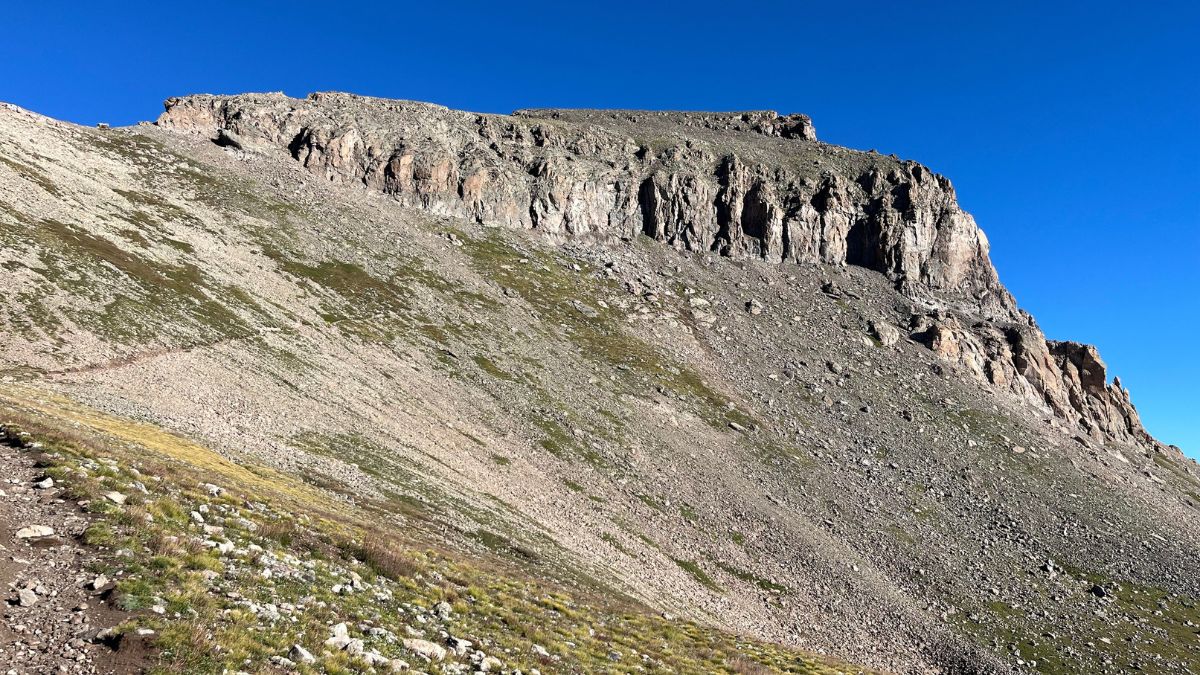
Image Credit: Letsgoforahike/Shutterstock.
The highest peak in the San Juans, Uncompahgre is in a remote setting and has stellar views of the rest of the range. Hiking up it will challenge your legs and lungs, but it isn’t technically difficult. Its broad summit is quite a contrast with its close neighbor, which also happens to be next on this list.
Wetterhorn Peak (San Juan Mountains)– 14,021’
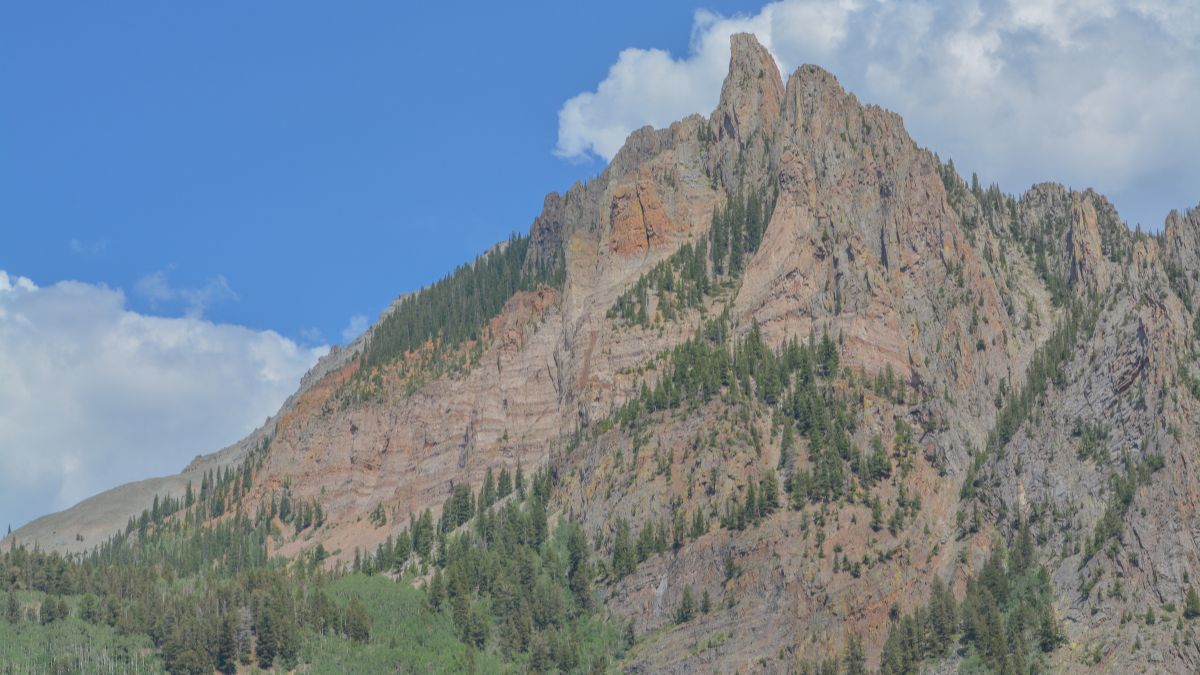
Image Credit: Norm Lane/Shutterstock.
Wetterhorn, named for its resemblance to the more famous Wetterhorn in the Alps, is rated Class 3 and is the first Class 3 peak for many people. Class 3 climbing is also referred to as scrambling, where you use your hands as well as your feet but the terrain is not so steep and falls are not so consequential that most people would choose to rope up.
Blanca Peak (Sangre de Cristo Range)– 14,351’
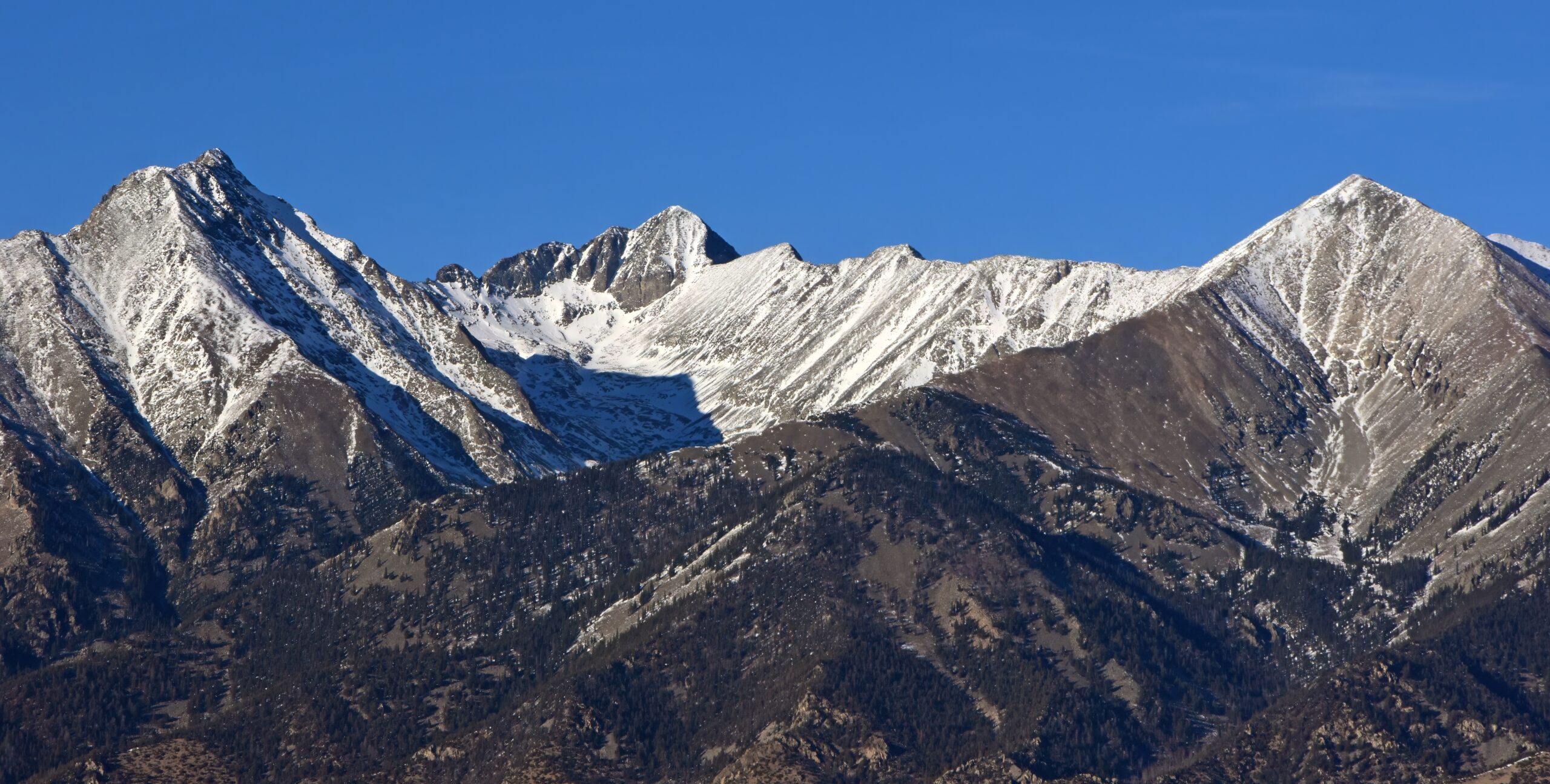
Image Credit: Nina B/Shutterstock.
Blanca is the highest peak of the Sangre de Cristos. It is an impressive peak, a fine summit, and the views do not disappoint. From the top, you can extend your adventure in one of two ways: doing the ridge traverse to fellow 14er Little Bear Peak, which requires technical climbing but is easy enough that most people don’t use ropes; or traversing easier ground to Ellingwood Peak, also a 14er, and basically looping back to your starting point.
Crestone Peak (Sangre de Cristo Range)– 14,300’
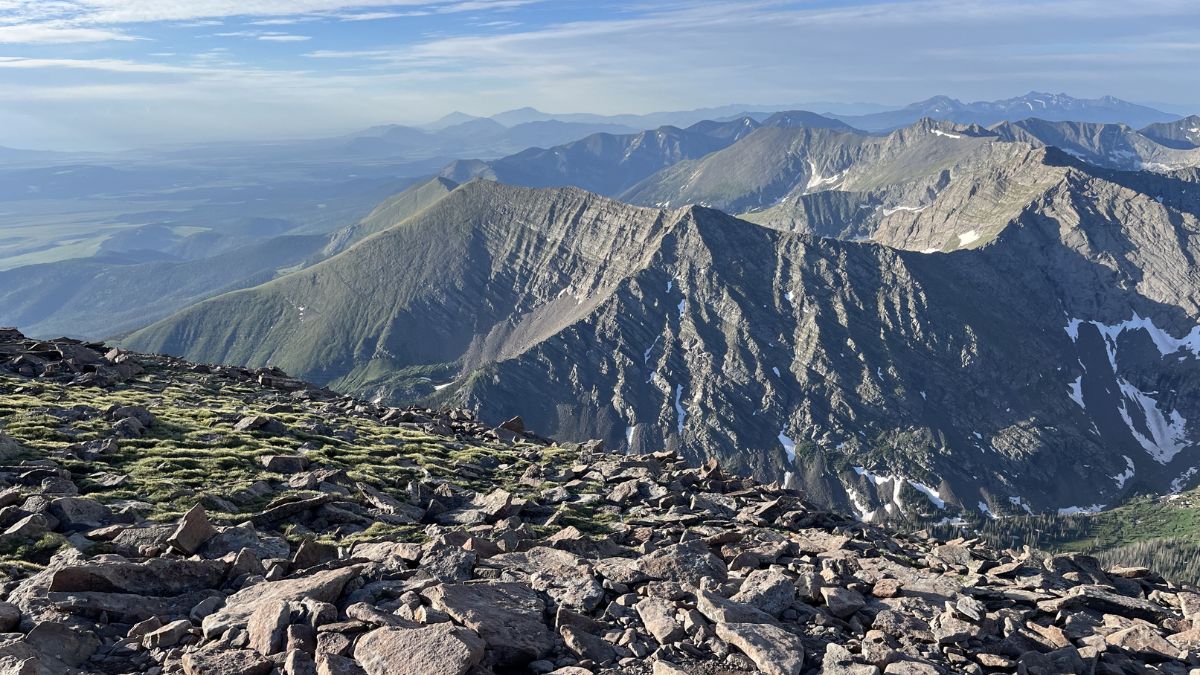
Image Credit: Letsgoforahike/Shutterstock.
The Crestones are a group of peaks that rise above South Colony Lakes in the Sangre de Cristos. Crestone Peak is a monarch among them, and the easiest ways to its top start at Class 3.
Crestone Needle (Sangre de Cristo Range)– 14,203’
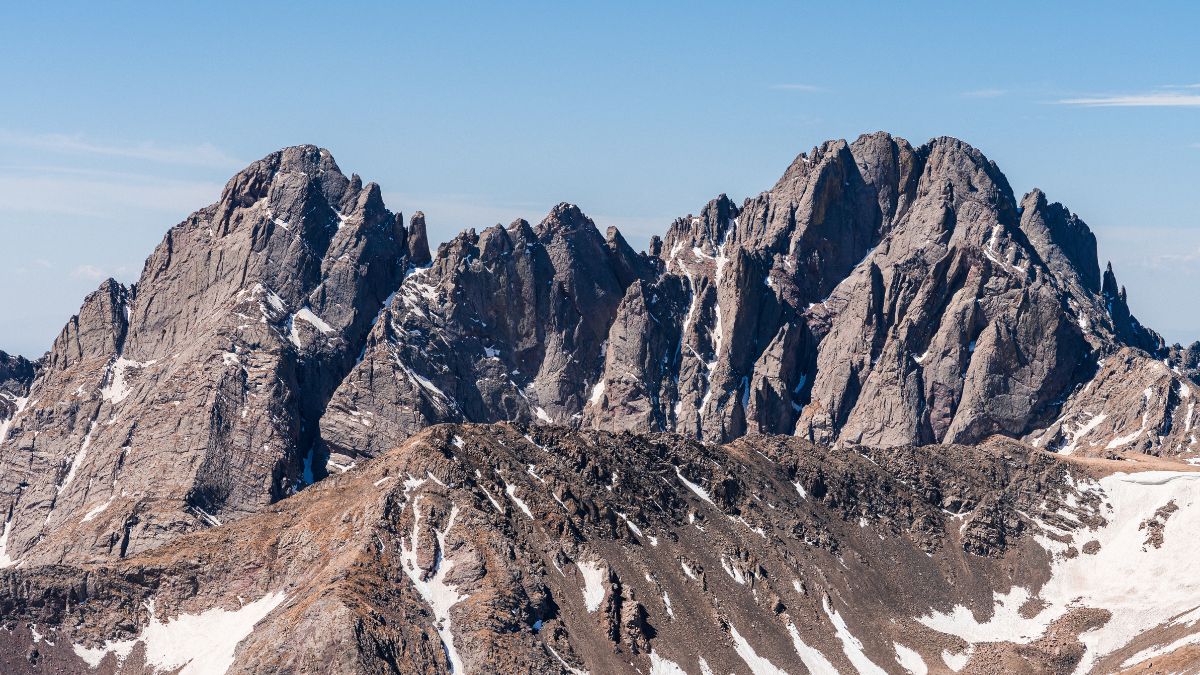
Image Credit: Nicholas Courtney/Shutterstock.
Crestone Needle is connected to Crestone Peak by a ridge, and that ridge traverse is, along with the Maroon Bells traverse and the Blanco-Little Bear traverse, among the 4 classic traverses of the 14ers. If you’re a technical climber, you might be interested in the classic 5.6 route up its eastern face.

Leave a Reply