
Do you like getting lost in the wilderness? Well, maybe not lost lost, but definitely away from everything and off the grid. If you do, these national parks offer wonderful opportunities for just that, so make some plans, grab your gear, and get going!
Gates of the Arctic, Alaska
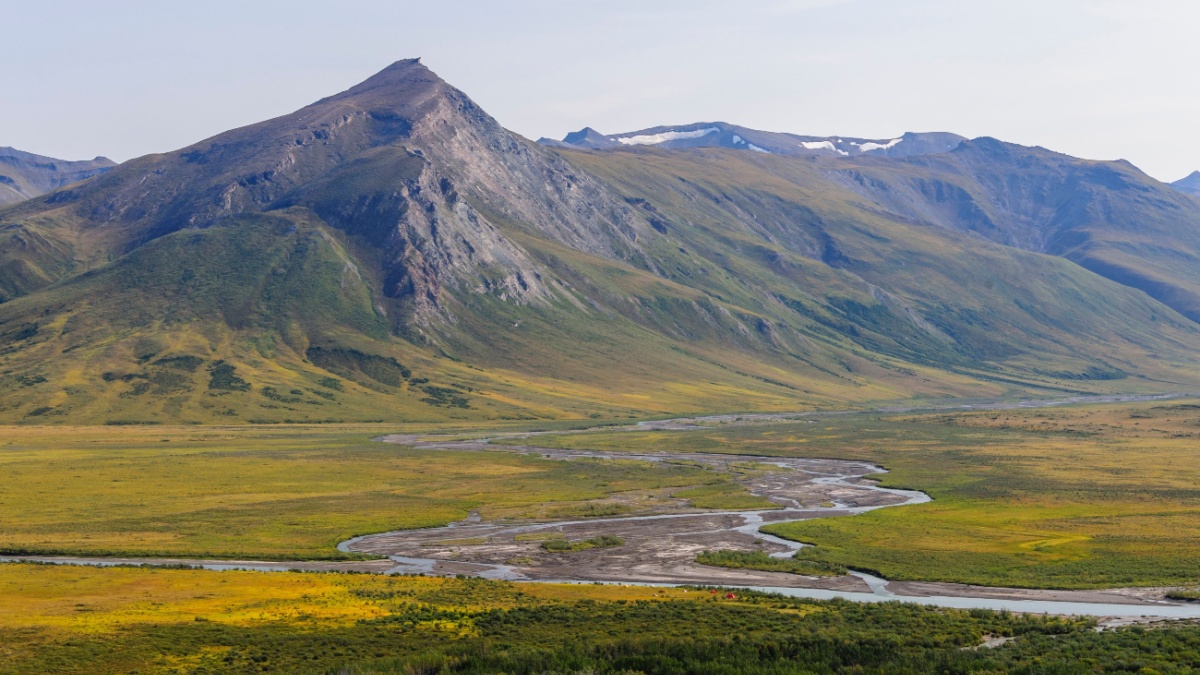
Image Credit: Danita Delimont/Shutterstock.
Gates of the Arctic is north of the Arctic Circle, there are no roads to it, and it’s the second-largest national park in the country. These factors help make it practically the ultimate national park for extended backcountry adventures.
Kobuk Valley, Alaska
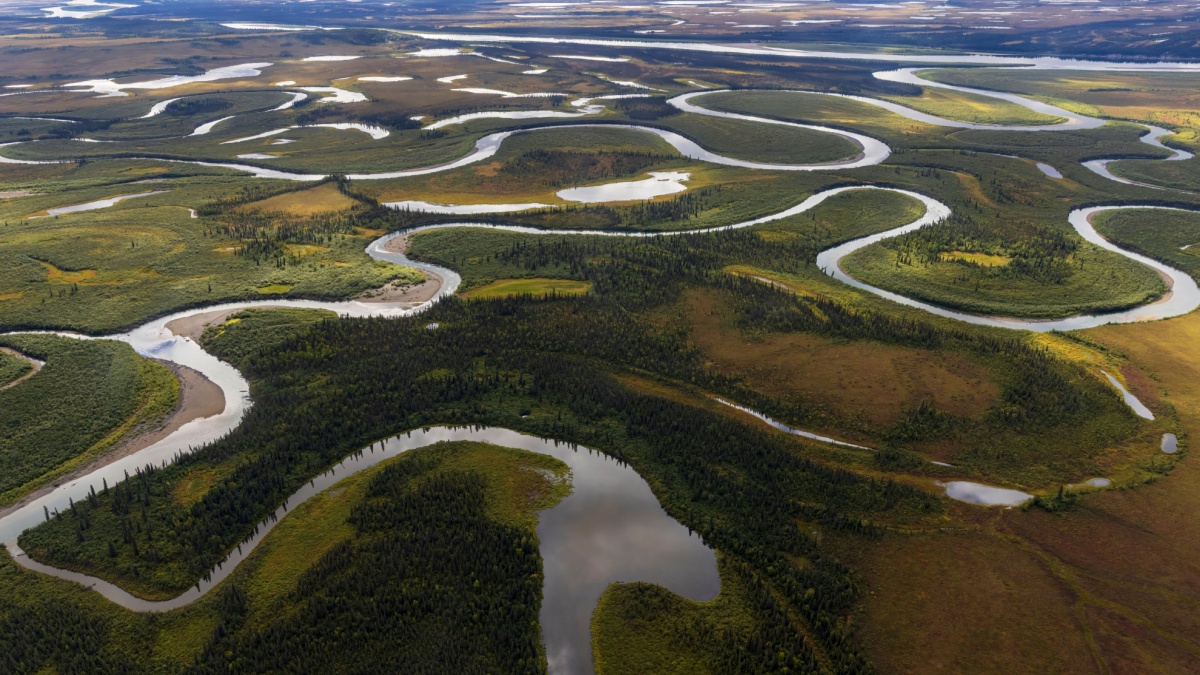
Image Credit: BlueBarronPhoto/Shutterstock.
Kobuk Valley is our other national park entirely within the Arctic. Like Gates of the Arctic, it has no roads accessing it. This makes it one of the least-visited national parks and thus another prime place for epic backcountry trips.
North Cascades, Washington
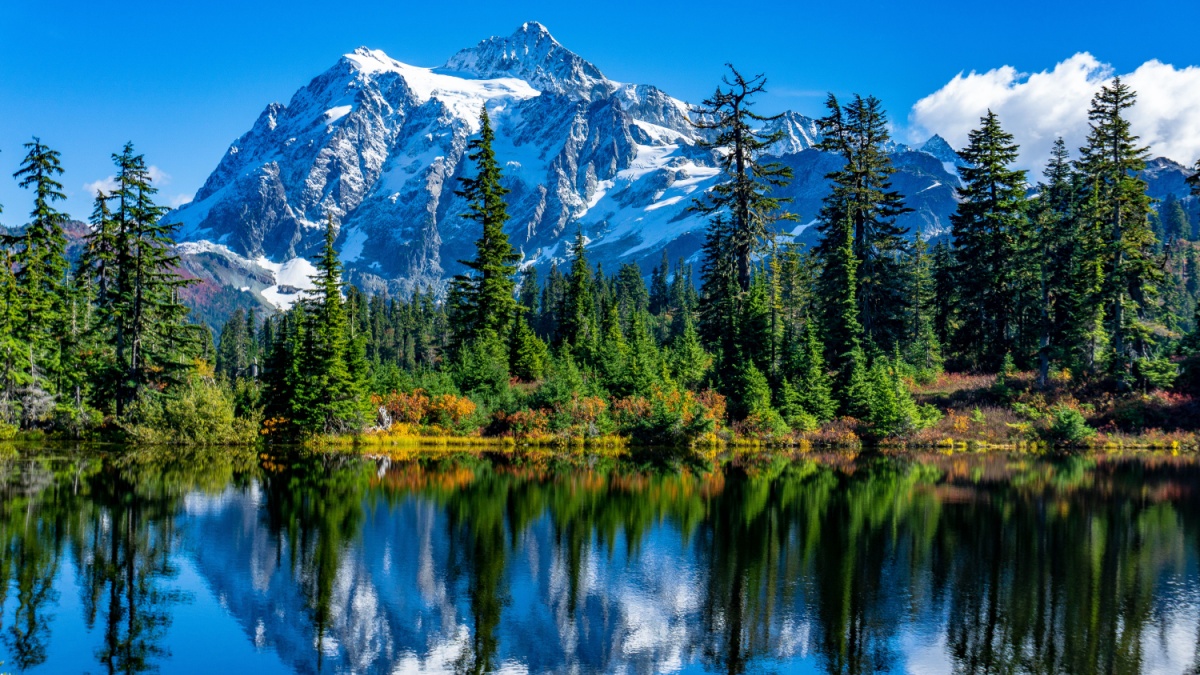
Image Credit: Tim Maturo/Shutterstock.
Most national parks have at least one scenic route through them that emphasizes many of the highlights. North Cascades is a major exception, and actually, very little of the park is visible from roads except from afar. It’s a true park for hikers and has miles and miles of opportunities for long backpacking journeys.
Mount Rainier, Washington
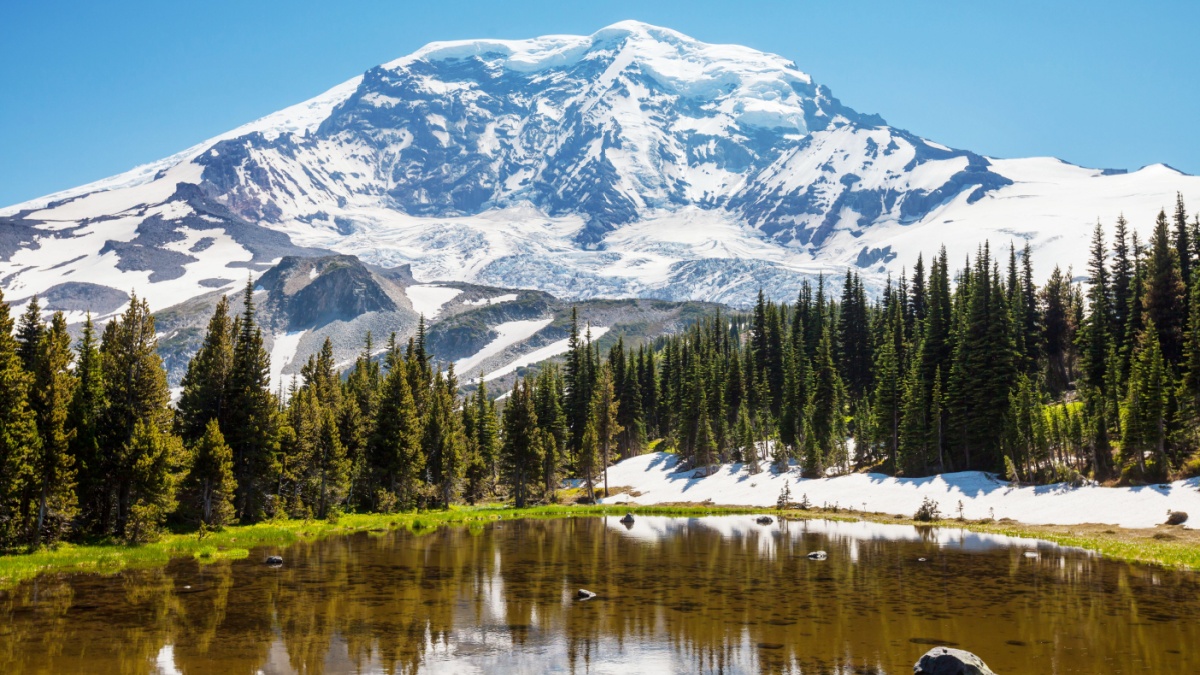
Image Credit:Galyna Andrushko/Shutterstock.
Most visitors to this park just drive the main roads and get out at some of the major attractions to take pictures. However, it also has the 93-mile Wonderland Trail, a loop that circumnavigates the park’s namesake peak. In all, it involves more than 22,000’ of elevation gain and takes most people 1-2 weeks to complete.
Yosemite, California

Image Credit: f11photo/Shutterstock.
Despite the crowded trails and parking lots of Yosemite Valley and Tuolumne Meadows, Yosemite has a lot of pristine backcountry, especially in the High Sierra portions accessed from the Tioga Pass area. Yosemite Valley is also the northern end of the John Muir Trail, a 211-mile trail connecting Yosemite with Mt. Whitney, the highest peak in the Lower 48.
Sequoia-Kings Canyon, California
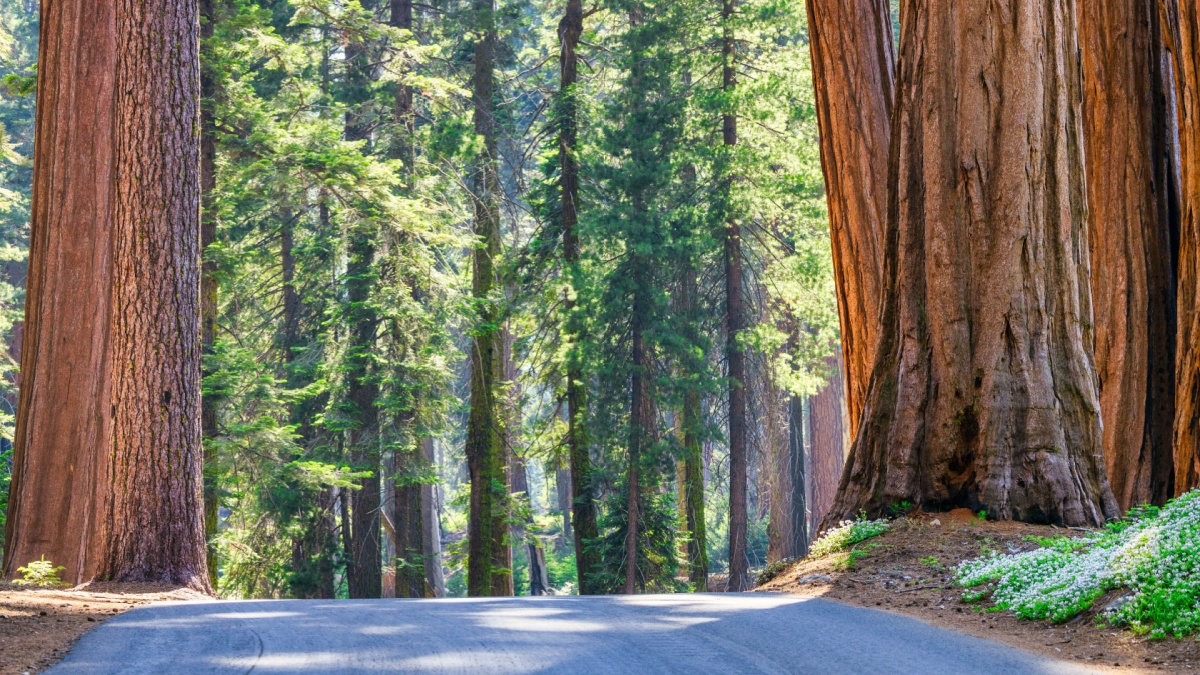
Image Credit: Lebid Volodymyr/Shutterstock.
The western side of these contiguous parks are easily accessible for people interested in scenic overlooks and groves of giant sequoia trees, the largest trees on Earth. However, the mountainous interior is harder to appreciate without lacing up the hiking boots. Some of the best access is from Eastern Sierra locations such as Whitney Portal, Onion Valley, and South Lake.
Glacier, Montana
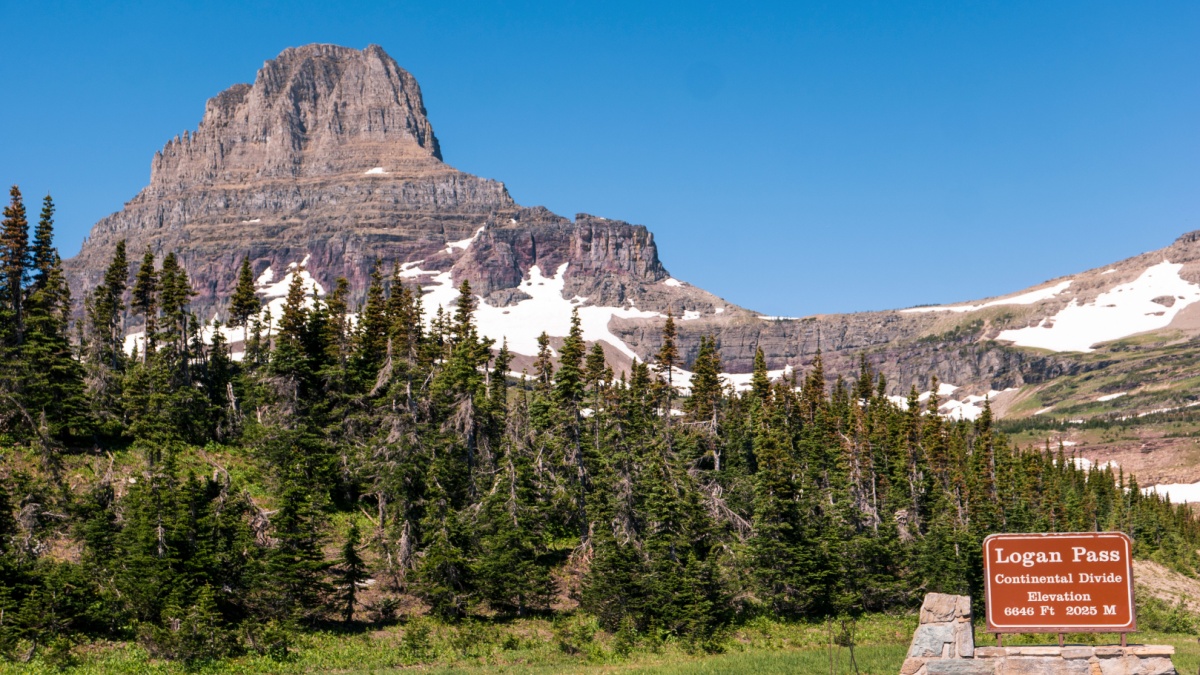
Image Credit:chamski/Shutterstock.
This magnificent park on the Canadian border has virtually limitless options for lengthy trips into the wilderness. One of the best is the Highline Trail, which has one end at Logan Pass and runs for nearly 20 miles at, above, or near timberline from there. You’re never without spectacular views.
Yellowstone, Idaho-Montana-Wyoming
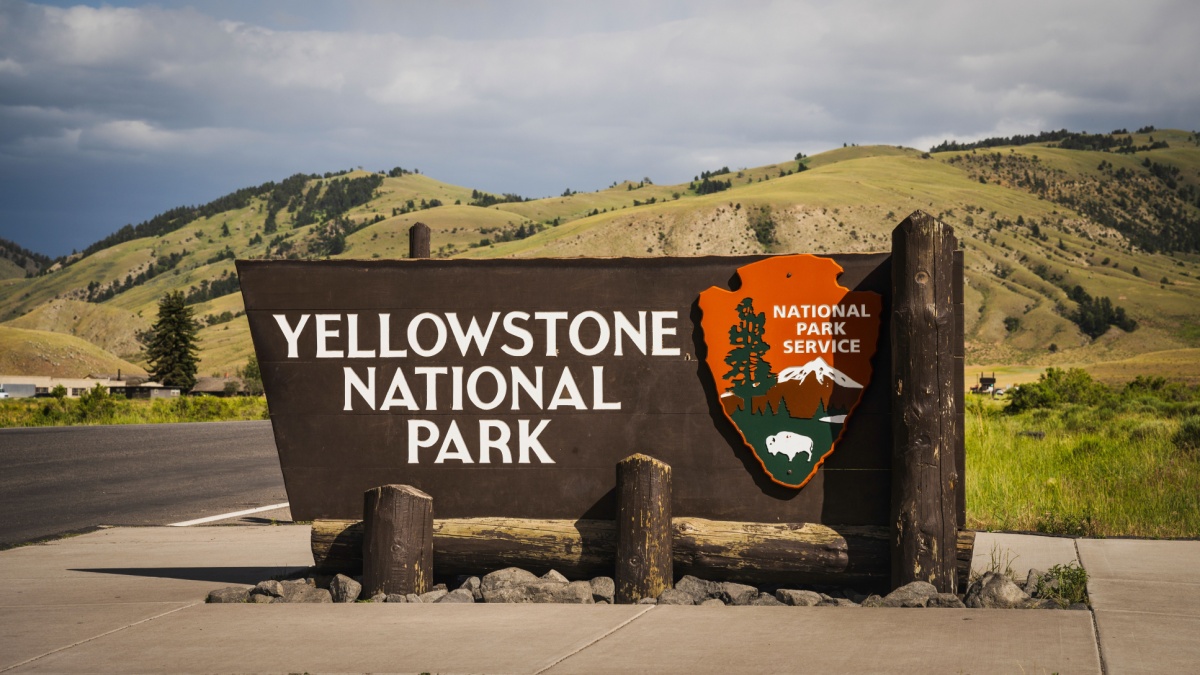
Image Credit: NayaDadara/Shutterstock.
For a lot of people, Yellowstone conjures images of “wildlife jams,” traffic standstills that can stretch for miles when a driver sees an animal and just stops in the middle of the road to watch it, and tour buses unloading dozens of travelers at the geyser basins. Despite that, much of the park has some of the wildest and remote terrain in the country, made even more so in many cases by abutting federally designated wilderness areas.
Grand Teton, Wyoming
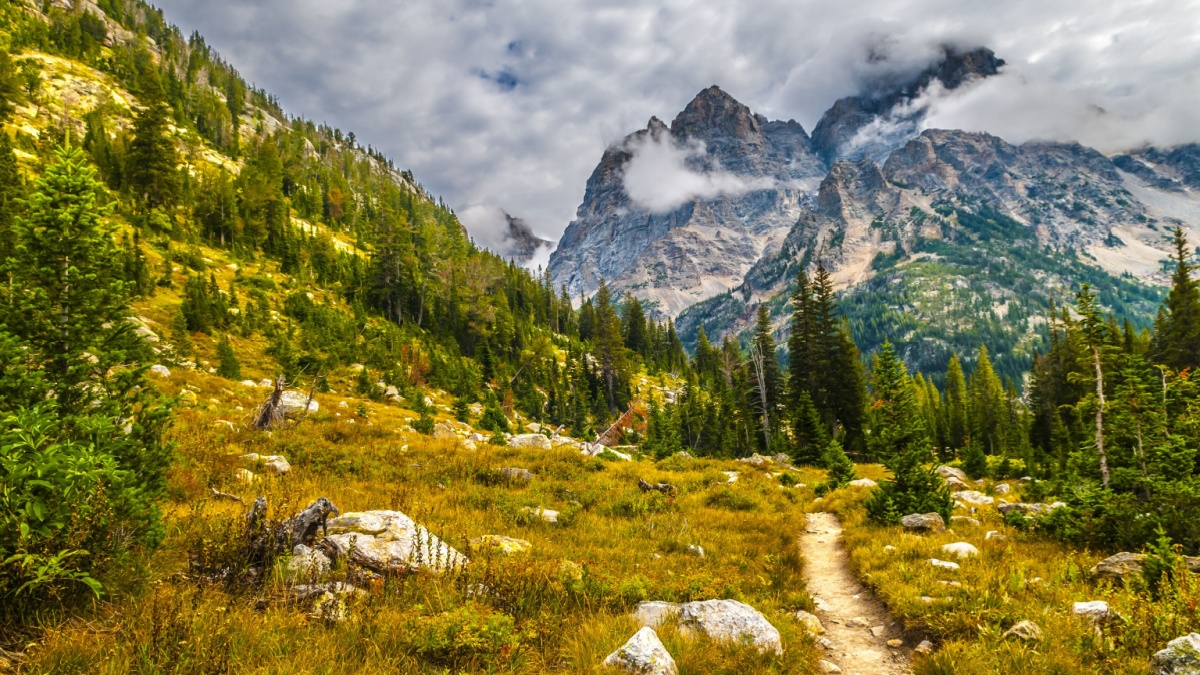
Image Credit: Kris Wiktor/Shutterstock.
Most visitors stop at the overlooks and maybe do some short hikes. Some even take the boat shuttle across Jenny Lake for the short hike to Hidden Falls and/or the pretty short hike to Inspiration Point. The vast majority never get into the interior of these iconic peaks. If you want to, try the Teton Crest Trail, Cascade and Paintbrush Canyons, or Alaska Basin.
Rocky Mountain, Colorado
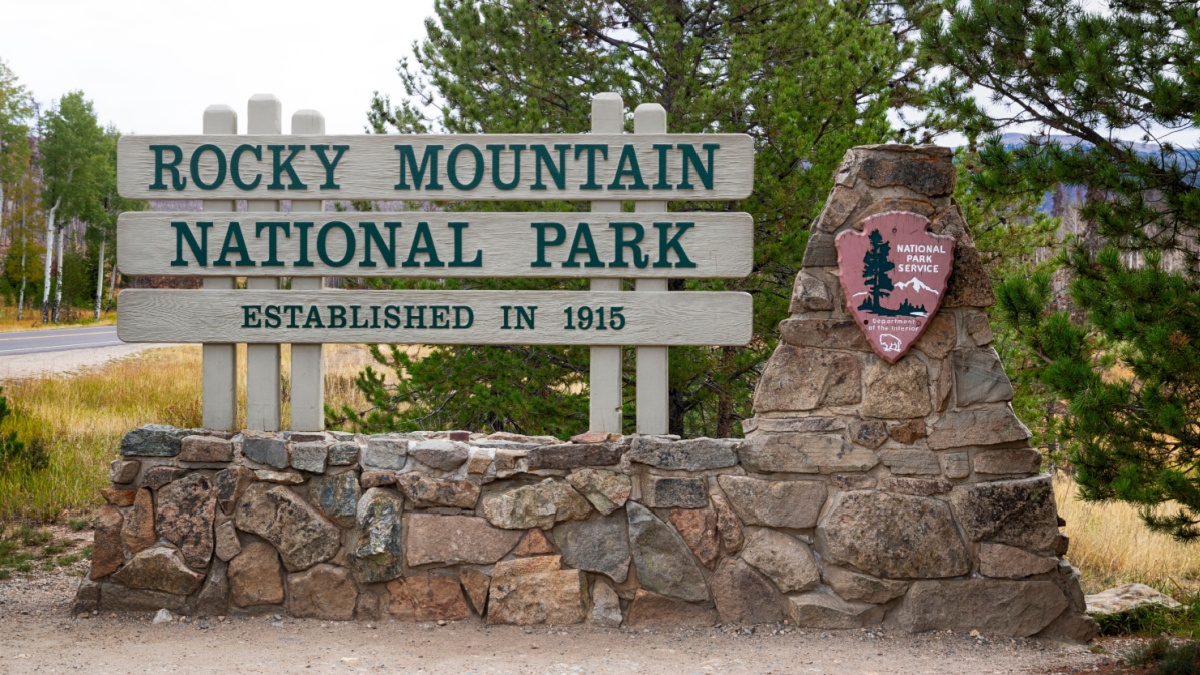
Image Credit:Jamie Carroll/Shutterstock.
The country’s fourth most-visited national park is a lot less crowded once you’ve loaded up a backpack and gotten past the turnaround points for most day hikers. There’s an abundance of wild and seldom-visited terrain out there, and the high elevations make creative cross-country adventures easier to pull off since there’s less forest to deal with up there.
Guadalupe Mountains, Texas
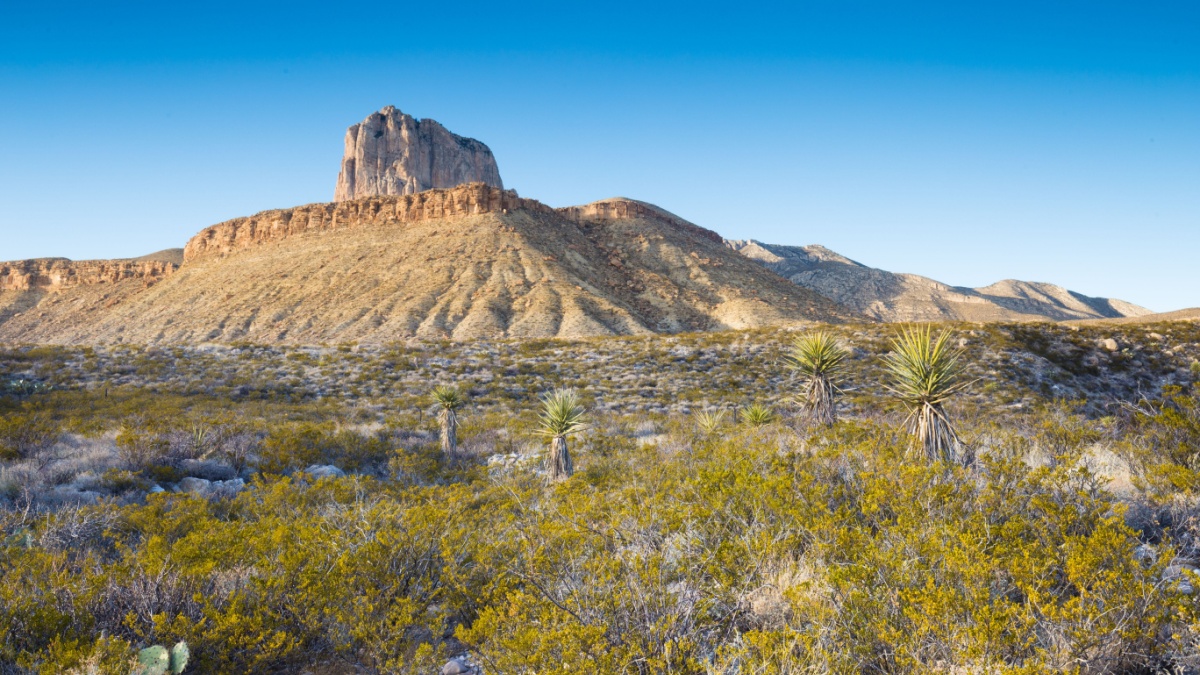
Image Credit:Brendan van Son/Shutterstock.
Like North Cascades, Guadalupe Mountains is a national park with roads running past it but not really through it. It’s therefore really a hiker’s park if you really want a good feel for it, and an extended trip into it will reveal views that almost no one else ever sees.
Shenandoah, Virginia
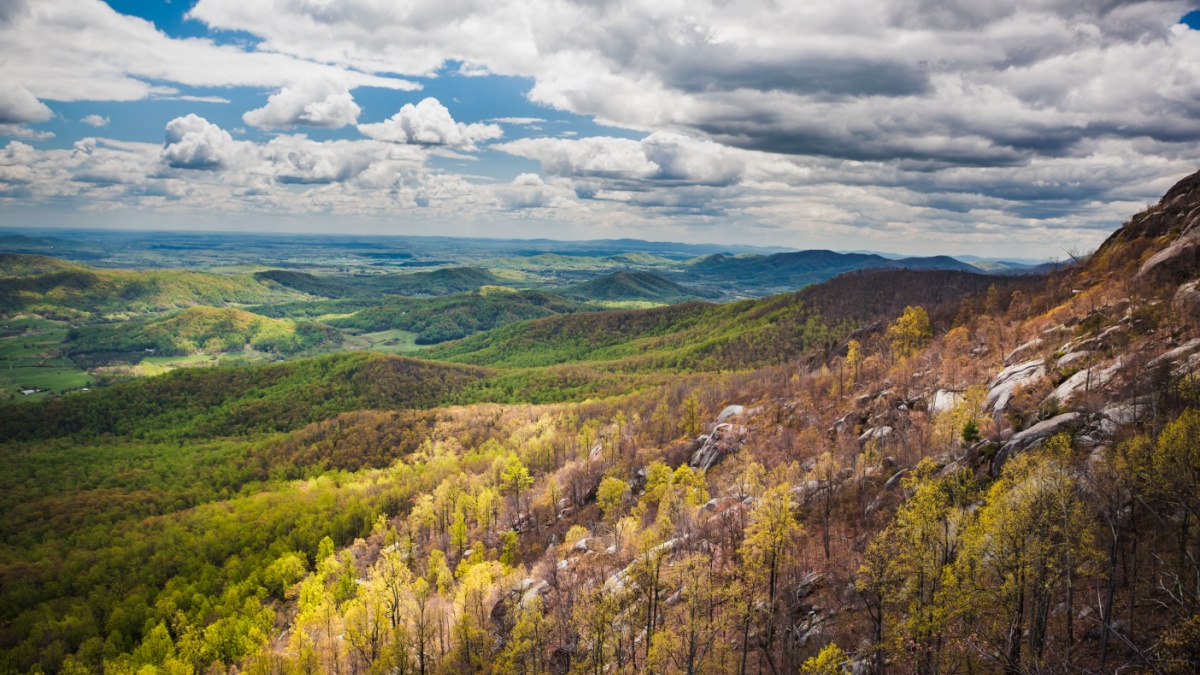
Image Credit: eurobanks/Shutterstock.
Shenandoah is a narrow park, but it has so many trail systems that it’s easy to create an itinerary covering at least a week’s worth of hiking. It’s also host to about 100 miles of the legendary Appalachian Trail, which mostly follows the crest of the Blue Ridge Mountains north-south in the park.
Great Smoky Mountains, North Carolina-Tennessee

Image Credit: James Robert Smith/Shutterstock.
Great Smoky Mountains is the most heavily visited national park in the country, but it’s also large enough to have a lot of backcountry trails that see relatively few feet. Like Shenandoah, it has the Appalachian Trail running along most of its crest and connecting some of its highest peaks.

Leave a Reply