
Most lovers of the outdoors really enjoy seeing wildlife, and in the U.S., perhaps no other animal captures the imagination and attention of people the way bears do. Many relish the prospect of seeing one as long as it’s not too close of an encounter.
Coming up are some places around the country where you have good chances of seeing bears. Just remember to never feed them and always keep a safe distance away (at least 100 yards is the standard recommendation if you’re not in a car), especially if they’re feeding or have cubs present.
Most bears are shy and will run away if you encounter them, but they are still large, powerful, and dangerous animals that have attacked and killed many people.
Yosemite National Park, California
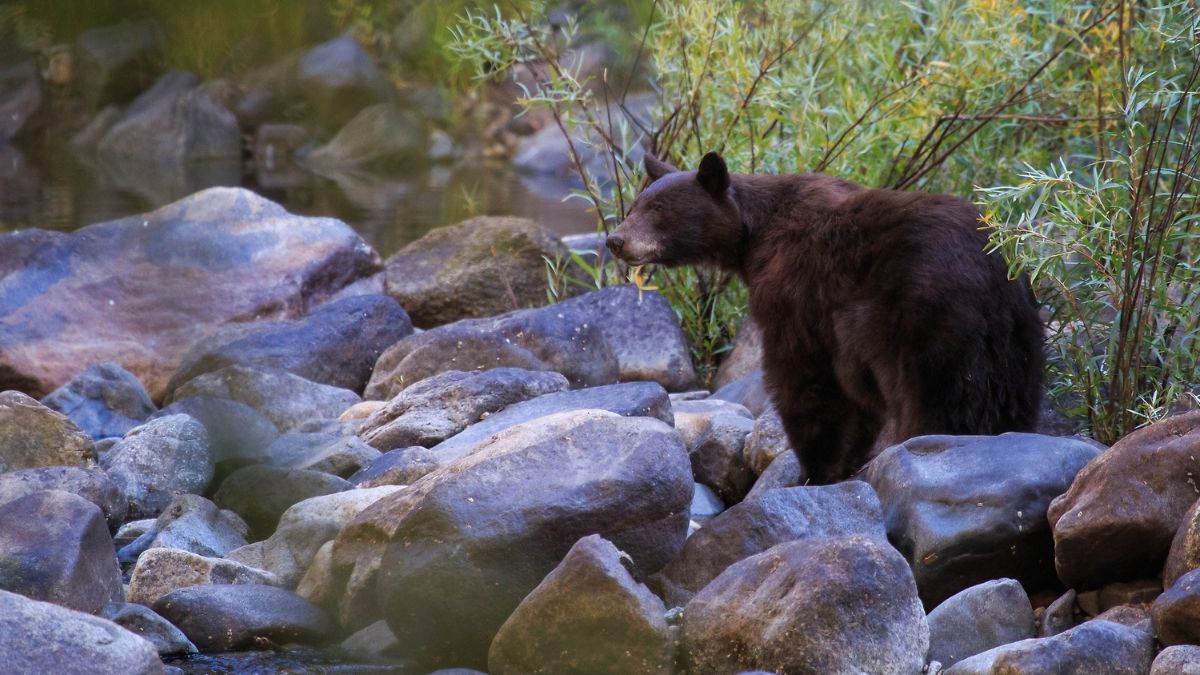
Image Credit: Losonsky/Shutterstock.
Black bears inhabit the Sierra Nevada, and sightings of them are common in the wilderness and in Yosemite Valley. All campgrounds have special food-storage requirements to keep bears away from human food and losing their natural fear of people, which leads to bad results such as maulings and having to kill “problem bears,” which are usually the result of poor practices by people.
Many Glacier Valley, Montana
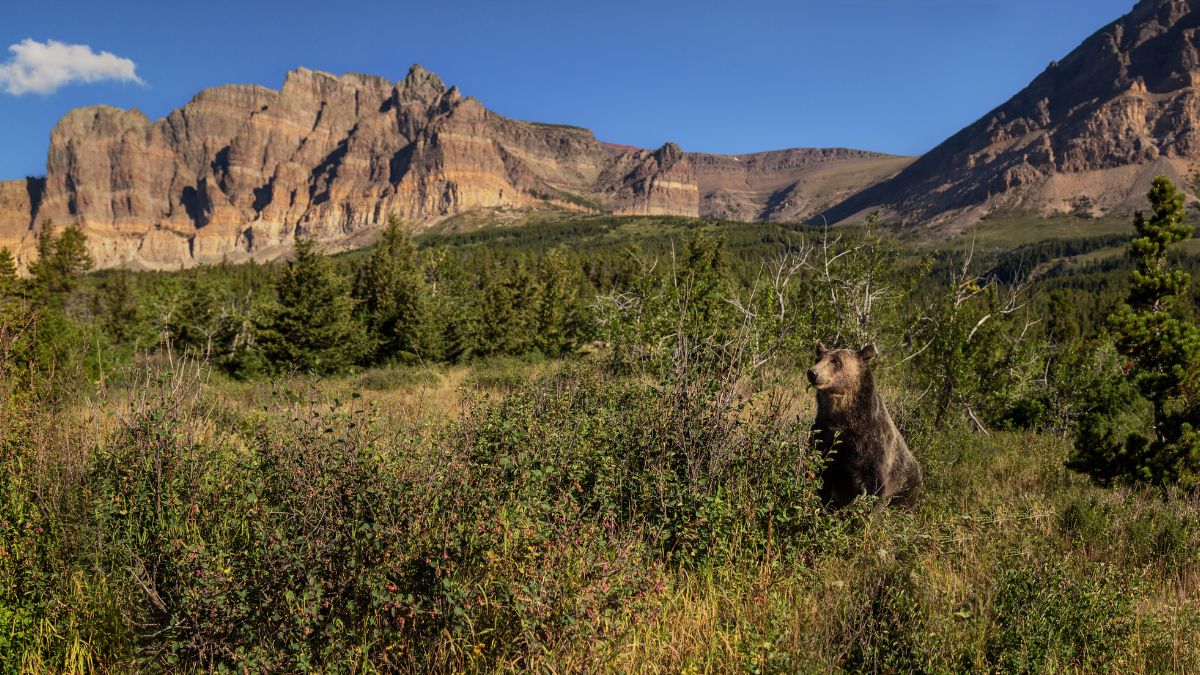
Image Credit: Saptashaw Chakraborty/Shutterstock.
All of Glacier National Park is prime habitat for both black and grizzly bears, but the Many Glacier area has the most sightings of them from both trails and roadsides. In fact, a popular activity is enjoying a beverage on the deck of the Many Glacier Hotel while scanning the mountainsides across the road for bear activity.
Bob Marshall Country, Montana
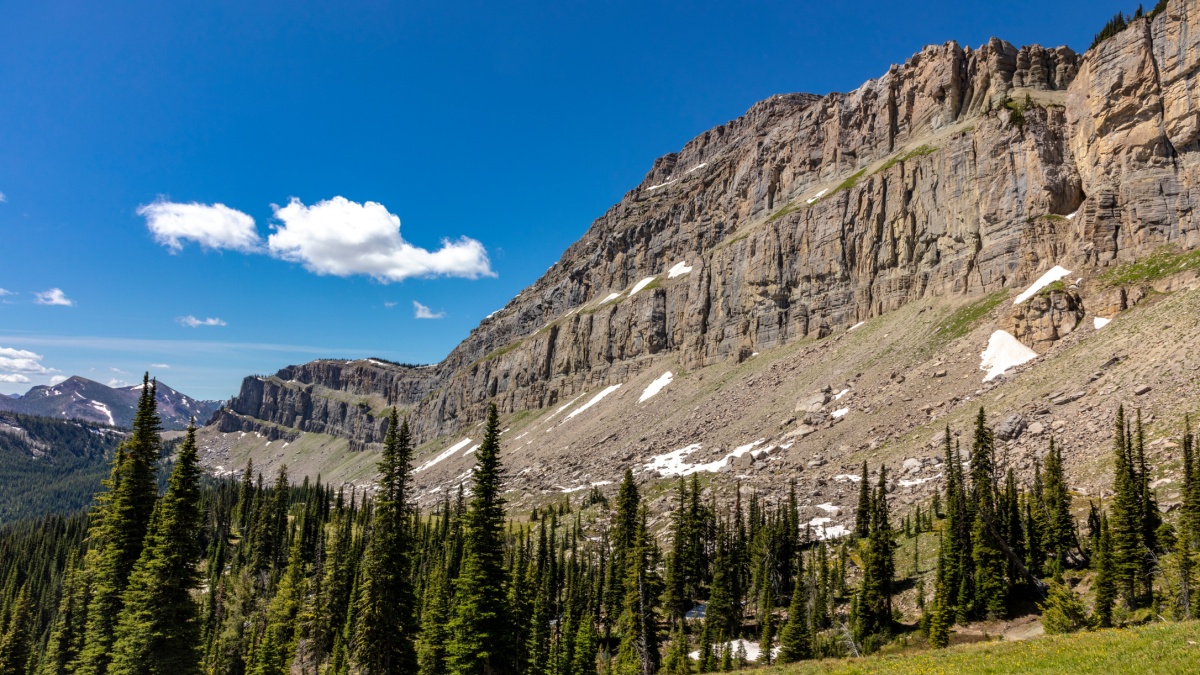
Image Credit: Danita Delimont/Shutterstock,
Directly south of Glacier National Park is one the largest roadless areas in the country– the Bob Marshall Wilderness Complex. It consists of three contiguous wilderness areas, the northernmost of which is the Great Bear Wilderness, a reference to the grizzlies. The entire complex has a thriving population of black and grizzly bears.
Beartooth Highway, Montana-Wyoming
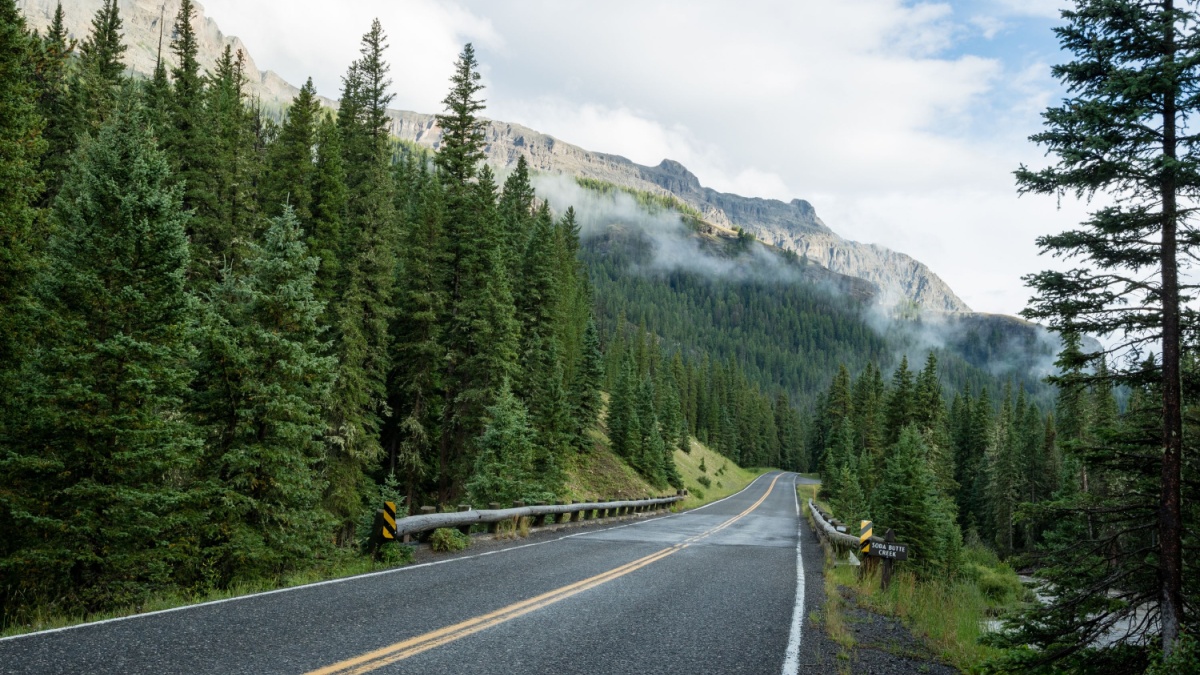
Image Credit:Sam Spicer/Shutterstock.
Black and grizzly bears live in the mountains here, and they’re frequently seen stuffing themselves with wildflowers in meadows during the summer. Bear activity and troubles related to it have been so frequent here that some area campgrounds have closed or are open to hard-sided vehicles only (no tent camping).
Absaroka Range, Wyoming
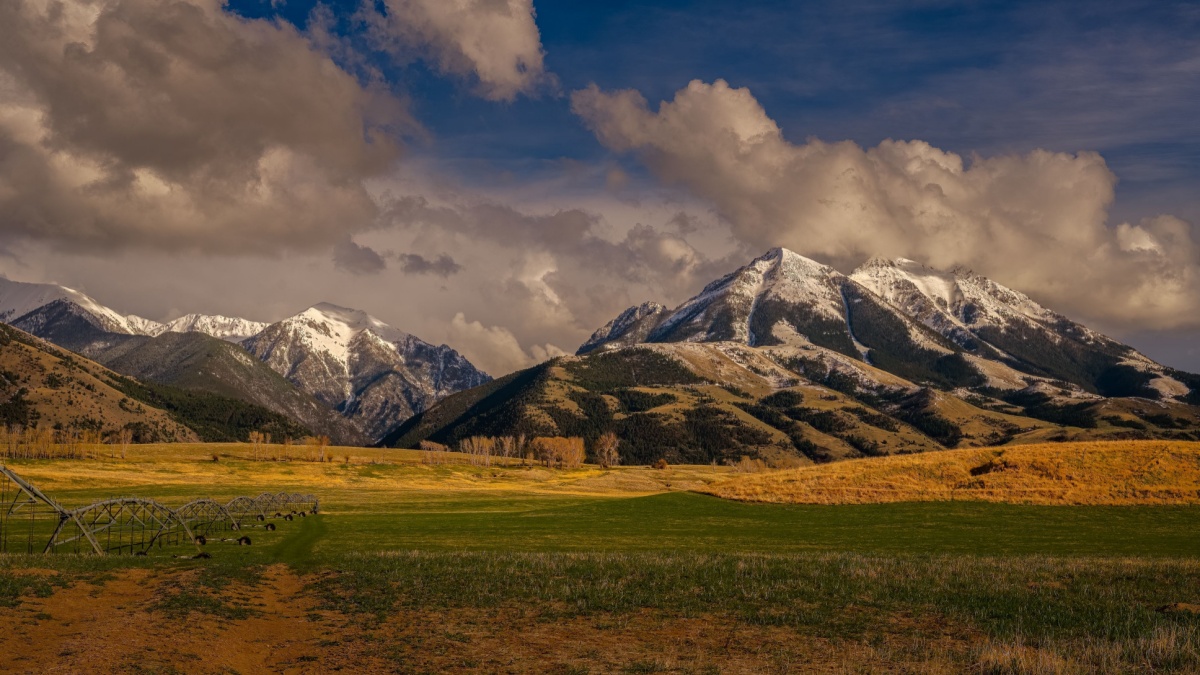
Image Credit: Michael J Magee/Shutterstock.
Some locals call the Absarokas “Bear Central” because they’re so thick with bears, especially with grizzlies, which are larger, stronger, more carnivorous, and more dangerous than black bears are. Any trip into the backcountry is highly likely to include a bear sighting, but if you want a decent chance of a roadside sighting, try Togwotee Pass or nearby Brooks Lake in the southern part of the range.
Yellowstone and Grand Teton National Parks, Wyoming
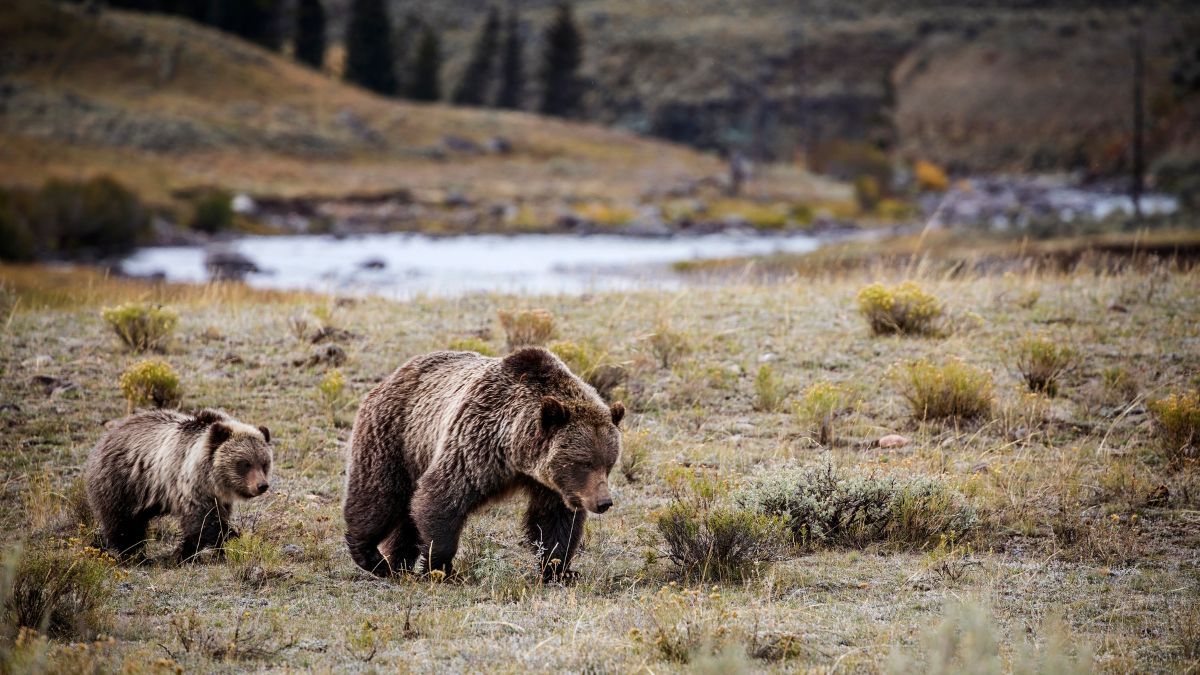
Image Credit: Ben Wickham/Shutterstock.
Yellowstone is infamous for its “bear jams,” roadside bear sightings (black and grizzly) that bring traffic to a halt and inspire all kinds of irresponsible behavior, including instances of parents placing their children beside cubs for a photo-op. In Grand Teton, most sightings are from trails in the high country, but early and late in the season, when the alpine heights are under snow, you have a better chance of seeing them in the valley and from roads.
Big Bend National Park, Texas
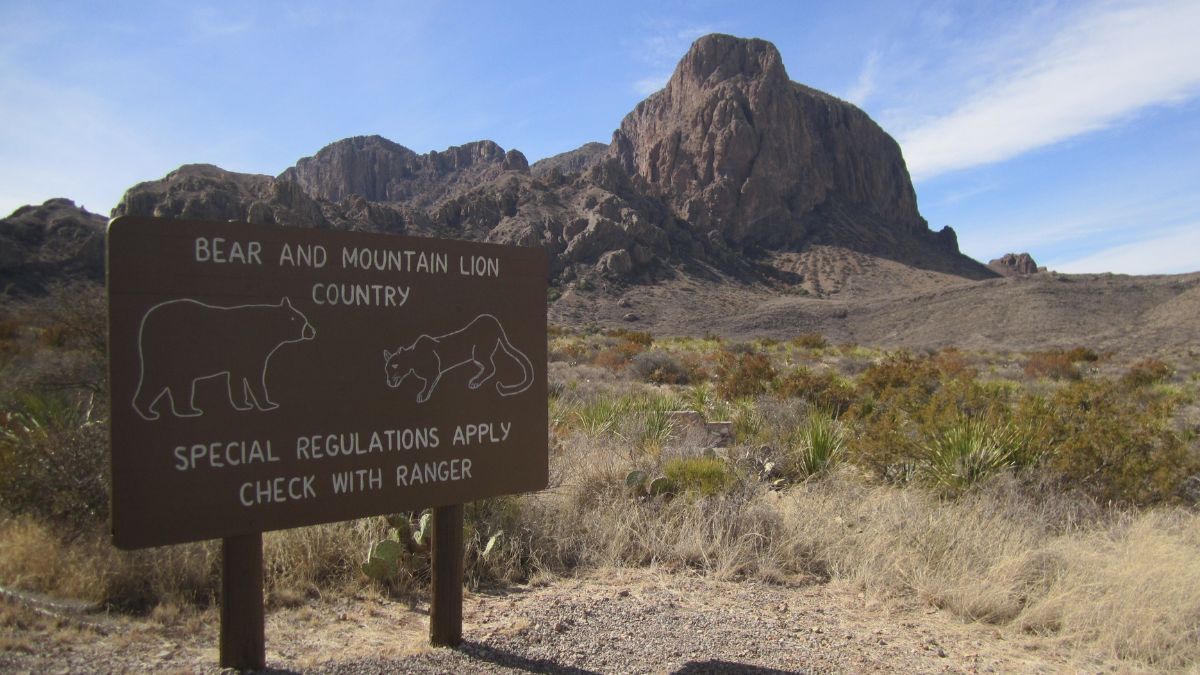
Image Credit: Eric Poulin/Shutterstock.
More than a century ago, black bears were abundant in the Chisos Mountains, part of what is now Big Bend National Park, but in less than 50 years, they were all but gone due to hunting, trapping, shooting, and habitat loss. With better protections and efforts at habitat restoration, the population has rebounded, and black bears are now a common sight in these mountains.
Great Smoky Mountains National Park, North Carolina-Tennessee
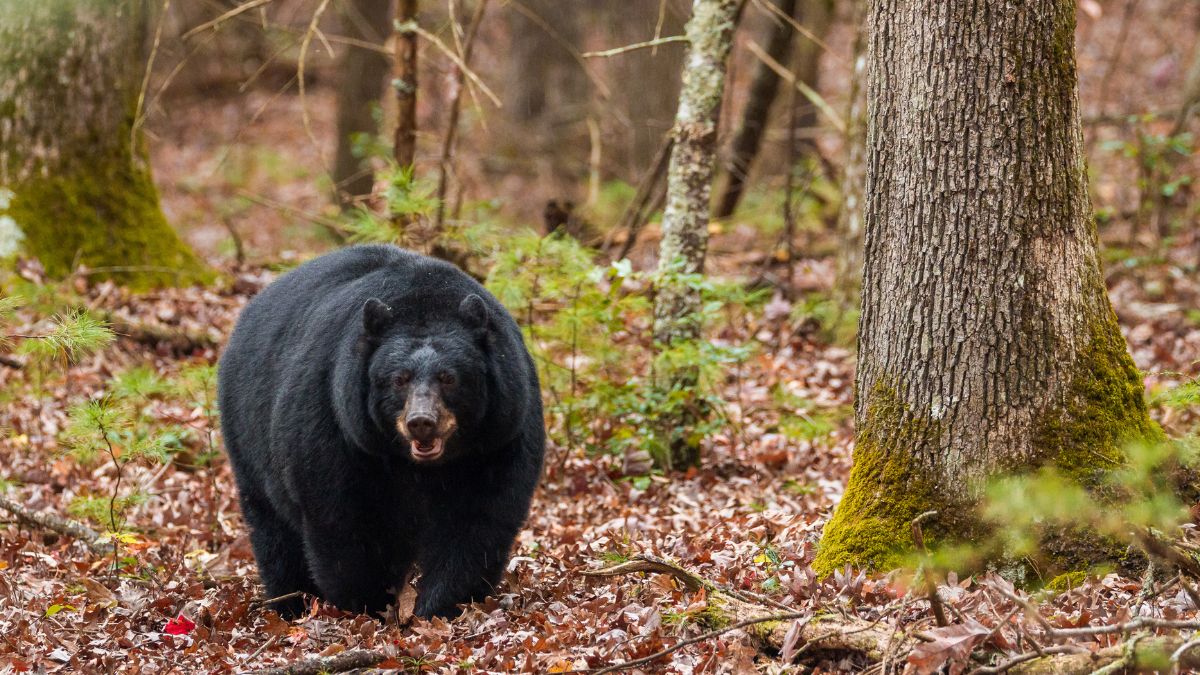
Image Credit: JacobLoyacano/Shutterstock.
The forests and slopes of the region in and around the Smokies provide excellent habitat for black bears. As in Yosemite, land managers have turned to special food-storage methods to keep both bears and people safe from one another.
Shenandoah National Park, Virginia
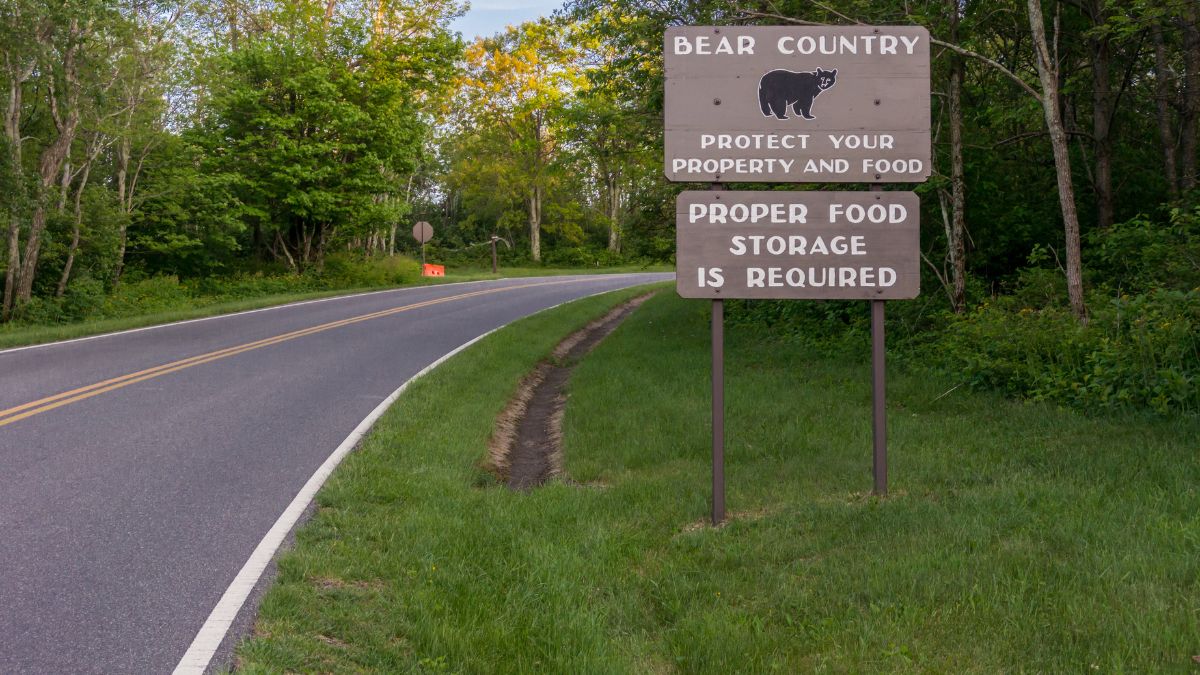
Image Credit: Kelly vanDellen/Shutterstock.
Shenandoah has one of the densest populations of black bears in the country, and it also has special food-storage requirements. I lived near Shenandoah for a long time and made many visits there, and I saw bears from the road, from trails, and even once from my tent as one passed right by my screen window one morning in the backcountry!
Adirondack Mountains, New York
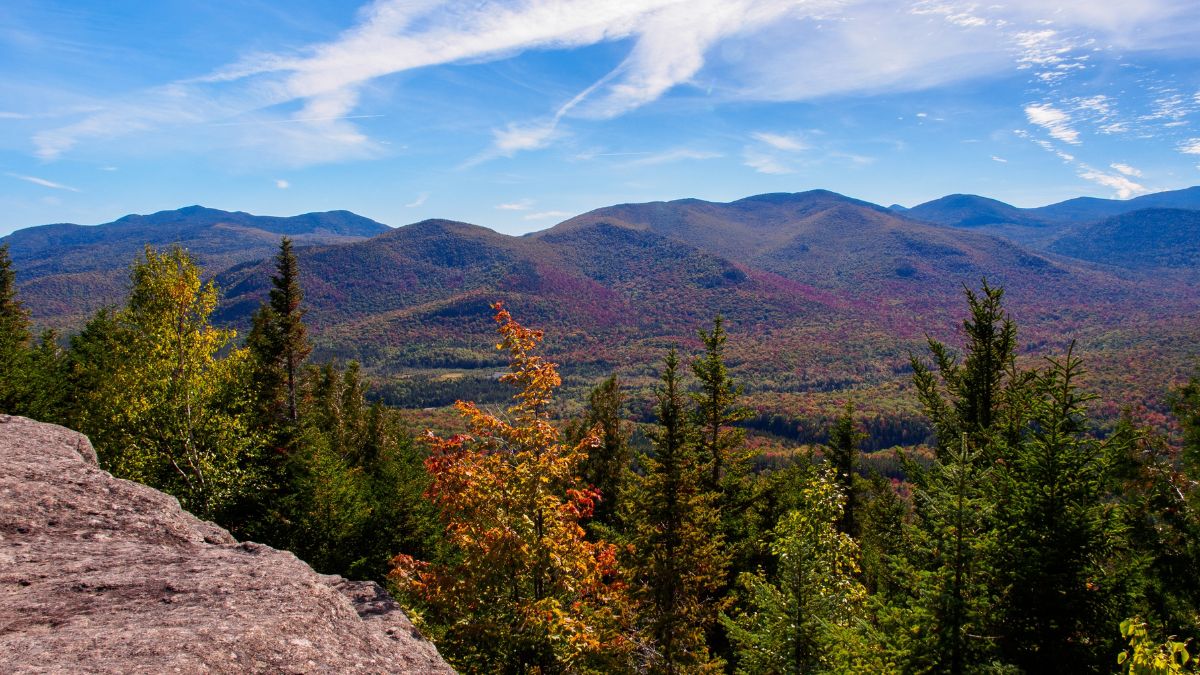
Image Credit: Karlsson Photo/Shutterstock.
This vast area in Upstate New York has a lot of black bears. It has a lot of smart ones, too; one year, there was a bear that figured out how to open bear canisters, cylindrical food-storage containers popular with campers and which are supposed to be bear-proof. There was another case where a bear learned how to open car doors, so lock those doors!
Baxter State Park, Maine
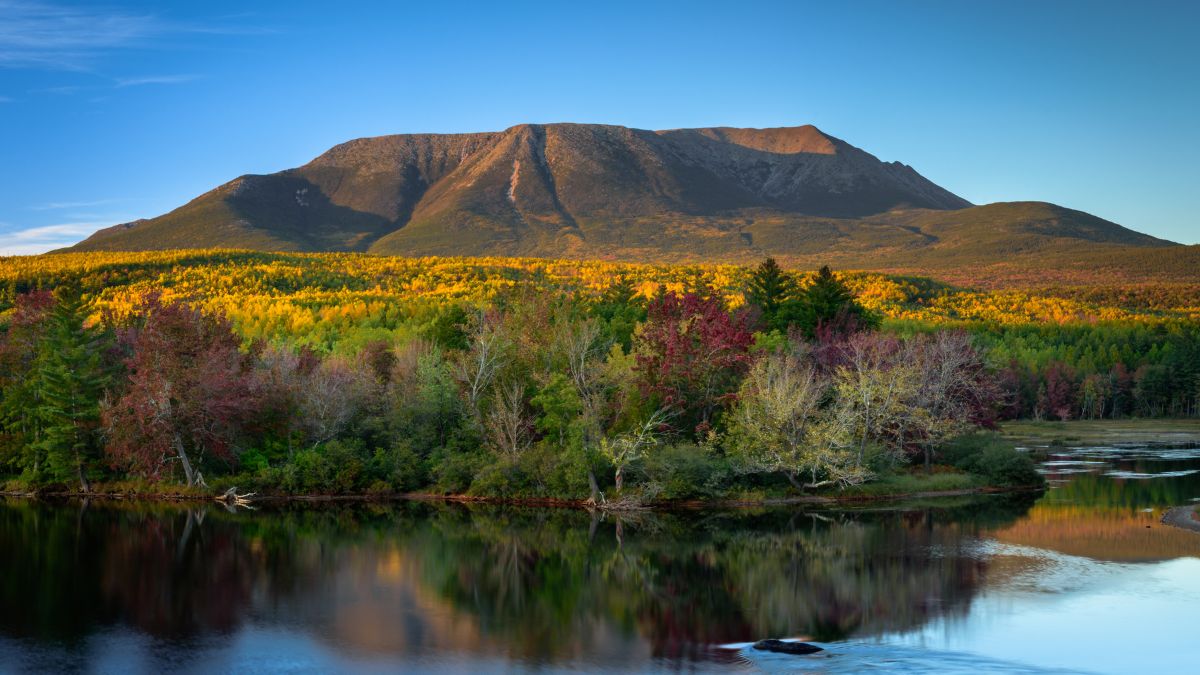
Image Credit: James Griffiths Photo/Shutterstock.
Baxter is a large wilderness area containing Maine’s highest peak and a lot of great habitat for black bears. Since most park roads are just for getting to campgrounds and trailheads, you’re going to have better luck seeing a bear if you go for a hike, but they’re out there.
Denali National Park, Alaska
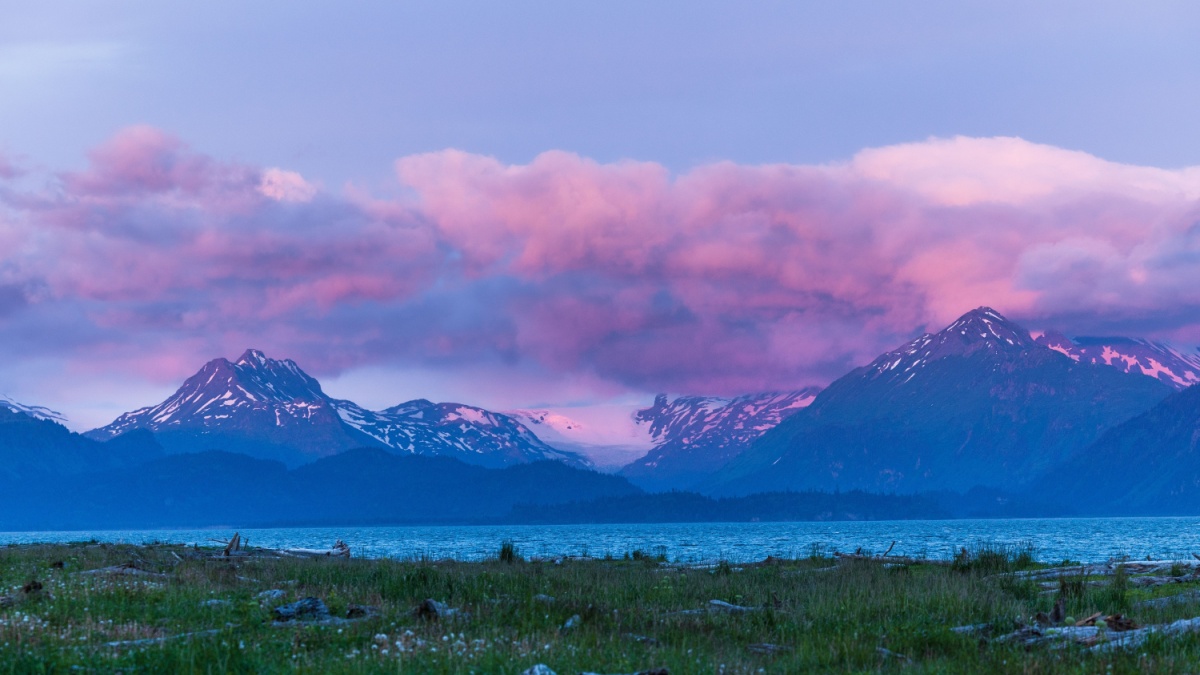
Image Credit: Miroslav Srb/Shutterstock.
Denali is one of the best places in the world for seeing wildlife in its natural habitat. If it’s cloudy and you can’t see Mt. Denali, North America’s highest peak, likely sightings of grizzly bears, black bears, and many more large mammals can be a nice consolation.
Katmai National Park, Alaska
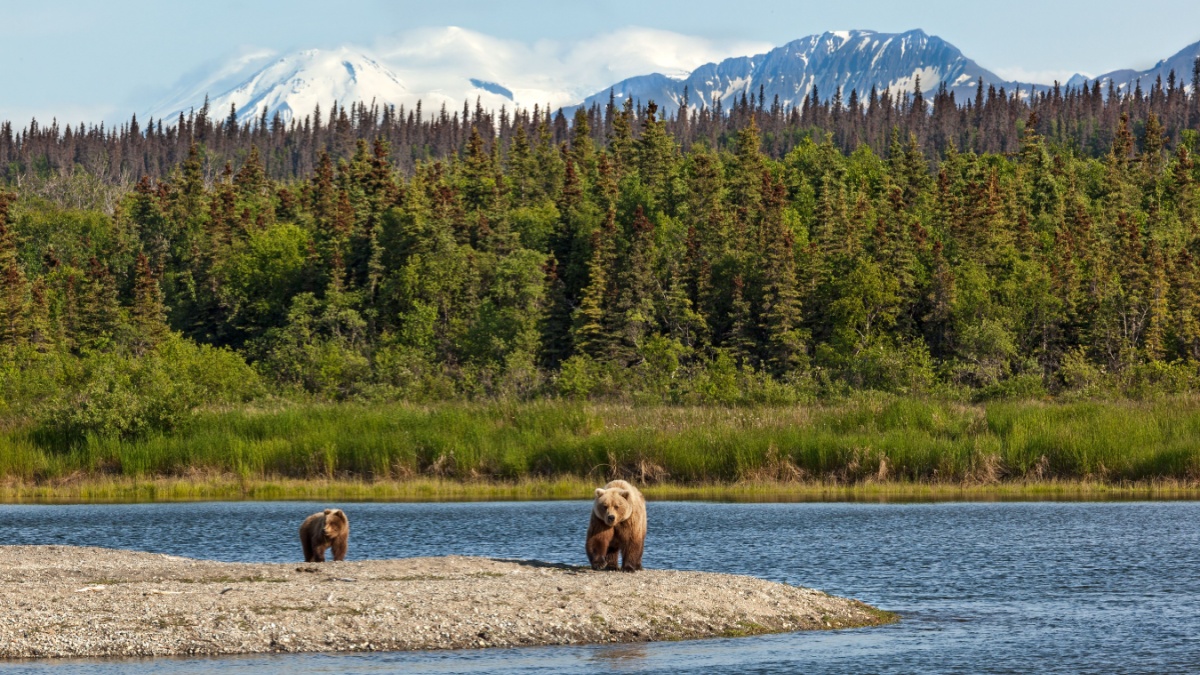
Image Credit:Manamana/Shutterstock.
Katmain is home to Brooks Falls, which is pretty much the grand prize for seeing brown bears in the wild (grizzlies are a subspecies). When salmon return from the sea to spawn, the bears gather in large numbers to feast on the fish as they struggle their way up strong currents and cascades to the shallows where they were born and where those that make it will breed and then die.
Kodiak Island, Alaska
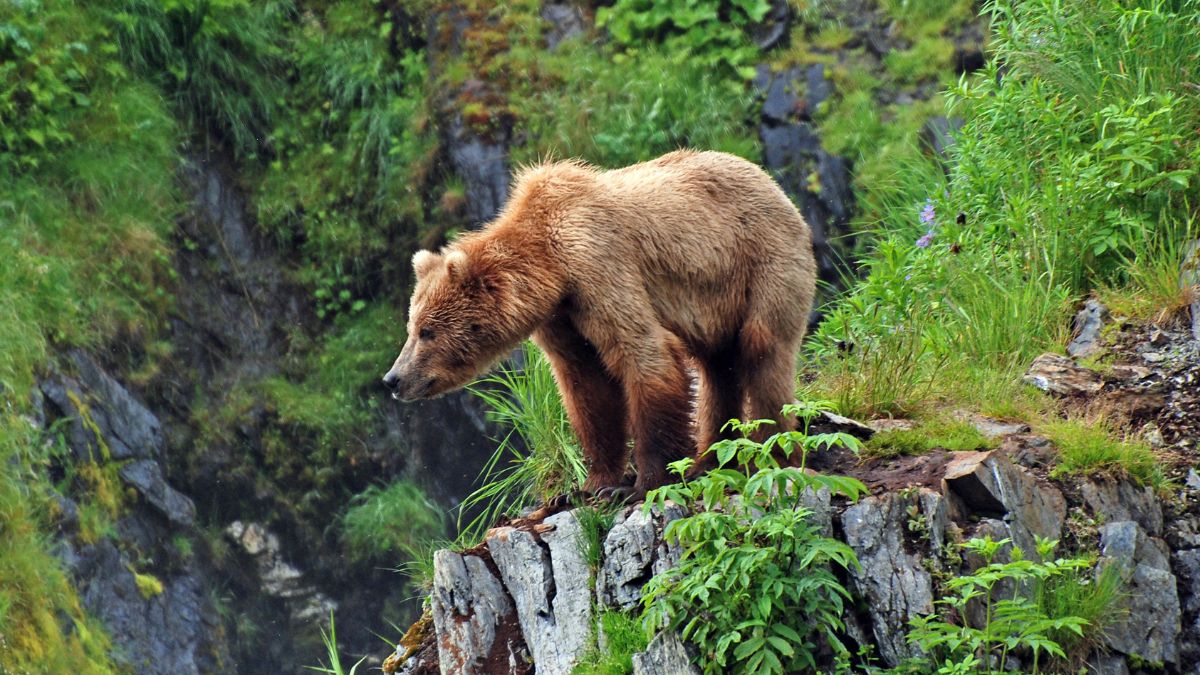
Image Credit: Wildnerdpix/Shutterstock.
Kodiak bears are, like grizzlies, a subspecies of brown bears, and they live on the islands of Alaska’s Kodiak Archipelago. They’re the most massive of all brown bears, and the only bears in the world that get larger than they do are polar bears, though polar bears range more widely in size due to harsher and more unpredictable living conditions.

Leave a Reply