
We all reheat leftovers; the microwave is often our go-to appliance for convenience. However, not all foods are microwave-friendly.
Reheating certain foods in the microwave can result in a loss of nutrients, unpleasant textures, or even potential health risks.
To help you refresh those meals safely and effectively, here are 15 foods you should avoid reheating in the microwave.
Breast Milk
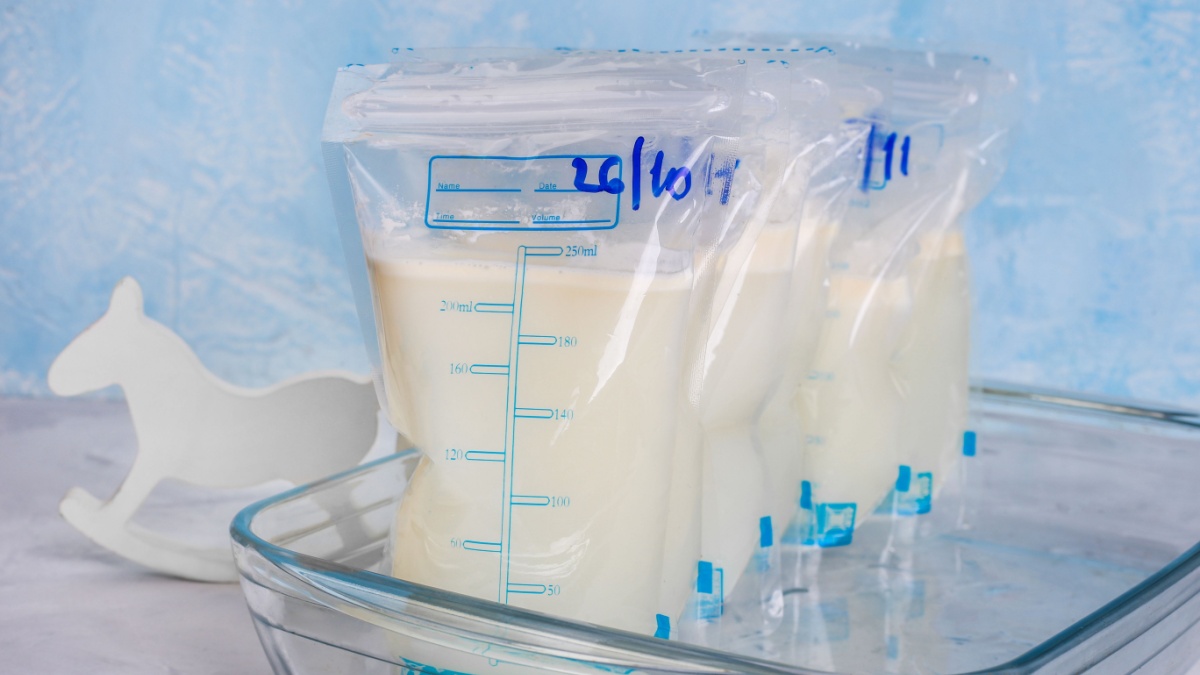
Reheating breast milk in the microwave is not only unsafe but also poses a health risk to infants. The microwave can create uneven heat distribution, leading to hot spots that can scald a baby’s mouth and throat. Additionally, the high heat can destroy essential nutrients and antibodies in breast milk, reducing its nutritional value. It’s always best to warm breast milk by placing the bottle in a bowl of warm water or using a bottle warmer.
Broccoli
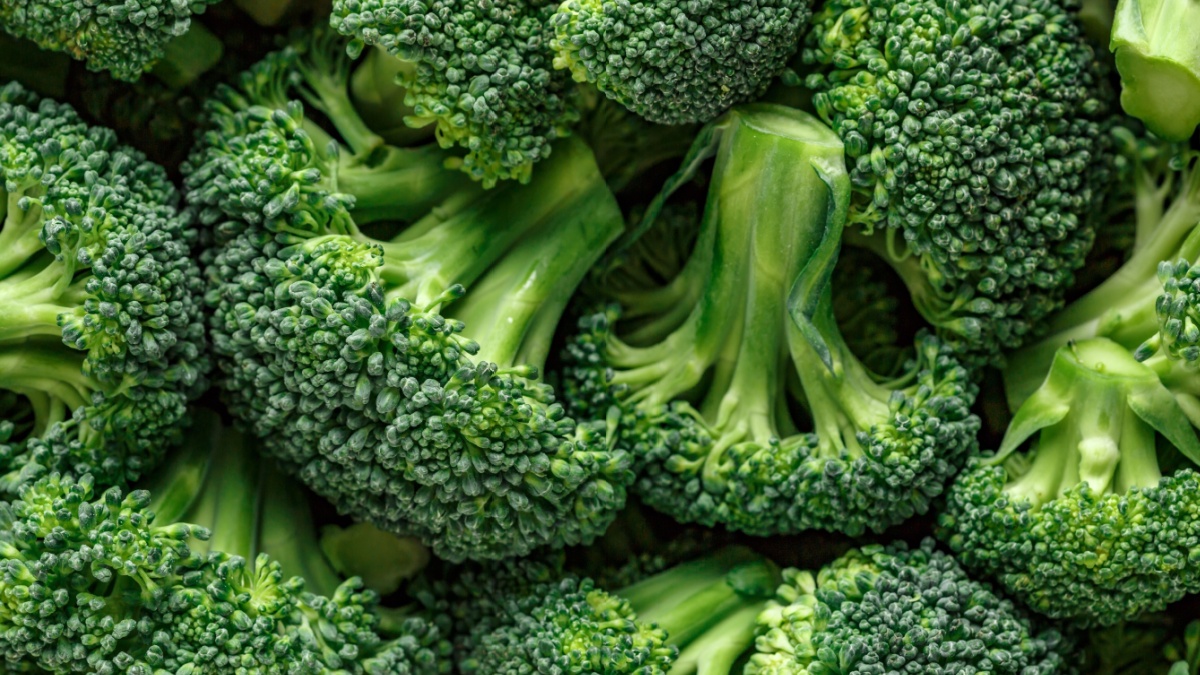
Broccoli is a superfood with beneficial nutrients, including flavonoids and powerful antioxidants. When you reheat broccoli in the microwave, these valuable compounds can break down, diminishing the vegetable’s health benefits. The texture of microwaved broccoli can also become mushy and unappetizing. Instead, consider steaming or sautéing your leftover broccoli to maintain its nutritional integrity and appealing texture.
Fish
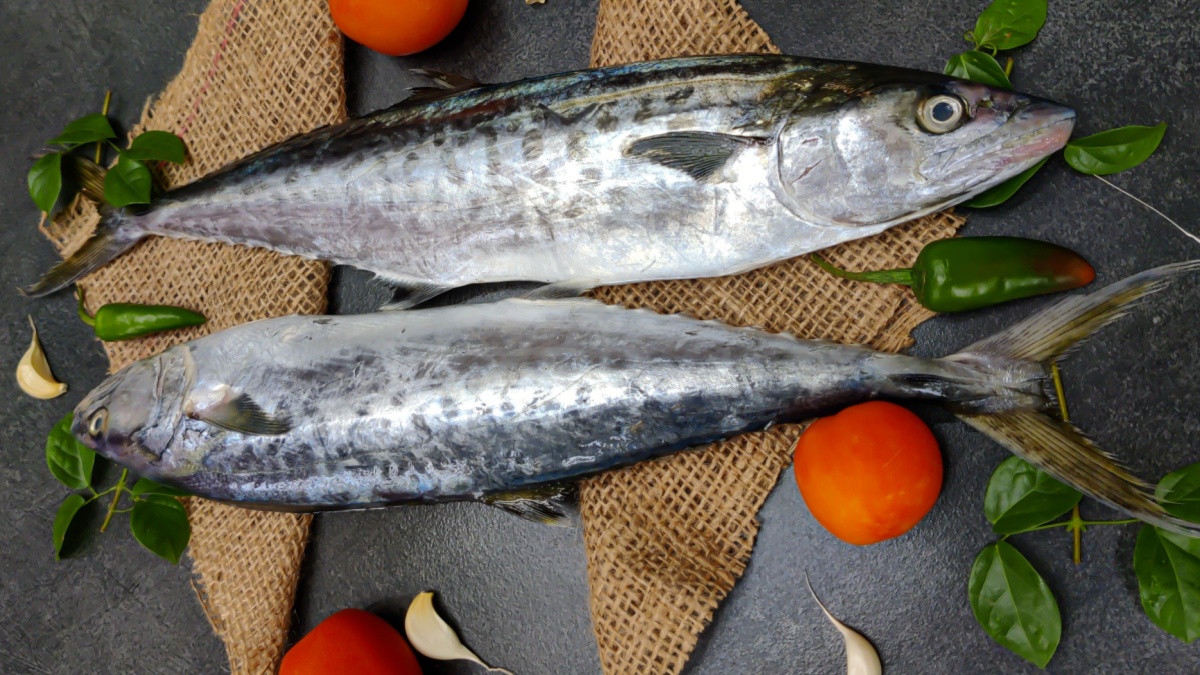
Reheating fish in the microwave can result in a dry, rubbery texture and an overwhelming fishy odor that can linger in your kitchen. The microwave tends to overcook fish, causing it to lose moisture and become less palatable. If you need to reheat fish, try using a conventional oven or a stovetop method to retain moisture and flavor. Additionally, this will help prevent unpleasant smells from permeating your home or workplace.
Pasta Sauce
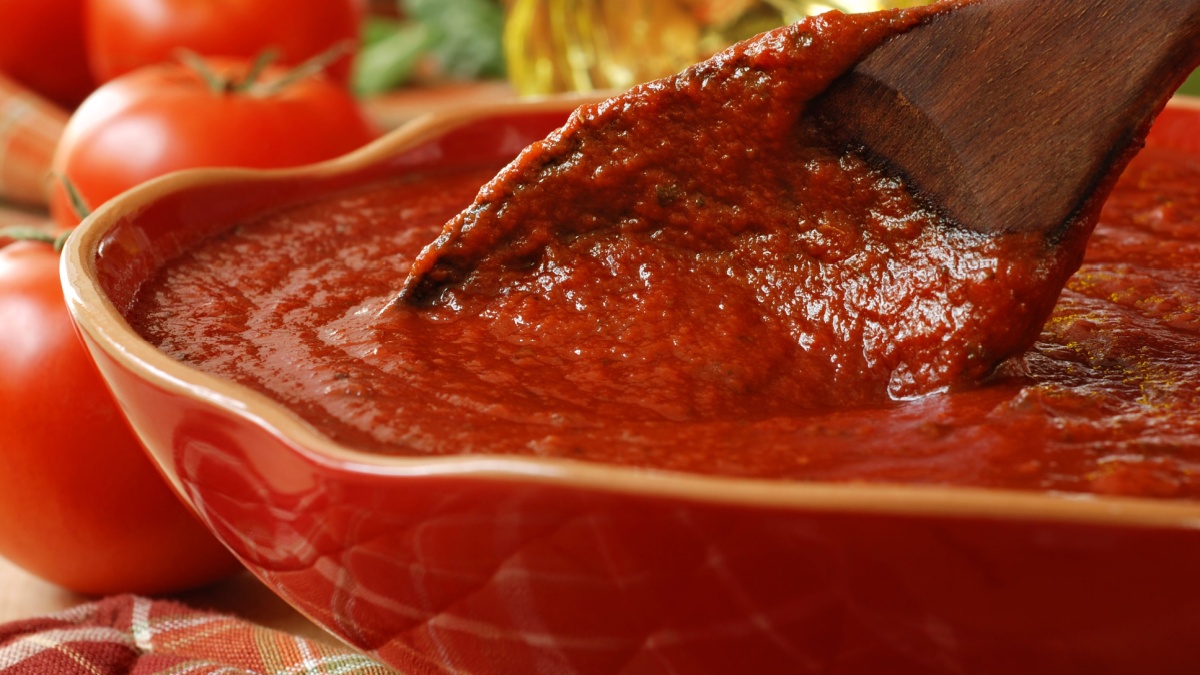
Microwaving pasta sauce can lead to splatters and uneven heating, making it a less-than-ideal method for reheating. The high heat can cause the sauce to bubble and splatter, creating a mess inside your microwave. Moreover, the texture and flavor of the sauce can be altered, especially if it contains cream or cheese. Warm pasta sauce slowly on the stove while stirring frequently to reheat it evenly and avoid mess.
Hard Boiled Eggs
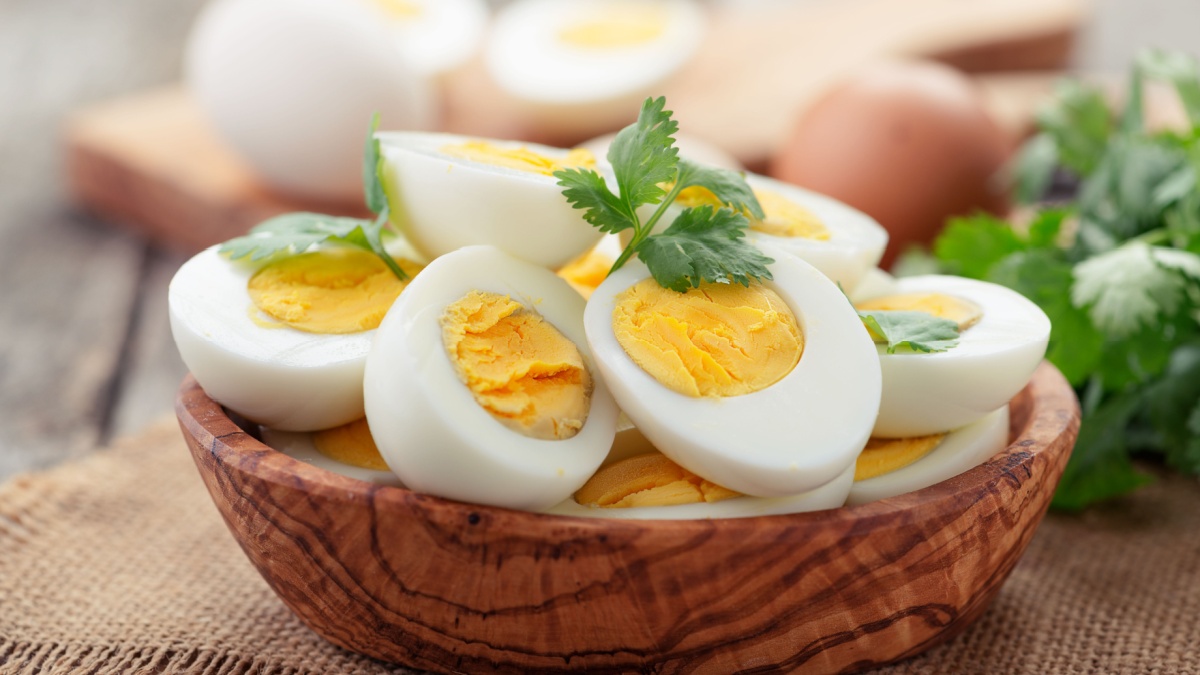
Reheating hard-boiled eggs in the microwave can be messy and potentially dangerous. The moisture inside the egg can create steam, causing the egg to explode if not properly vented. This not only creates a mess but also poses a risk of burns. If you need to reheat hard-boiled eggs, it’s best to slice them and warm them gently in a pan or under hot water.
Rice
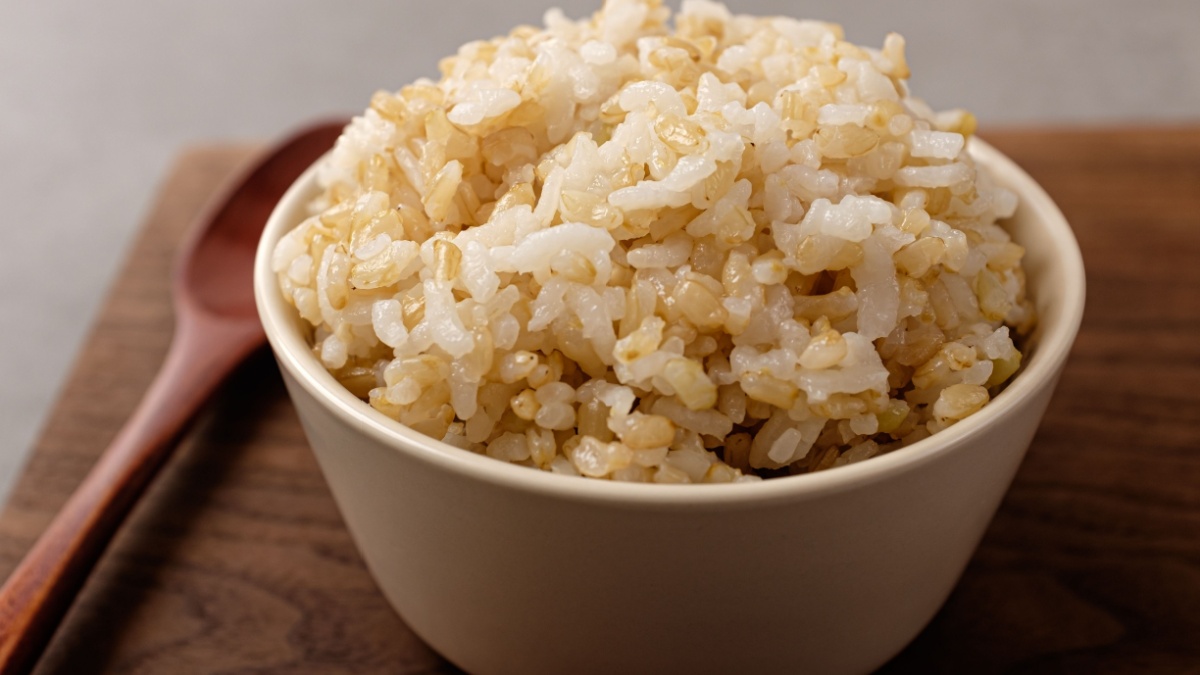
Rice is a staple in many households, but reheating it in the microwave can be risky. When stored improperly, rice can develop Bacillus cereus spores, which can survive the reheating process and cause food poisoning. Microwaving may not heat the rice evenly, leaving some parts at a temperature where bacteria can thrive. To safely reheat rice, ensure it’s been stored correctly and heat it thoroughly on the stove or in the oven.
Fruit

Reheating fruit in the microwave can result in an unpleasant texture and loss of nutrients. The high heat can cause the fruit to become mushy and release excess water, making it less tasty. Additionally, some fruits can develop an off-putting taste when microwaved. To preserve the quality of your fruit, enjoy it cold or at room temperature, or reheat it gently using a stovetop method if necessary.
Potatoes
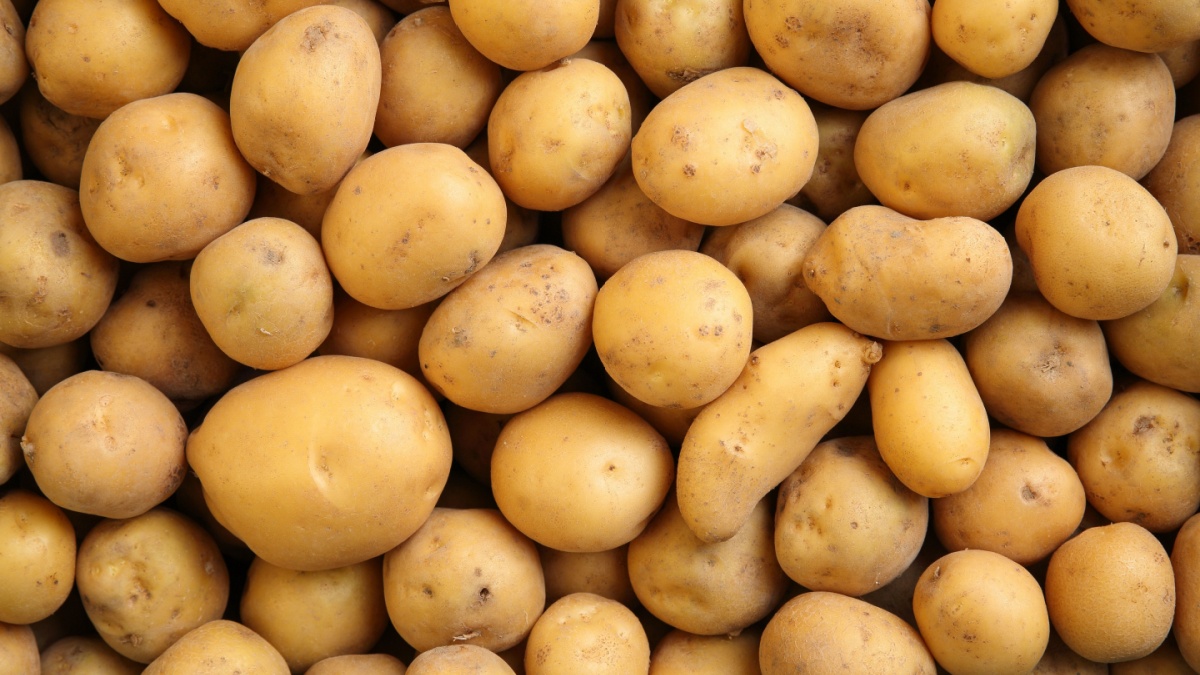
Reheating potatoes in the microwave can lead to a loss of texture and flavor, making them unappealing. Potatoes can become dry and mealy when microwaved, especially if they were initially baked or roasted. Furthermore, improper storage and reheating of potatoes can promote the growth of Clostridium botulinum bacteria, which can cause botulism. To avoid these issues, reheat potatoes in the oven or on the stove.
Pizza
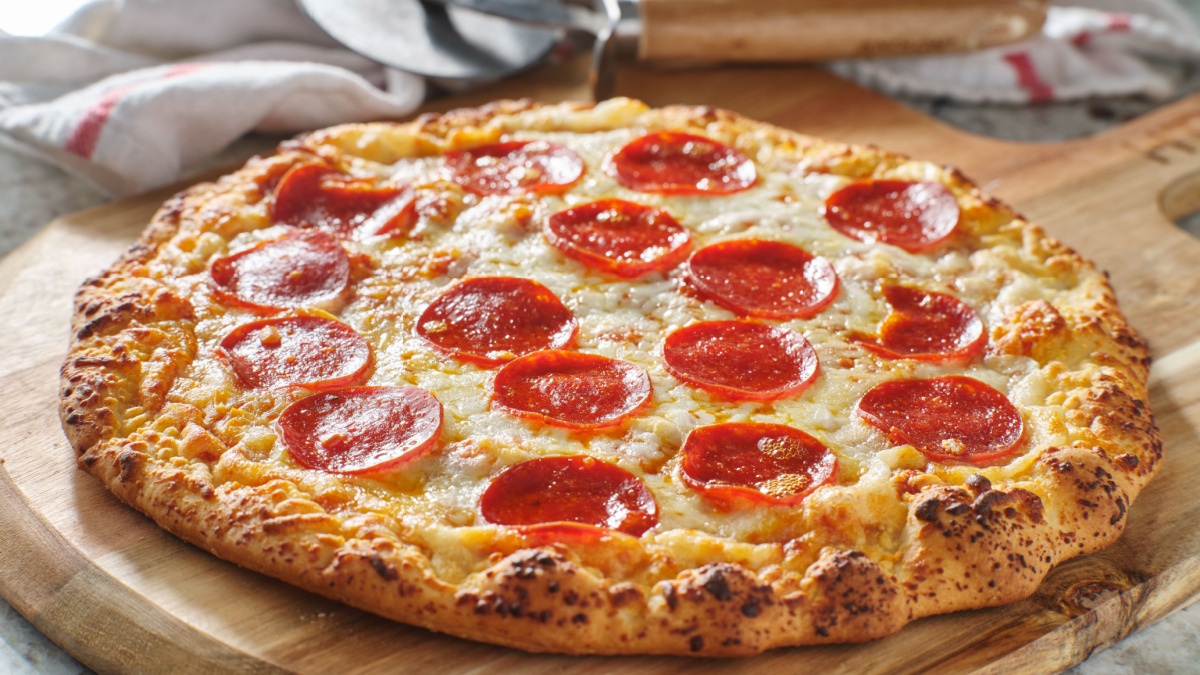
Microwaving leftover pizza often results in a soggy crust and unevenly heated toppings. The microwave’s high heat can cause the cheese to become rubbery and the crust to lose its crispiness. For a better reheating method, try using a skillet on the stove top or an oven to restore the pizza’s original texture and taste. This way, you’ll enjoy a more satisfying and flavorful slice.
Fried Chicken
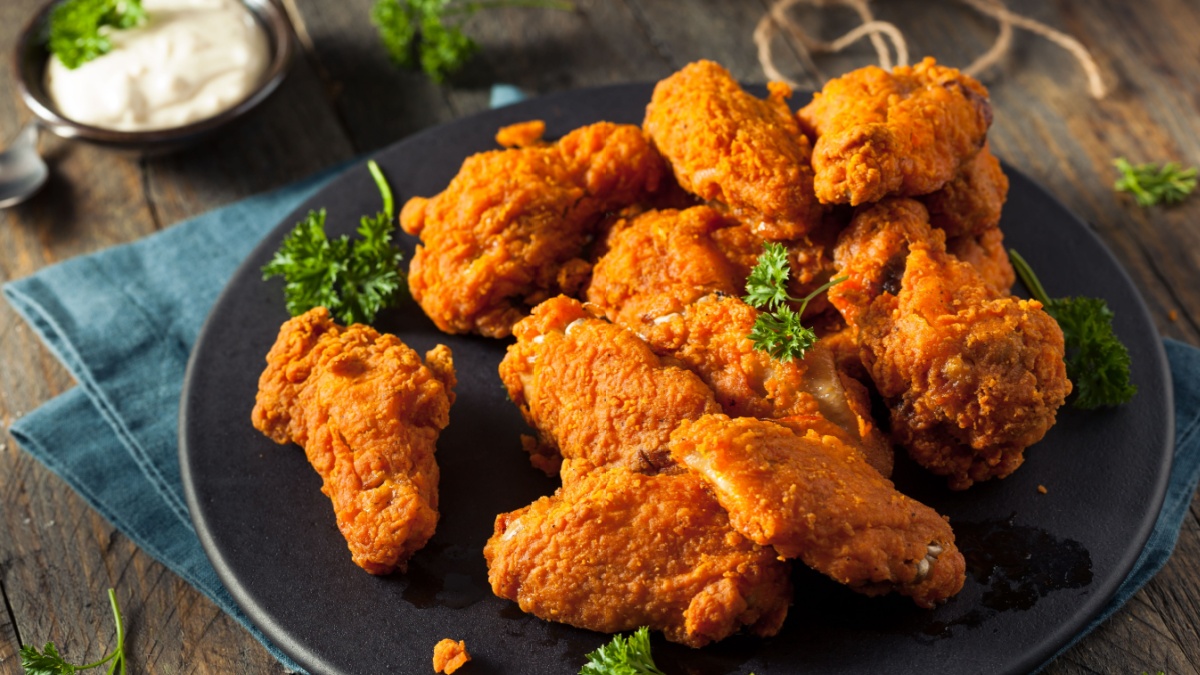
Reheating fried chicken in the microwave can leave it with a soggy, unappetizing coating. The microwave’s steam can ruin the crispy texture that makes fried chicken so delicious. Also, uneven heating can result in cold spots, making eating less safe. To keep your fried chicken crispy and delicious, reheat it in the oven or an air fryer.
Steak
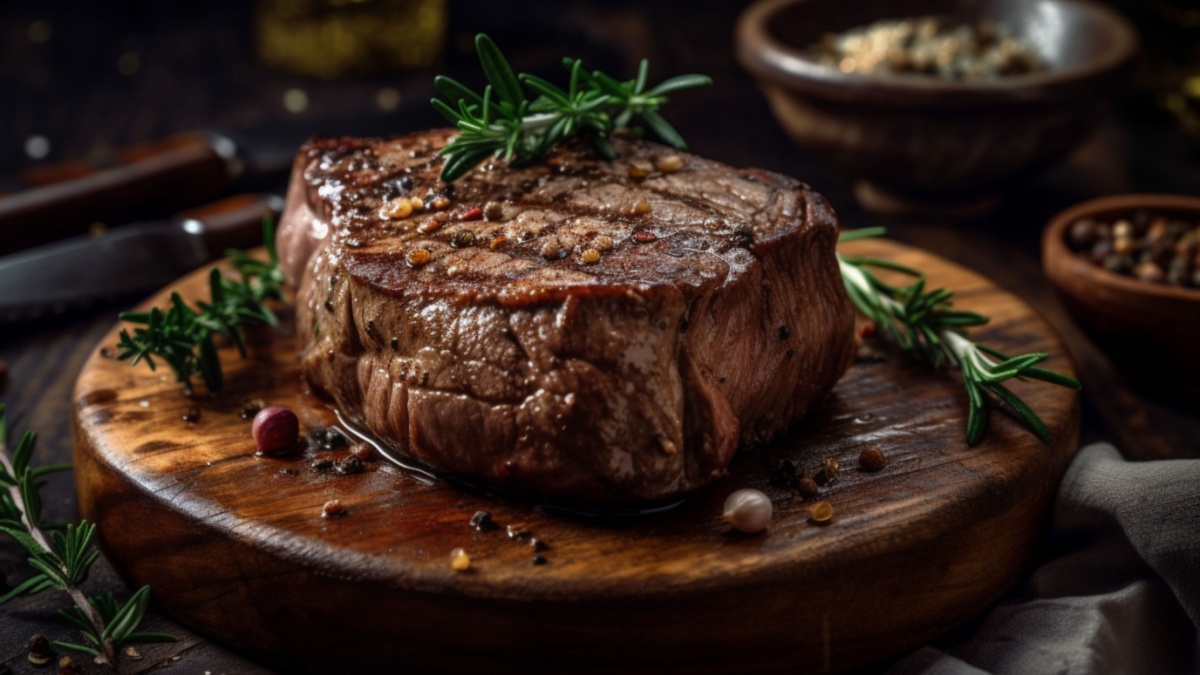
Microwaving steak can lead to an overcooked, tough piece of meat that’s far from enjoyable. The microwave’s high heat can cause the steak to become rubbery and dry, diminishing its flavor and tenderness. For a more palatable result, reheat steak in a skillet with oil or butter or use an oven to warm it while gently retaining its juices and texture.
French Fries
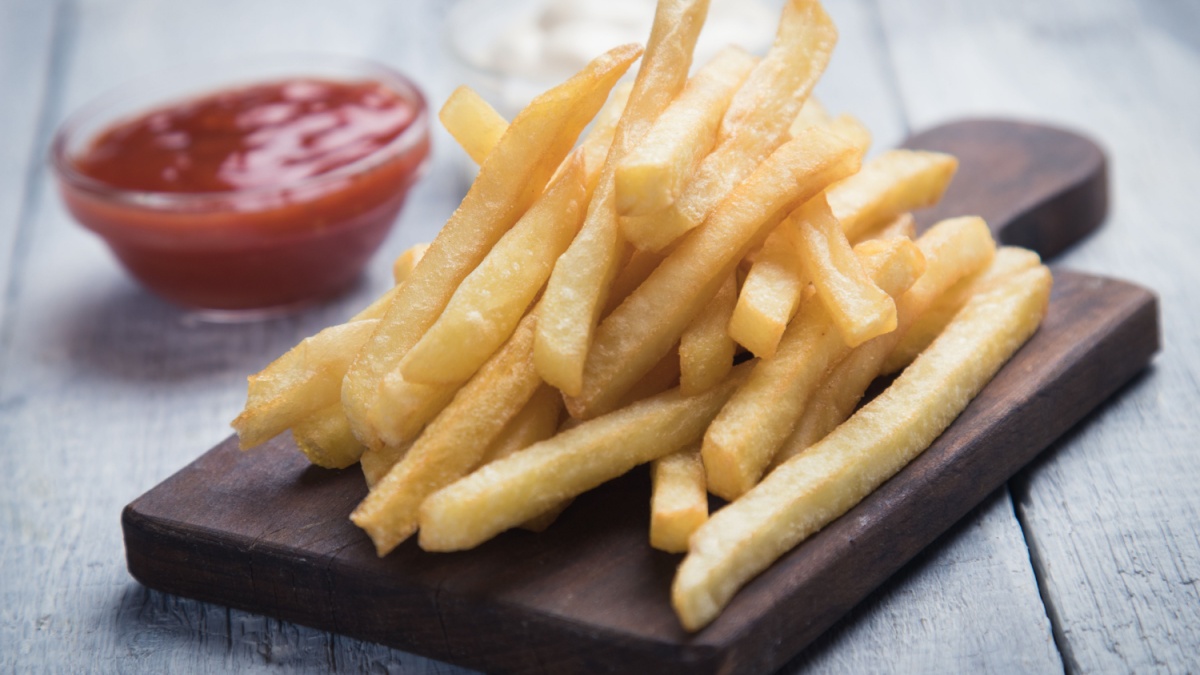
French fries lose their crispness and become soggy when reheated in the microwave. The moisture trapped inside the fries can create steam, ruining their original texture. To restore the crispiness of your leftover fries, reheat them in the oven or an air fryer. This method will help maintain their crunchy exterior while ensuring they are heated through.
Processed Meats

Reheating processed meats like hot dogs, sausages, and deli meats in the microwave can lead to the formation of harmful compounds. The high heat can cause the nitrates and preservatives in these meats to break down into carcinogenic nitrosamines. To avoid potential health risks, consider reheating processed meats on the stove or in the oven, using lower and more controlled heat.
Uncooked Meat
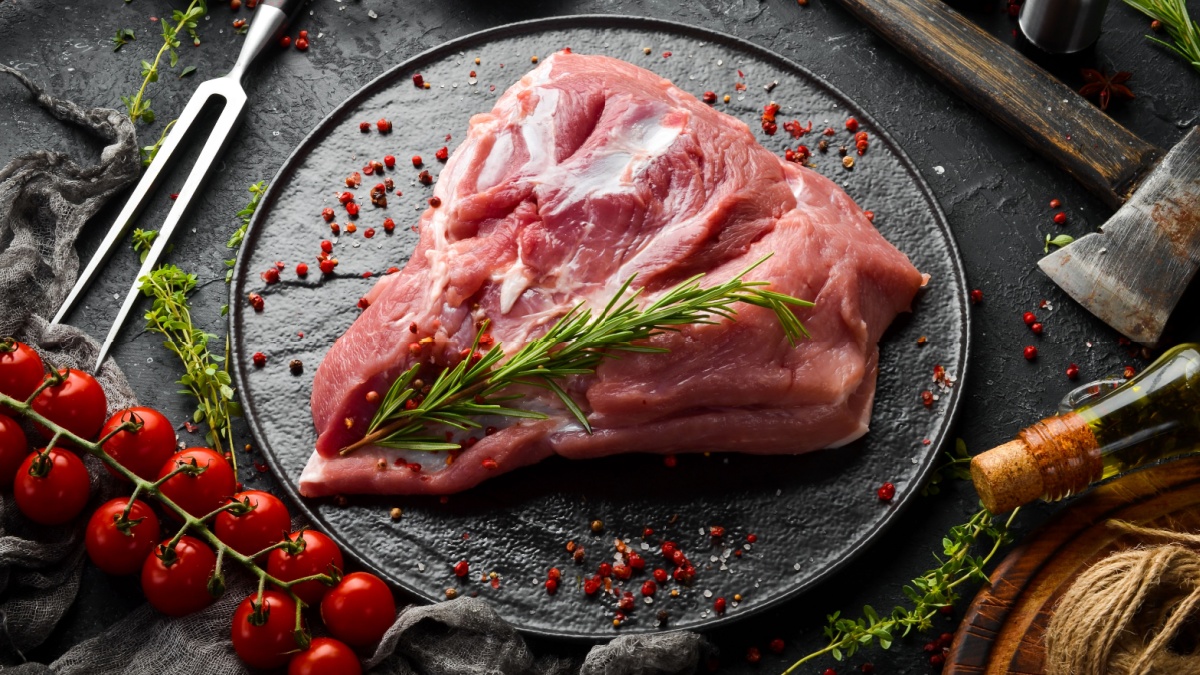
Microwaving uncooked meat is not recommended due to uneven heating, which can leave some parts undercooked and others overcooked. This can pose a severe health risk, as harmful bacteria like Salmonella and E. coli may not be effectively killed. Use conventional methods like grilling, baking, or frying to ensure your meat is cooked safely and evenly.
Baked Goods

Baked goods like pastries, cakes, and bread can become dry and unpalatable when microwaved. The microwave’s high heat can cause these treats to lose moisture and develop a tough texture. To enjoy your baked goods as intended, reheat them gently in the oven or a toaster oven. This will help retain their softness and flavor without compromising their quality.
6 Anti-Inflammatory Foods for Your Knee, Hip & Back Pain

Inflammation occurs when your body reacts to foreign substances. While certain anti-inflammatory drugs can help eliminate inflammation, a diet change can help reduce inflammation and swelling. Here are six anti-inflammatory foods to help reduce knee, hip, and back pain.
6 Anti-Inflammatory Foods for Your Knee, Hip & Back Pain
Experts Warn People to Never Refrigerate These 15 Food Items

Refrigeration prevents spoilage and may extend the shelf life of common foods and other perishable items. While we may innocently store some foods in the refrigerator, you may be surprised that you shouldn’t store all of them, as this may affect their nutritional value, taste, and texture.
Although refrigeration can help preserve certain foods, some items shouldn’t be refrigerated to maintain flavor and freshness. Avoiding these foods can ensure your food stays nutritious, fresh, and flavorful.
Here are 15 food items experts warn people never to refrigerate for optimal flavor and freshness.
Experts Warn People to Never Refrigerate These 15 Food Items

Leave a Reply