
As you head out to our magnificent national parks this summer and in other seasons, you’re bound to see a lot of wildlife. While nearly all wild animals present some kind of danger to people, there are some species that are clearly more dangerous than others are, and not all of them are large predators.
Knowing what the threats are and how to respond to them are key for both your safety and that of the animals!
Grizzly Bears
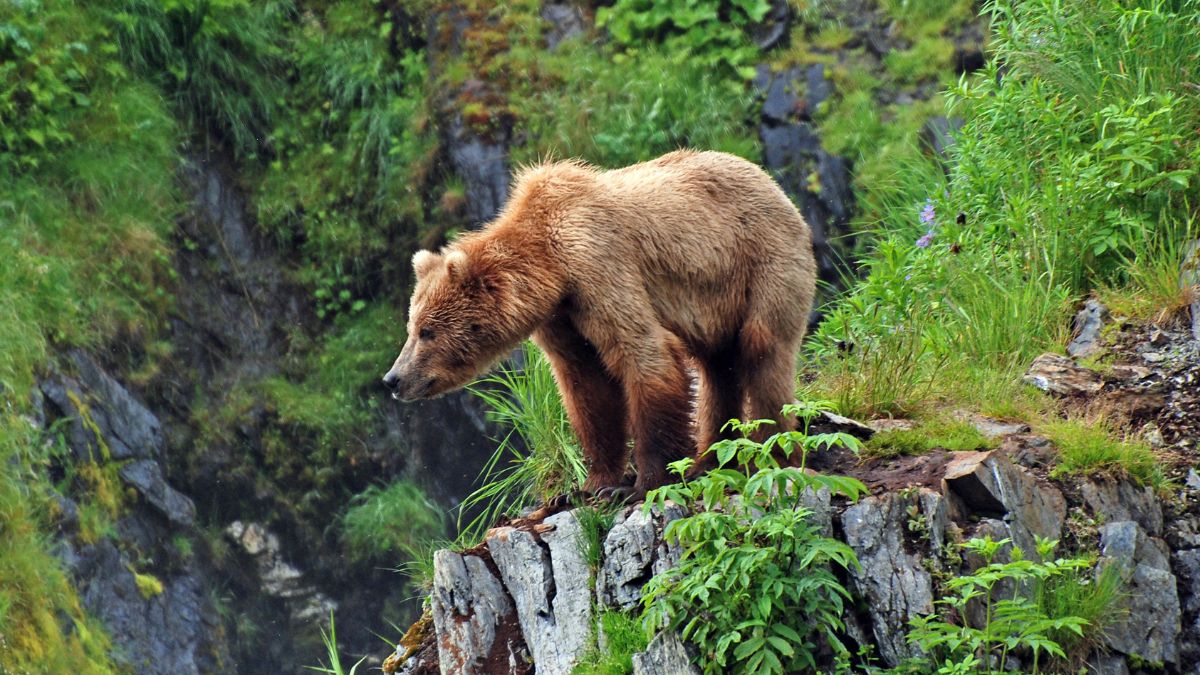
Image Credit: Wildnerdpix/Shutterstock.
Grizzlies are a subspecies of brown bears, and they’re found in Alaska, Washington, Idaho, Montana, and Wyoming. Statistically, attacks on people are rare, but the outcomes tend to be really bad for people. Because grizzlies are so powerful and unpredictable, the best thing to do around them is keep a safe distance from them. If they notice you, you’re too close. (That’s a general rule with all wildlife.)
Black Bears
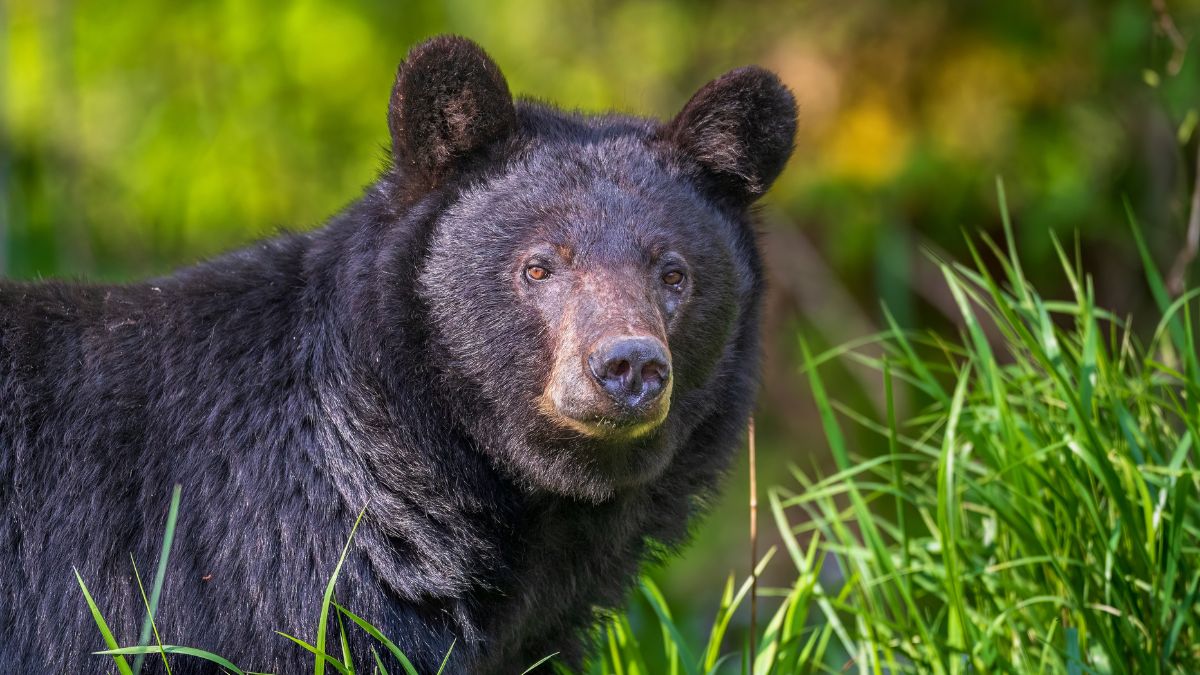
Image Credit: Ben McMurtray/Shutterstock.
Because they’re not as large as grizzlies, black bears often get underestimated. Since they’re far more plentiful than grizzlies are and found in way more states, that can be a really bad mistake to make. Black bears have even been known to figure out how to open car doors, coolers, and supposedly bear proof-food containers.
Mountain Lions
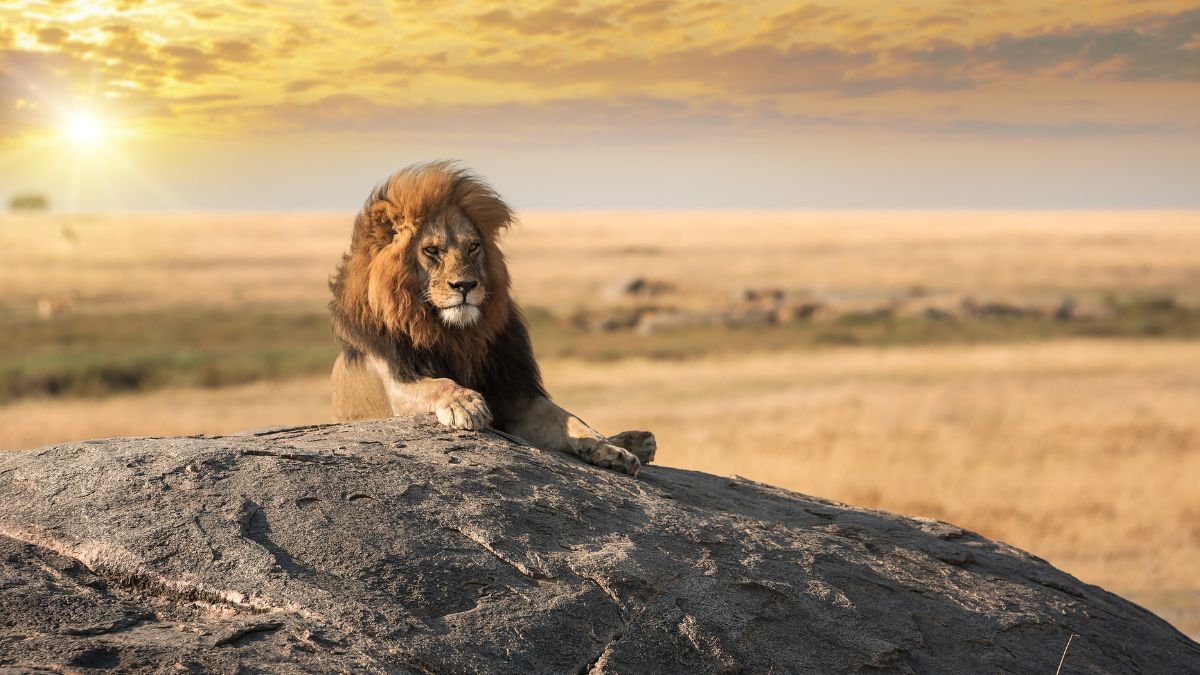
Image Credit: Suntichai Boottasen/Shutterstock.
Sightings of mountain lions are rare, and attacks on people are even rarer. Still, they’ve been known to stalk hikers, especially smaller ones, and in low light, when they’re most active, they might mistake people for their preferred prey: deer.
Moose
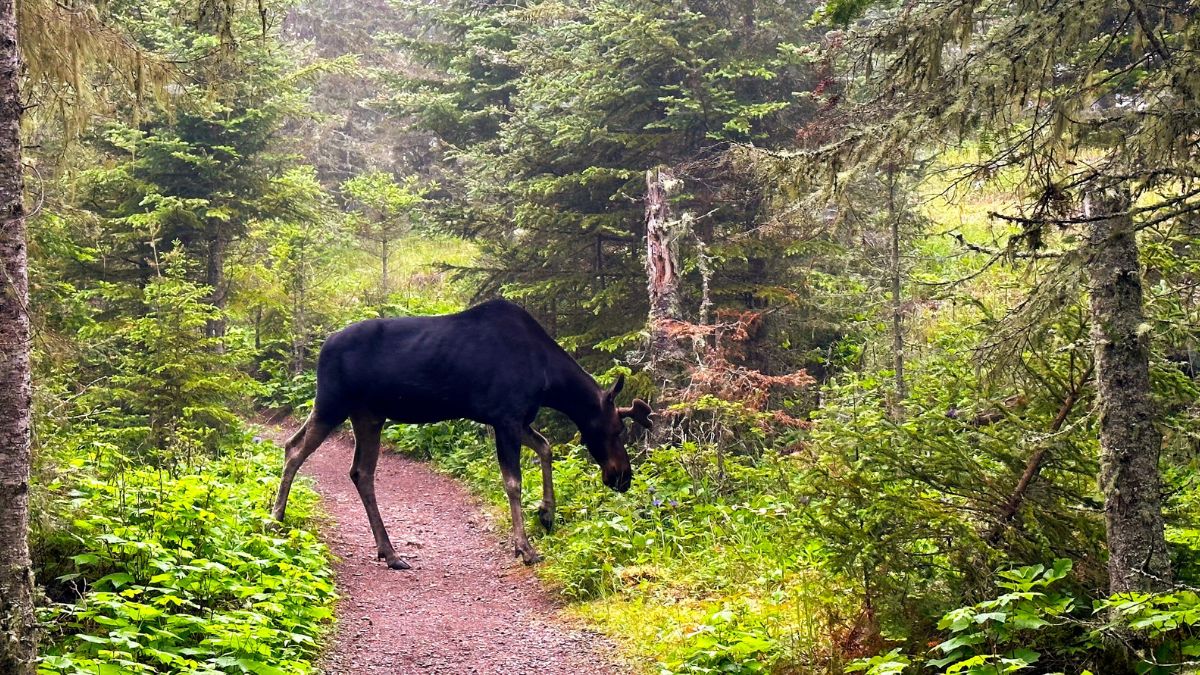
Image Credit: danesprintshop/Shutterstock.
Long ago, a Montana local told me that the most dangerous animal in the mountains is a mama moose with her young nearby. Aggressive bull moose during the fall rutting season may come in second. Moose are the largest hoofed animals in North America, and adults are typically larger than grizzly bears, one reason that bears rarely prey on them.
Elk
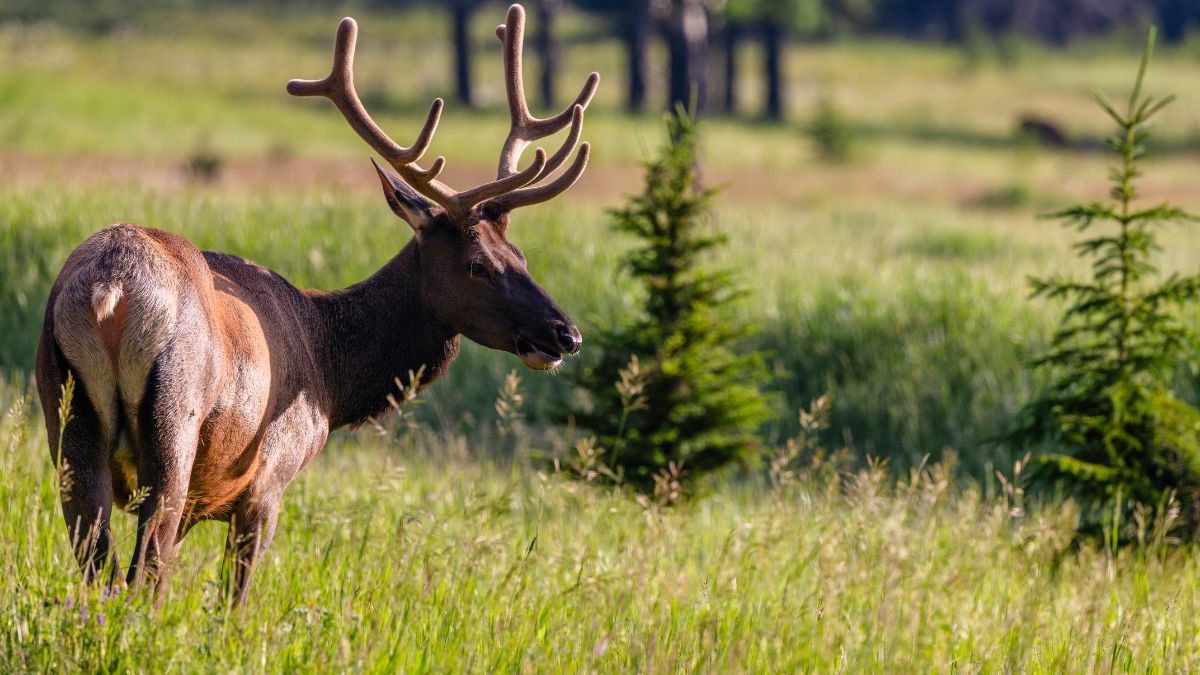
Image Credit: BrittanyO/Shutterstock.
Elk are common in many of the mountainous national parks of the West. Those you see from the road often get quite comfortable around people, which is actually bad, not good, and dangerous. Getting too close to such a large, strong animal and spooking it might not turn out so well for you!
Bison
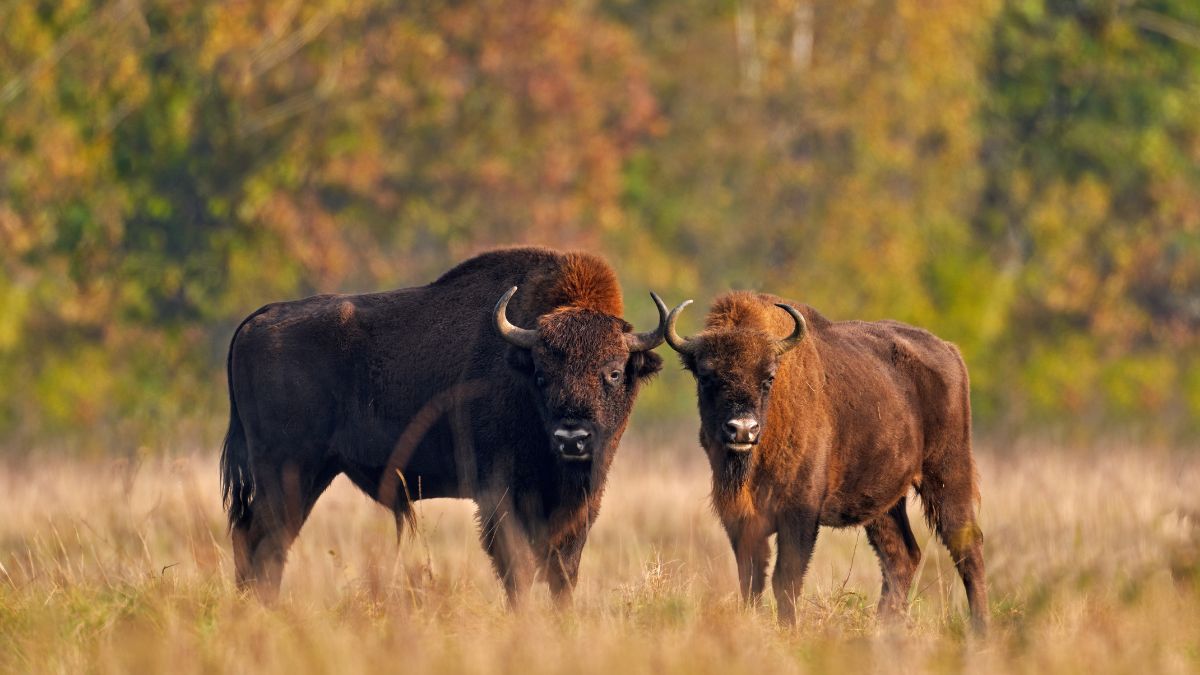
Image Credit: Ondrej Prosicky/Shutterstock.
Bison are common sights in national parks such as Yellowstone, Grand Teton, Wind Cave, and Badlands. Every year, there are incidents in these parks where people get trampled or gored by these animals that weigh hundreds of pounds, have sharp horns, and can in bursts run as fast as a horse can. Yet for some reason, some people still think it’s a good idea to get up close to them for a picture!
Bighorn Sheep
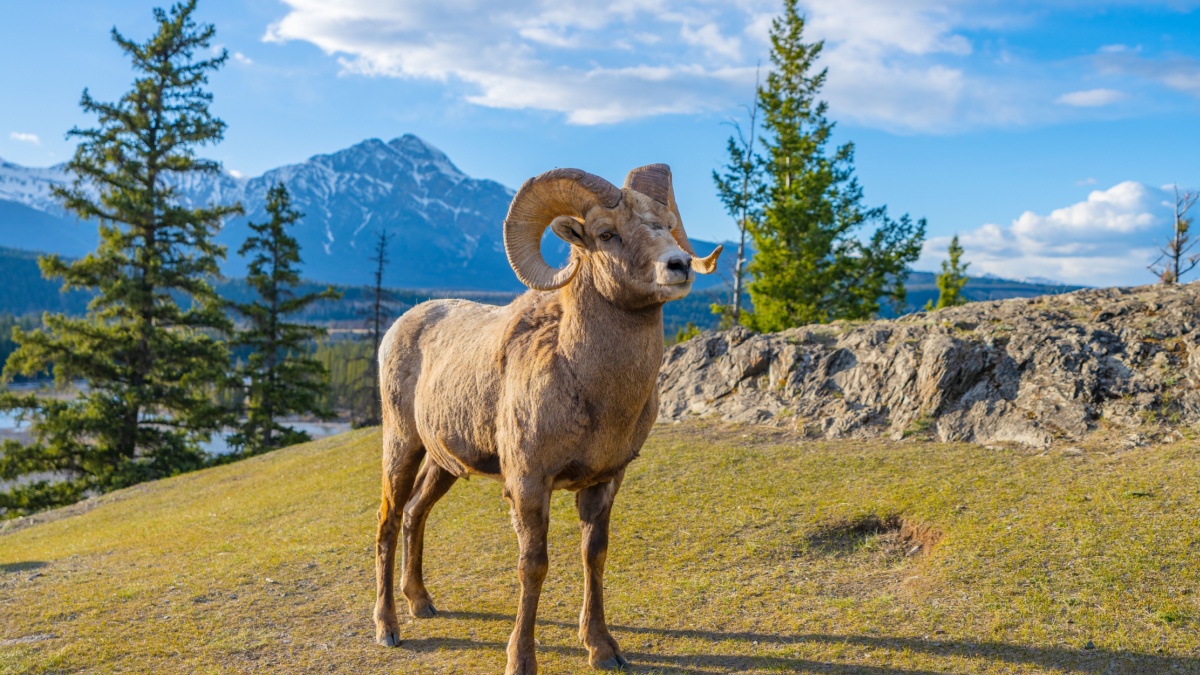
Image Credit: Shawn.ccf/Shutterstock.
Bighorn sheep are usually pretty docile. They move away or ignore you, and if they do pay attention to you at all, it’s usually to raise a head and look at you while they’re chewing on food. Still, take one look at their horns, especially on an adult ram, and ask yourself if you want to get rammed by one of them (bad pun intended).
Venomous Snakes
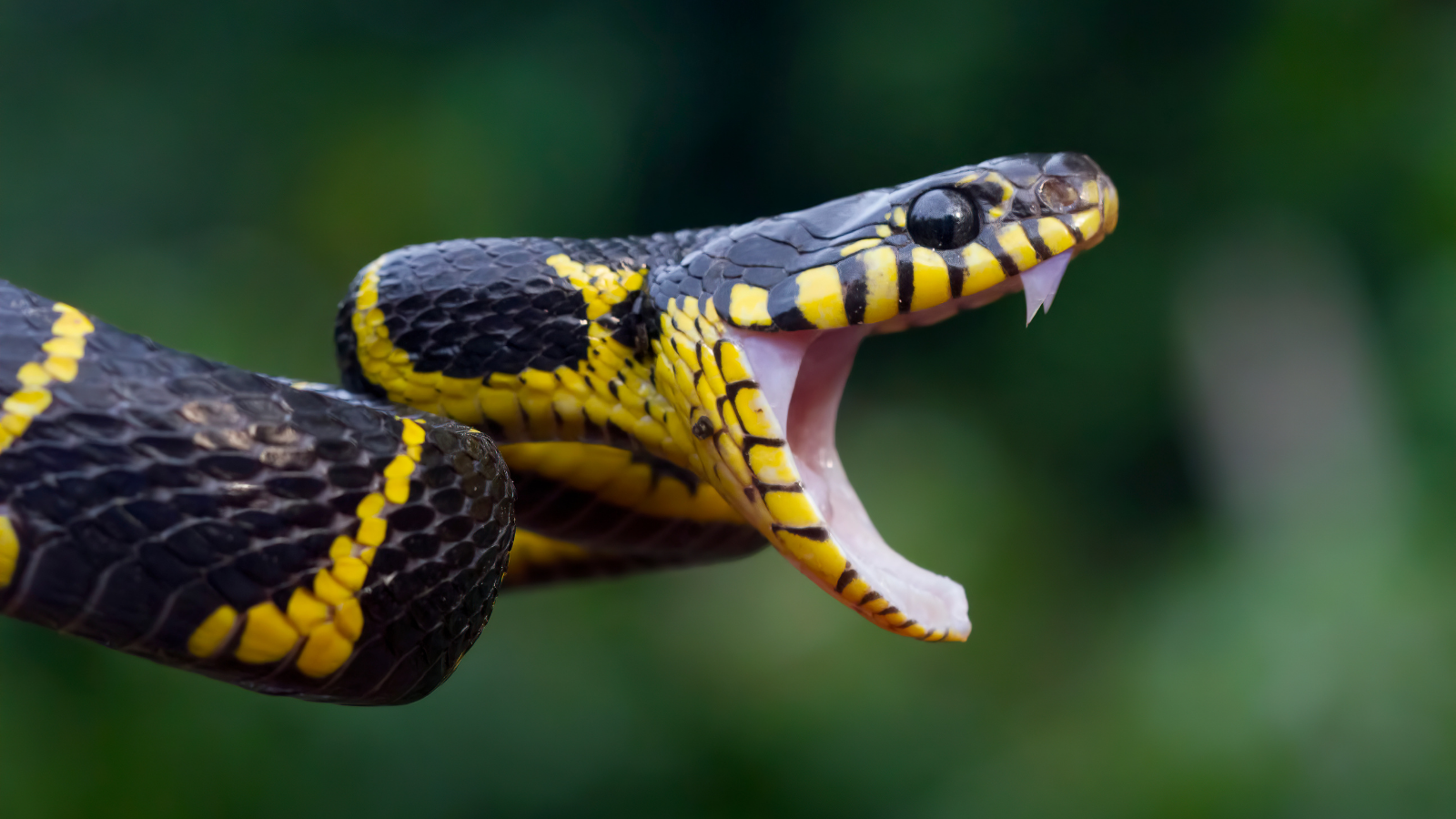
Image Credit: Kurit afshen/Shutterstock.
The U.S. has 4 types of venomous snakes: coral snakes, copperheads, cottonmouths (water moccasins), and rattlesnakes. Learning to recognize them is easy and also helps you recognize snakes as not being venomous, and then you won’t be that person always posting “Is this snake dangerous?” on your neighborhood chat group.
Most snake bites occur from one of three things: stepping on a snake, reaching a hand into something like a crevice, and picking snakes up. So watch where you’re going, use protective footwear, don’t stick your hands under rocks and into dark places, and don’t pick snakes up. Regarding the last point, although not all snakes are venomous, all snakes can bite, and they can draw blood.
Alligators
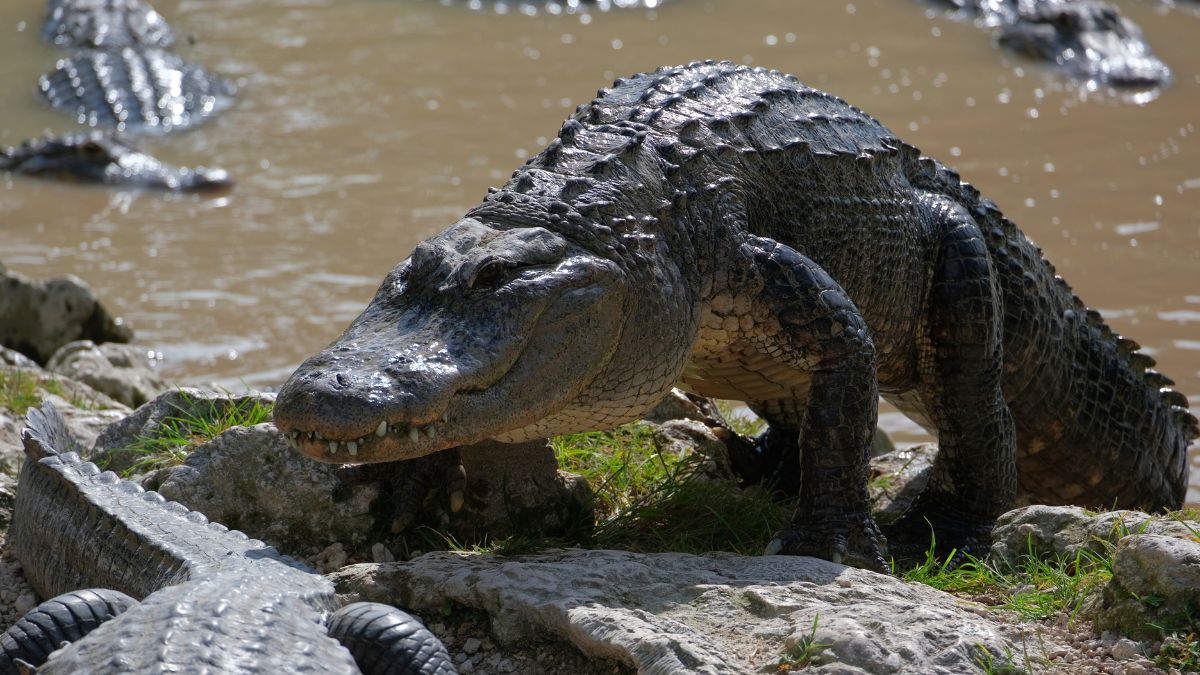
Image Credit: Natoe/Shutterstock.
Alligators are a big hit in Florida’s Everglades National Park. They’re usually docile, just sunning themselves at the edge of the water or lying half submerged in the water, and humans aren’t their prey (way too big). Yet, they’re strong, they have wickedly sharp teeth, and they’re a lot faster than you might think. Attacks on people are rare, but they’re not unheard of.
Black Widow Spiders
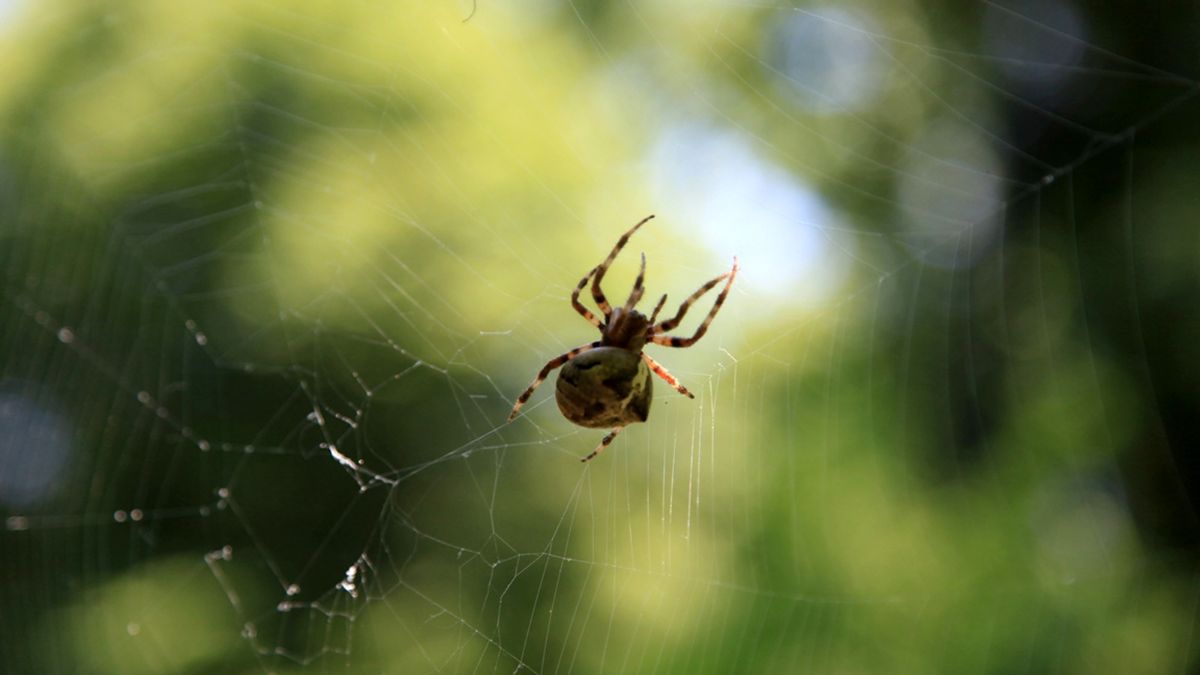
Image Credit: Nicat Mustafayev/Shutterstock.
Black widows are, like venomous snakes, easy to recognize, which helps people avoid unpleasant encounters with them. They’re not as deadly as popular culture makes them out to be, but a bite can still be very serious and even fatal, so seek medical attention as soon as possible if you’re bitten by one.
Dogs
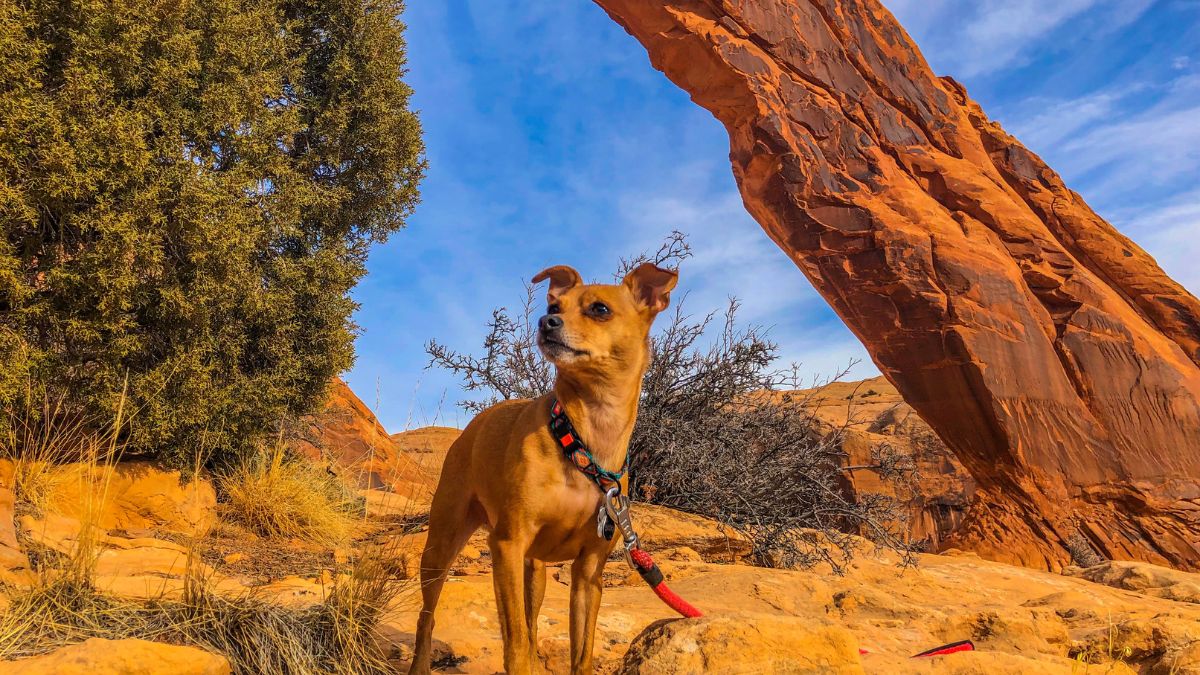
Image credit: CreekCG/Shutterstock.
No, not wolves or coyotes. I mean Fido. People love bringing their dogs with them on vacation, and sometimes we forget that our fur babies are animals with animal instincts. Unrestrained and/or aggressive dogs in campgrounds and on trails are a real problem, and incidents ranging from bites to true mauling happen every year. Fun fact, or maybe not so fun: each year, dogs kill more people across the entire U.S. than bears or venomous snakes do.
People!
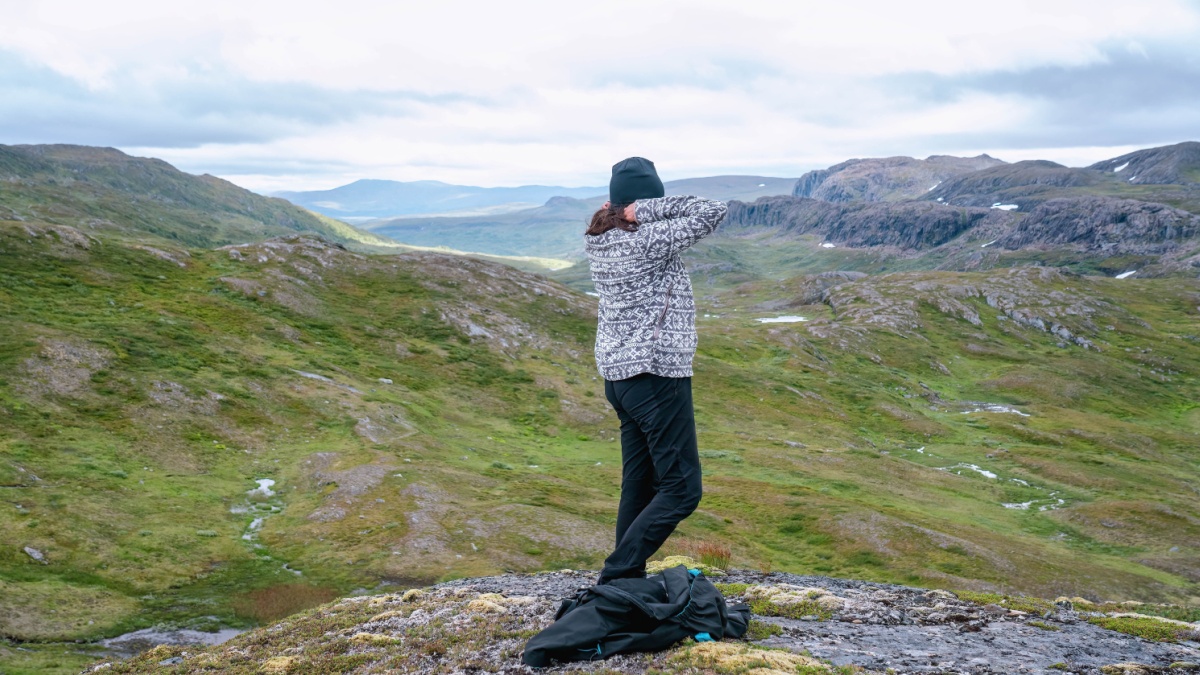
Image Credit: AlexDreamliner/Shutterstock.
We also sometimes forget that we are animals, too. You’re more likely to be injured by another human than by another animal in a national park. Mostly, this is due to car accidents, but there have also been cases of violence and murder in the backcountry and fistfights erupting over parking spots in the frontcountry.

Leave a Reply