
Our national parks may seem fun and family-friendly, and they are in many ways, but they’re not amusement parks with (hopefully) strict regulations about what can and can’t go wrong out there.
There are, in fact, human fatalities in our national parks every year, and they’re not for the reasons you might think. For instance, bear attacks are extremely rare. And the three leading causes of death in national parks are falls, medical issues, drowning, and car accidents.
So why do people keep going back?
It’s simple.
The national parks are beautiful, fun, and inspiring. You just need to take a little more care when you visit them.
Grand Canyon, Arizona
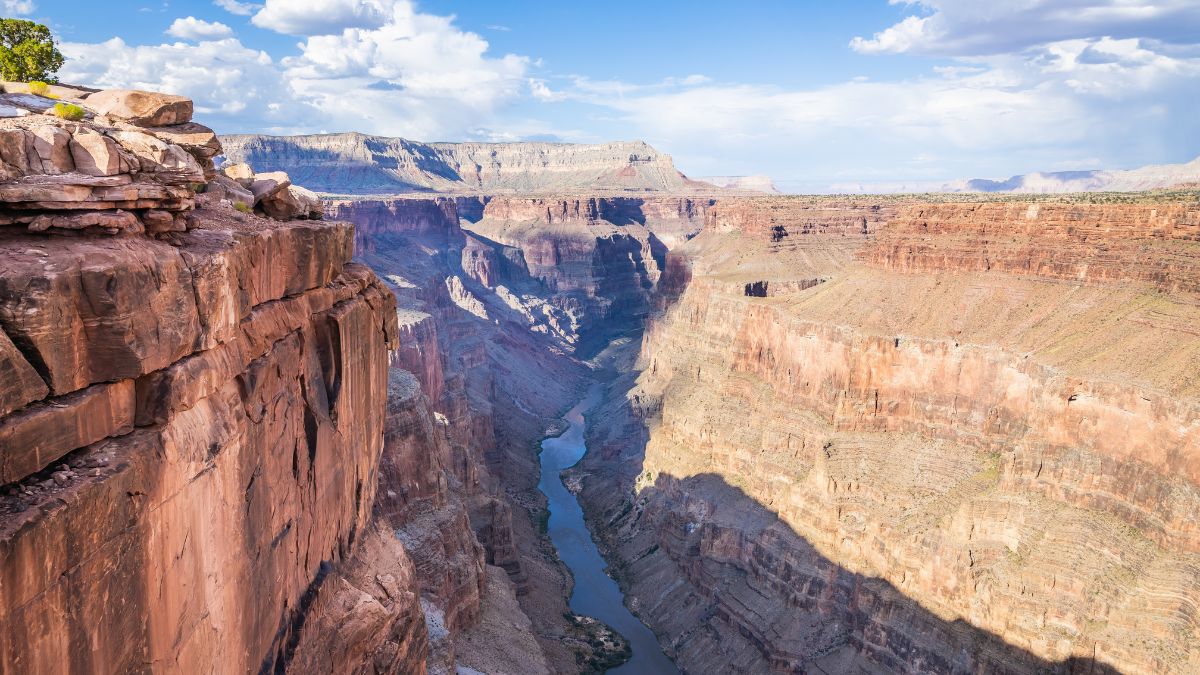
Image Credit: Jason Yoder/Shutterstock.
Among units in the national park system, Lake Mead National Recreation Area is #1 in deaths, mostly due to drowning and boating-related accidents, but Grand Canyon is #2 and has the dubious honor of “leading” the actual national parks. Many deaths result from falls, but many more result from heat-related issues, including medical conditions triggered by the heat. Traffic fatalities are somewhat rare since traffic rarely moves fast in this heavily visited park.
Yosemite, California

Image Credit: Santi Rodriguez/Shutterstock.
Yosemite has seen many deaths and injuries over the decades due to falls in rock climbing, scrambling, and mountaineering. There have also been a lot of drownings as a result of succumbing to icy-cold waters when swimming and to being swept over the brink of waterfalls.
North Cascades, Washington
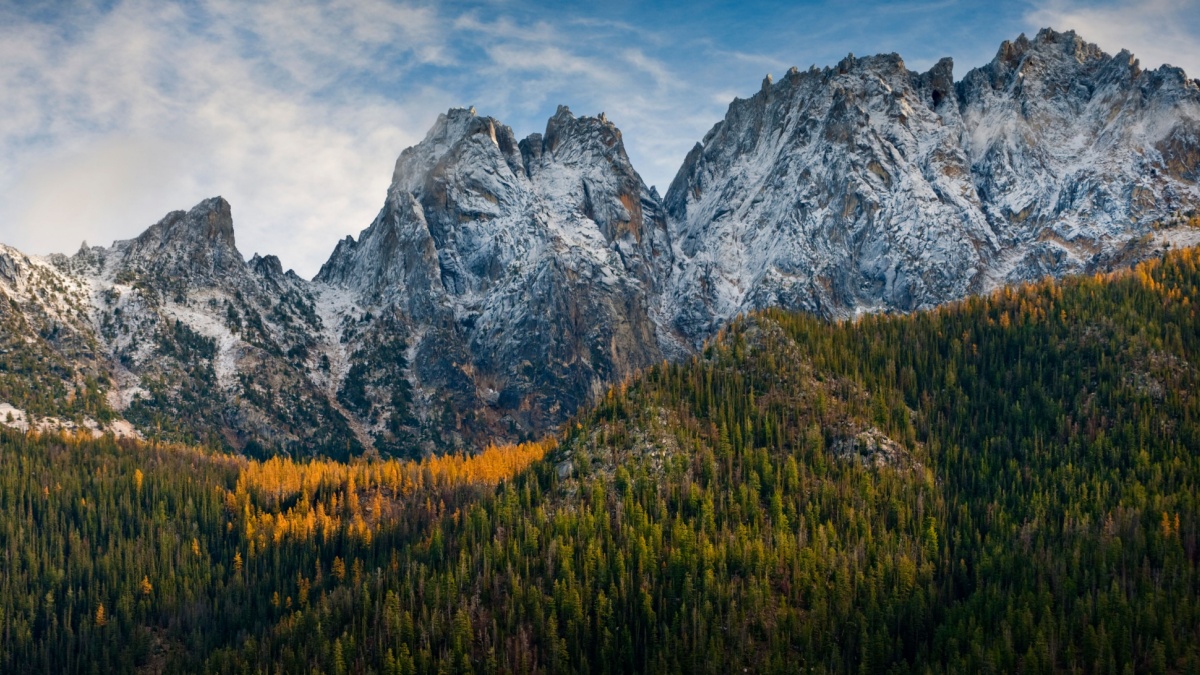
Image Credit:Edmund Lowe Photography/Shutterstock.
In terms of numbers of deaths, North Cascades doesn’t rank that high. However, the vast majority of the park is remote, rugged, and only accessible to foot traffic, so falls can be catastrophic, as can be a broken leg when you’re miles away from pavement.
Great Smoky Mountains, North Carolina-Tennessee
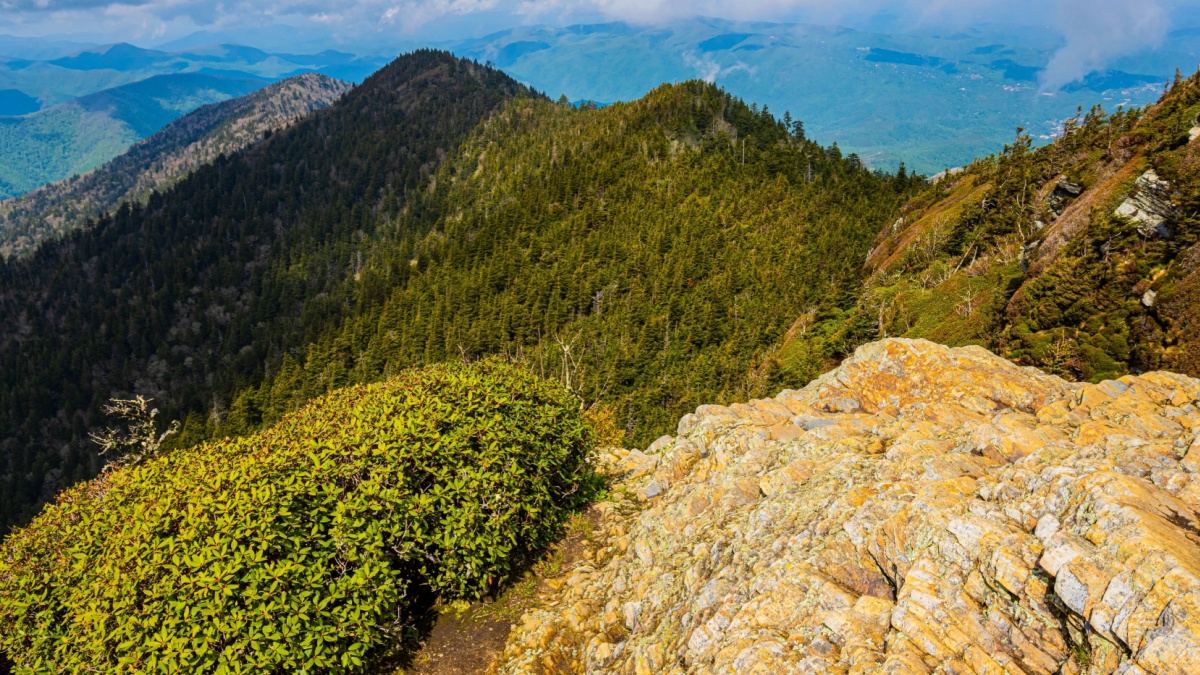
Image Credit: Billy McDonald/Shutterstock.
This is the most heavily visited national park in the country, so it almost has to rank high among human fatalities and other accidents. Traffic accidents are a big part of the numbers, but so are medical issues that arise and just can’t be treated in time.
Sequoia and Kings Canyon, California
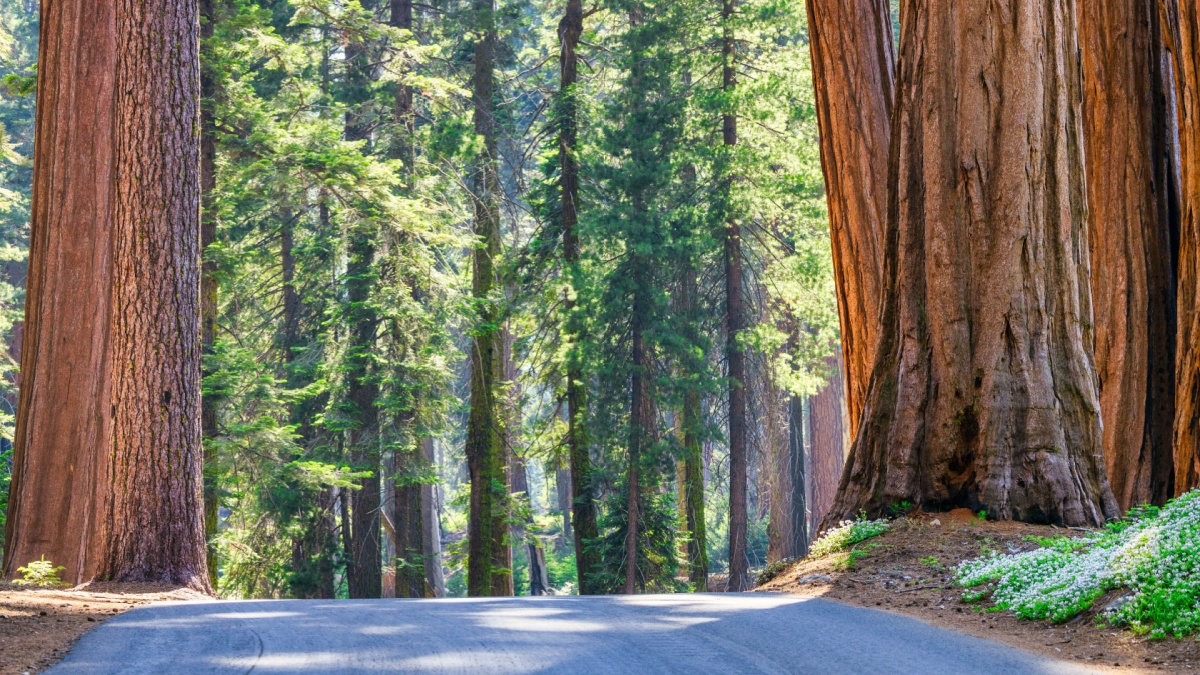
Image Credit: Lebid Volodymyr/Shutterstock.
The road system on the western side of these contiguous national parks creates potential for plenty of traffic accidents. However, the deeper risk is the backcountry. Most of these park’s terrain is in high, remote, and rugged mountain country, where the danger of falls is higher and help, if available at all, can be hours or even days away.
Denali, Alaska
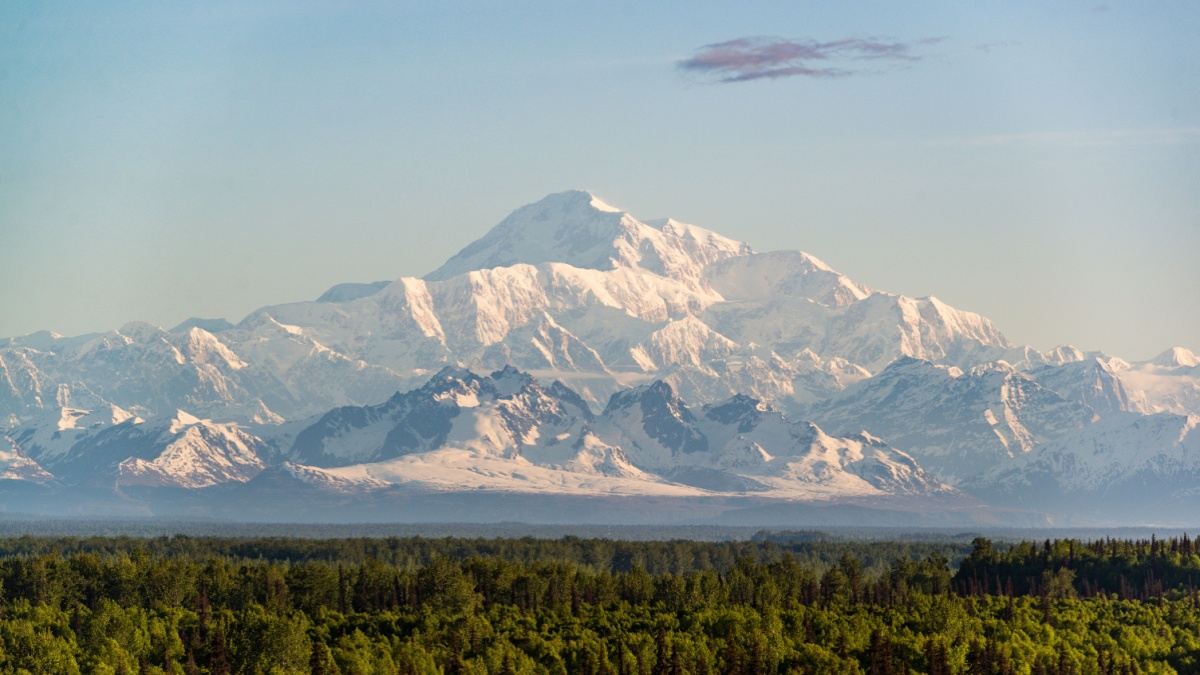
Image Credit: Juno Kim/Shutterstock.
Denali has a few things making it a relatively dangerous national park to visit. First, it’s remote, so help is far away. Next, it’s home to many species of large mammals, and all of them are unpredictable and dangerous. Finally, you can never rule out extreme weather, not even in summer.
Virgin Islands
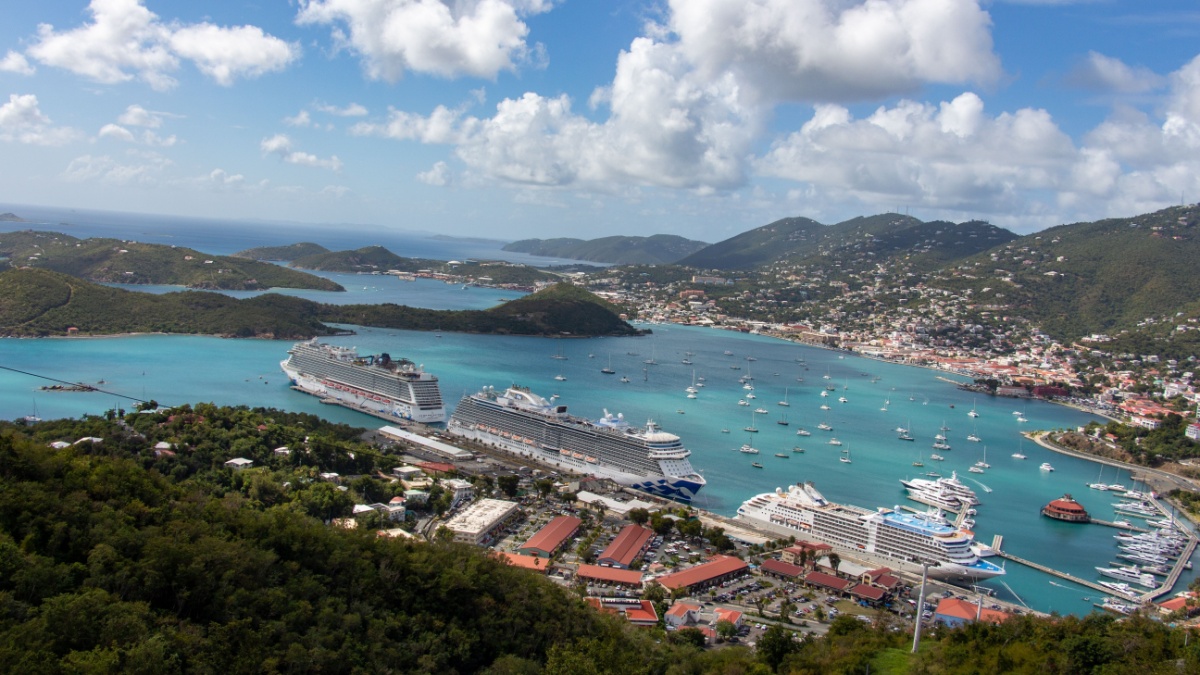
Image Credit: Devin Sizemore/Shutterstock.
How can a tropical paradise of beautiful beaches and clear waters be dangerous? Well, look at those waters. Every year, people get trapped by currents, become too tired to keep swimming, or have boating accidents. A lot of cruise ships stop here, too, so it’s easy to see why drownings aren’t rare.
Big Bend, Texas
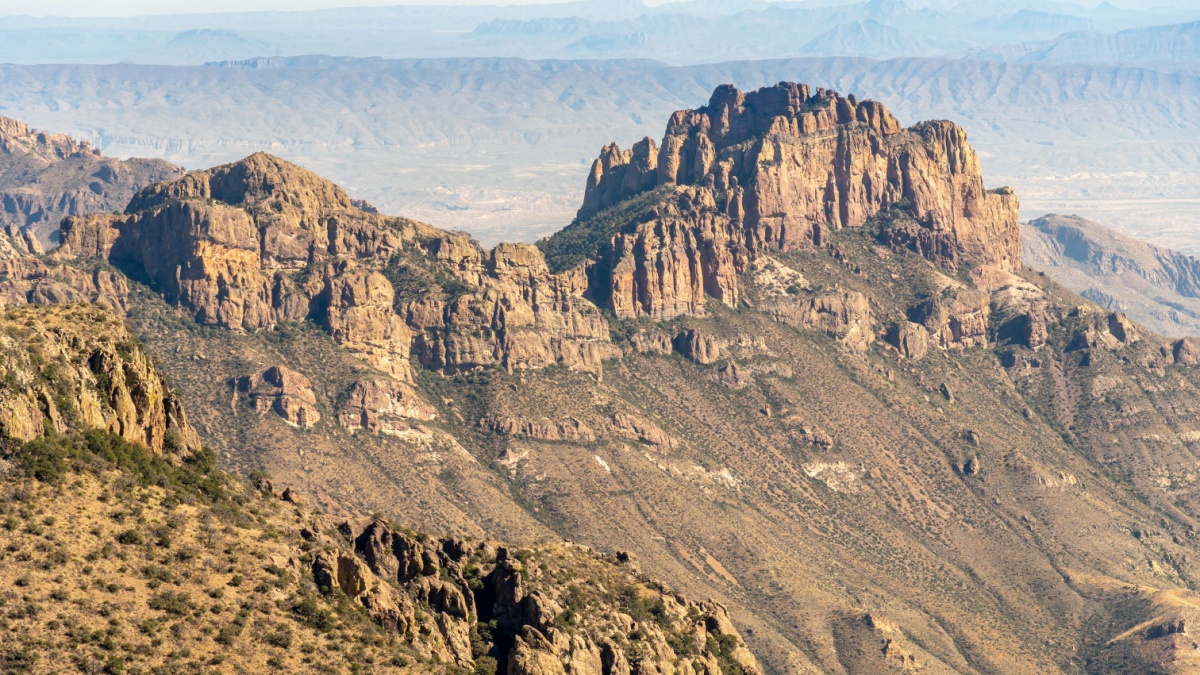
Image Credit:Scott Biales DitchTheMap/Shutterstock.
Much of Big Bend is rugged terrain, which increases the chances of accidents and injuries. Now add the possibility of extreme heat for more than half the year. Finally, consider the remote location. First aid is available, but medical treatment for critical situations is far away.
Dry Tortugas, Florida
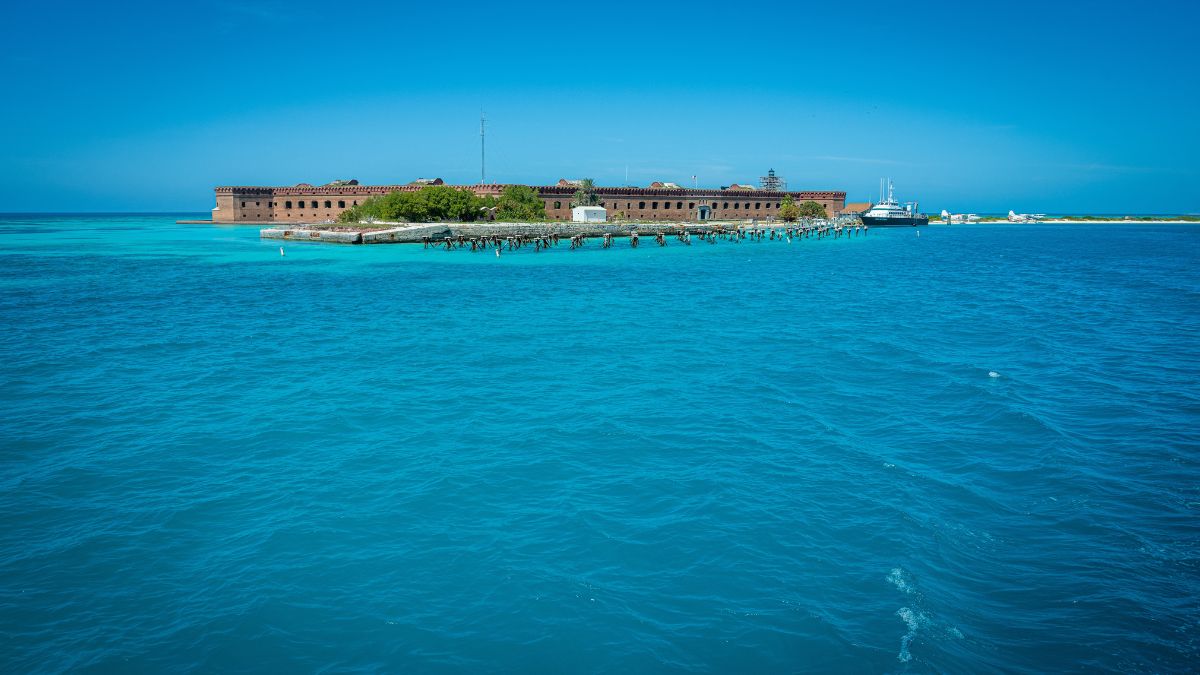
Image Credit: Kelly vanDellen/Shutterstock.
This national park way west of Key West is really remote, so help is usually several hours away even under the best circumstances. And since most of the activity here is underwater, it’s not surprising that drownings happen more than we’d like to think.

Leave a Reply