
Because national parks are so beautiful and popular, it’s easy to forget that despite the cars, trails, and crowds, they’re places of raw nature and can be quite dangerous. One of the most significant risks comes from wildlife.
While many people quickly think of bears when it comes to that, they’re not the only animals that can harm or kill people. Read on for some trails where you have to be extra careful about wildlife!
Denali– Any Trail
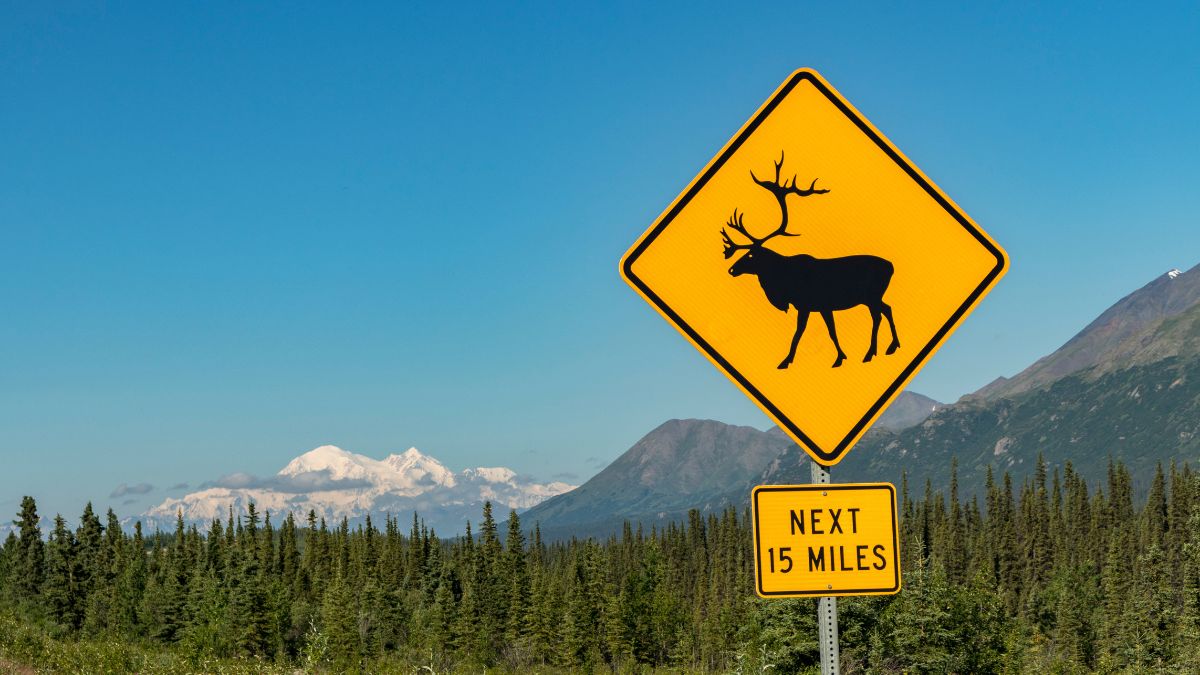
Image Credit: stellamc/Shutterstock.
Denali National Park in Alaska is one of the best places in the world to view wildlife. Keep in mind, though, that much of it is open and thus doesn’t provide much shelter from aggressive or protective wildlife. Just some of the animals here that can be dangerous are bears, musk oxen, moose, wolves, and Dall sheep.
Glacier– Iceberg Lake
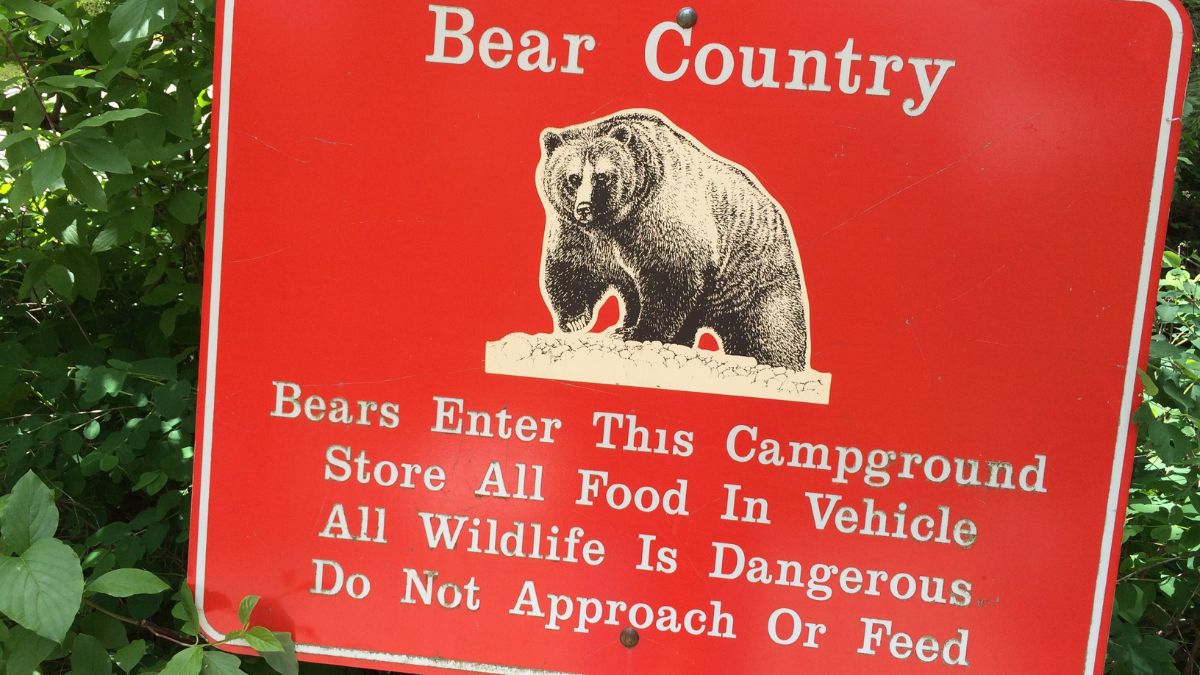
Image Credit: Holly Gross/Shutterstock.
This hike in Montana is hands-down one of the most beautiful in the entire national parks system. It’s also the trail that leads all park trails in bear sightings, and a lot of them are grizzly bears. Don’t hike in the dark, hike in groups, and carry bear spray.
Glacier– Grinnell Glacier
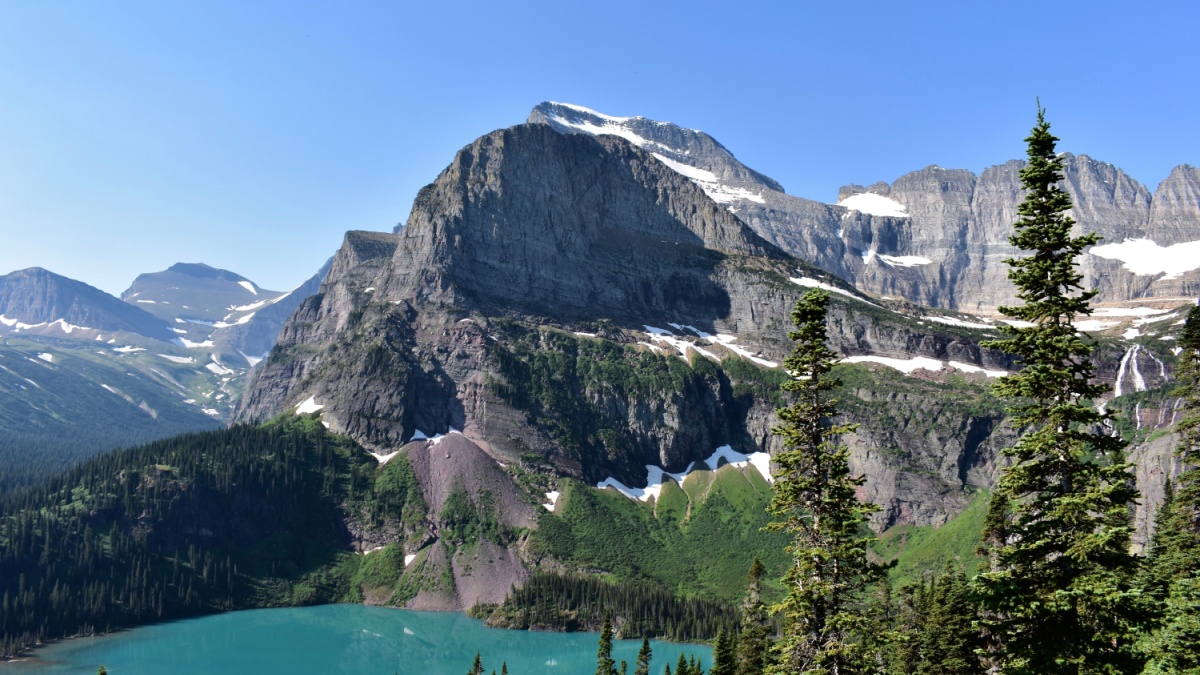
Image Credit: Brian Blust/Shutterstock.
Located in the same section of the park as the Iceberg Lake, this trail also has a high number of bear sightings. In fact, it’s common for rangers to temporarily shut the trail down due to ongoing bear activity, often mothers with cubs frequenting the vicinity of the trail.
Glacier– Hidden Lake Overlook
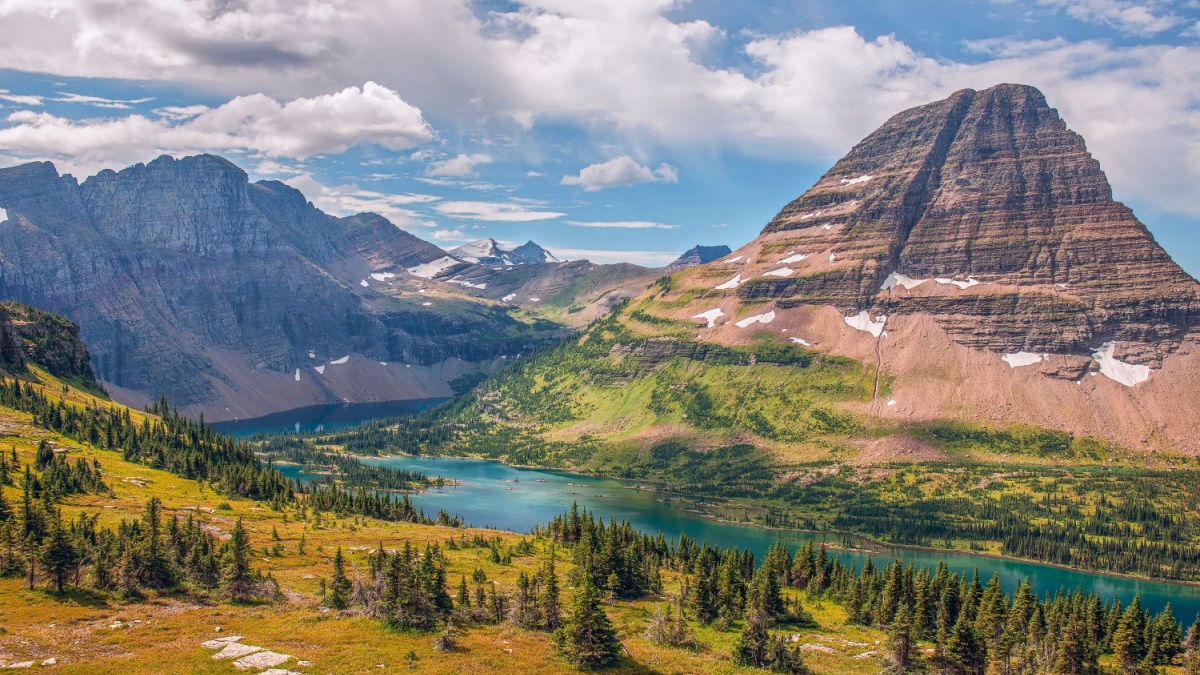
Image Credit: VIKVAD/Shutterstock.
The crowded parking lot here means that bears rarely appear, but mountain goats and bighorn sheep are common; they even sometimes walk around the parking lot. While they’re mostly pretty used to people, they’re still wild animals, and ask yourself if you’d like to get too close and get gored or rammed by their horns.
Yellowstone– Lamar River
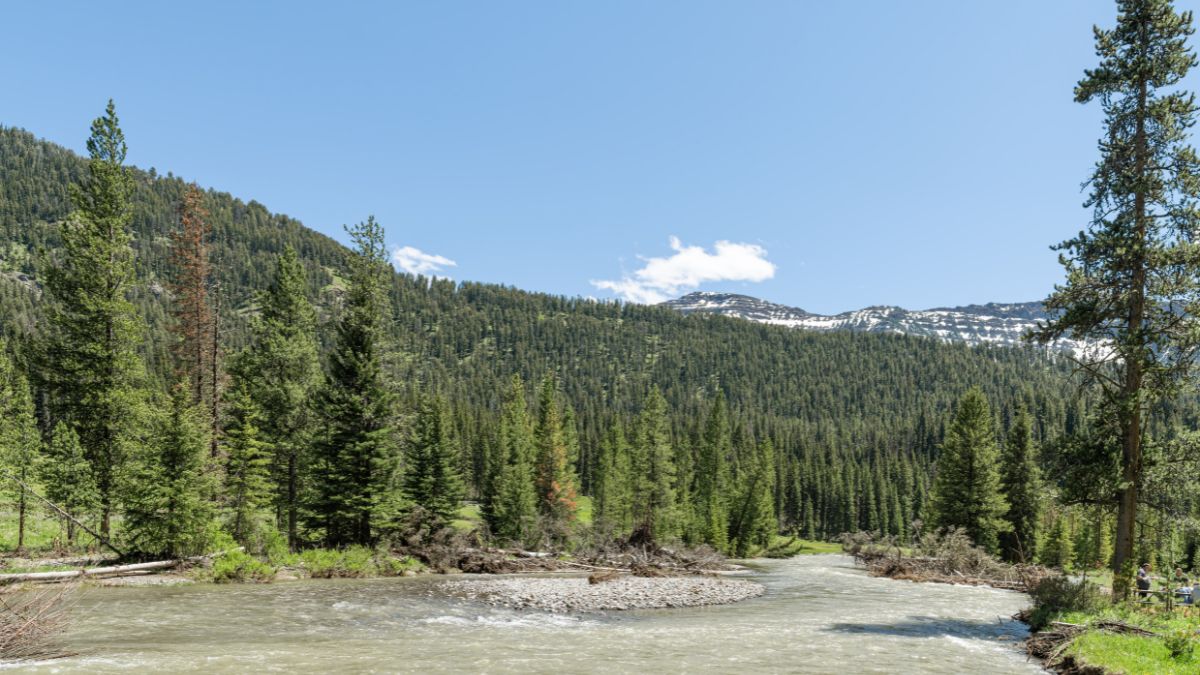
Image Credit: dvlcom – www.dvlcom.co.uk/Shutterstock.
The Lamar Valley is famed for all the wildlife on display here, and the Lamar River Trail, which reaches the river and fords it, gets you even closer to all that wildlife. You’re likely to get very close to bison, which are large, powerful, and unpredictable. In fact, more people are harmed by bison in this park than by bears; they’re not gentle cows you can walk up to and pet.
Yellowstone– Upper Geyser Basin
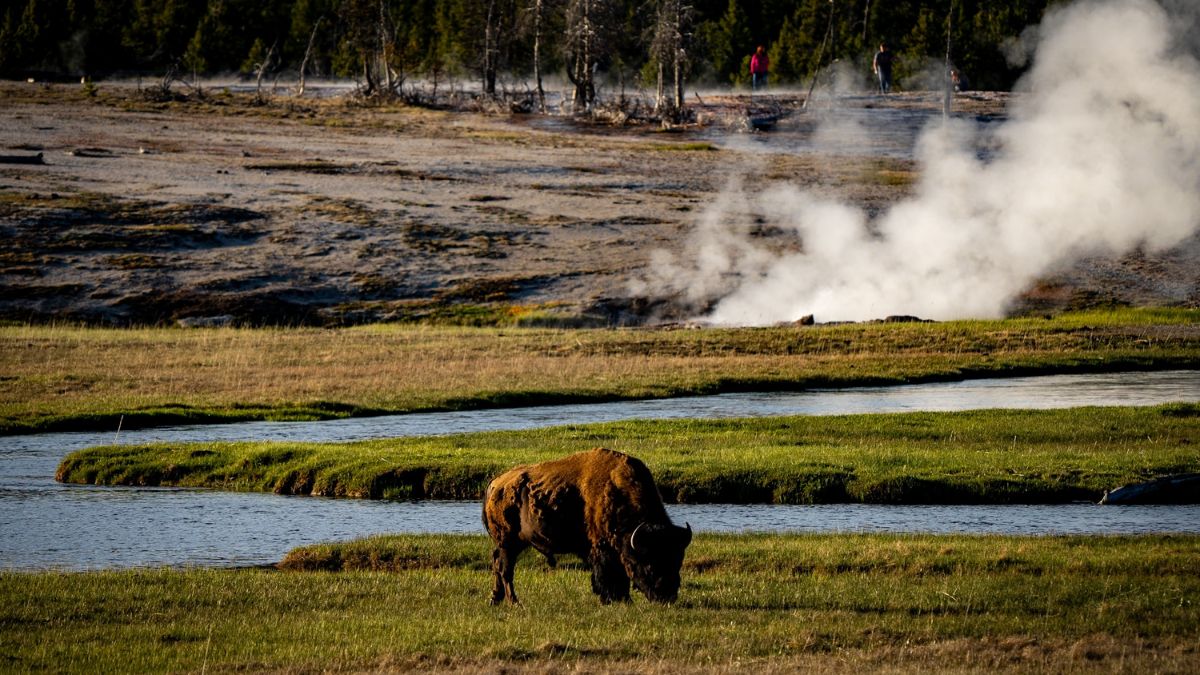
Image Credit: Tedi S Photography/Shutterstock.
Upper Geyser Basin is where world-famous Old Faithful is, and it’s pretty much always crowded when the sun is up. Bison and elk like to hang out here, too, and there have been a number of incidents resulting from people getting too close to them.
Badlands– Sage Creek Basin
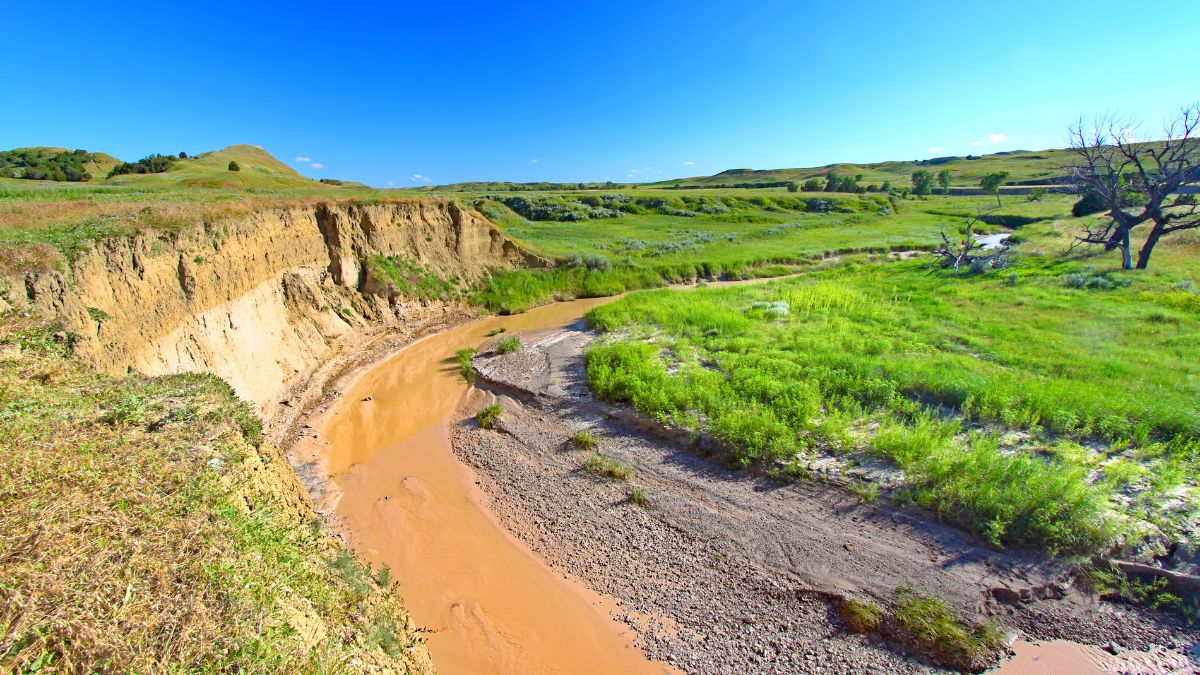
Image Credit: Jason Patrick Ross/Shutterstock.
Another bison alert! Sage Creek Basin is perfect for rambling in a wilderness setting without any developed trails. But there are also herds of bison out there, and I can tell you from experience that it’s not exactly comforting to round a blind curve in the dry washes there and encounter a bison not pleased to see you!
Death Valley– Mesquite Flat Dunes
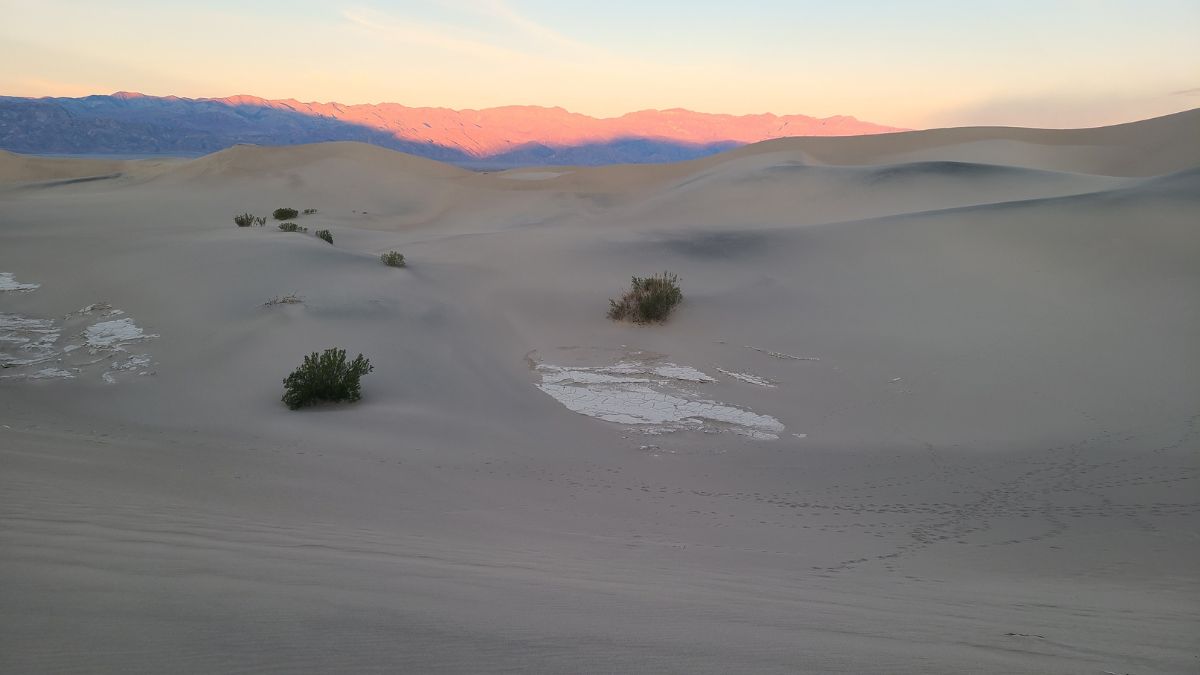
Image Credit: salilbhatt/Shutterstock.
These famous sand dunes that have been featured in many films, including the original Star Wars, are easy to get to and not dauntingly tall. They’re also great places for sidewinder rattlesnakes to lie in wait for prey, and they are good at halfway burying themselves in the sand so that they’re very difficult to detect. Now add in that most people do the dunes barefoot…
Everglades– Anhinga Trail
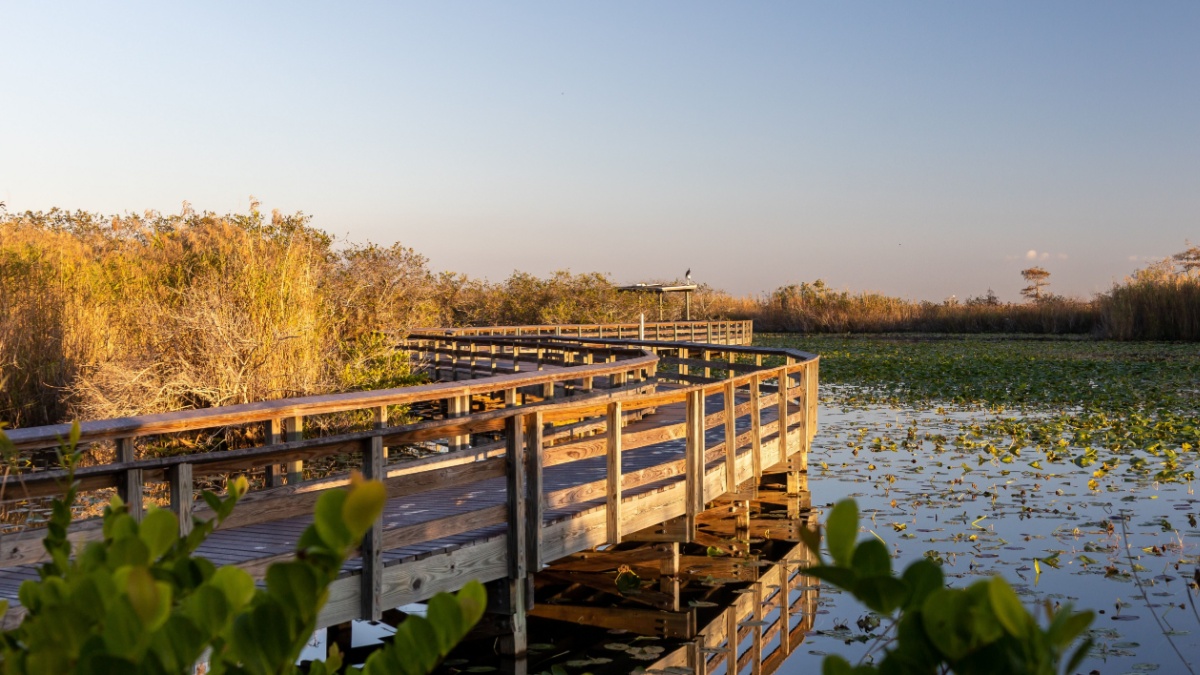
Image Credit: Jaromir Vanek/Shutterstock.
One of the best trails in the country for viewing wildlife, especially a broad array of bird species, the Anhinga Trail is a delight. Many alligators call the waters here home, and they often back in the sun just inches from the trail. Sound advice: as laid-back as alligators usually seem, it isn’t wise to get close to carnivores with big, sharp teeth; strong jaws; the ability to swim well; and the ability to run faster than you can. Plus, the adults are longer than you are tall.

Leave a Reply