
Most of us know that national parks, despite all the roads, campgrounds, and visitor centers, can be dangerous once you get out of the car.
And while we can all relate to the worry about falling off the edge of the Grand Canyon, tumbling over a waterfall in Yosemite, or getting attacked by a bear in the Smokies when you didn’t secure your food, it’s also easy to miss the less-obvious and published risks present in so many other national parks.
So let’s look at some of them.
Olympic National Park, Washington
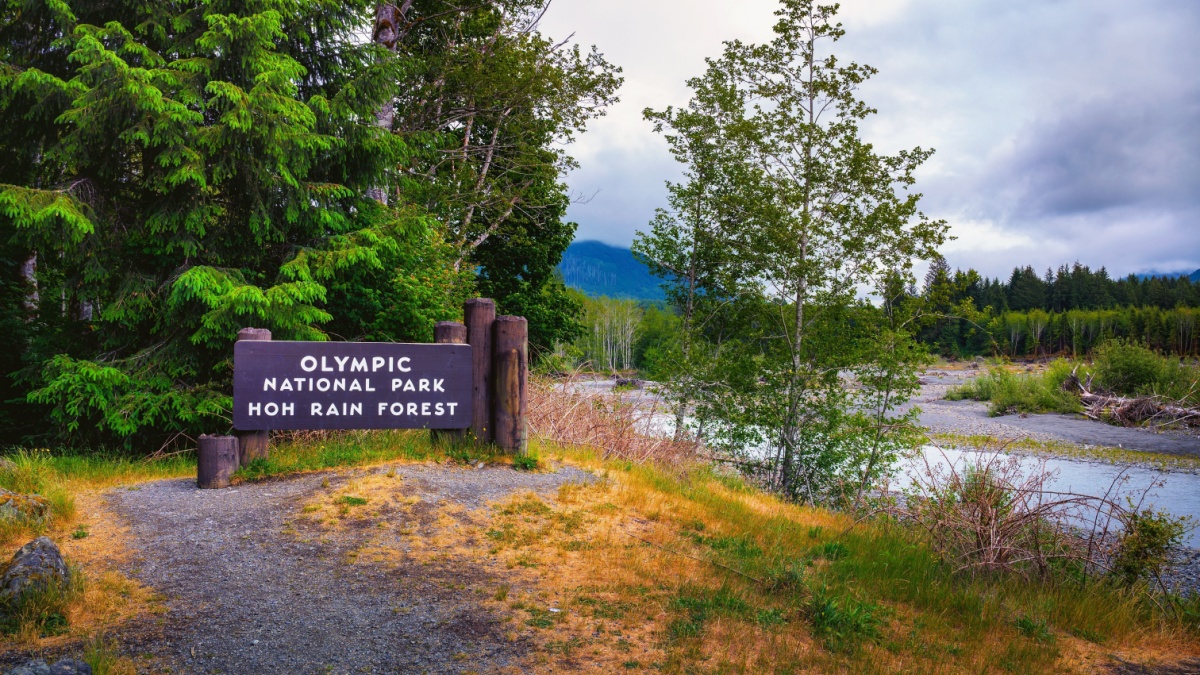
Image Credit: Nick Fox/Shutterstock.
The high mountains of Olympic come with snow and ice hazards as well as the standard risks of rocky, remote terrain. However, there’s a risk in the coastal areas that many might not think about: getting caught offshore while exploring tidal pools as the tide comes back in.
Kings Canyon-Sequoia, California
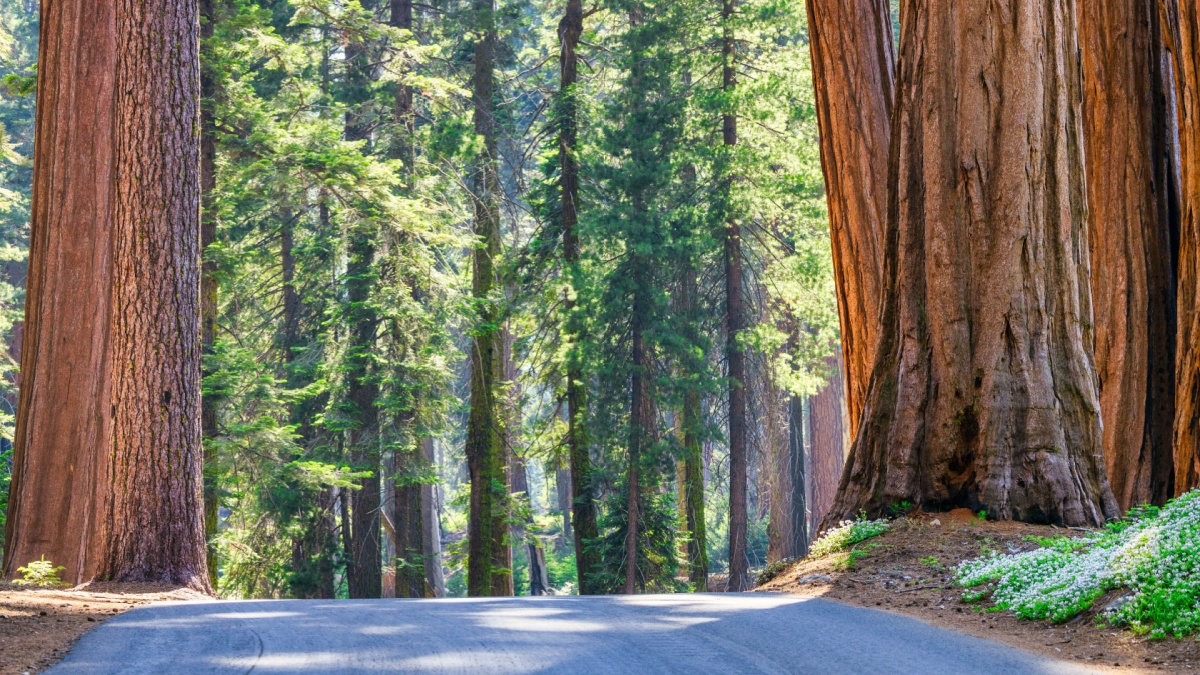
Image Credit: Lebid Volodymyr/Shutterstock.
The backcountry of these contiguous parks in the Sierra Nevada is rugged and remote, so help is far away and rescues can be difficult and dangerous. Altitude sickness is also a concern because many trails are above 10,000’ and can go higher than 14,000’.
Death Valley, California

Image Credit: Jakub Maculewicz/Shutterstock.
The heat is the big threat here; life-threatening conditions can develop quickly without adequate hydration and sun protection, and they can even occur when you have both of those. Also, the hundreds of miles of unpaved roads lead to remote locations where vehicular trouble can present serious problems. It’s best to travel with an extra spare, extra fuel, and at least twice as much water as you think you’ll need.
Yellowstone, Idaho-Montana-Wyoming
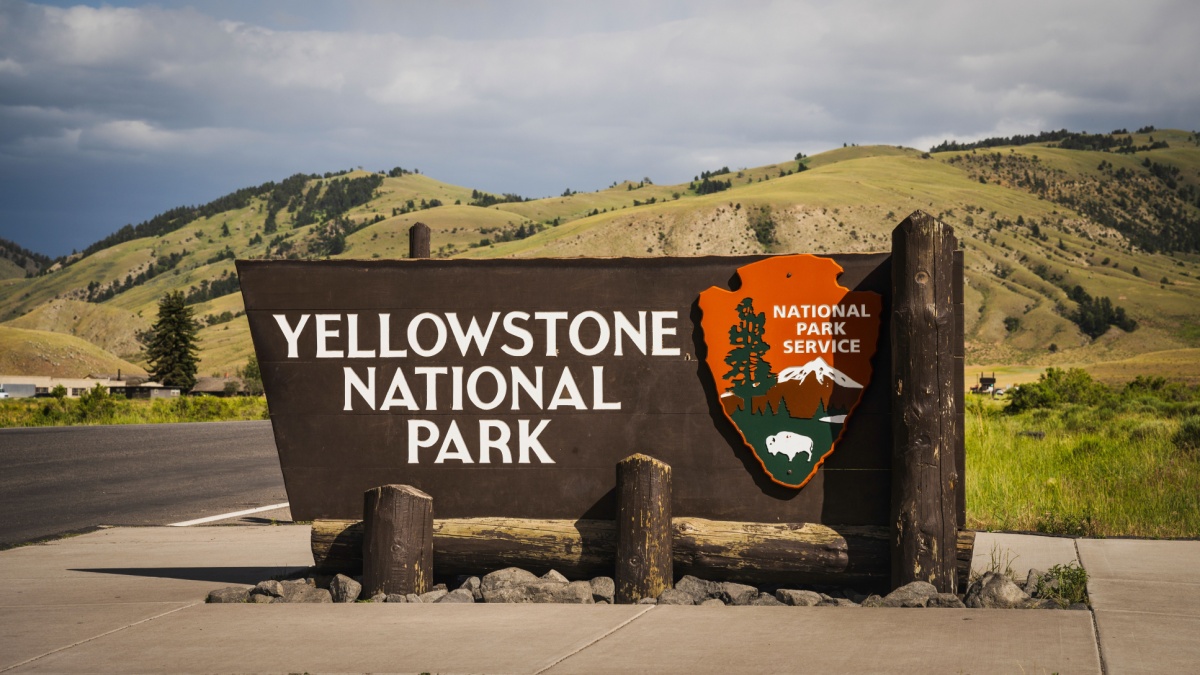
Image Credit: NayaDadara/Shutterstock.
Yellowstone is famous and infamous for its bears, but bear attacks are actually very rare. More dangerous encounters occur with animals like elk and bison that too many people wrongly assume are tame. Speeding drivers also contribute to accidents that harm and kill both people and wildlife. And the geyser basins are no places for a little off-trail exploring; the crust is dangerously thin, and the waters beneath them are, at their mildest, scalding.
Grand Teton, Wyoming
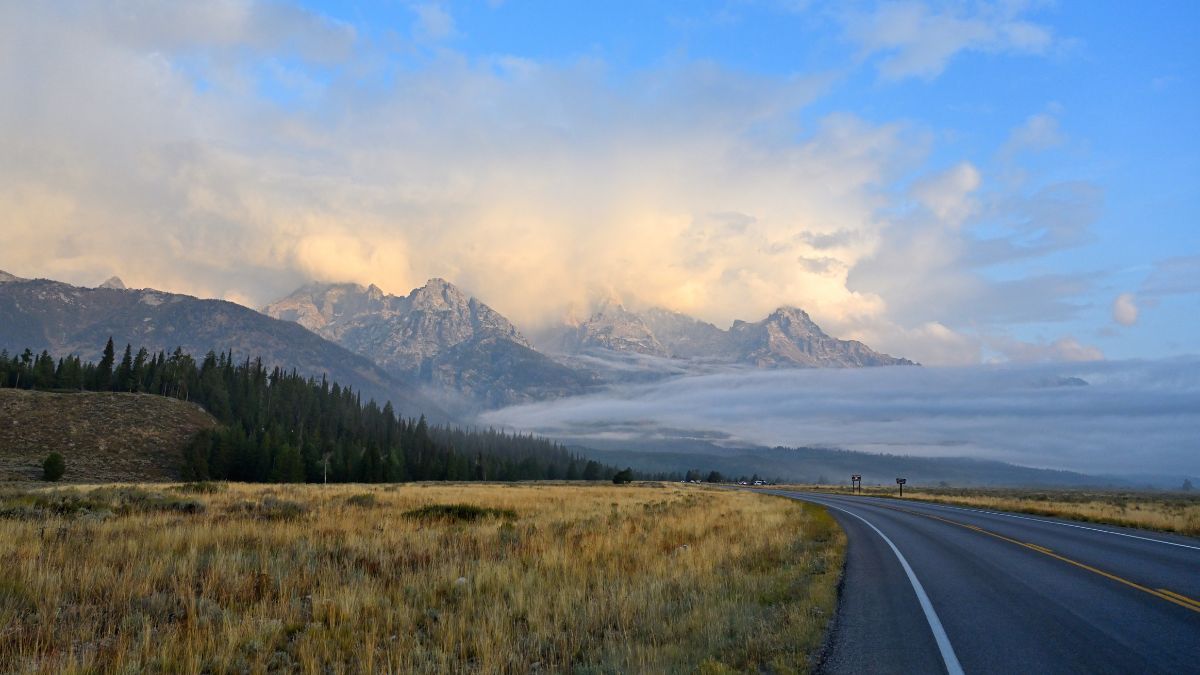
Image Credit: J Guidi/Shutterstock.
The trails and the valleys here come with the usual concerns about weather, wildlife, and adequate provisions. However, the biggest risk to humans (and wildlife) is other humans. The combination of roads with high speed limits and drivers not paying attention to traffic can be a deadly one.
Badlands, South Dakota
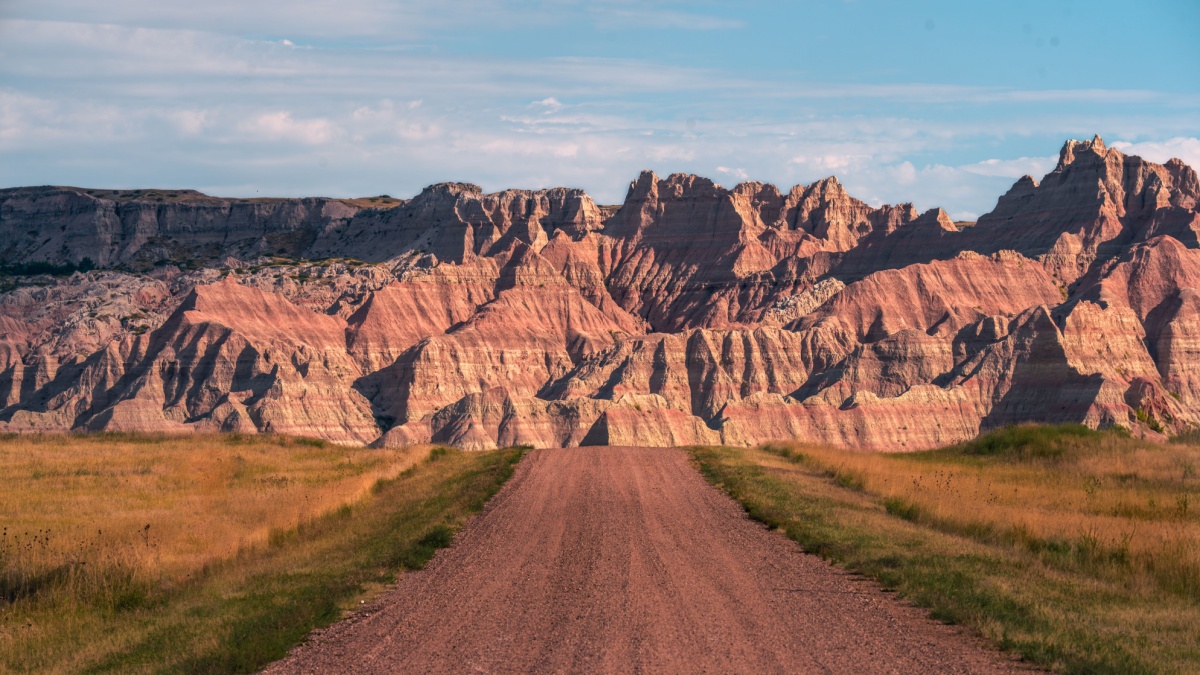
Image Credit: Abstract Artist USA/Shutterstock.
Most established trails here are quite short, so dehydration and heat-related conditions aren’t terribly common. However, the open terrain here is great for wandering and exploring, but with them comes the need to watch out for free-roaming bison close by and for rattlesnakes near your feet.
Rocky Mountain, Colorado
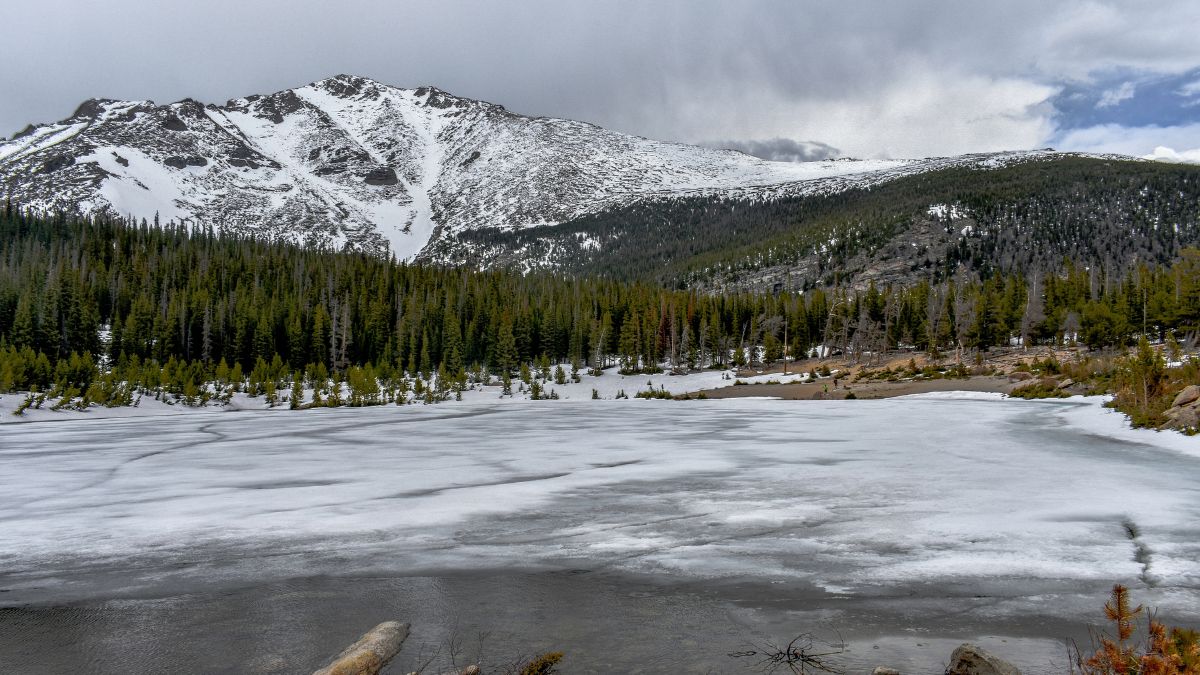
Image Credit: MFricke/Shuttesrtock.
Much of this park is above 10,000’ in altitude, and because some roads climb into the alpine heights very quickly, symptoms of altitude sickness are common. Summer in the Colorado mountains also means the chance of thunderstorms almost every day, and getting caught in one above treeline is both terrifying and dangerous. In the backcountry, lost and injured hikers may have to wait days for help due to weather, remoteness, and challenging terrain.
Great Sand Dunes, Colorado
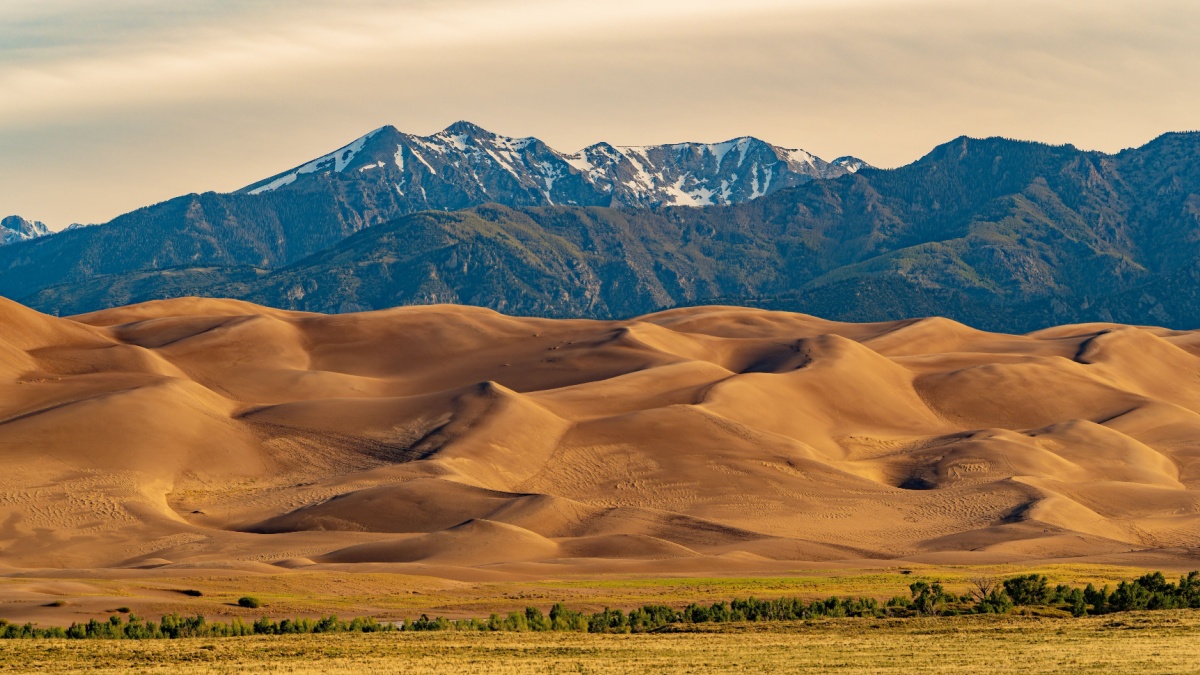
Image Credit:Kit Leong/Shutterstock.
The dunes here are beautiful and fun to climb, but they’re the tallest in America, and they’re steep and loose. Upward progress is therefore usually slow, and on hot days, this can contribute to dehydration, fatigue, and heat-related illnesses.
Canyonlands, Utah
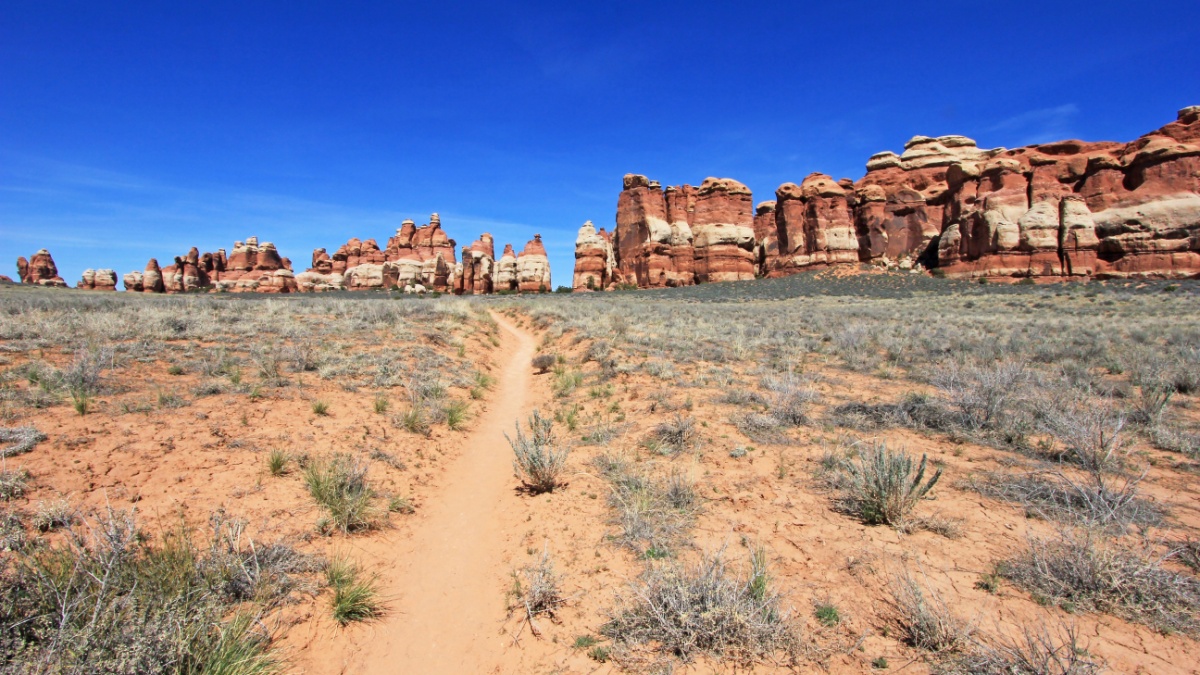
Image Credit:reisegraf.ch/Shutterstock.
Most visitors only do short hikes or stop at scenic overlooks, so they don’t face much in the way of unusual risks. The backcountry destinations reached by longer hikes and dirt roads is a different story. The ruggedness of the terrain and its remote setting mean that help can be long in coming and difficult to deliver for people who end up in trouble out there.
Saguaro, Arizona
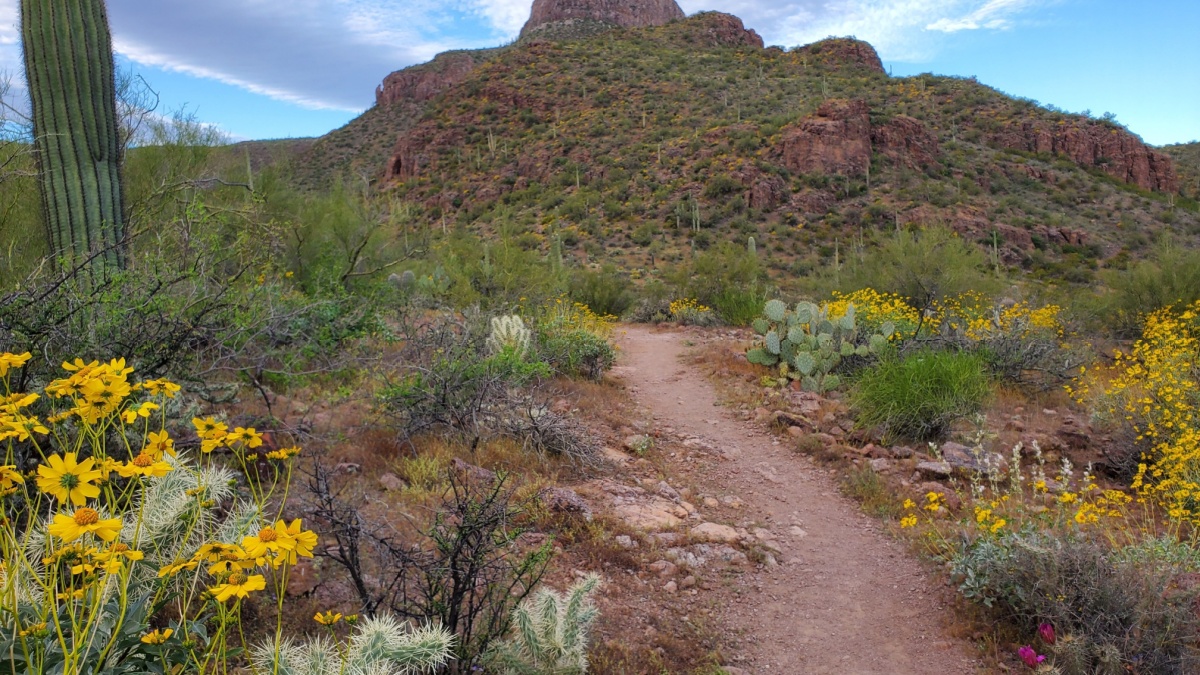
Image Credit:Charles T. Peden/Shutterstock.
Yes, you need good footwear to protect yourself from rattlesnakes that you might surprise. However, this is really another of those places where heat is the biggest risk.
On summer days, air temperatures can be between 110 and 120 degrees, which can be deadly for people inadequately prepared and for those who have health conditions that the heat can trigger. For example, extreme heat can bring on heart attacks rather than causing heatstroke and heat exhaustion.
White Sands, New Mexico
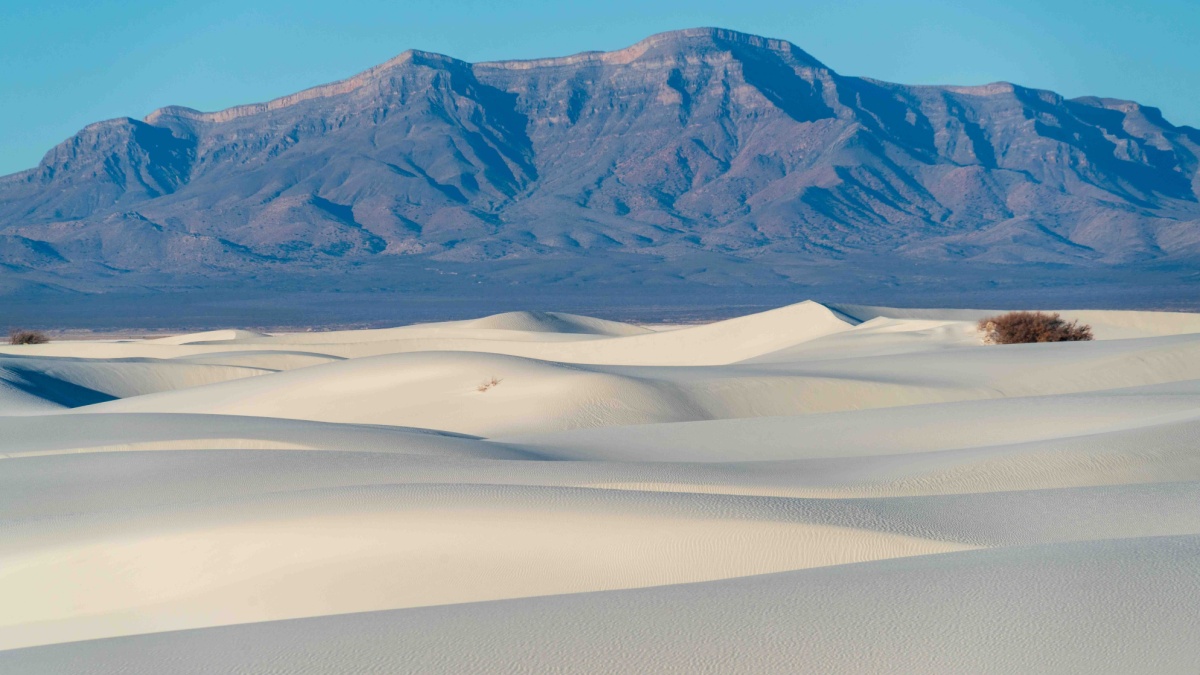
Image Credit:Zack Frank/Shutterstock.
Summer temperatures are brutally hot here, especially in the middle of the day. The sun baking on the dazzling sands has a reflector-like effect that makes the surface even hotter. People have died after wandering off among the dunes, getting lost, and then succumbing to heat after running out of water.

Leave a Reply