
Let’s say you want to see some of our amazing national parks but don’t have time to stay long.
The following parks in the West Coast states and the Desert Southwest will give you a taste of their best as you drive through them, but you might have to stop at overlooks from time to time to really get it!
Mount Rainier, Washington
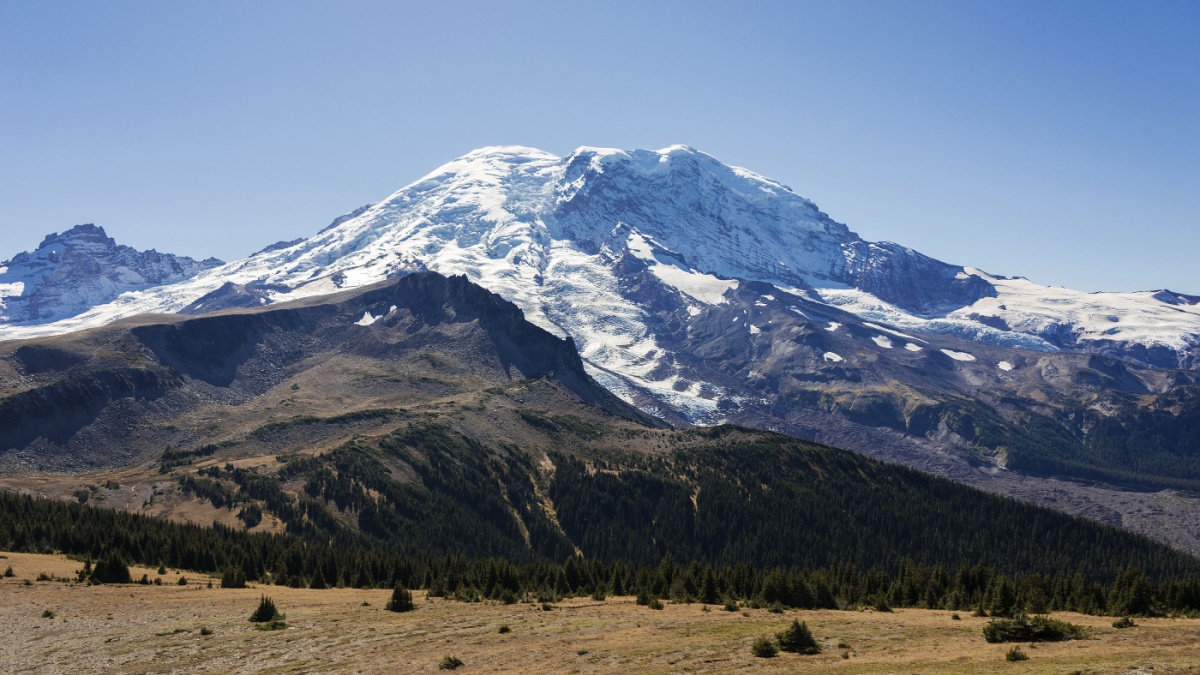
Image Credit: Modern Meta Photography/Shutterstock.
When Mount Rainier is “out,” it’s one of the most amazing sights you’ll ever see. Chances for that are best in summer, which is the clearest and driest season here. That’s also when the road to Sunrise is open; it’s the closest you can get to the mountain by car.
Crater Lake, Oregon
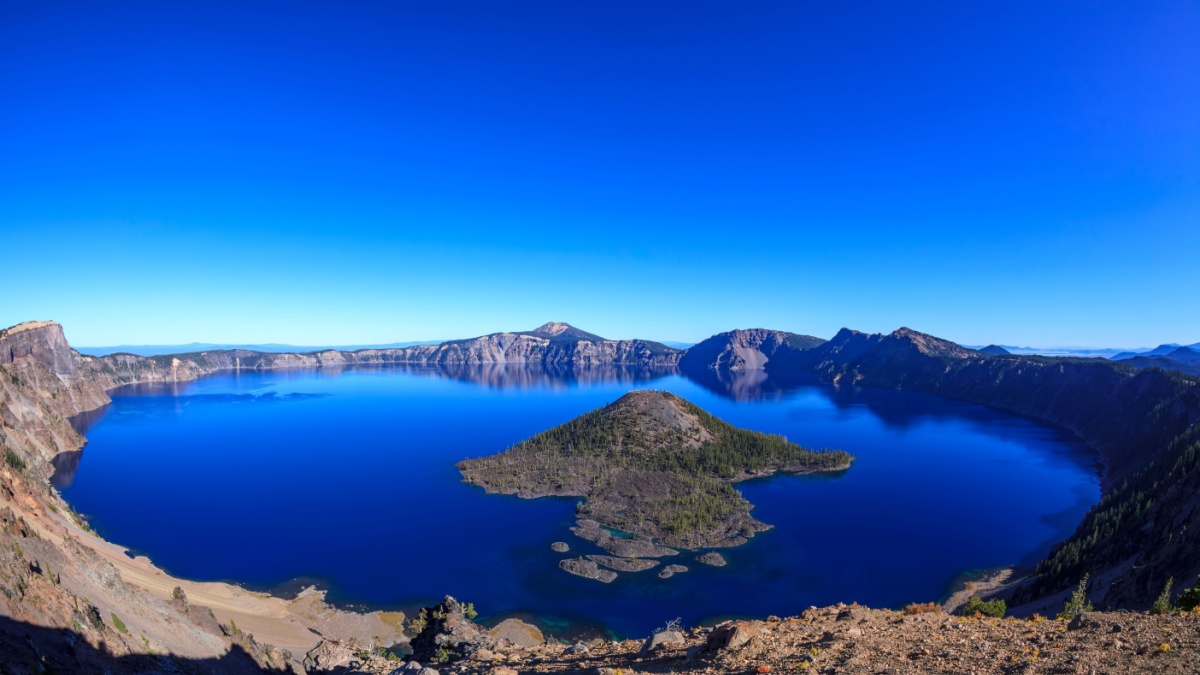
Image Credit: Kasbah/Shutterstock.
Crater Lake fills the caldera of an ancient volcano that blew its top. It’s the deepest lake in the U.S., and a loop around it allows you to see this incredibly blue lake from many different perspectives.
Redwood, California
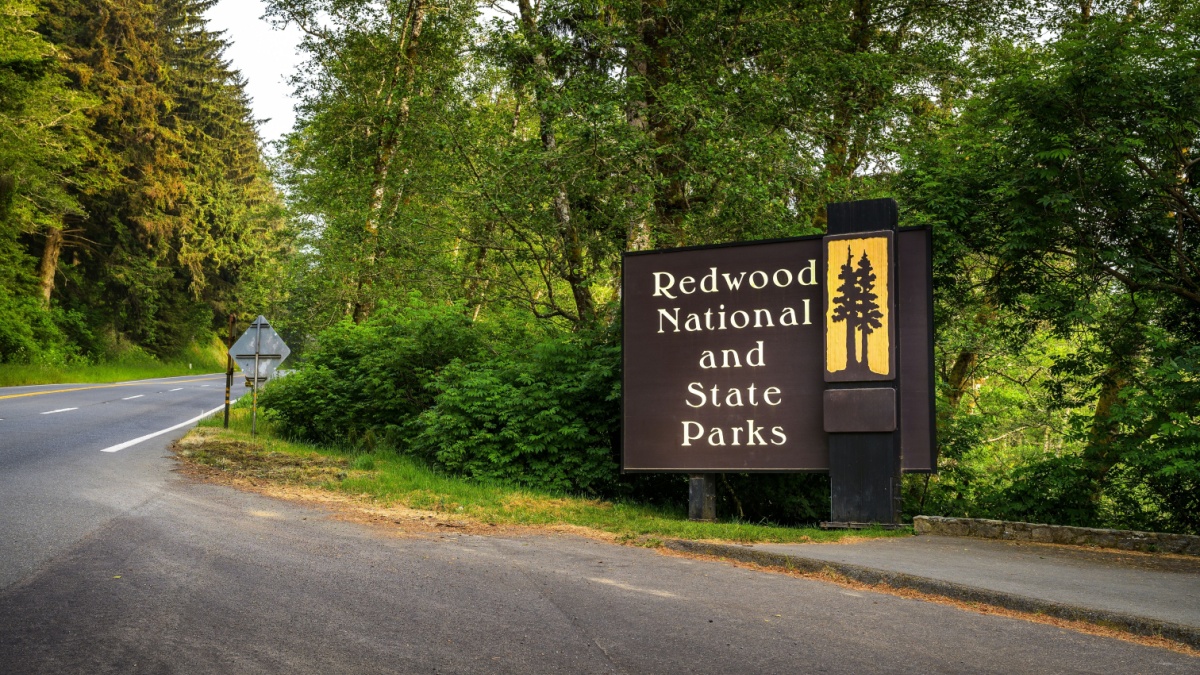
Image Credit: Nick Fox/Shutterstock.
There are two parts to Redwood: the Redwood groves up in the hills, and a coastal section along the Pacific. Both have good road access that make this park an easy one to see highlights by car.
Yosemite, California
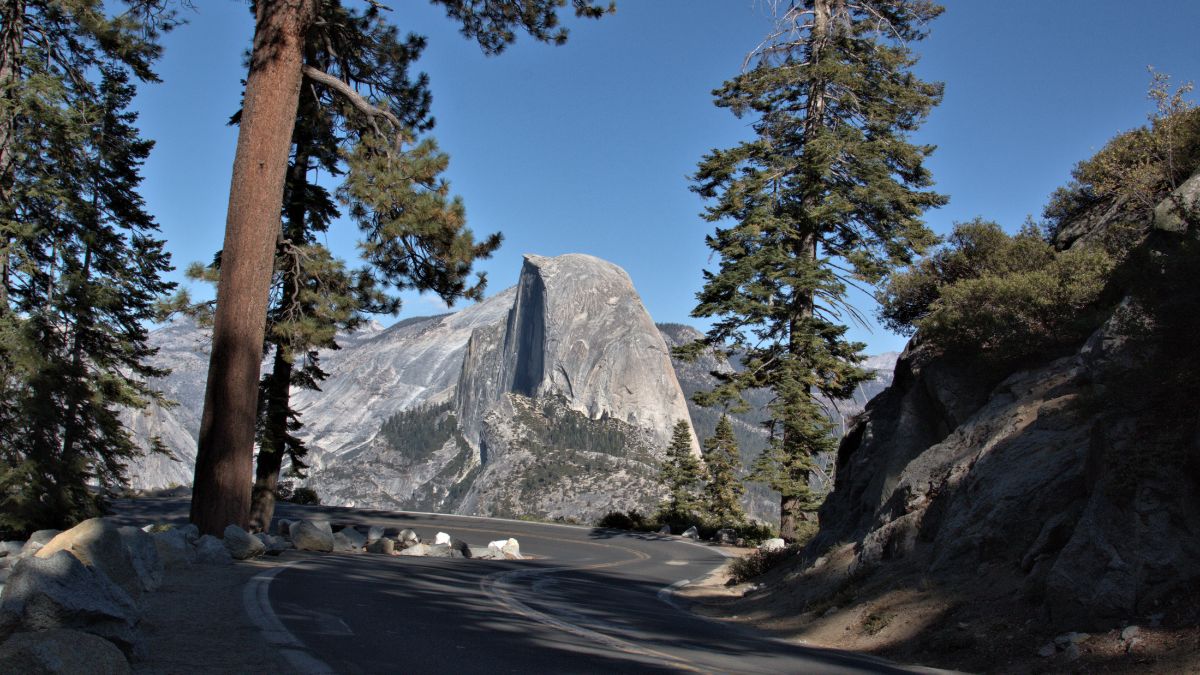
Image Credit: ron99/Shutterstock.
There are three road sections you have to experience here. First, there’s the loop through world-famous Yosemite Valley, and many of the highlights are on display from the road. Also, there’s the drive up to Glacier Point, which is perched high above the Valley. Finally, don’t miss the lakes, peaks, and domes in the high country around Tuolumne Meadows and Tioga Pass.
Joshua Tree, California
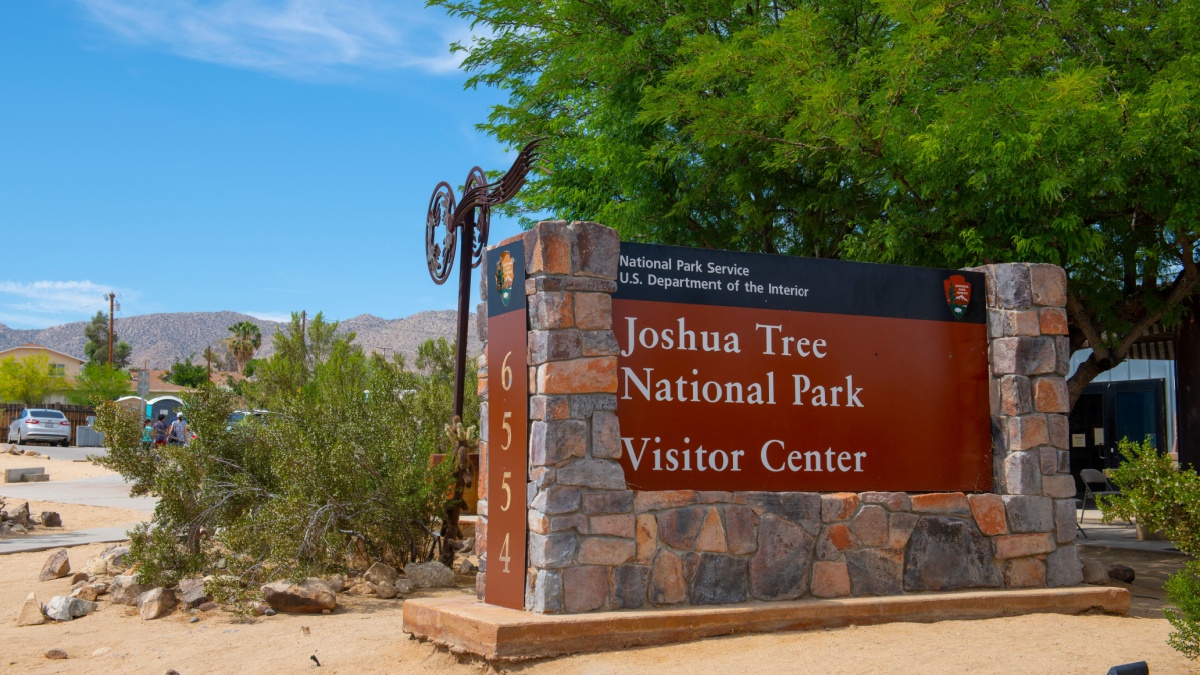
Image Credit: Wangkun Jia/Shutterstock.
The main park road allows you to see granite domes, various cactus species, and, of course, the park’s namesake. There are also spurs to higher and more remote locations that can lengthen your trip.
Death Valley, California
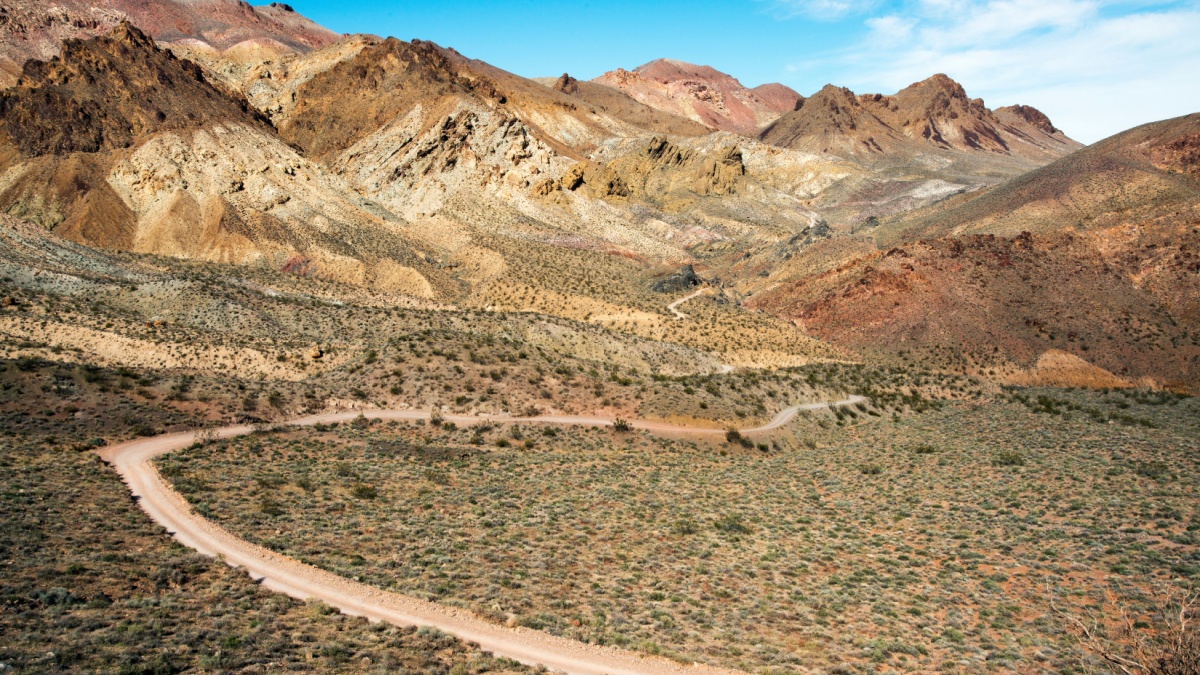
Image Credit: Brent Coulter/Shutterstock.
Death Valley may be the ultimate national park for auto towers. With paved and unpaved roads combined, there is more than a thousand miles of driving possible. From the pavement alone, you’ll see badlands, canyons, desert peaks, salt flats, sand dunes, and so much more.
Arches, Utah

Image Credit: anthony heflin/Shutterstock.
You’re really missing out if you don’t hike some of the trails out here, but you can still see everything the park is about from the park’s scenic drive. Natural arches, desert towers, and sheer cliffs are all on abundant display as you tour the park’s paved roads.
Canyonlands, Utah
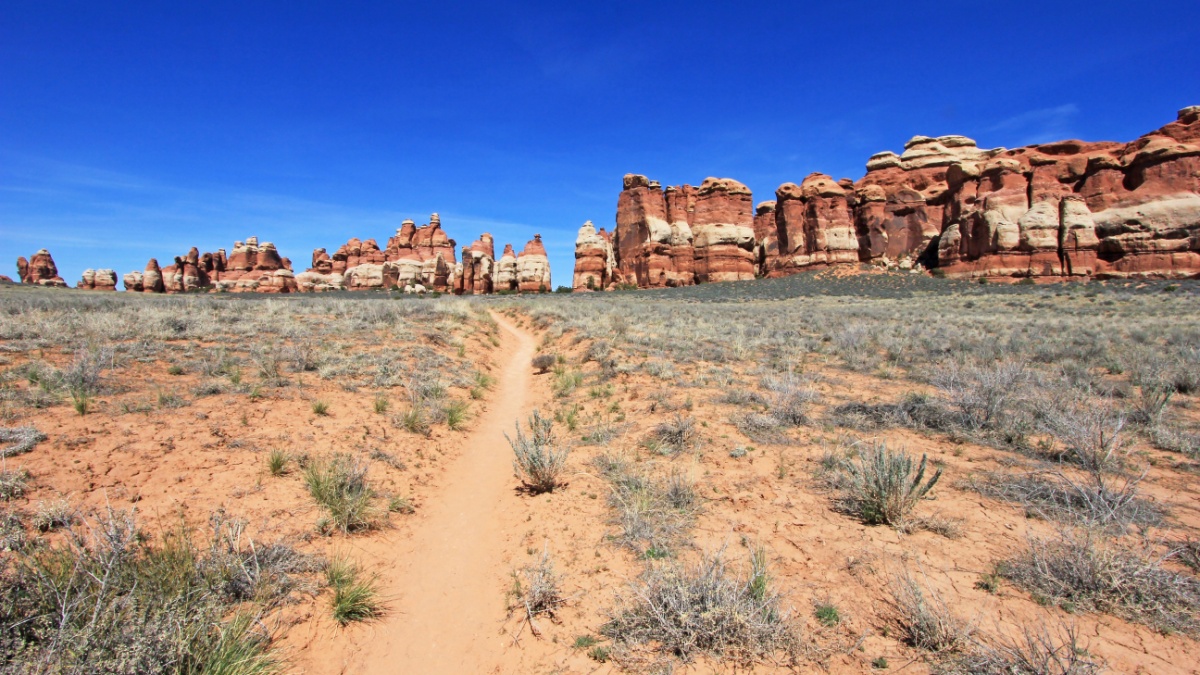
Image Credit:reisegraf.ch/Shutterstock.
For a good auto tour of this park, go to its Island in the Sky District, which is near Arches. You’ll see a natural arch, canyons of the Colorado and Green Rivers, snowy mountains in the distance, and more.
Capitol Reef, Utah
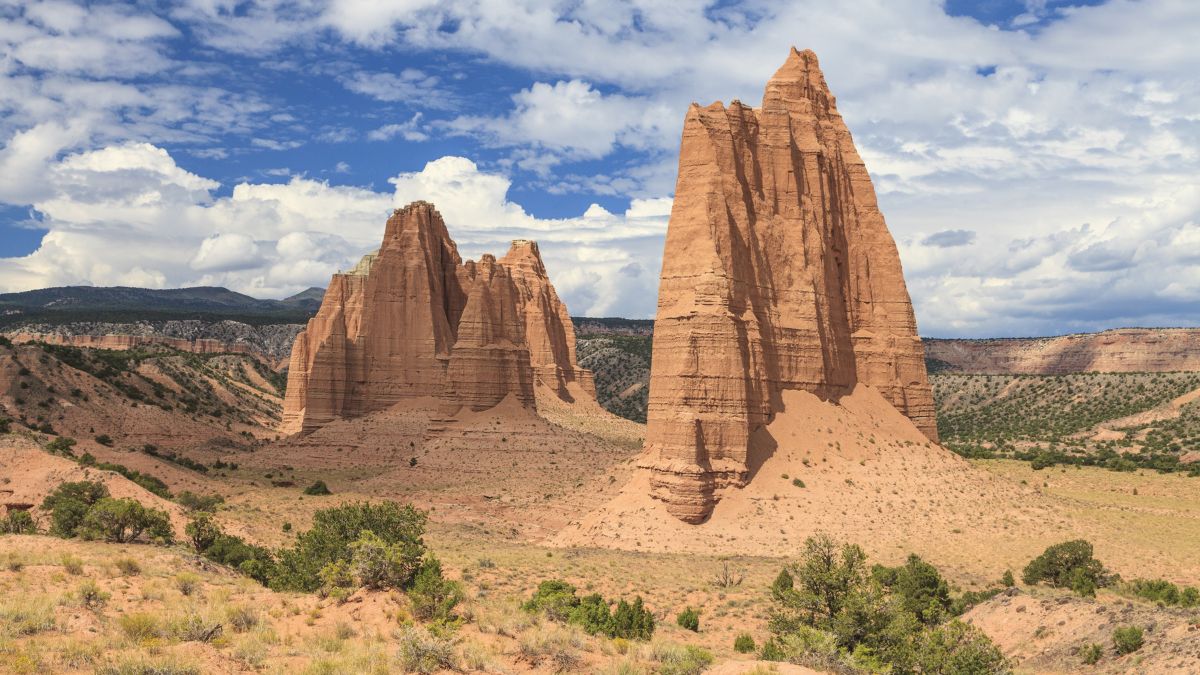
Image Credit: Guoqiang Xue/Shutterstock.
A lot of people, probably most, linking Zion National Park in the western part of the state and Arches in the eastern drive through this national park. It takes less than an hour without stops, and you’ll see beautiful rock formations, rock art, and a desert river as you go.
Bryce Canyon, Utah
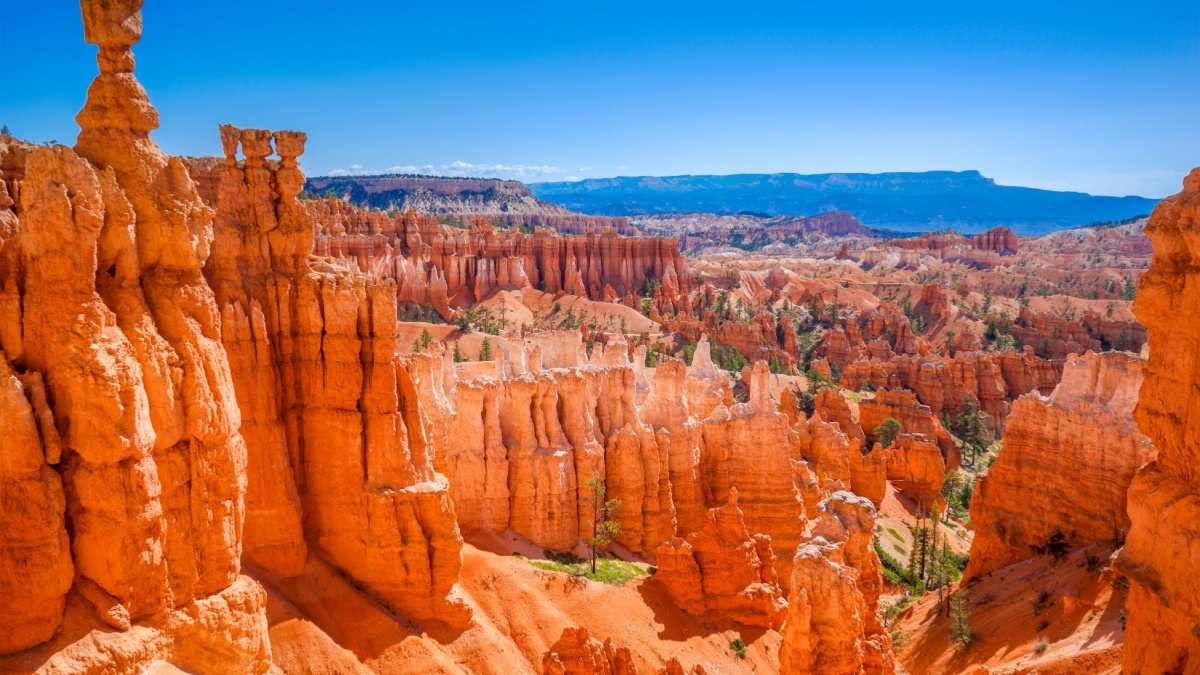
Image Credit:silky/Shutterstock.
Bryce Canyon has a pretty short scenic drive that goes past the main amphitheater and has several nice stops along the way. Two of the best are one with a natural bridge that frames pinnacles behind it and the very end of the road, where a short walk takes you to bristlecone pines, the world’s longest-living trees.
Grand Canyon, Arizona
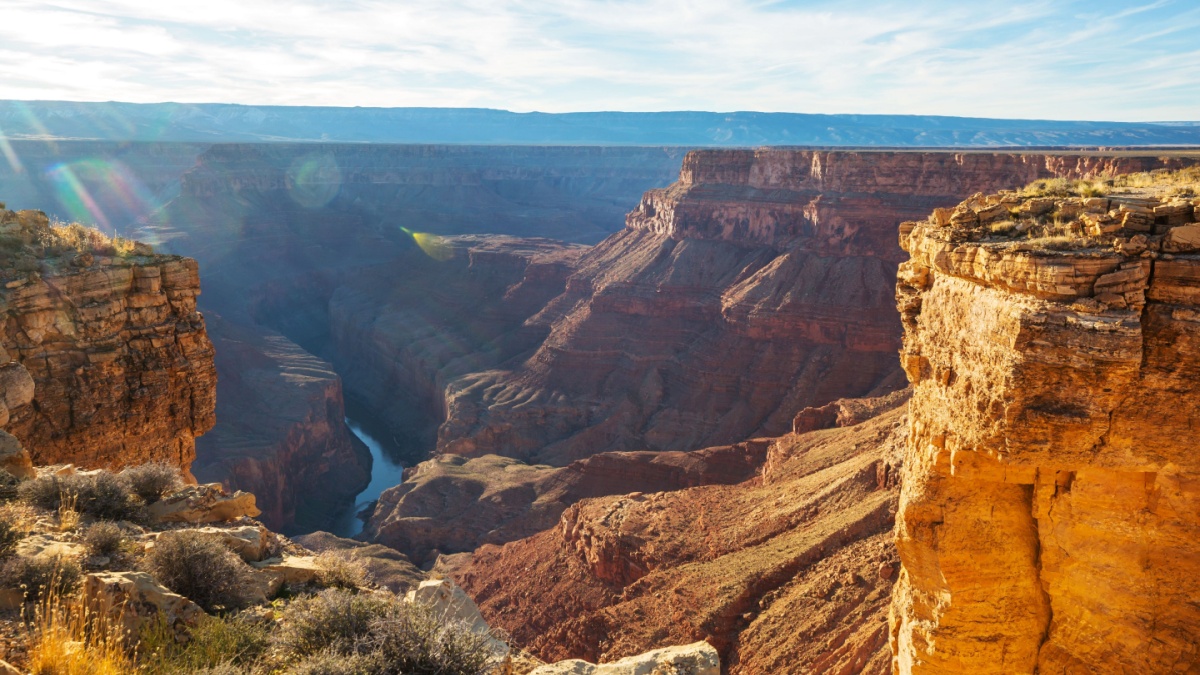
Image Credit: Galyna Andrushko/Shutterstock.
The vast majority of people visiting this national park don’t go on hiking trails but rather just stop at the many scenic overlooks on both the North and South Rims. Be aware that the North Rim is only open late spring through early fall and that at more than 1000’ higher than the South Rim, it has a climate that’s more mountain than desert. (Meaning summer days can be cool and nights can be cold)
Petrified Forest, Arizona
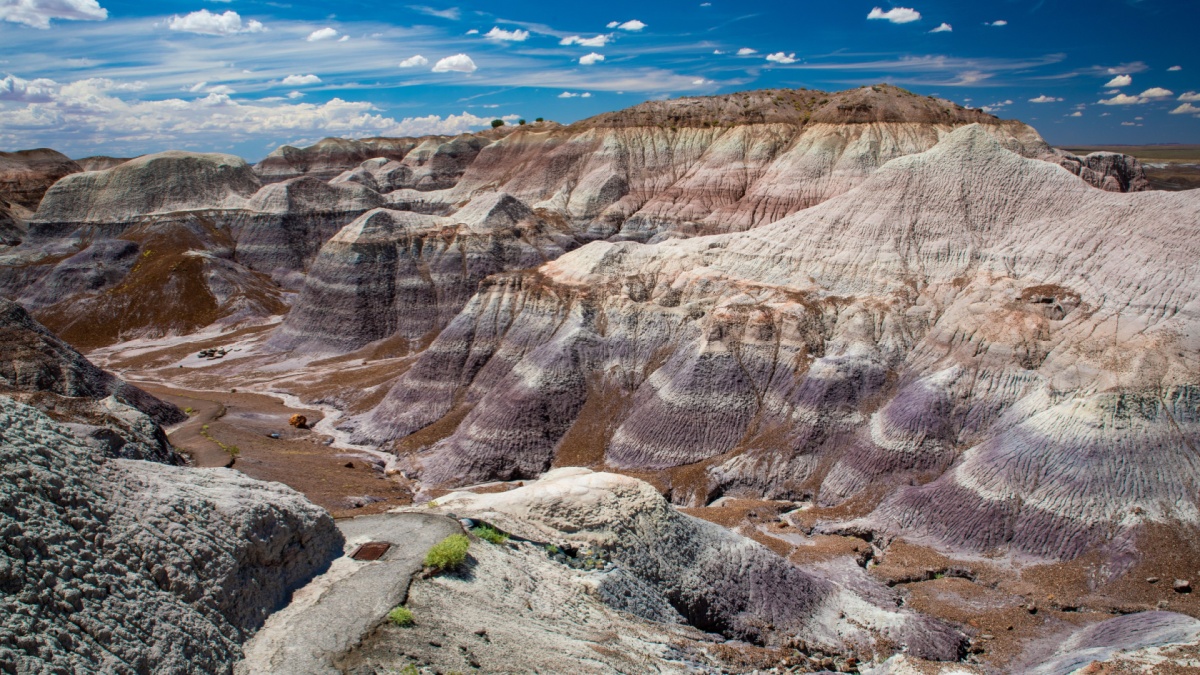
Image Credit: Andrea Chiozzi/Shutterstock.
One of the two access points for the scenic drive through this park is right off I-40. It takes less than an hour to do the drive itself, though you should plan for at least twice that to stop sometimes for scenic views and to check out petrified wood.

Leave a Reply