
In our daily lives, we all rely on the trusty refrigerator to keep our food fresh and beverages cool. However, there are many items that people often overlook when it comes to refrigeration.
It’s not just about the groceries or leftovers; several surprising things actually belong in the fridge to maintain their quality and longevity.
1. Hot Sauce Bottles
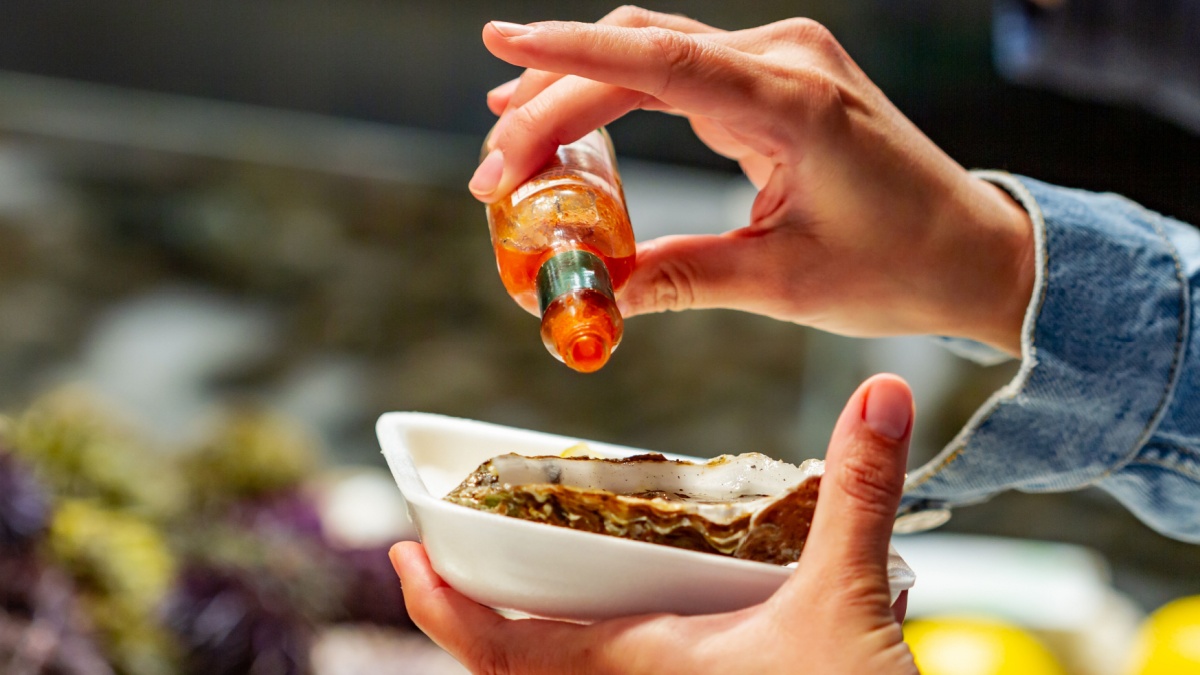
Hot sauce is a staple condiment for many, and it may come as a surprise that hot sauce bottles should be stored in the fridge. The cold temperature helps maintain the flavor and prevents the sauce from spoiling. So, don’t leave your beloved hot sauces languishing in your pantry; give them a cozy spot in the fridge to stay fresh and fiery.
2. Peanut Butter
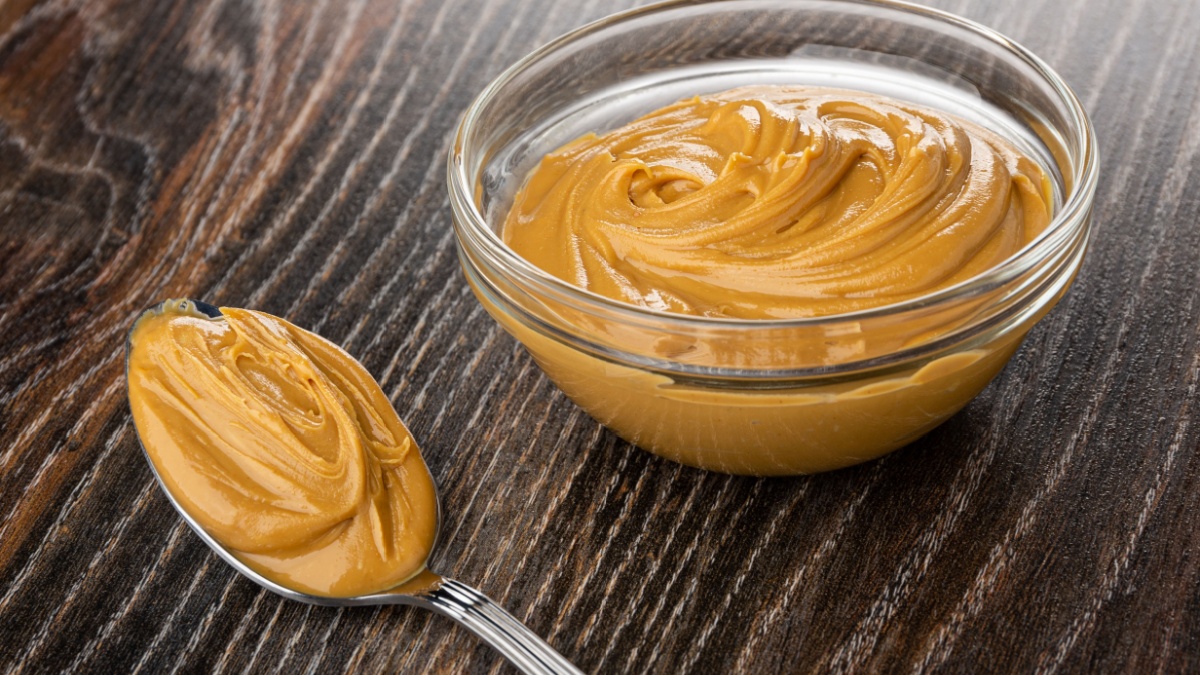
While peanut butter is shelf-stable due to its low moisture content, keeping it in the fridge can extend its shelf life. It prevents the oil in peanut butter from separating, which can be a common issue in warmer climates. So, if you want your peanut butter to stay creamy and delicious for longer, pop it in the fridge.
3. Soy Sauce
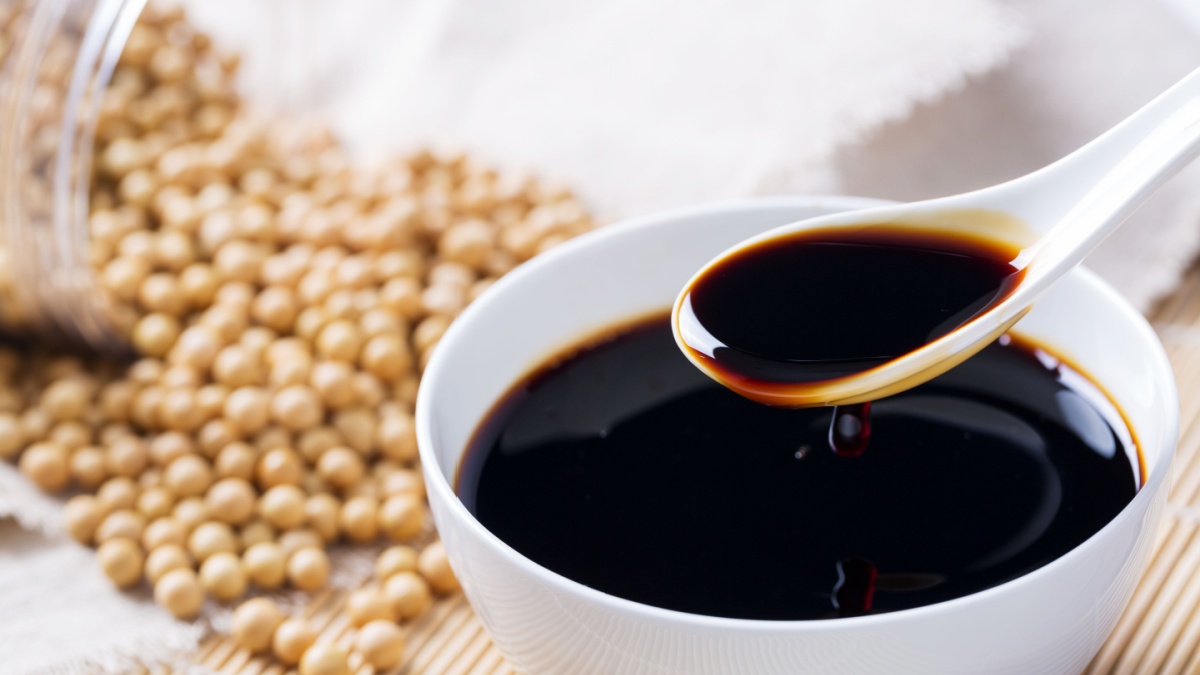
Many people leave their soy sauce bottles on the kitchen counter or in the pantry, but the truth is, soy sauce benefits from refrigeration. This keeps the flavors intact and prevents oxidation, ensuring that your stir-fries and sushi dipping sessions are as tasty as can be.
4. Nutritional Yeast
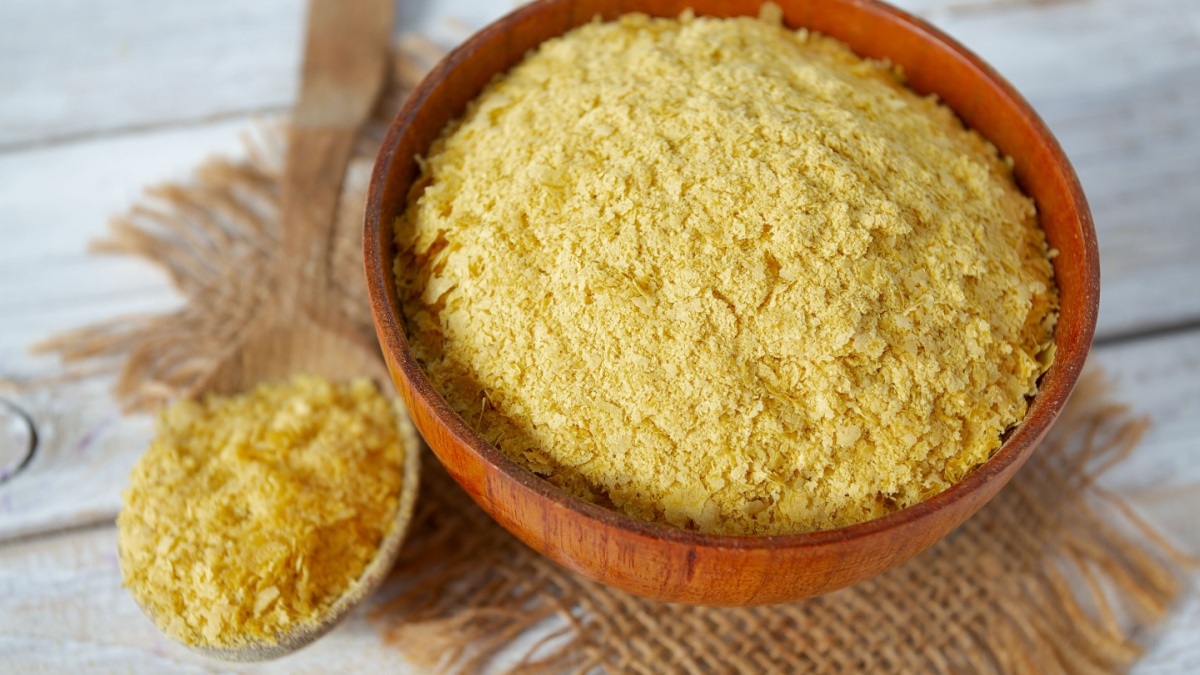
Nutritional yeast is a popular ingredient in vegan and vegetarian cooking, known for its cheesy flavor and nutritional benefits. However, it’s sensitive to light and heat, which can cause it to lose its potency. Storing nutritional yeast in the fridge or a cool, dark place will help preserve its flavor and nutrients.
5. Maple Syrup

Maple syrup is a breakfast favorite, but many people keep it at room temperature. To prevent it from fermenting or crystallizing, it’s best stored in the fridge. The cold environment keeps it fresh, so you can enjoy that rich, natural sweetness on your pancakes and waffles year-round.
6. Tomatoes
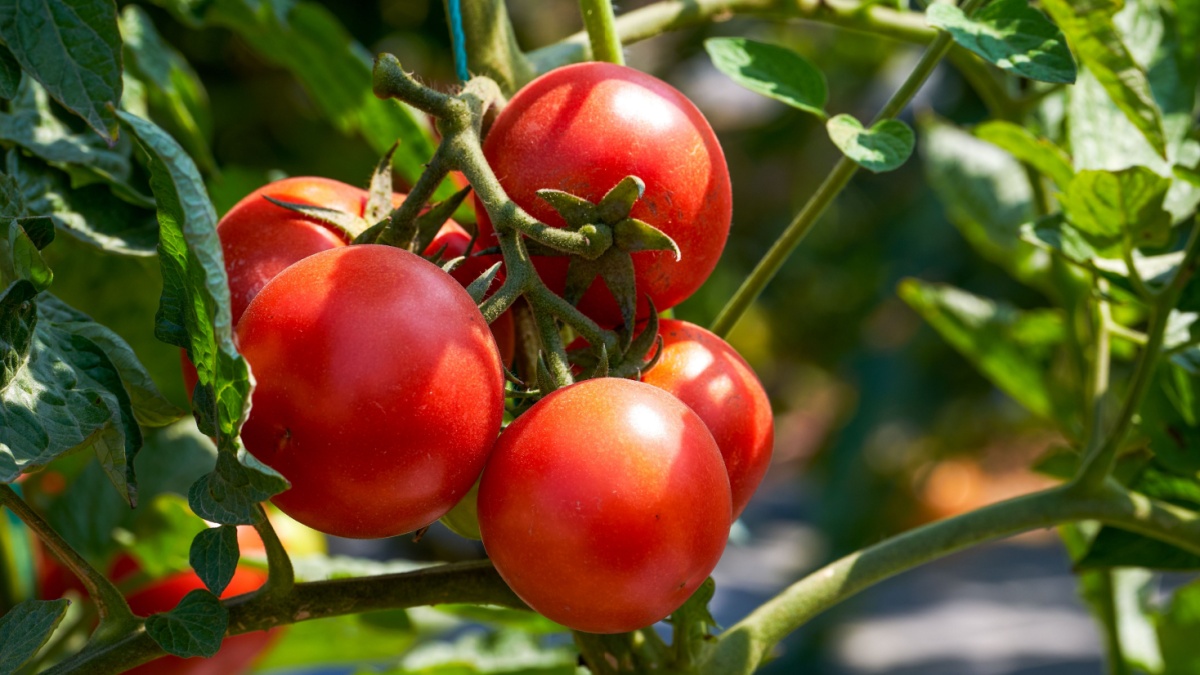
Surprisingly, tomatoes should be stored in the fridge to maintain their freshness. While they may lose a bit of their texture when refrigerated, it’s a small price to pay to prevent them from becoming overripe and mushy on your countertop.
7. Bread
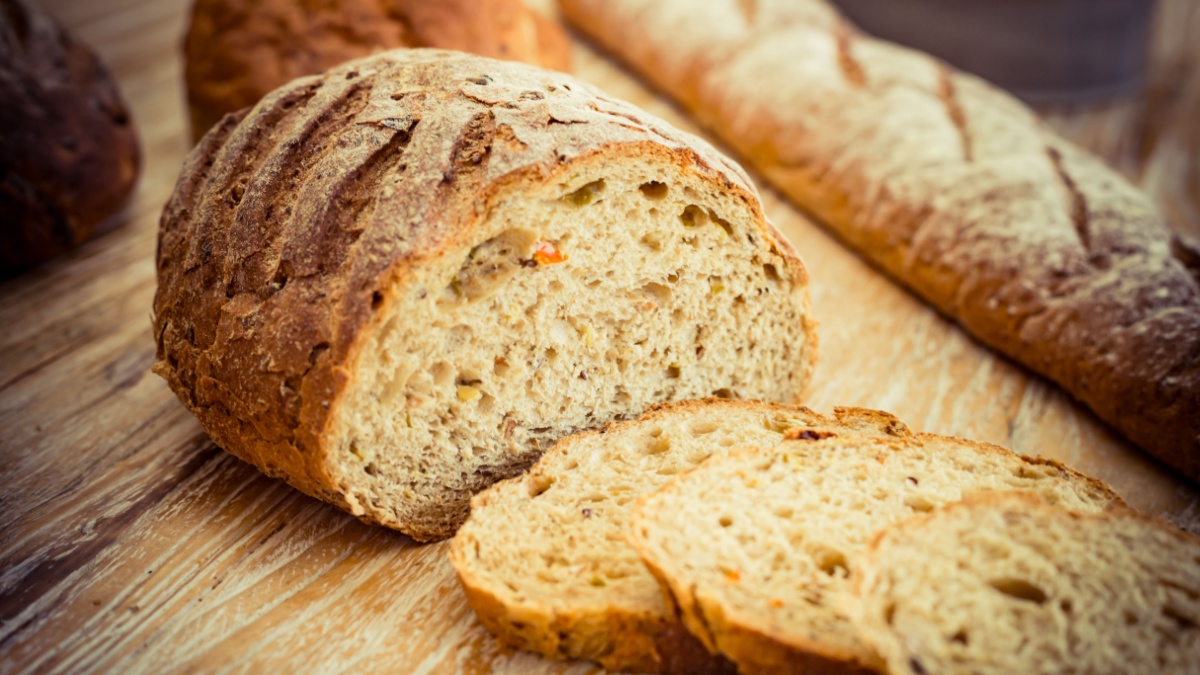
Bread is a kitchen staple, but keeping it at room temperature can cause it to go stale quickly. Storing bread in the fridge slows down the staling process, keeping it fresh for a longer time. Just be sure to keep it well-wrapped to prevent it from absorbing any unwanted odors.
8. Opened Canned Goods
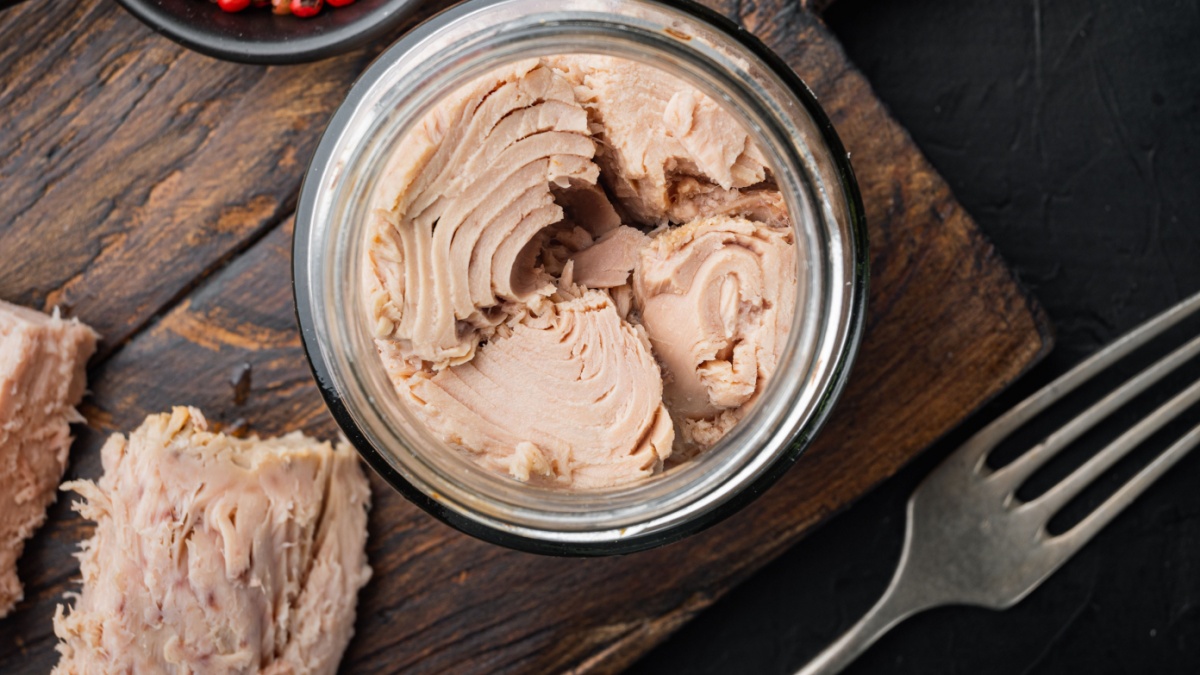
Once you’ve opened a can of food, it’s essential to transfer the leftovers to an airtight container and place it in the fridge. Leaving it in the can can affect the taste and quality of the food. So, if you’ve opened a can of beans, corn, or tomatoes, make room for them in your refrigerator to maintain their freshness.
9. Avocados (When Ripe)
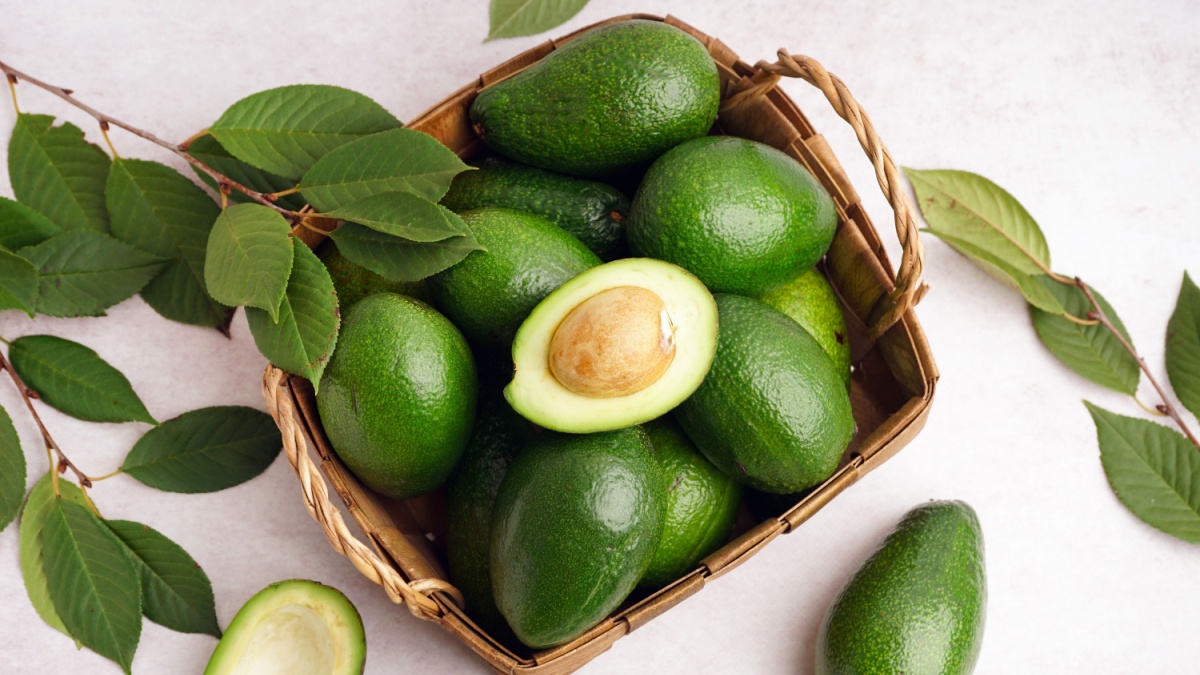
Ripe avocados should be stored in the fridge to slow down the ripening process. This can help extend their shelf life and give you a few extra days to enjoy your avo-toast or guacamole.
10. Fresh Herbs
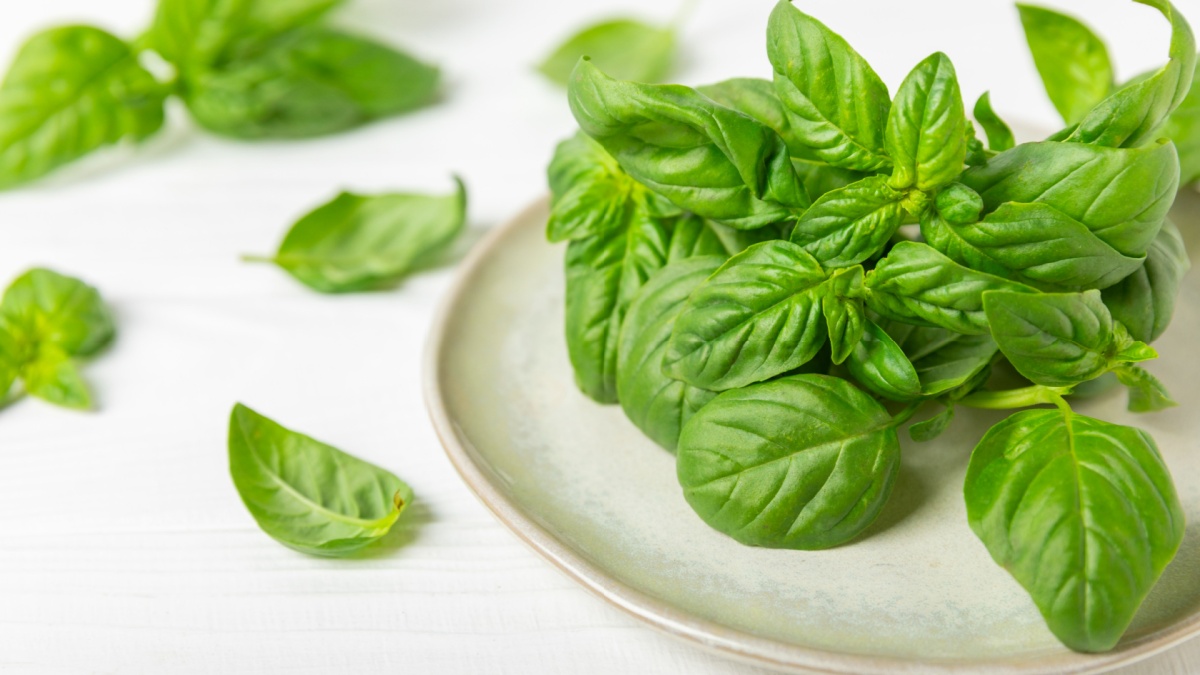
Fresh herbs like cilantro, parsley, and basil are often left on the kitchen counter, but they benefit from being stored in the fridge. Place them in a glass of water or wrap them in a damp paper towel to keep them crisp and flavorful for a more extended period.
11. Nail Polish

Many individuals store their nail polish collection on a shelf or in a drawer, but exposing it to heat and light can lead to the deterioration of the formula. Placing nail polish in the fridge helps to maintain its consistency and color, ensuring your manicure stays fresh and vibrant.
12. Batteries
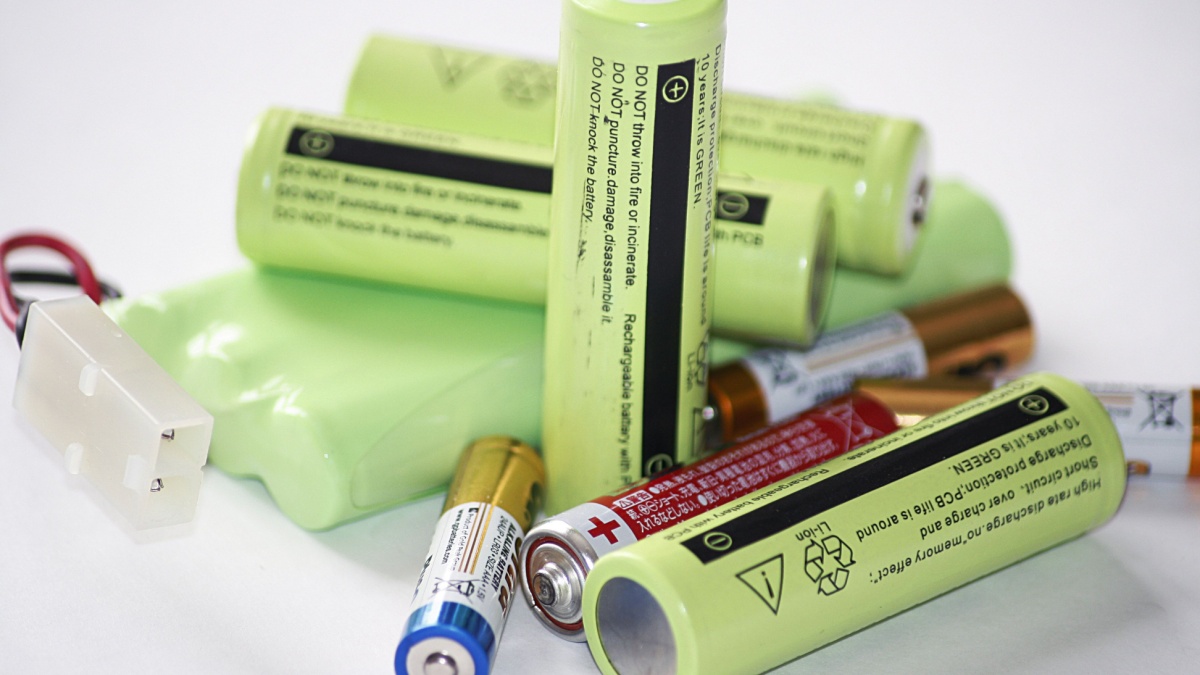
While most people keep batteries in a drawer, storing them in the fridge can prolong their life. Heat can cause batteries to lose their charge faster, so the cool environment of the fridge helps them maintain their power. Whether it’s for a remote control or a flashlight, your chilled batteries will be ready to provide the energy you need.
20 Shocking Cooking Facts That Will Change Your Kitchen Forever

Cooking is a journey filled with surprises; sometimes, the most surprising truths are the hardest to swallow.
From debunking culinary myths to rethinking kitchen practices, here are 20 facts that might make you rethink your approach to food and cooking.
20 Shocking Cooking Facts That Will Change Your Kitchen Forever
10 Grocery Store Foods Linked to Memory Loss

Medical research shows that your diet has the potential to affect your mental function and overall brain health. We often focus on foods that affect our internal health but rarely give attention to the impact food has on our brains. Our brain uses 20-30% of the calories we consume.
While you may have an idea of foods that promote brain health, you may be surprised to find out that some foods you’re consuming could be affecting your focus and memory.

Leave a Reply