
Being close to the fast-growing Denver metropolitan area, which also has a major international airport, Rocky Mountain National Park in Colorado has always been a busy place, especially in the summer. In recent years, it’s gotten even busier, with no signs of slowing down.
While it’s good that more people are enjoying our national parks and that support for them keeps growing, crowded roads and trails can detract from the user experience. If crowds get to you, some of the following suggestions and destinations might help you still enjoy this wonderful place.
Visit in the Off-Season
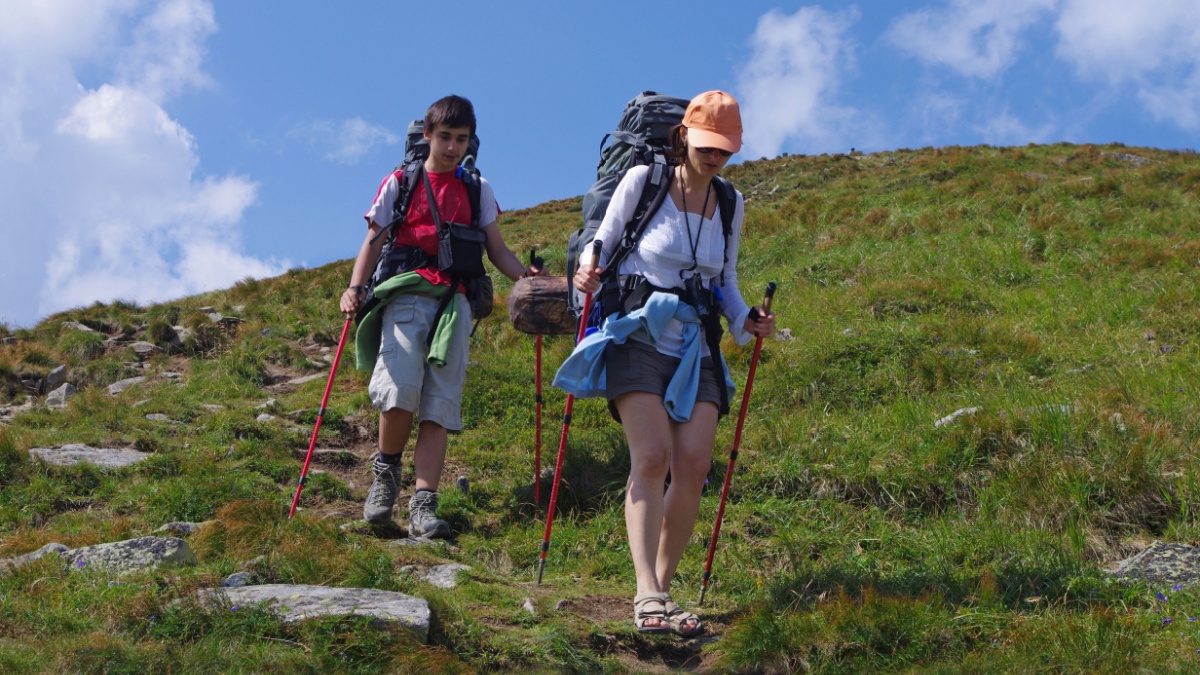
Image Credit: TSViPhoto/Shutterstock.
Trail Ridge Road, the scenic byway that connects the eastern and western sides of the park and runs above timberline for several miles, is usually open well into September. It won’t be empty after Labor Day, but it won’t be mobbed, either. RMNP is also a winter wonderland, and Bear Lake Road, which accesses trailheads for some of the best hikes in the park, stays open all year. Trails to close destinations are usually passable due to hard-packed snow. Beyond those places, you’ll need snowshoes, cross-country skis, or a love of suffering.
Get a Really Early Start
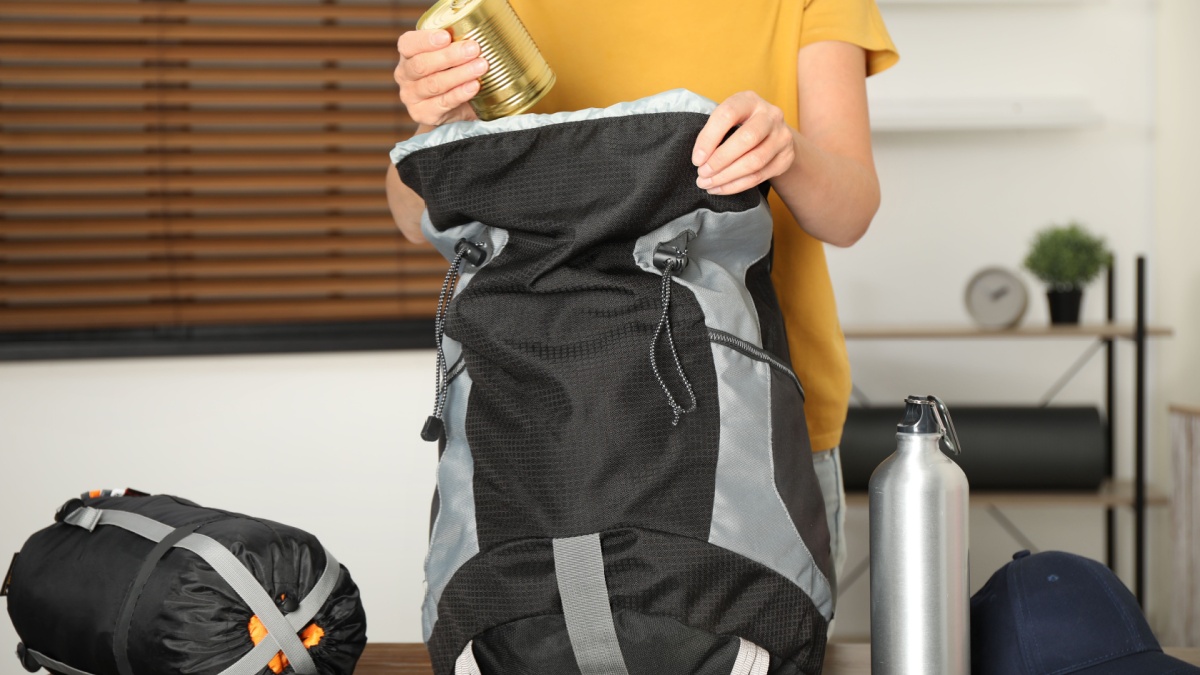
Image Credit: New Africa/Shutterstock.
If you want to enjoy the best of Trail Ridge Road or hike to some of the most popular places, a pre-dawn start is key. Most people don’t want to get up that early, so you’ll find peace and quiet. Also, you’ll get a great head start on the thunderstorms that in summer frequently build up and unload as early as late morning.
Use the Shuttle System
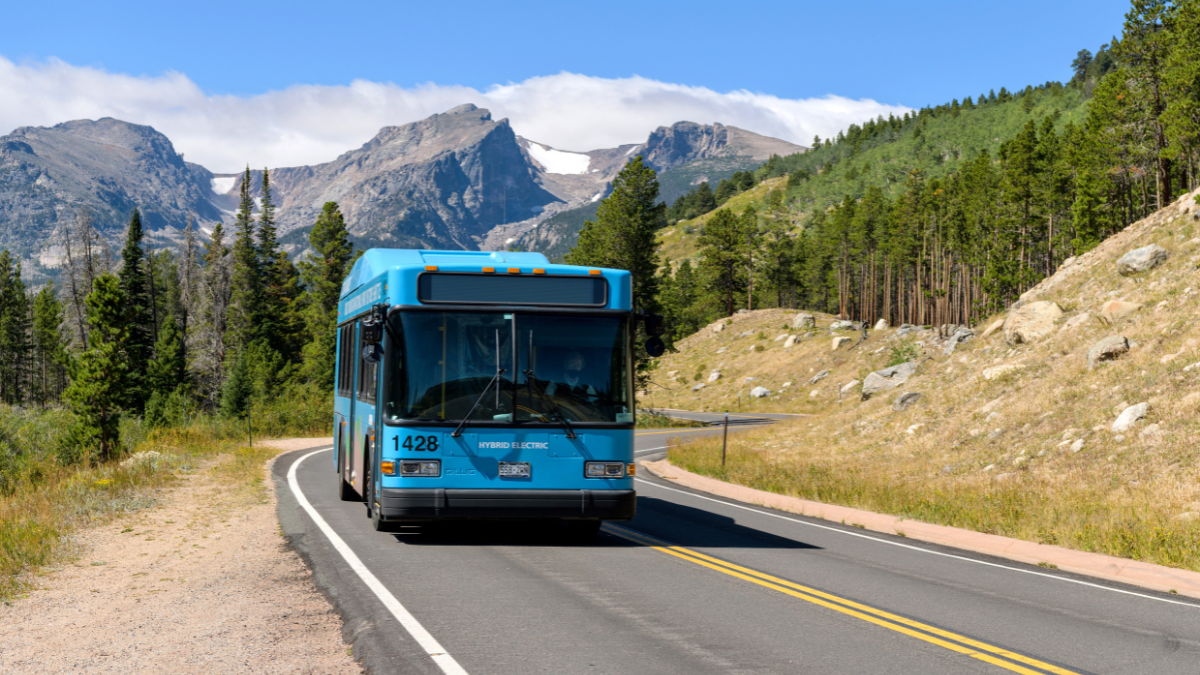
Image Credit: Sean Xu/Shutterstock.
Bear Lake Road leads to two popular trailheads– Bear Lake and Glacier Gorge. In the summer, good luck finding parking at either of them unless you get there before dawn. Instead, use the park’s free shuttle system for Bear Lake Road. You might have to wait a bit for a space, and the shuttle won’t thin the crowds, but this will reduce the time and stress involved in finding parking.
Do Some Backpacking

Image Credit: Taras Grebinets/Shutterstock.
Strapping a backpack on and hauling a tent and sleeping bag with you are good ways to get beyond the reach of most day hikers. The park has numerous designated backcountry campsites, and some are available through advance reservations. The most popular ones go quickly, so be sure to familiarize yourself with the reservation system now.
Go on Long Day Hikes
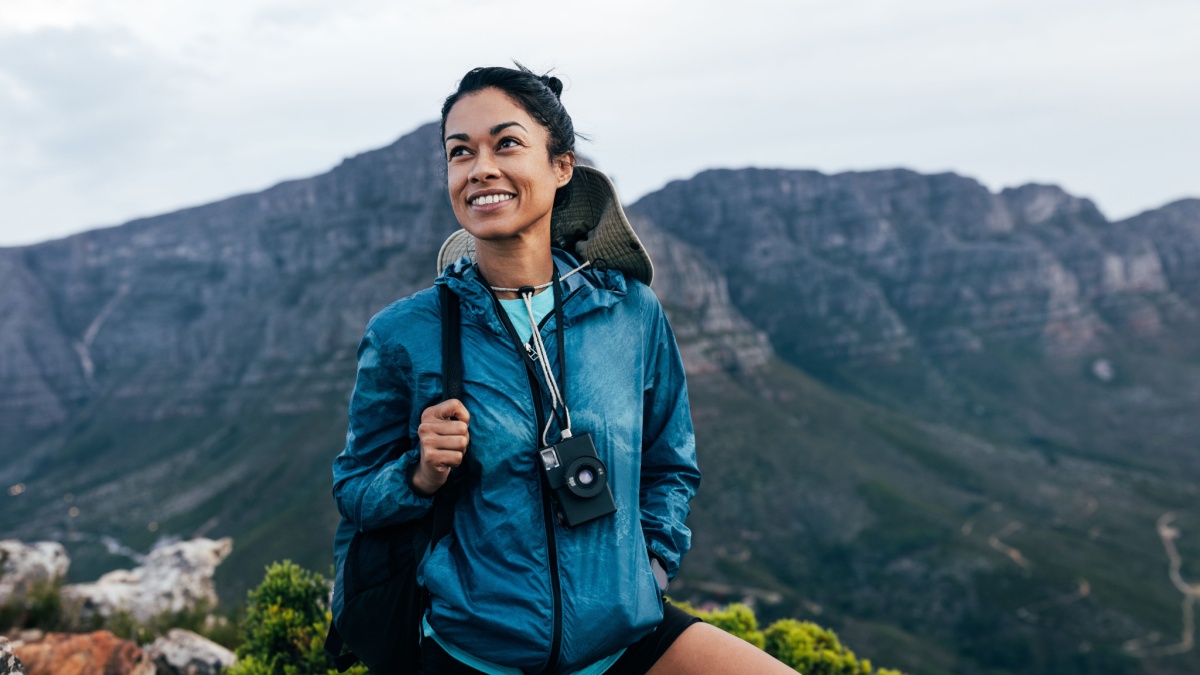
Image Credit: Artem Varnitsin/Shutterstock.
If backpacking isn’t your thing, choose longer day hikes over shorter, easier destinations that draw more people. There will be some examples coming up, and you can also study maps, guidebooks, and websites for more ideas.
Sundance Mountain
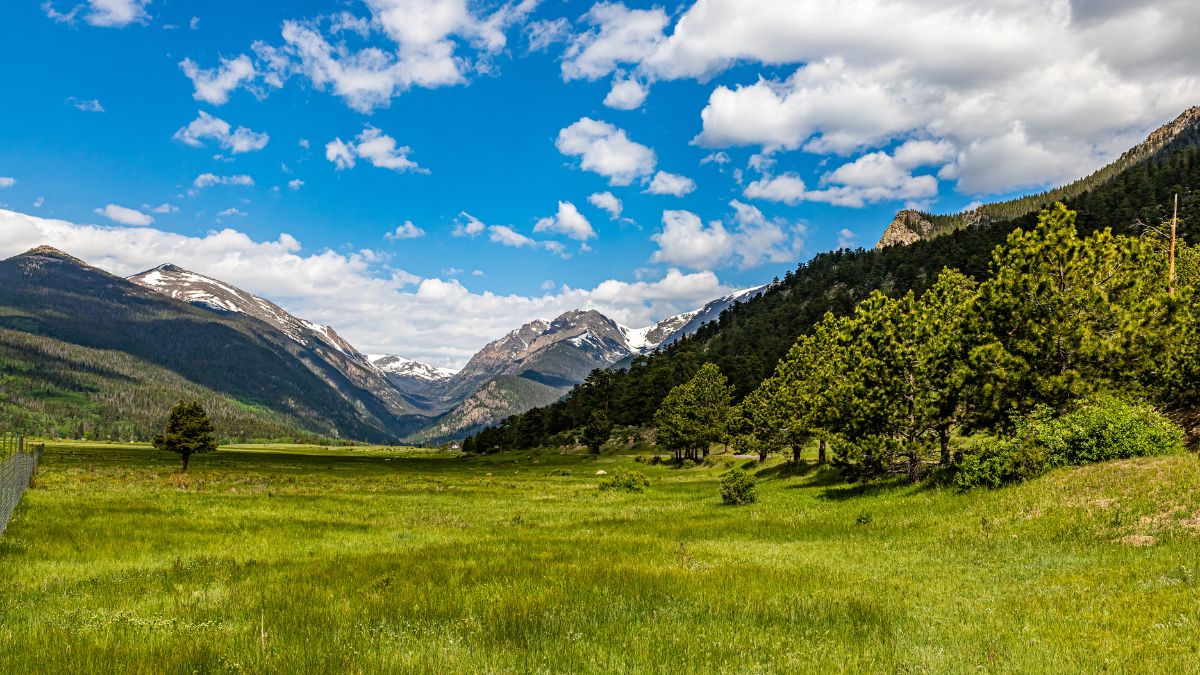
Image Credit: Gestalt Imagery/Shutterstock.
Sundance Mountain is right off Trail Ridge Road in the alpine zone. There’s not an official trail to the top, but navigating the gentle slopes is easy. Because of the short distance and minimal elevation gain, this is the easiest alpine summit to reach in the park, and relatively few bother with it.
Mount Ida
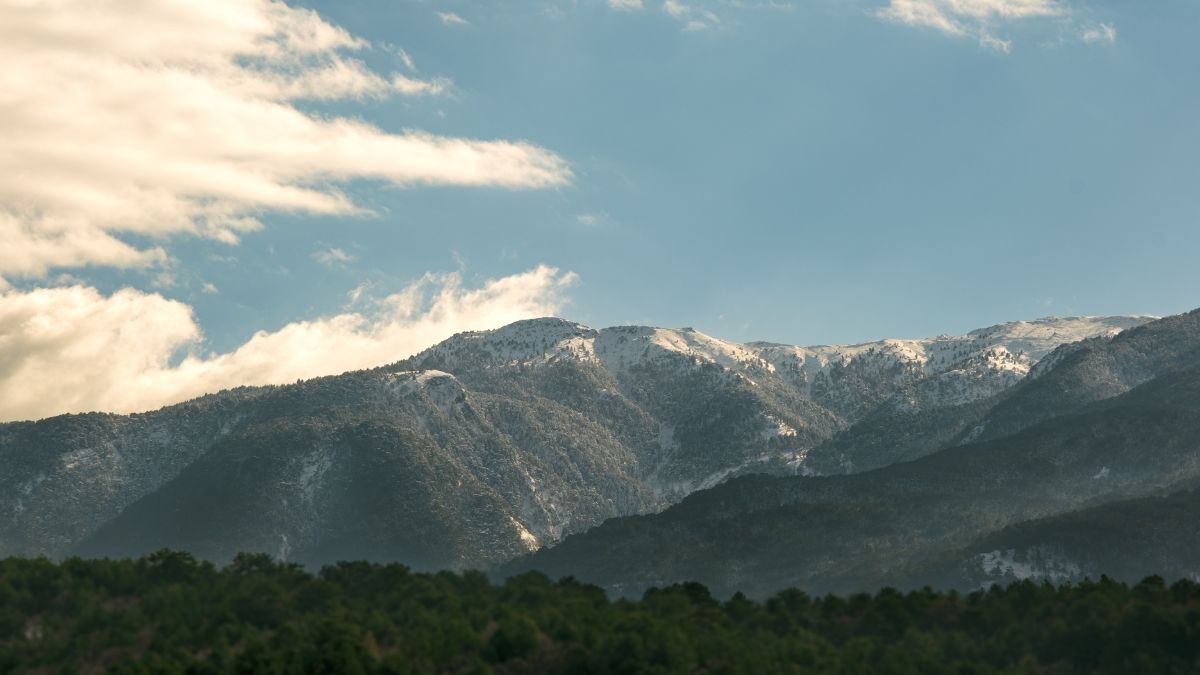
Image Credit: arda savasciogullari/Shutterstock.
The only two mountains in the park with official routes up them are Longs Peak and Flattop Mountain. Both see heavy traffic, and Longs Peak is also a major undertaking that most average hikers aren’t up for. An uncrowded highly scenic alternative is to follow the Continental Divide from Milner Pass on Trail Ridge Road 4.5 miles to Mt. Ida. You’ll enjoy the mountain views in all directions and glistening alpine lakes below you, and you’ll see few or no other hikers.
Tyndall Gorge
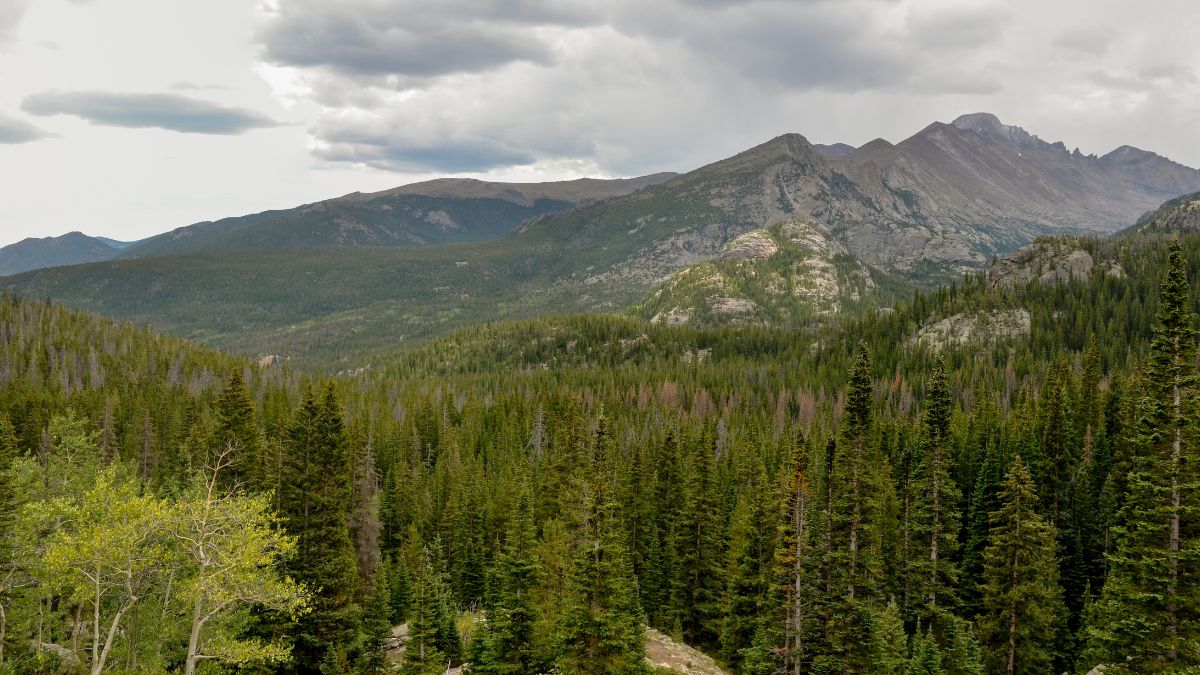
Image Credit: Sergey Malomuzh/Shutterstock.
A very popular trail starts at Bear Lake and then ascends Tyndall Gorge to Dream Lake and then Emerald Lake. Lots of people turn around at Dream Lake, so you’ll enjoy thinner crowds to Emerald Lake, which is also higher and more scenic. The official trail ends here, but there’s an unofficial trail used by climbers headed for Hallett Peak, which is the pointy peak you see to the left of the lake. This trail will take you higher into Tyndall Gorge and to the Tyndall Glacier. If you have an ice axe and crampons and conditions are suitable, you can climb the snowfields of the glacier to the Continental Divide and then return via Flattop Mountain.
Sky Pond
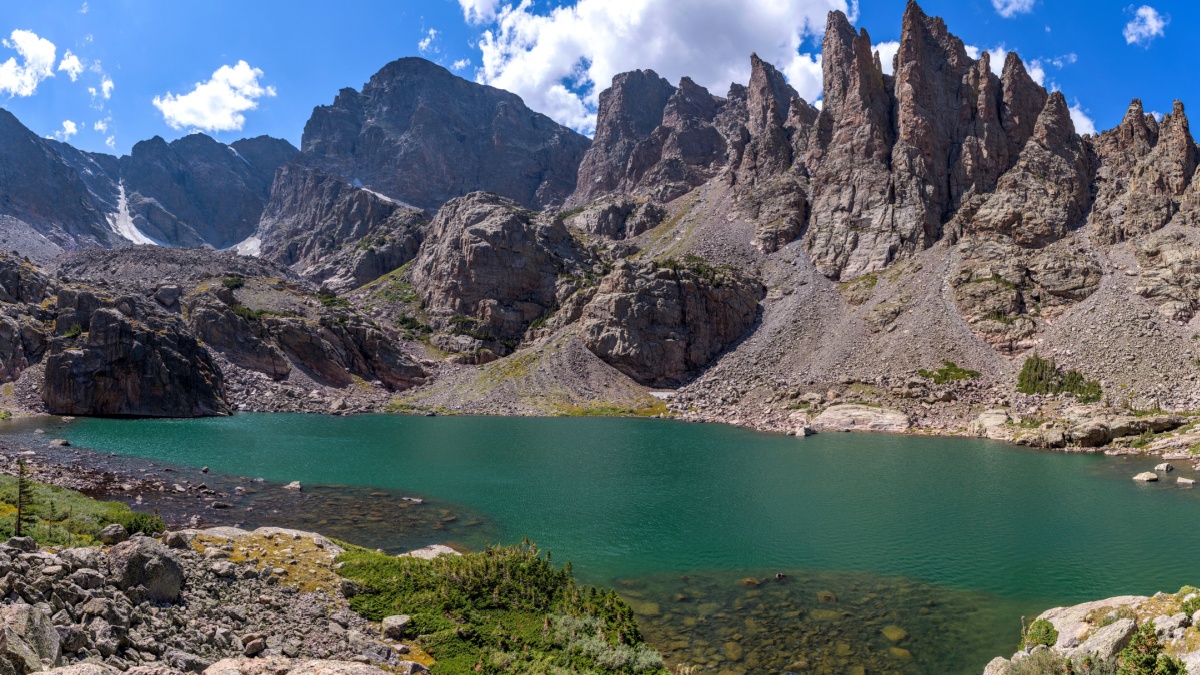
Image Credit: Sean Xu/Shutterstock.
Here’s another good example of the rewards of pushing on. A lot of people on the Glacier Gorge Trail only do the short hike to Alberta Falls. Many more take the upcoming fork to Mills Lake and Black Lake. At that fork, stay right and hike to the Loch and then to Lake of Glass and Sky Pond, true alpine tarns in an absolutely stunning setting.
Andrews Glacier
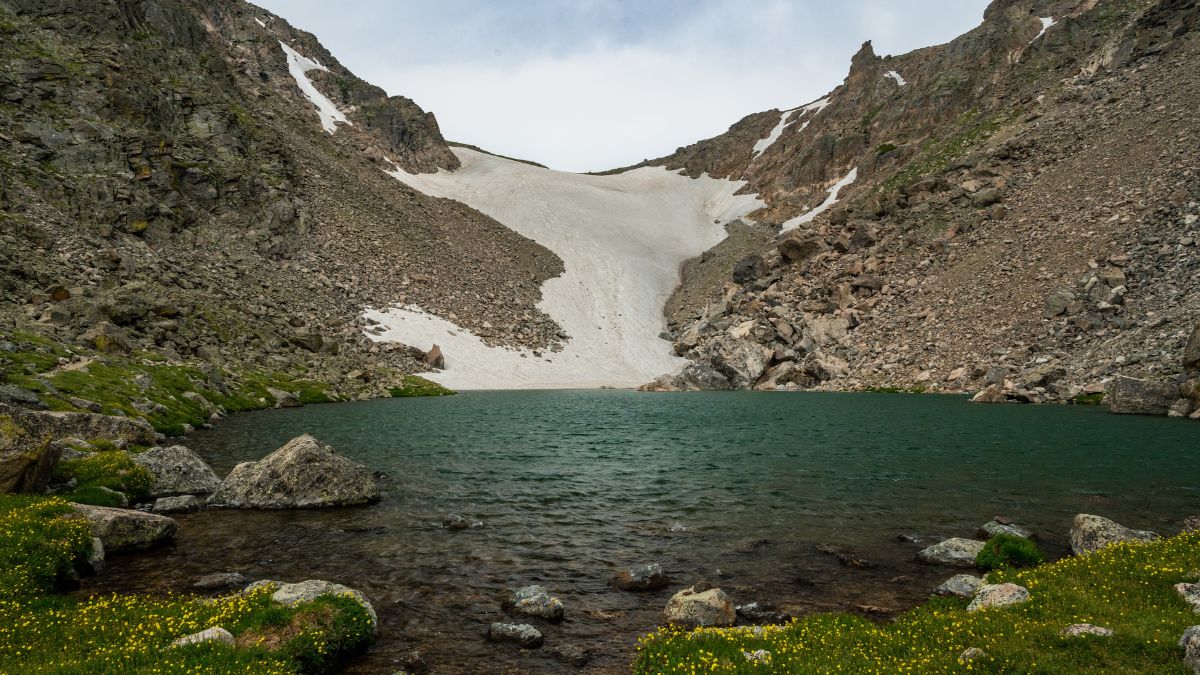
Image Credit: Kelly vanDellen/Shutterstock.
The hike up Loch Vale will have yet another fork. This branch to the right climbs to Andrews Glacier and the tarn at its base. Of Black Lake, Sky Pond, and Andrews Glacier, Andrews Glacier gets by far the least traffic of these hikes starting from Glacier Gorge.
The Mummy Range
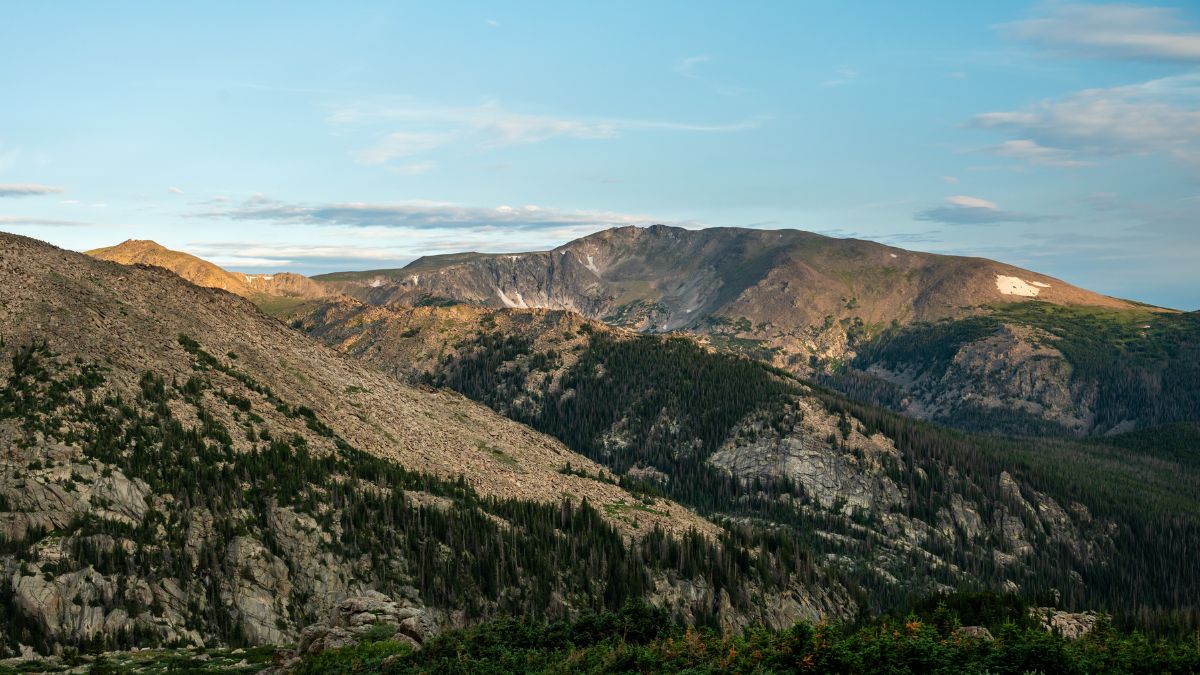
Image Credit: Kelly vanDellen/Shutterstock.
The Mummy Range is in the northern part of the park and doesn’t have as extensive a trail system as its southern neighbor the Front Range does. Some excellent day and overnight destinations include Ypsilon Lake, Lawn Lake, and the Saddle, a high pass that yields views of what’s on the other side.
Little Yellowstone
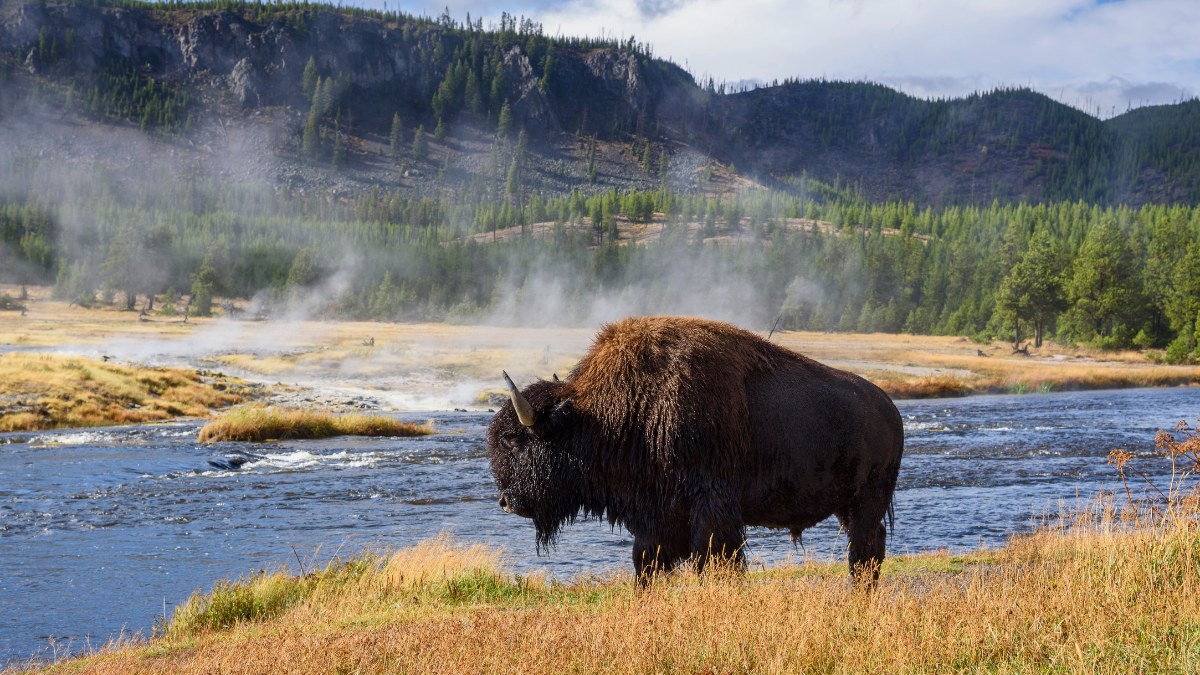
Image Credit: Robert Harding Video/Shutterstock.
The headwaters of the mighty Colorado River are in the Never Summer Mountains of the park’s western section. From the Colorado River Trailhead off Trail Ridge Road, the La Poudre Pass Trail leads up the headwaters and at 5.1 miles reaches Little Yellowstone, a canyon with colorful slopes and spires that resemble the Grand Canyon of the Yellowstone in Yellowstone National Park, hence the name.
Wild Basin
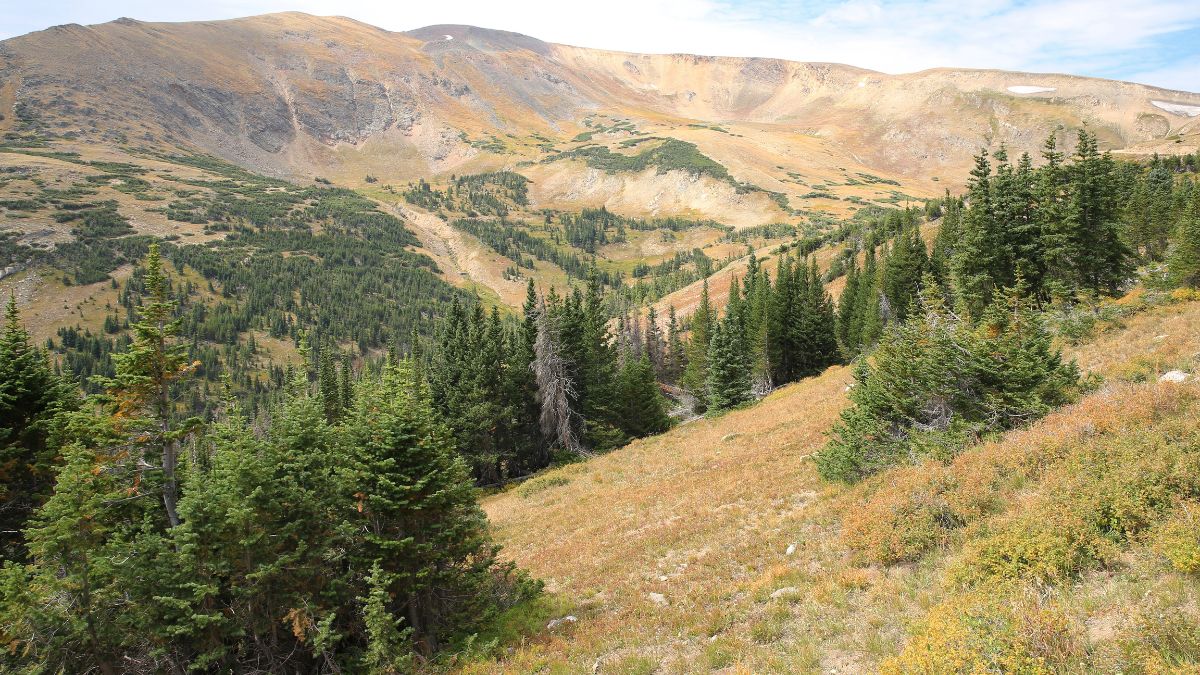
Image Credit: Traveller70/Shutterstock.
South of the Longs Peak area on the park’s east side is Wild Basin. It gets plenty of visitors, but nothing like what you encounter along Trail Ridge Road and at Bear Lake and Glacier Gorge. There are nice waterfalls easily reached by day hikes, and you can push on as a day hike or backpacking jaunt to a number of beautiful alpine lakes.

Leave a Reply