
The raw food fad seems to be gaining more momentum by the day. While eating some foods raw has health benefits, others can be downright dangerous. There are definitely vegetables and fruits that are so healthy to eat raw, and you really should eat some raw foods every day. But there are some foods there super dangerous to eat raw.
Here are twelve foods that experts agree you should never consume raw.
Potatoes
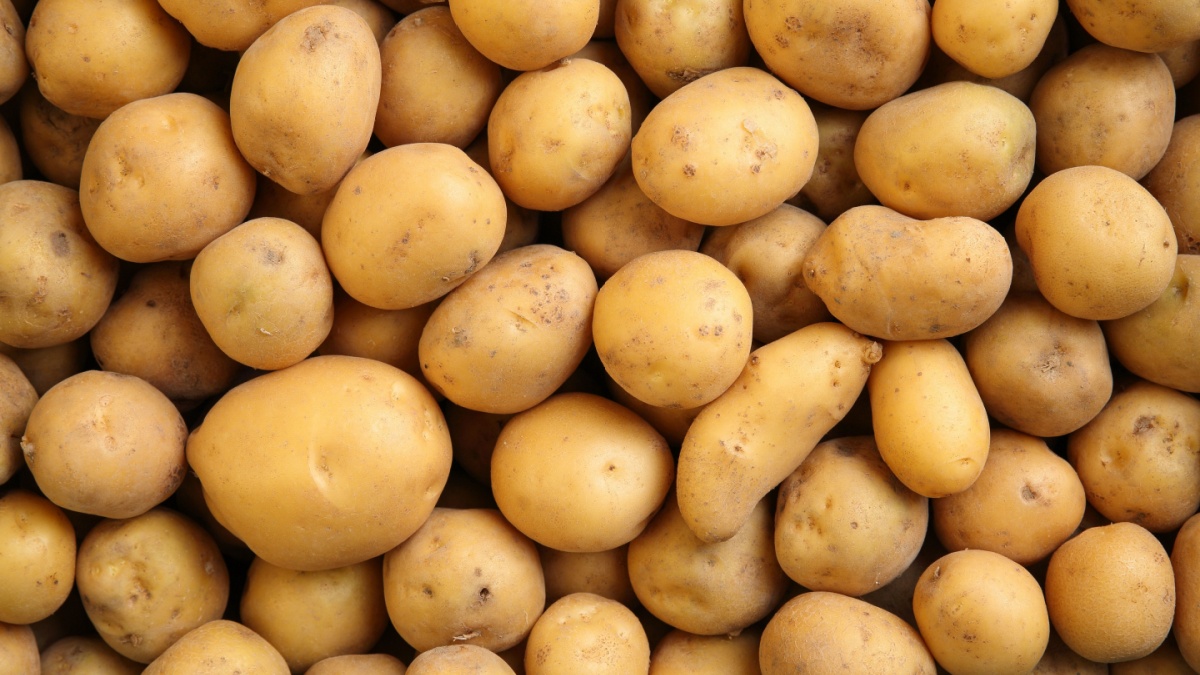
Raw potato isn’t something particularly appetizing for most, but it’s worth mentioning because of how sick you can get. Raw potatoes contain a toxin called solanine. The toxin can cause digestive issues and even headaches or neurological problems. We think we’ll stick with french fries.
Kidney Beans
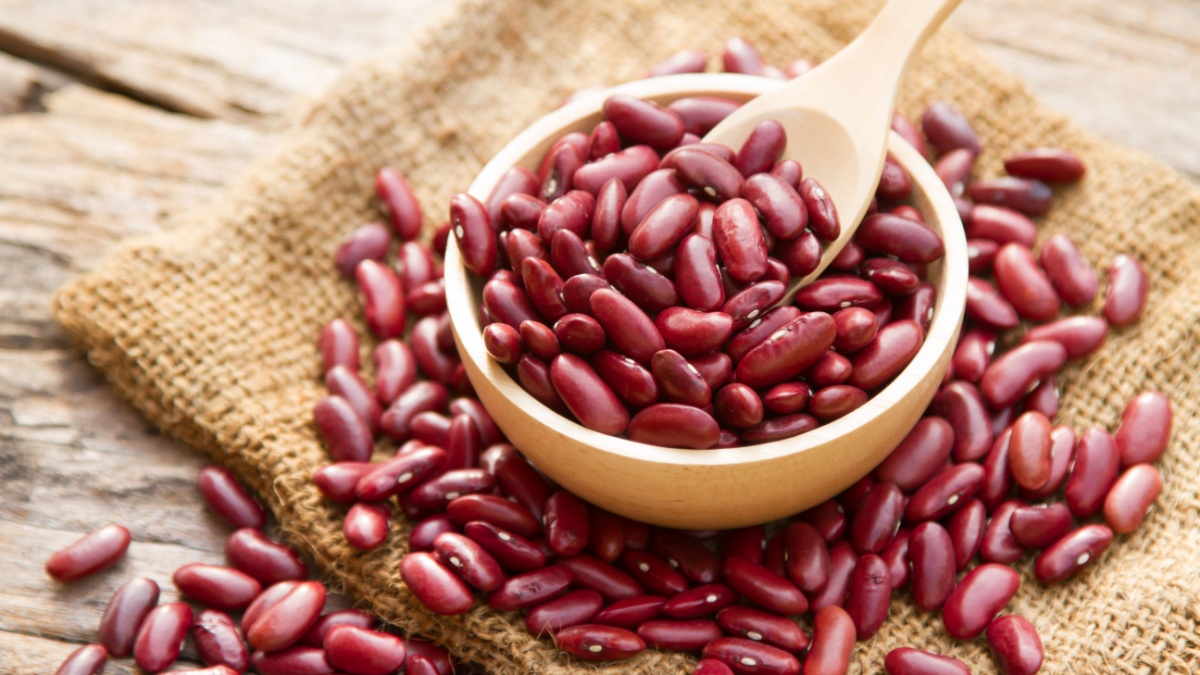
Kidney beans are packed with protein and nutrients, making them a fantastic addition to your meals. However, they contain a natural toxin called phytohaemagglutinin, which is as dangerous to pronounce as it is to consume! It can cause severe nausea, vomiting, and diarrhea if the beans are consumed raw or undercooked.
Eggplant
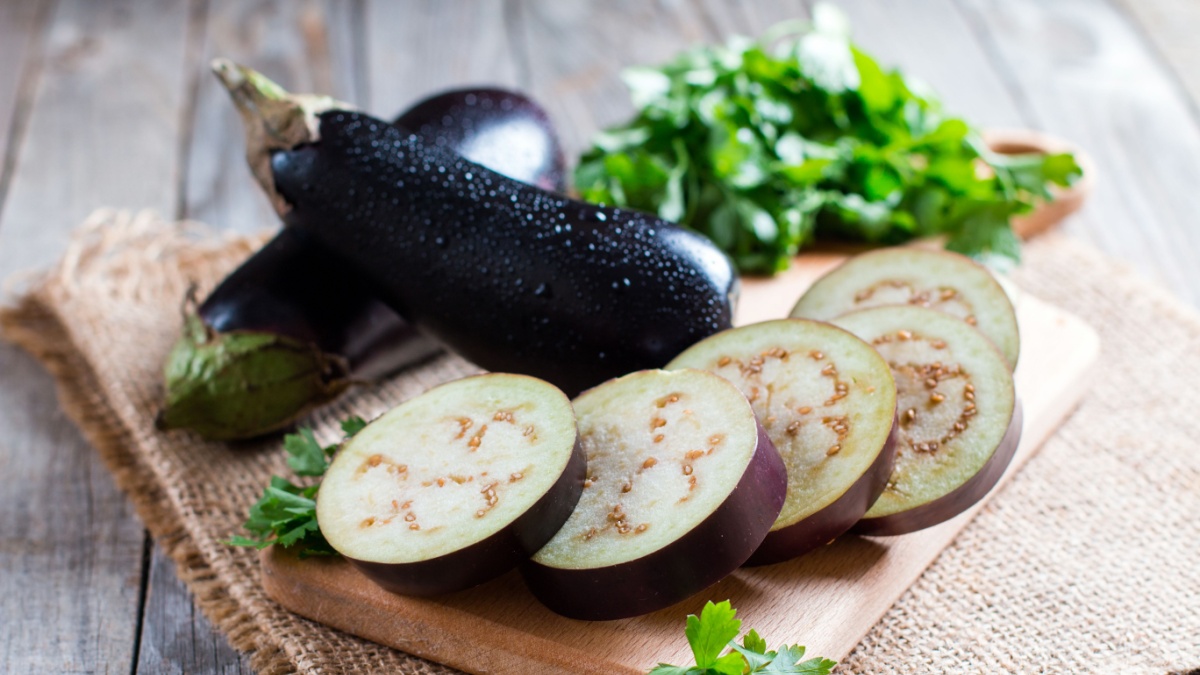
Raw eggplant contains solanine, much like potatoes. The levels are usually lower, but consuming raw eggplant can still lead to digestive discomfort. Cooking eggplant not only eliminates the risk of solanine poisoning but, also like potatoes, makes it tastier!
Sprouts
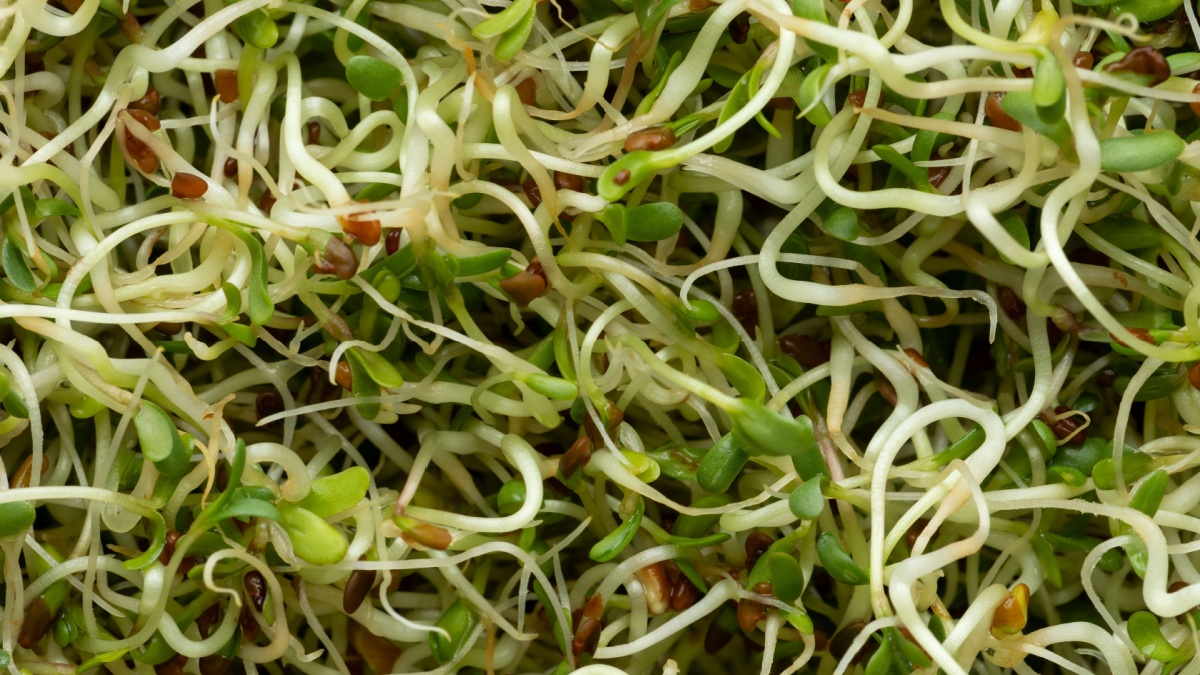
Alfalfa sprouts can be a great addition to salads and sandwiches, but they’re unfortunately also a breeding ground for bacteria like E. coli and Salmonella. Raw sprouts can be risky, especially for young children, the elderly, and those with compromised immune systems.
Wild Mushrooms
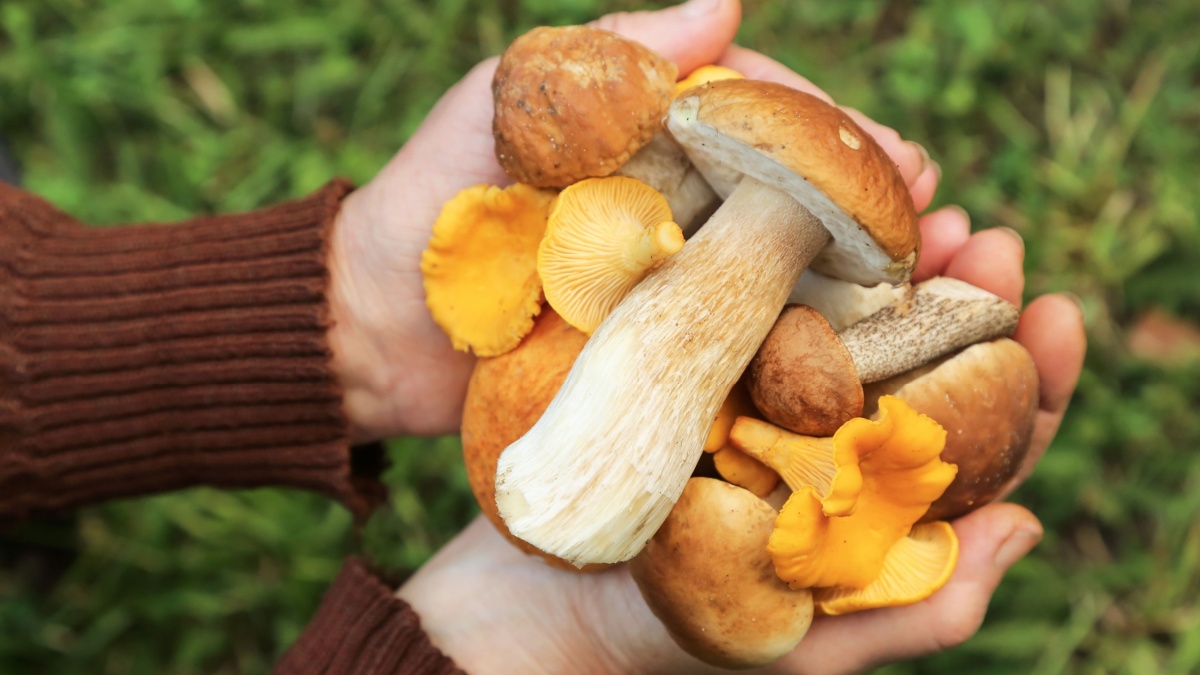
Mushrooms like morels and other wild varieties can be harmful if eaten raw due to naturally occurring toxins. These toxins can cause digestive upset and other health issues. Cooking wild mushrooms thoroughly not only neutralizes these toxins but also enhances the earthy flavor you know and love them for!
Flour
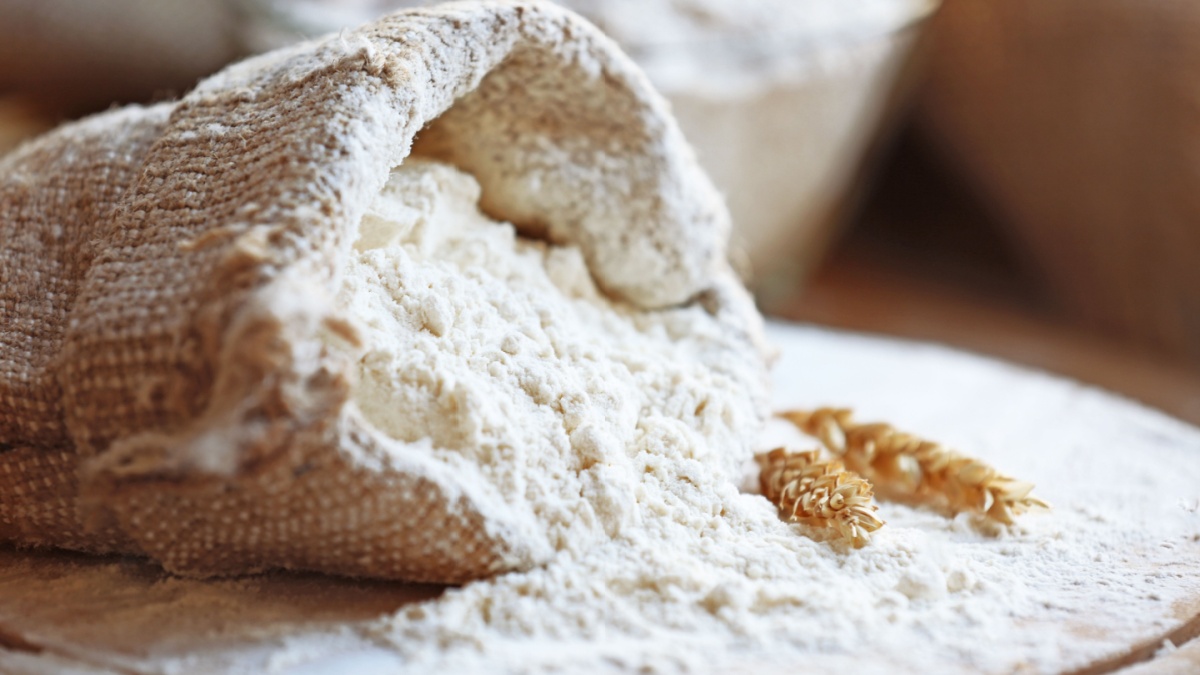
You’ve probably heard you shouldn’t eat raw cookie dough, but did you know it wasn’t just the eggs you had to worry about? Raw flour can harbor harmful bacteria like E. coli. The grains used to make flour are not treated to kill bacteria, so cooking is necessary to make flour safe.
Shellfish
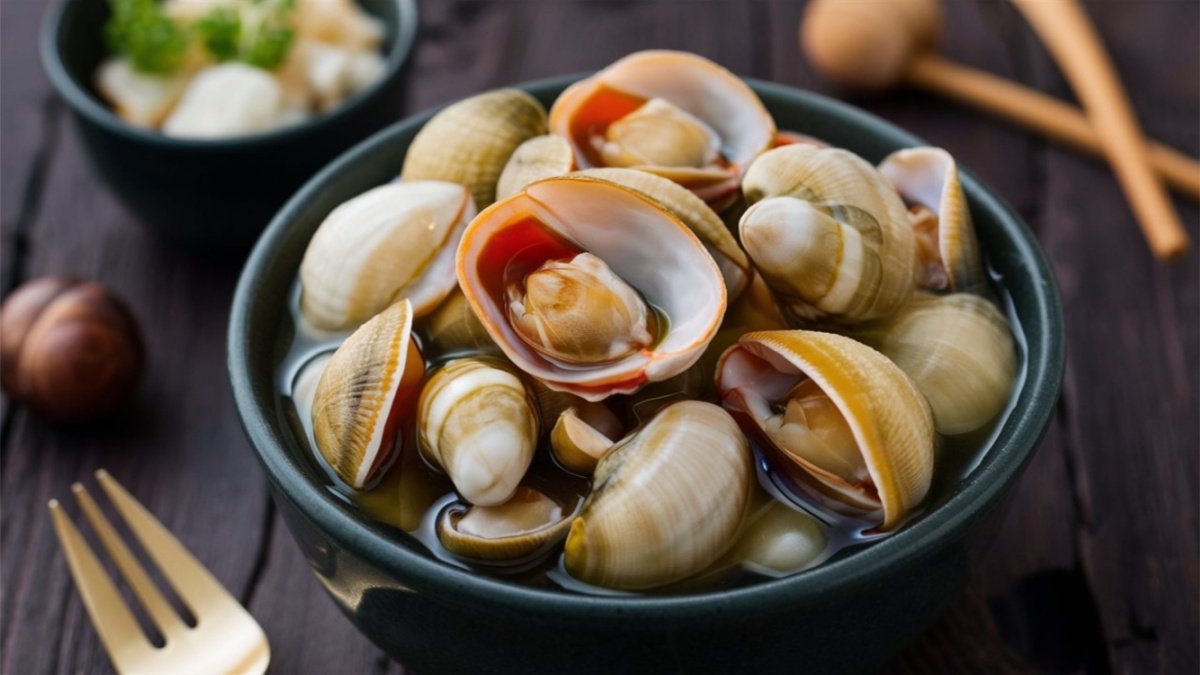
This one is contentious since sushi and sashimi often involve eating raw shellfish. However, shellfish, such as oysters, clams, and mussels, can contain harmful bacteria and viruses, including Vibrio and norovirus. That’s the point of the asterisk at the bottom of your menu!
Eggs
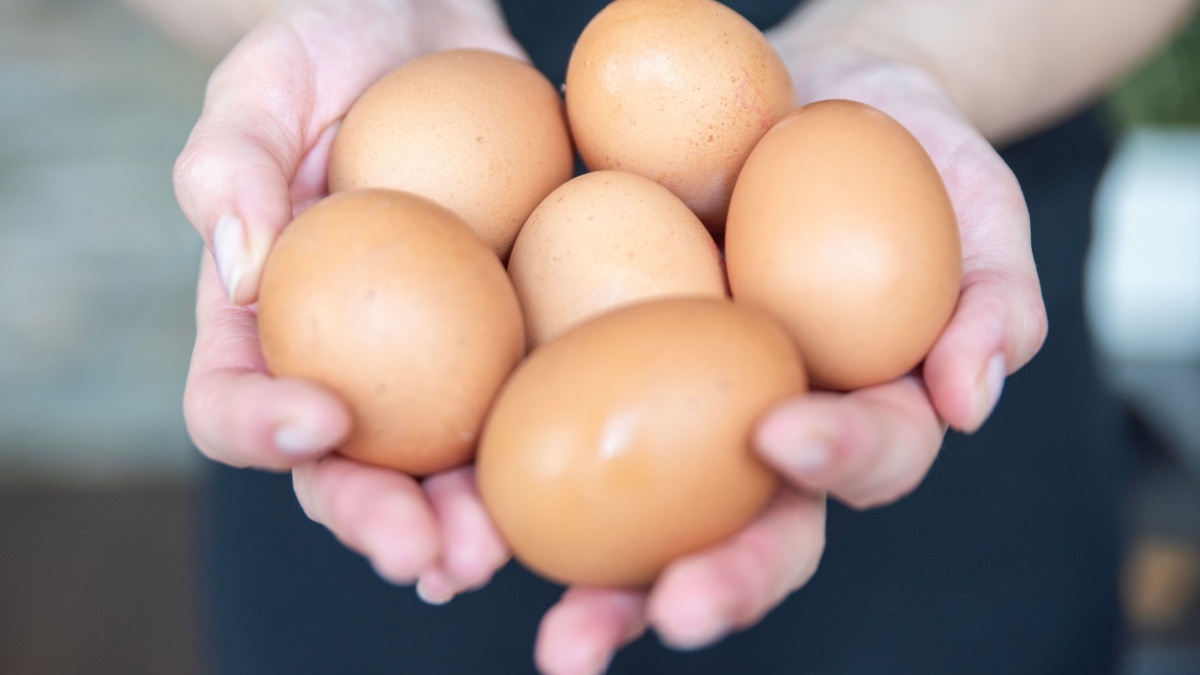
Contrary to what you’ve heard from bodybuilders, raw eggs aren’t very safe to consume at all. Eggs can contain Salmonella, a bacterium that can cause foodborne illness. Cooking eggs thoroughly destroys this bacterium and makes them safe to eat.
Chicken

There’s no reason anyone should WANT to eat raw chicken, but just in case, know it’s not safe! It’s notorious for harboring bacteria such as Salmonella and Campylobacter, which can cause severe food poisoning.
Rhubarb
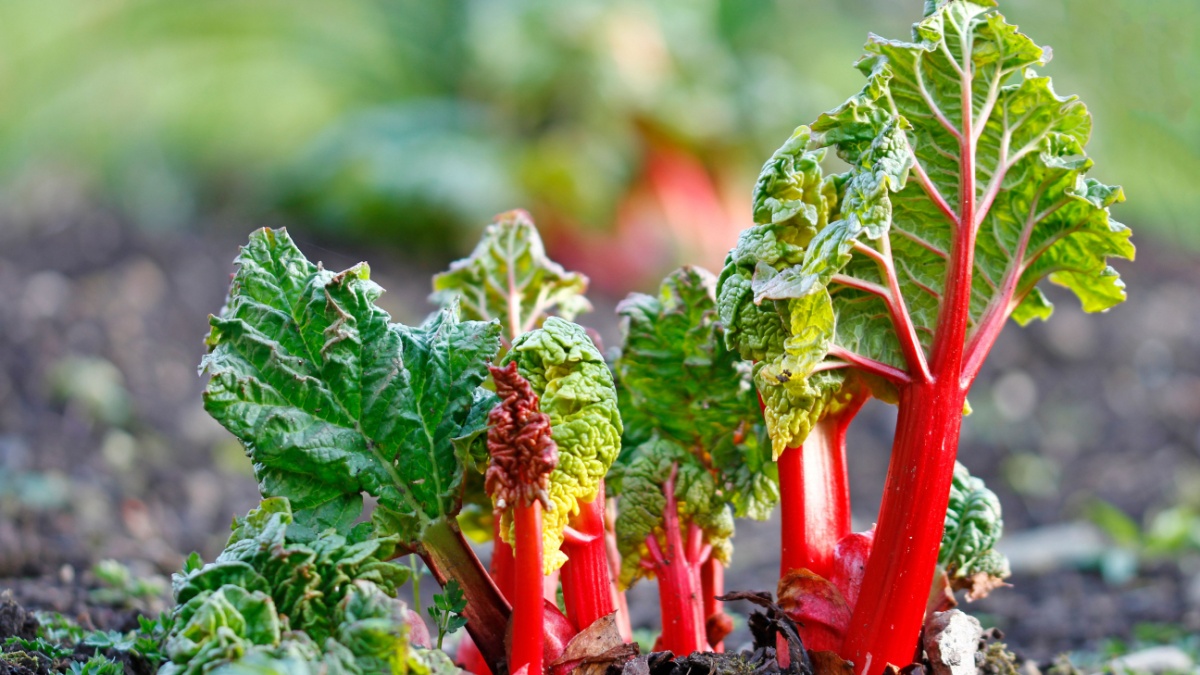
Often used in desserts, rhubarb is known for its tart flavor. However, the leaves of rhubarb contain oxalic acid, which is highly toxic and can cause serious health issues. While the stalks are safe to eat, it’s crucial to cook them.
Cassava
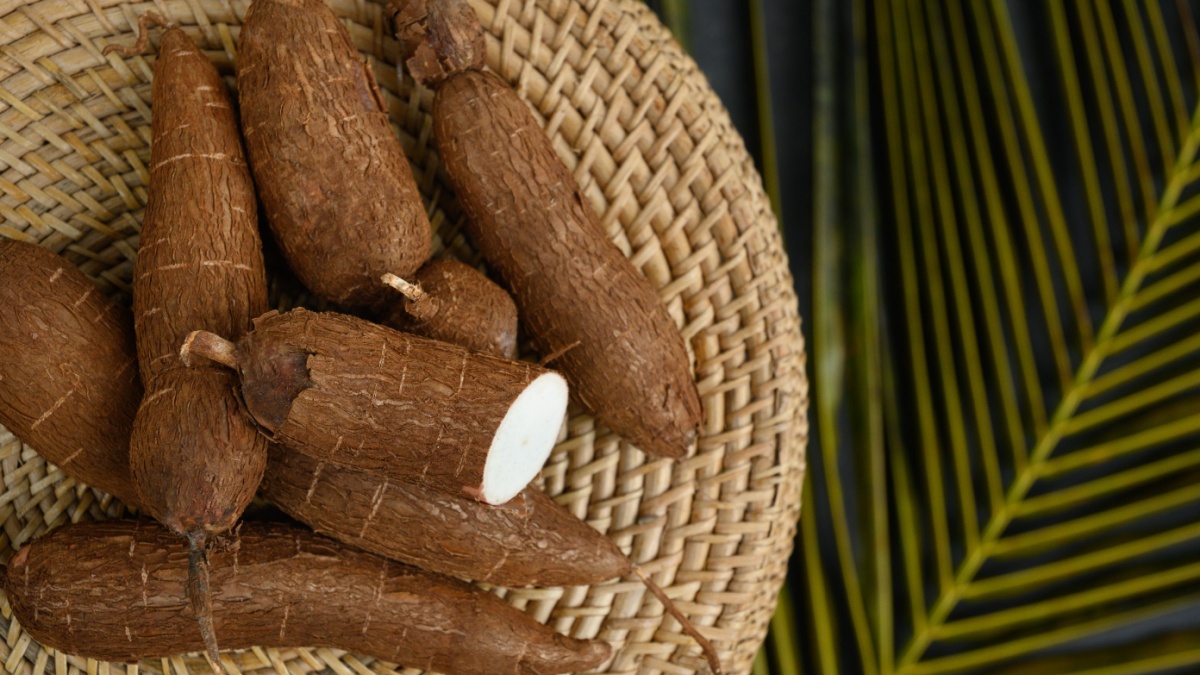
Cassava is a root vegetable that’s a major food source in many parts of the world. However, raw cassava contains cyanogenic glycosides, which can produce cyanide in the body and lead to acute poisoning.
Elderberries
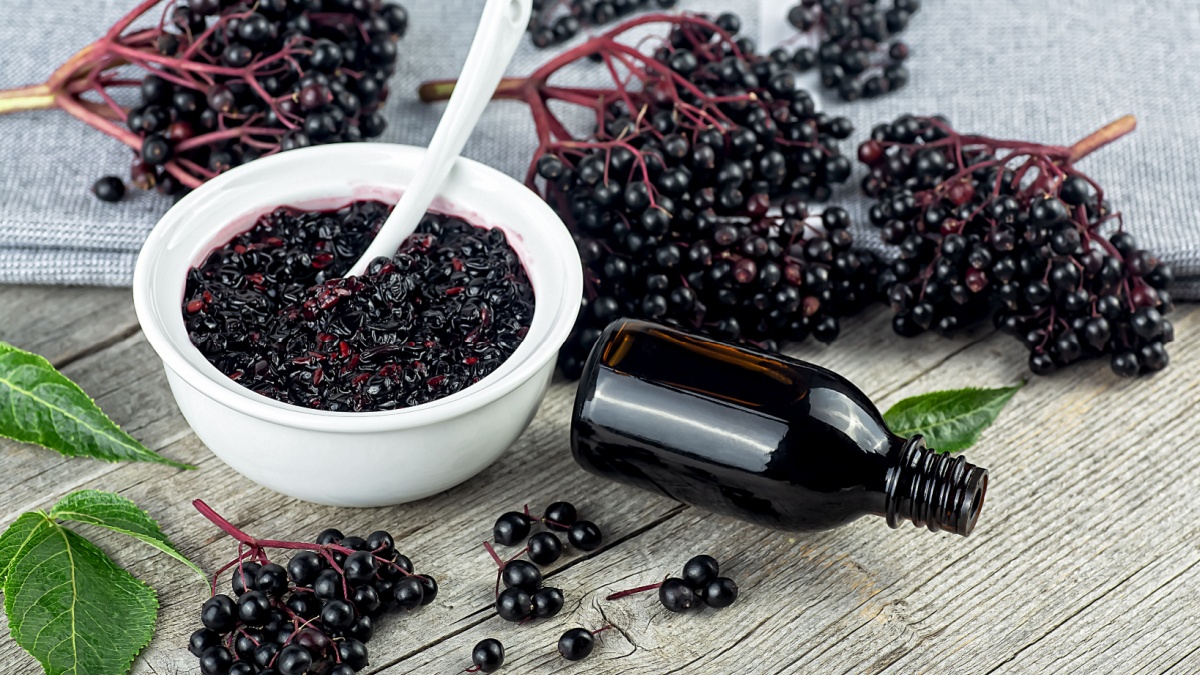
Elderberries are becoming renowned for their potential health benefits, but the raw berries, leaves, and seeds contain cyanogenic glycosides. These compounds can cause nausea, vomiting, and even more severe symptoms.
Experts Warn People to ALWAYS Refrigerate These 12 Non-Food Items

We all know our fridge and freezer are great for food and beverage preservation, but did you know you could use your fridge for other things beyond your kitchen pantry? You can store multiple things in your refrigerator to maintain potency, extend shelf life, or preserve them.
Find out more as we list some of the surprising things you can keep in your refrigerator besides food.
Experts Warn People to ALWAYS Refrigerate These 12 Non-Food Items
20 Food to Stockpile (For the Best Chance of Survival)

A well-stocked pantry can provide peace of mind and empower you to handle any situation. Whether it’s a natural disaster, economic instability, or simply unexpected guests, having a stash of versatile essential foods can make all the difference.
Here’s a list of 20 of the best foods to stockpile, ensuring you’re ready for whatever comes your way.

Leave a Reply