
Sunset vies with sunrise for many people’s favorite part of the day. Whether it’s watching the sun disappear below the horizon or seeing how the low-angle light intensifies the colors of natural features, the experience can be amazing. Coming up are 14 particular spots where sunset can be especially memorable, and why.
Seneca Rocks, West Virginia
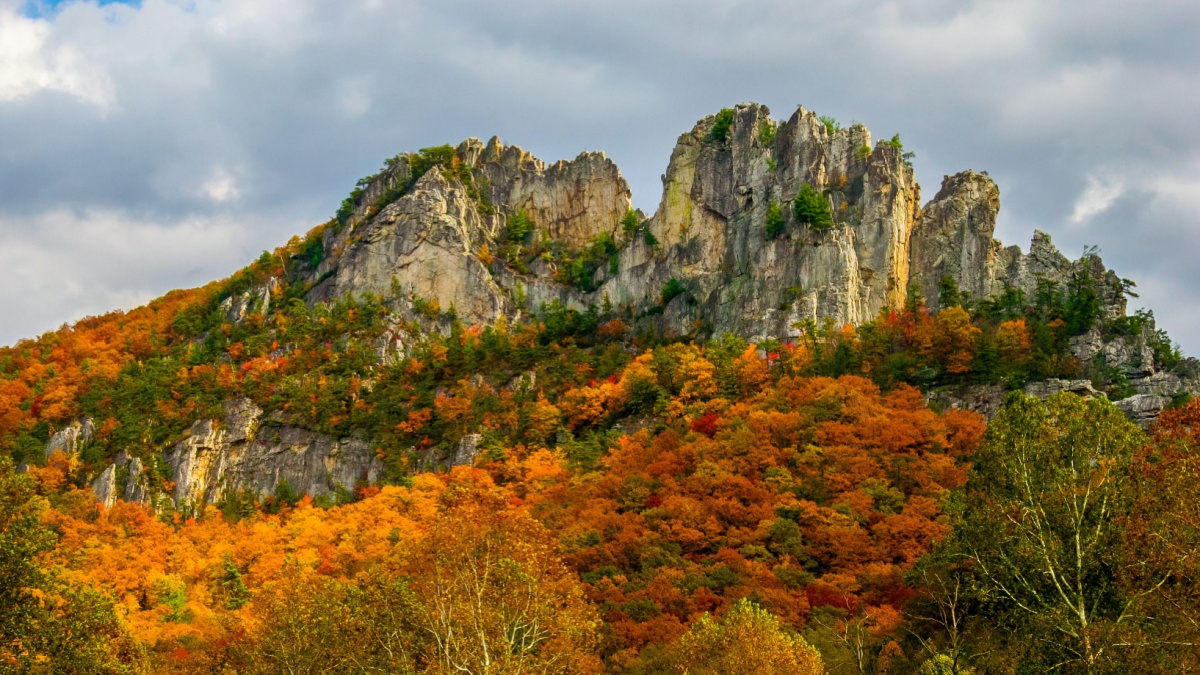
Image Credit: Arlene Waller/Shutterstock.
These fins of narrow sandstone soar above the valley of a tributary of the Potomac River. From the road and valley below, there are excellent views of the western faces of these fins, and it’s awesome to watch the sun color them before it disappears. If it’s the right time of year, you might also get to see a full moon rise through the notch between the two peaks.
Skyland– Shenandoah National Park, Virginia
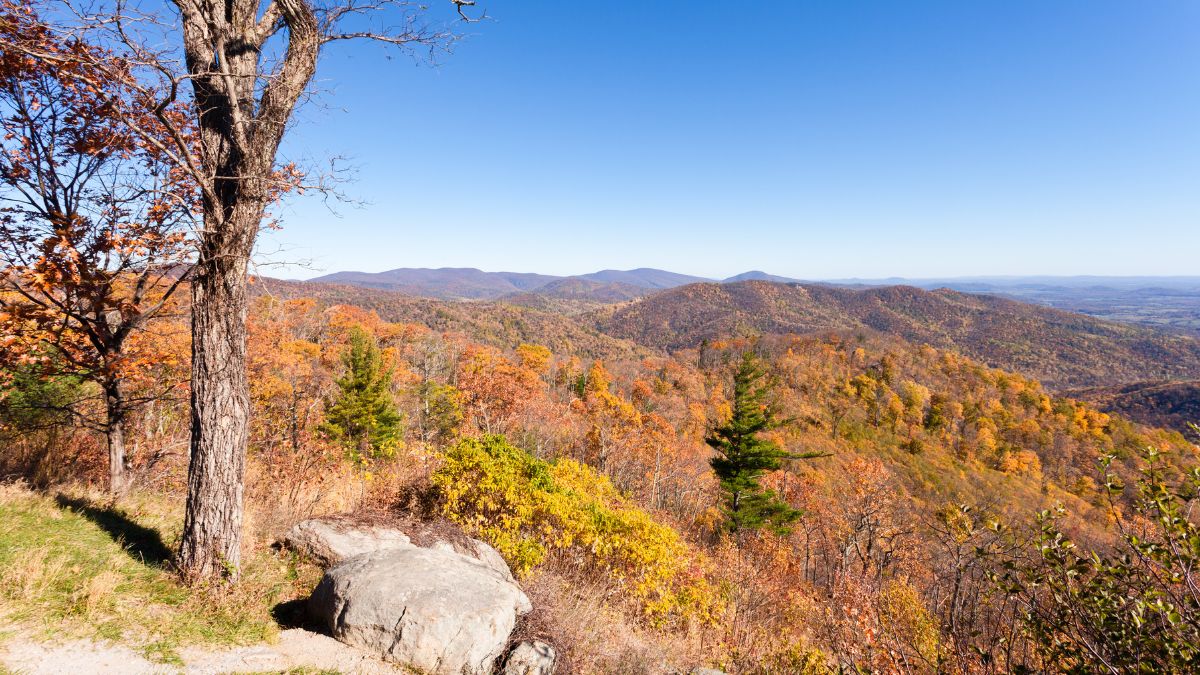
Image Credit: Pi-Lens/Shutterstock.
For 105 miles, Skyline Drive meanders north-south along the crest of the Blue Ridge Mountains, and Skyland is where the road reaches its highest elevation. Some rooms at the lodge here have mountain views, as does the restaurant, but you don’t have to be a lodge guest or diner to enjoy the great views of the sun sinking behind the Appalachian Mountains across Shenandoah Valley.
Florida Bay– Everglades National Park, Florida
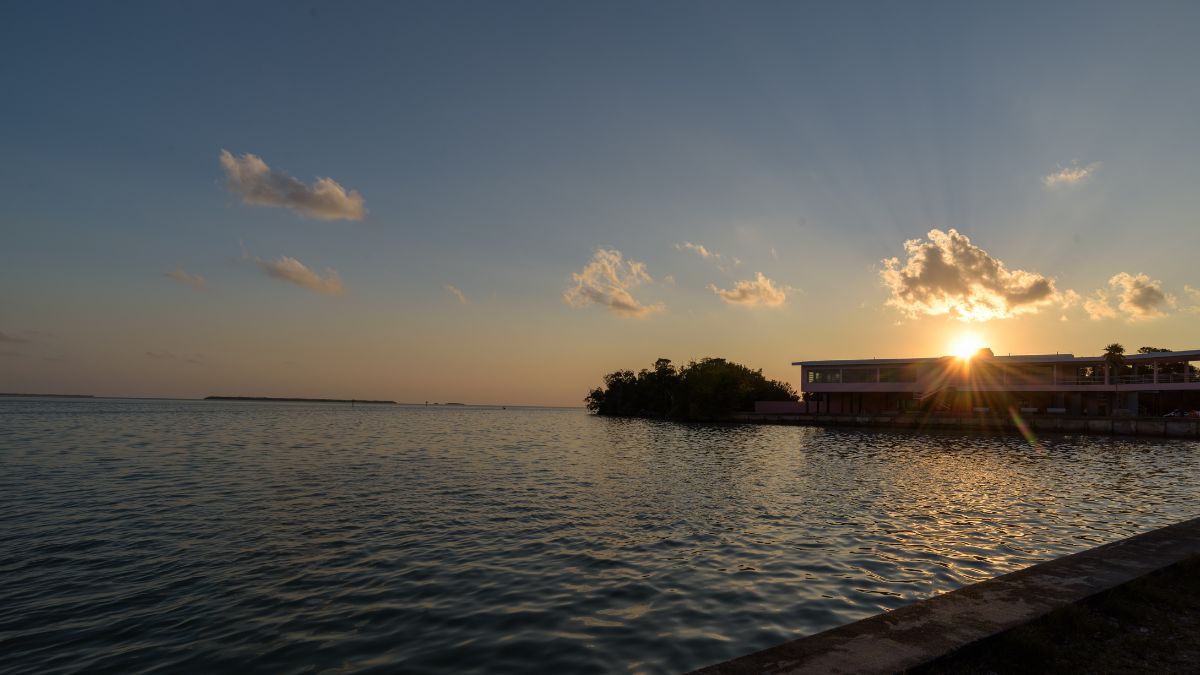
Image Credit: Jeff Kuhlman/Shutterstock.
A scenic way to get to this bay at the southern tip of Florida’s mainland is to drive the park road through Everglades National Park. Humidity off the coast often causes large clouds to form in the late afternoon, and the setting sun lights them up spectacularly.
Key West, Florida
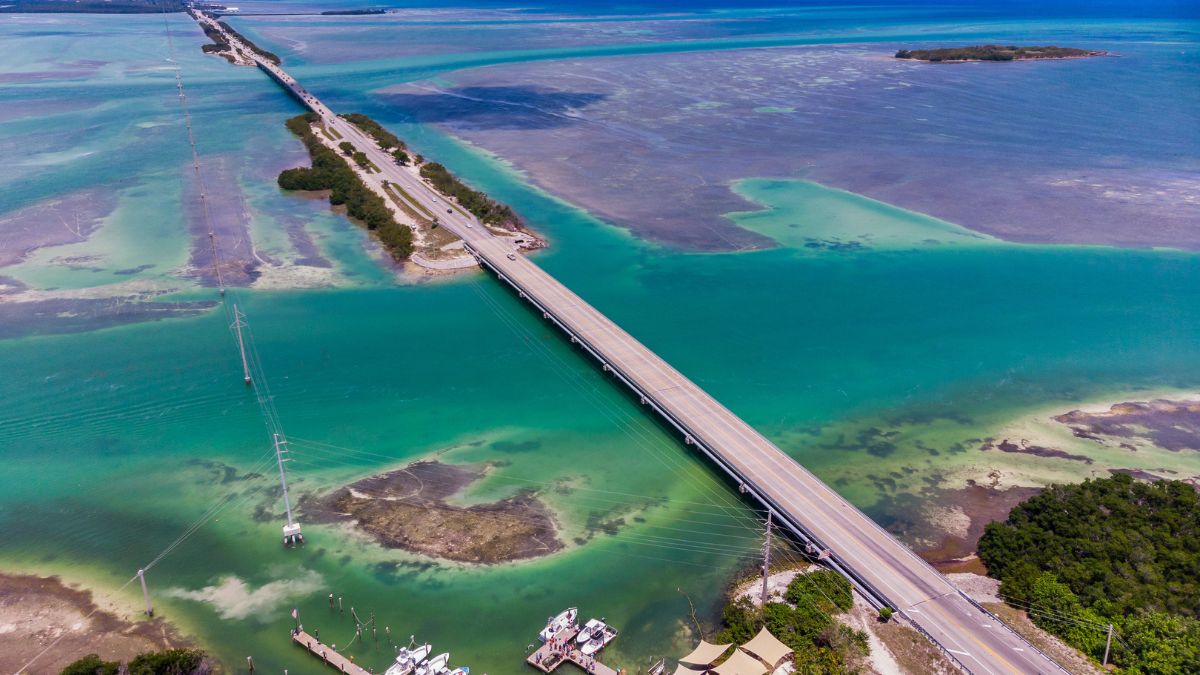
Image Credit: Paiboon Chooklin/Shutterstock.
The southern terminus of U.S. Highway 1, Key West is the southernmost point of the Lower 48 you can get to by road. Sunset views are notable for featuring the sun sinking beneath a seemingly endless expanse of ocean.
Padre Island– Padre Island National Seashore, Texas
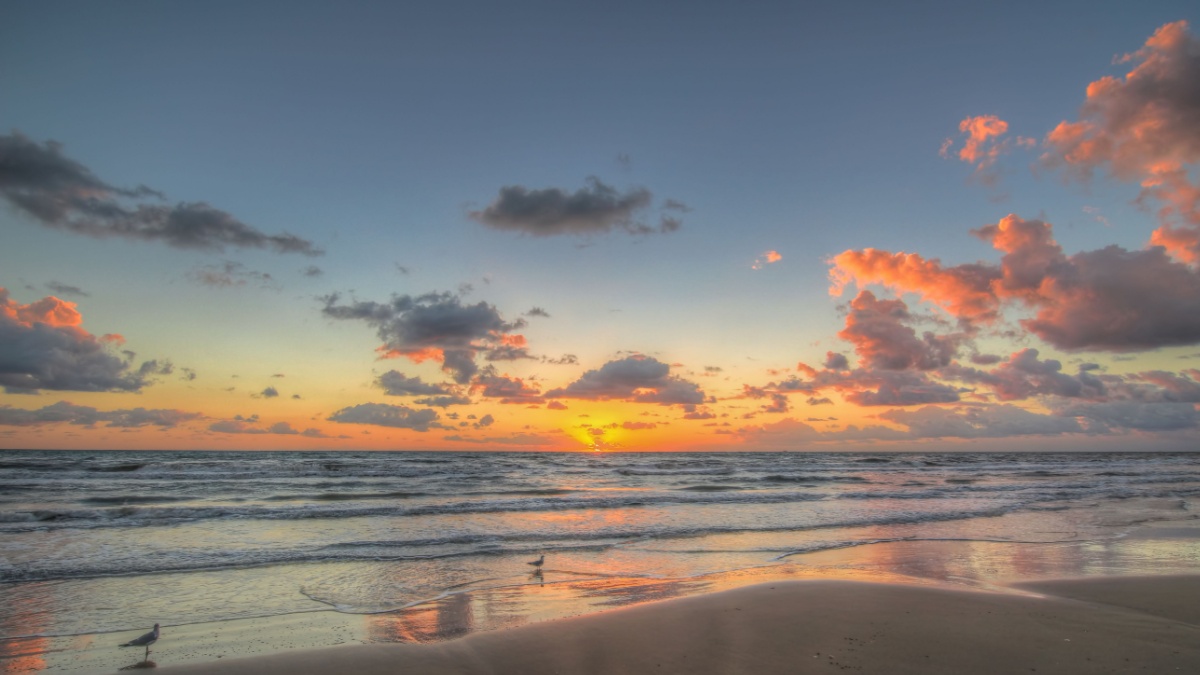
Image Credit:Hundley Photography/Shutterstock.
The longest undeveloped coastal shoreline in the country, Padre Island faces mostly east and south, so you won’t see the sun go down over the Gulf of Mexico, but you can see it go down over the dunes guarding the shores, and you can see how the sun colors offshore clouds.
The Window– Big Bend National Park, Texas
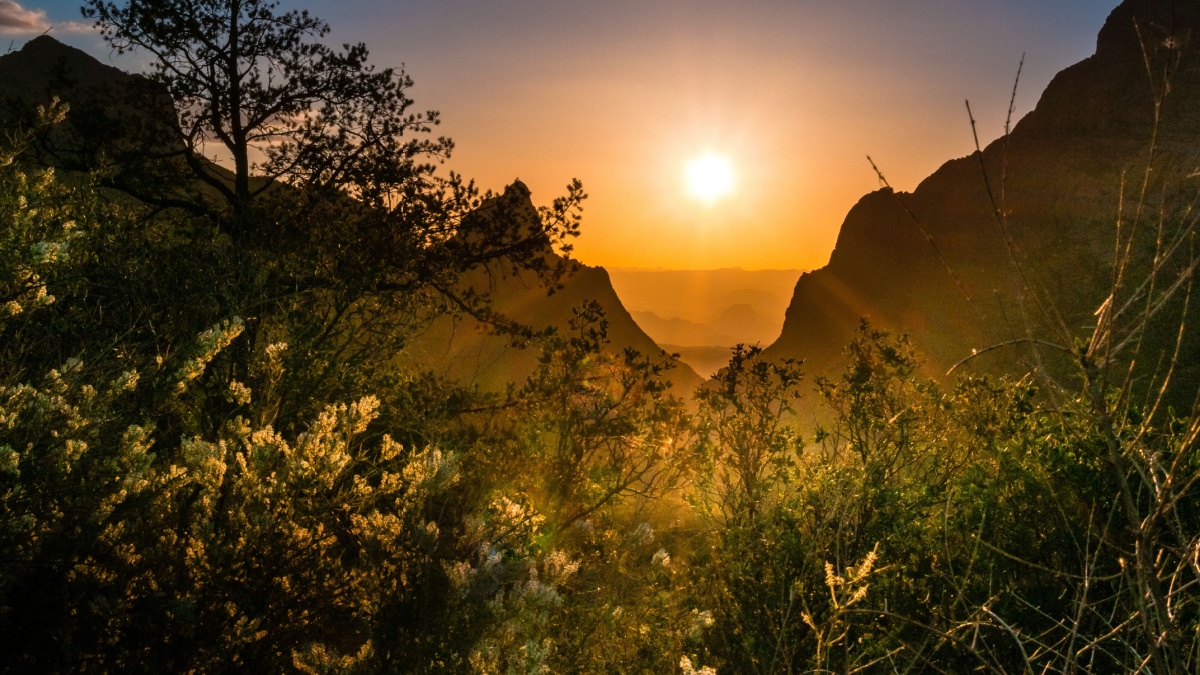
Image Credit: JB Manning/Shutterstock.
The Window is a notch between two peaks in the Chisos Mountains. Find a good vantage point along the road or in the lodge/campground area there and watch the sun go down behind the peaks, silhouetting them in the process. If the time of year is just right, you can see the sun sink through the Window itself.
Cape Royal– Grand Canyon National Park, Arizona
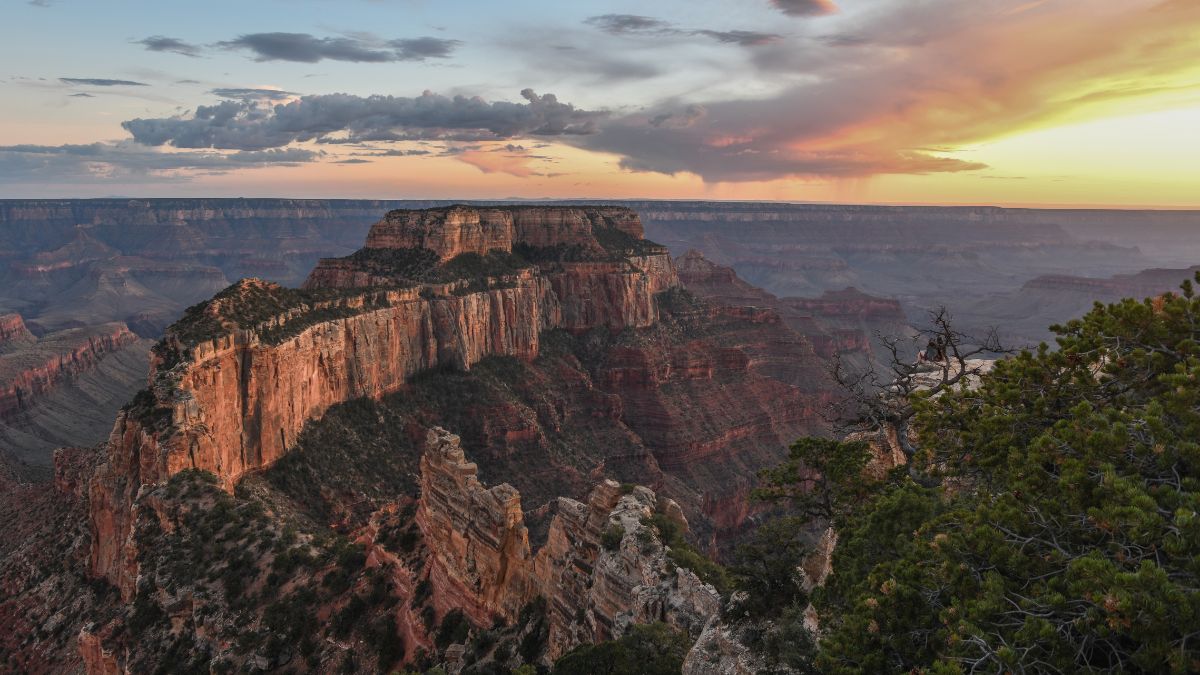
Image Credit: Terri Attridge Photo/Shutterstock.
At Cape Royal on the North Rim, you have a view across the Grand Canyon and the Colorado River all the way to the San Francisco Peaks, the highest mountains in Arizona. Sunset shows off the colors of the canyon walls, and it brings a dazzling glow to nearby Wotans Throne, named for the leader of the ancient Germanic people’s deities.
Bryce Canyon Amphitheater– Bryce Canyon National Park, Utah
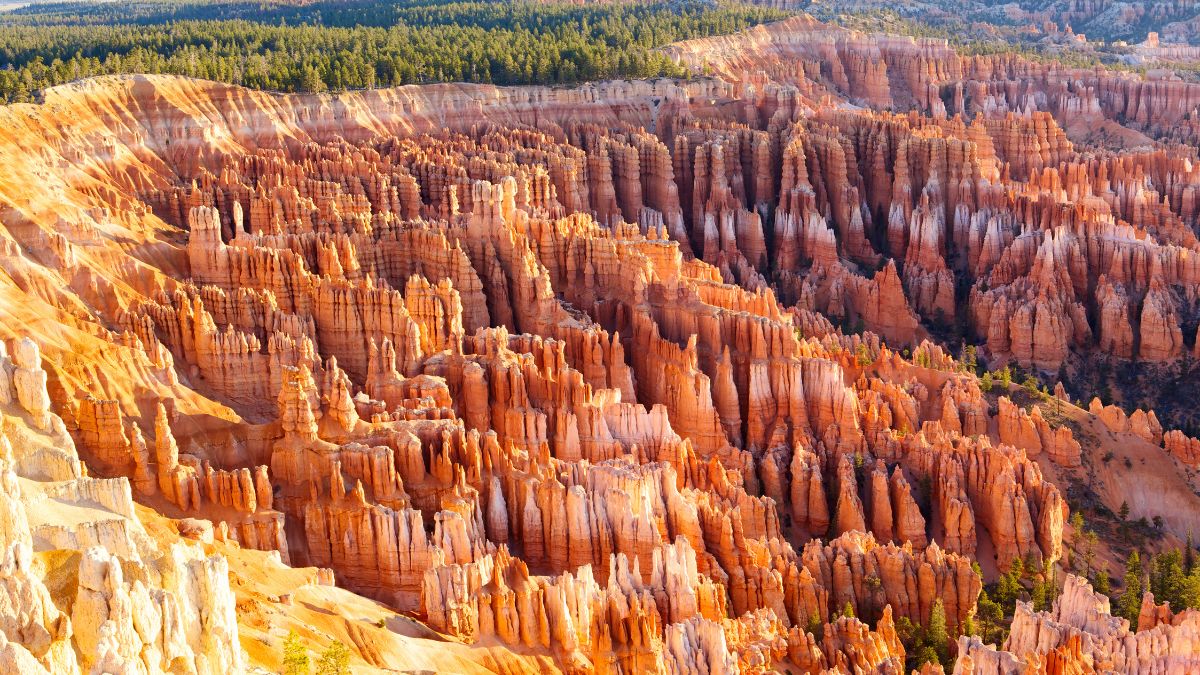
Image Credit: dibrova/Shutterstock.
Sunset paints the famous hoodoos here in intense colors, making them look somewhat like candy corn. Just about any overlook of the main amphitheater is good for this, so there’s room for all.
Delicate Arch– Arches National Park, Utah
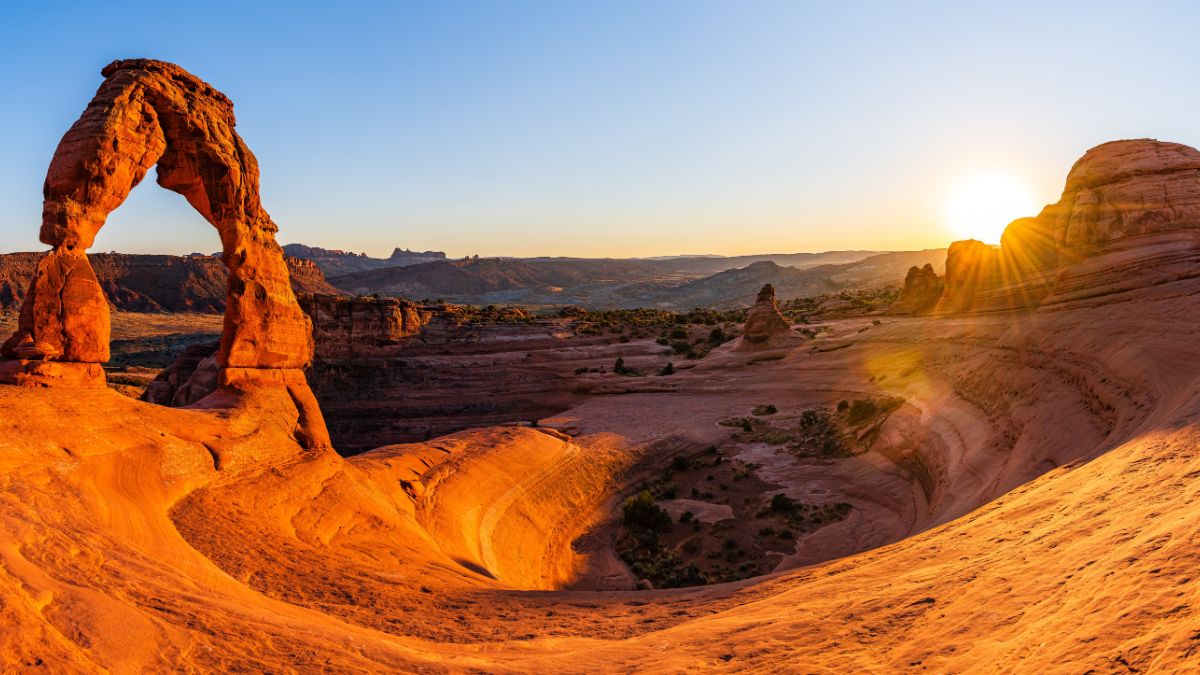
Image Credit: Ondrej Bucek/Shutterstock.
Delicate Arch is the largest free-standing natural arch in the park, and it’s one of the most famous arches in the world. The classic sunset view is that of the arch’s span framing the La Sal Mountains to the east while the arch glows a brilliant red. Trying to catch the sun rising through the span is also a rewarding endeavor.
The Mittens and Merrick Butte– Monument Valley, Utah

Image Credit: MartiBstock/Shutterstock.
These world-famous formations, remnants of an ancient plateau that all but eroded away, are in a park managed by the Navajo Nation. They take on an amazing and vibrant red aspect at sunset, made all the more intense when there are dark storm clouds as a backdrop.
Teton Range– Grand Teton National Park, Wyoming
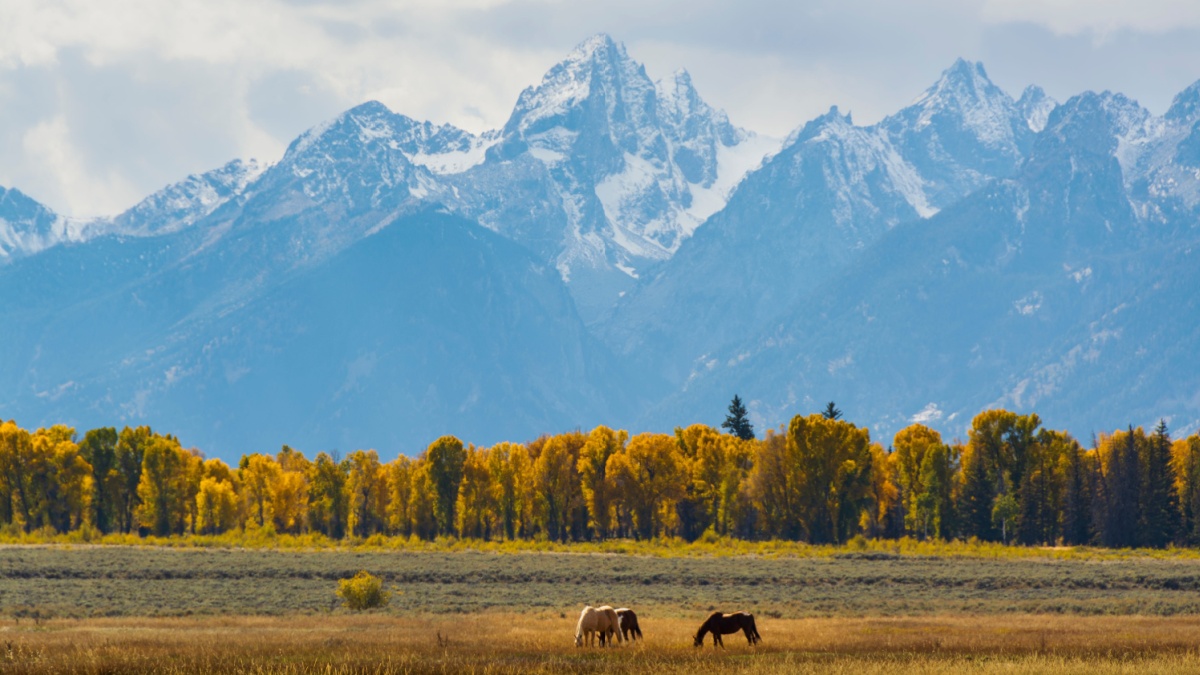
Image Credit: Abstract Artist USA/Shutterstock.
Views of these famous mountains from main park roads are of their eastern aspect, making sunrises exceptionally beautiful here. However, sunsets are underrated but just as spectacular. On clear evenings, rays seem to shoot out forever from behind the peaks as the sun descends. When there are clouds around, they’ll stay dramatically colored for quite some time after the sun is behind the mountains.
Logan Pass– Glacier National Park, Montana
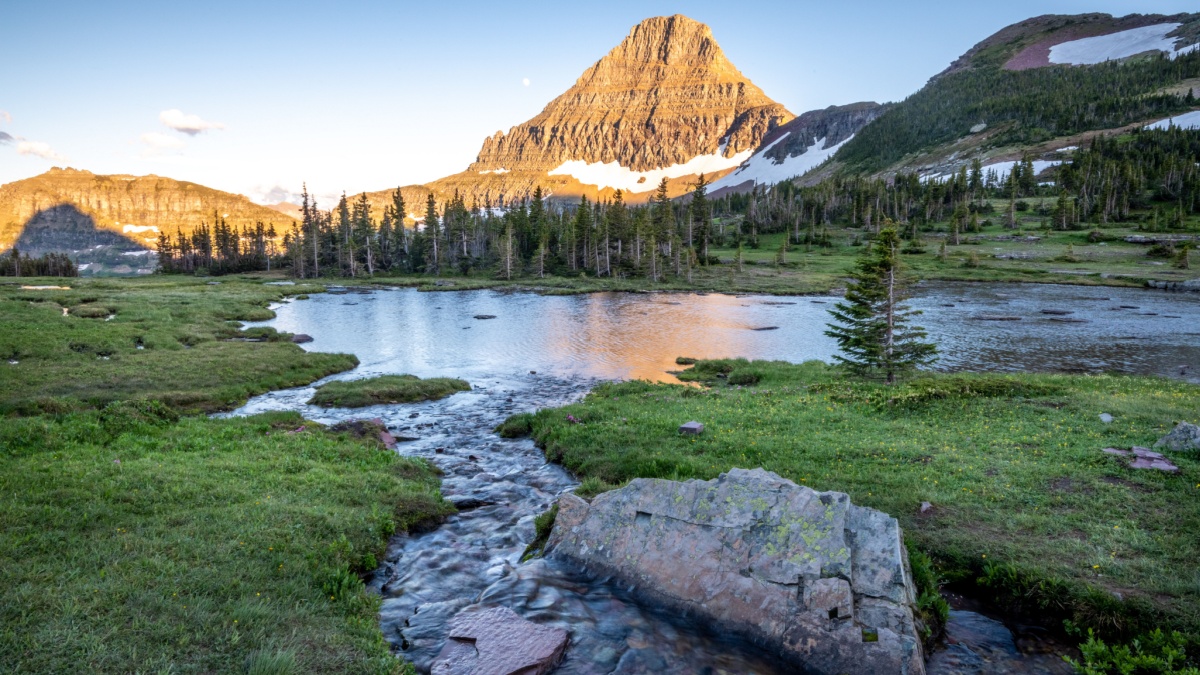
Image Credit: Kimberly Shavender/Shutterstock.
Logan Pass is on the Continental Divide at timberline on Going-to-the-Sun Road, the only park road that connects the eastern and western sides of the park. There are mountains in all directions, so you can see the sinking sun silhouetting some as it brings dramatic colors out in others.
Rialto Beach– Olympic National Park, Washington
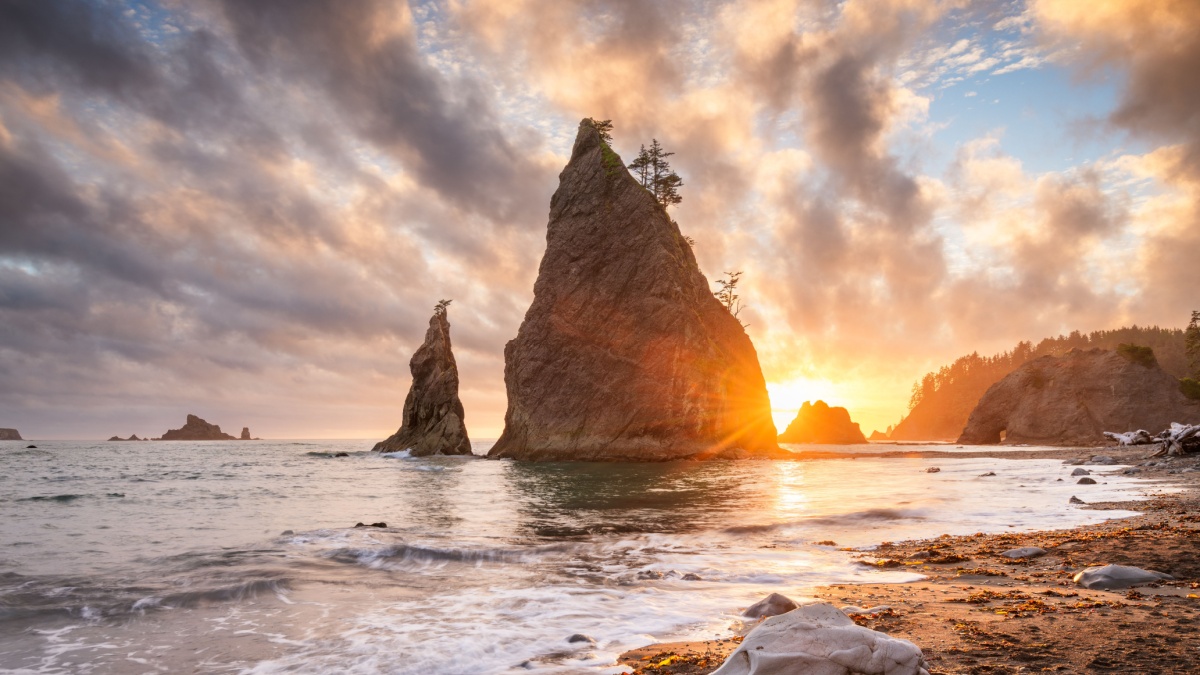
Image Credit:Sean Pavone/Shutterstock.
Rialto Beach faces west since it’s along the Pacific Ocean. On clear days, you’ll not only see the sun drop below the vastness of the ocean but will also see it silhouetted offshore sea stacks and other rock formations. You might even find the right position to watch the sun go down directly behind one of those formations.
Half Dome– Yosemite National Park, California
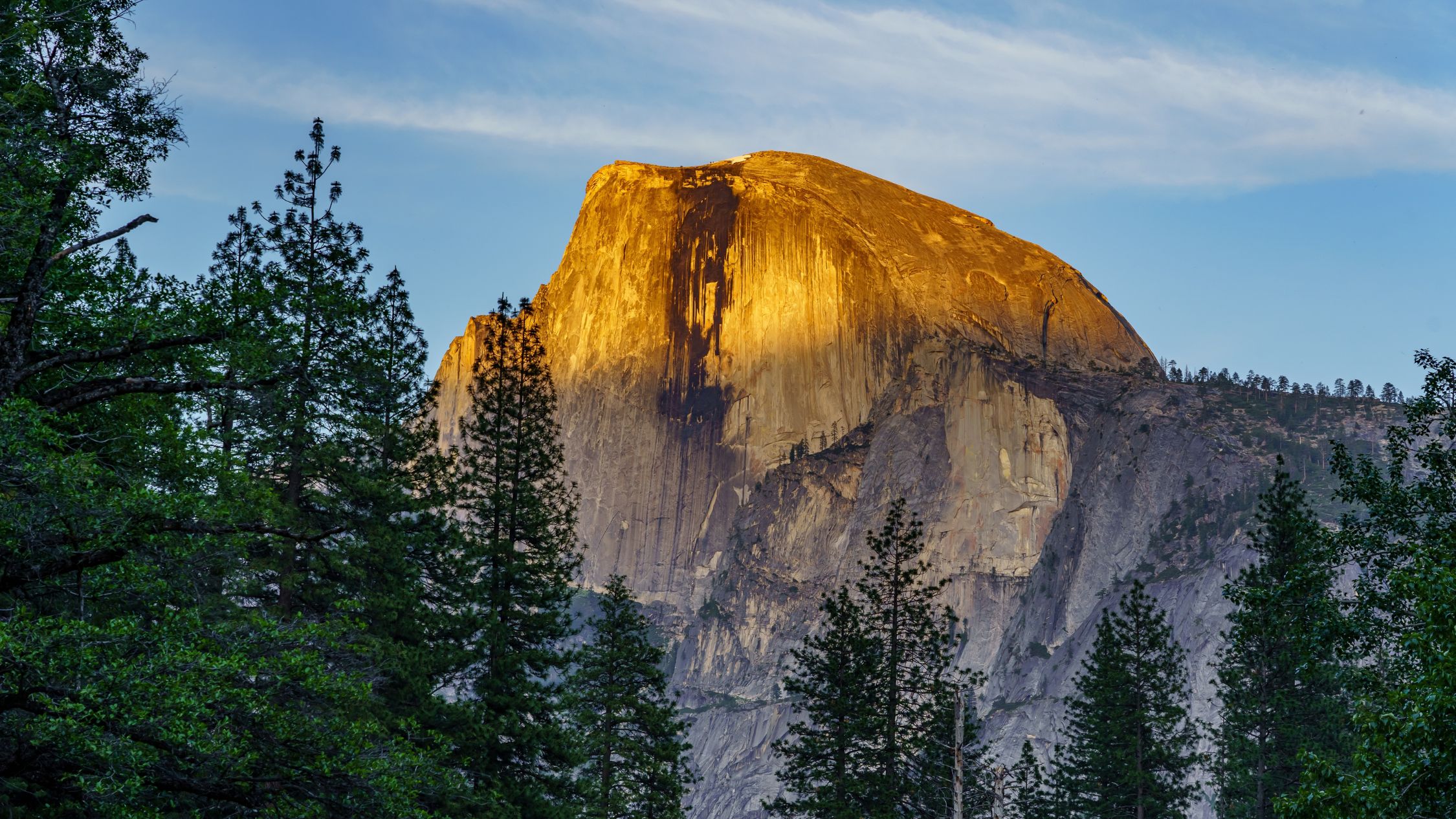
Image Credit: Alpha Wang/Shutterstock.
Half Dome anchors the eastern end of Yosemite Valley and is one of the most recognizable rock formations in the world. Sunset light hits its sheer face directly, giving it a stunning glow that’s easy to see from many places in the valley.

Leave a Reply