
The United States has thousands of waterfalls both named and unnamed, and some of them are among the tallest waterfalls in the world.
If you’re interested in seeing those waterfalls, this article, with the waterfalls grouped by state rather than by height, will help you with your planning.
Note that these are measured by total drop, not by the highest single drop. In other words, most of these waterfalls tumble over multiple drops, with short runs of water between them.
Pictures are for illustrative purposes only and do not necessarily accurately reflect the location in question.
Olo’upena Falls, Hawaii– 2953’
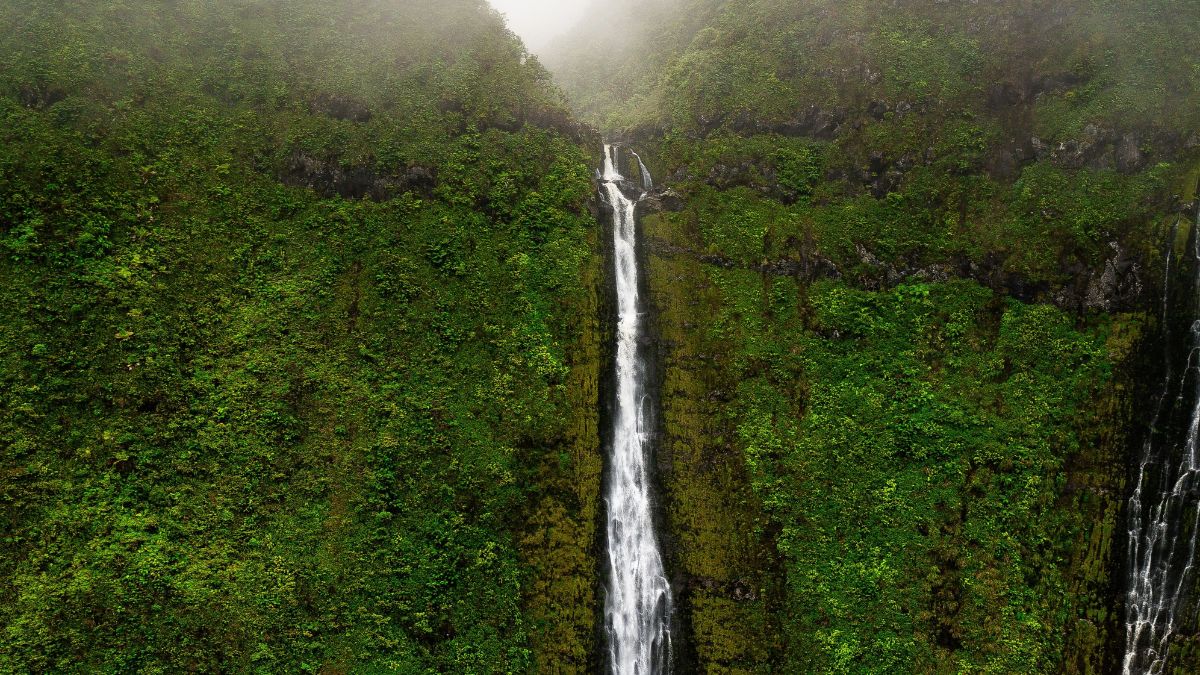
Image Credit: Brandon Means/Shutterstock.
Located on the island of Molokai, this waterfall is the fourth highest in all the world. The only way to see this sliver of a waterfall is from the air or by boat or kayak.
Pu’uka’oku Falls, Hawaii– 2756’
This waterfall is adjacent to Olo’upena and is the eight highest in the world. It also has only a slight flow, and access is again only by air or water.
Waihilau Falls, Hawaii– 2598’
This one is on the Big Island, Hawai’i. There are no roads into the valley where this waterfall exists, and the hike in isn’t easy. The plus side of this is that if you do make the journey, you’ll find this waterfall in a pristine setting.
Haloku Falls, Hawaii– 2297’
Another giant on the northeastern shore of Molokai, Haloku is close to the Molokai waterfalls already included here. It, like the others, requires air or water travel in order for people to see it.
Colonial Creek Falls, Washington– 2585’
Over 13 drops, Colonial Creek falls has the highest total drop in the continental U.S. It drains the Colony Glacier in the North Cascades. You can glimpse this waterfall way off in the distance from Washington Route 20, but getting close to it requires a rugged backcountry hike.
Johannesburg Falls, Washington– 2464’
This waterfall has just five drops, so in the big picture, it may look more impressive than Colonial Creek Falls does. It’s also in the North Cascades, and you can see it by hiking the trail toward Cascade Pass.
Cloudcap Falls, Washington– 2402’
Averaging just 5 feet in width and usually drying out by late summer, Cloudcap Falls isn’t the most visually stunning, but the numbers are the numbers. It’s also in the North Cascades and is fed by glacial runoff.
Seah Poh Peak Falls, Washington– 2200’
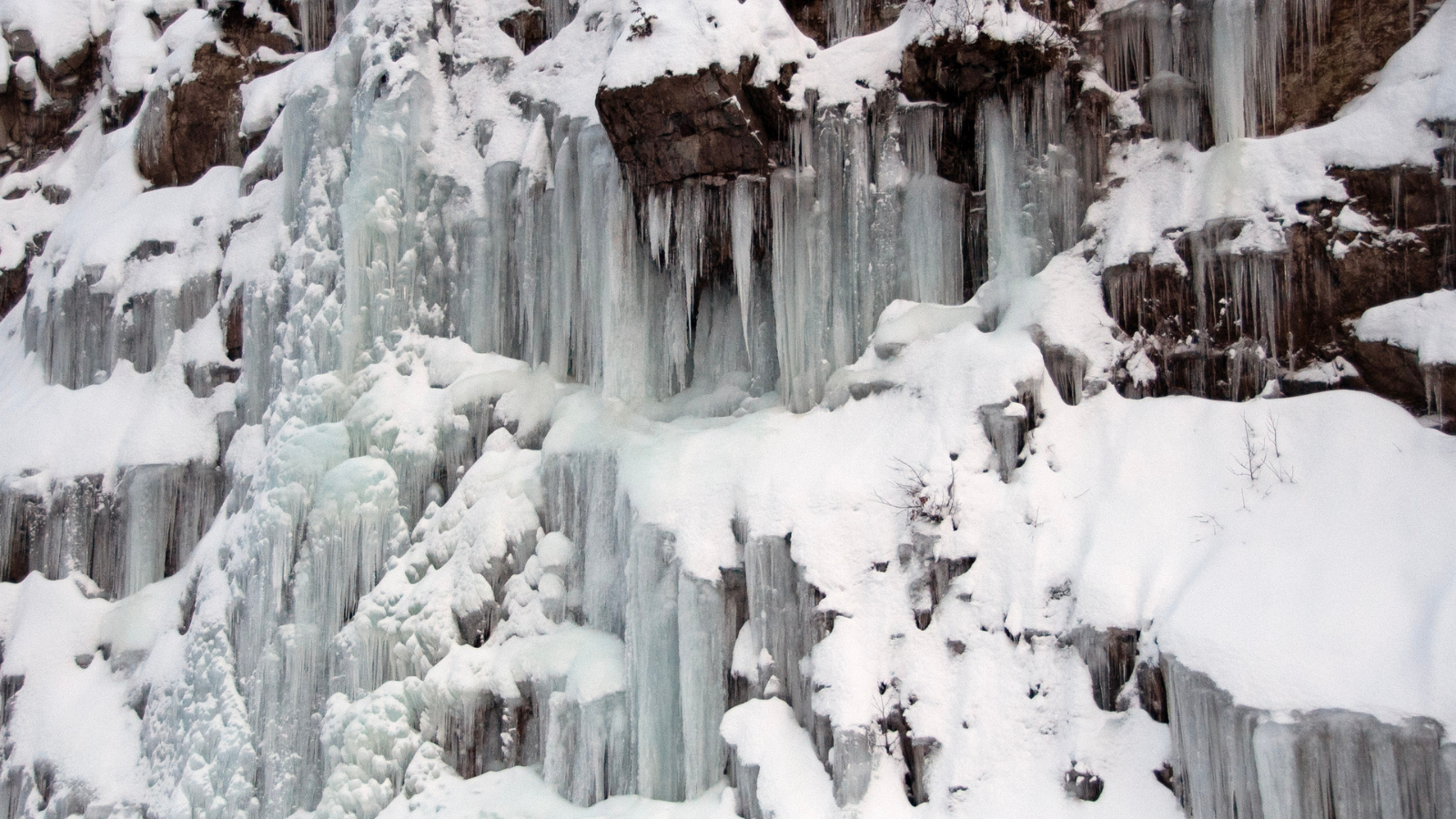
Image Credit: Dana Nalbandian/Shutterstock.
If you’re guessing this one is in the North Cascades as well, your guess is correct. Like some of the others in the area, the volume is quite low, so you might be a little underwhelmed if you make the strenuous trek to it.
Yosemite Falls, California– 2425’
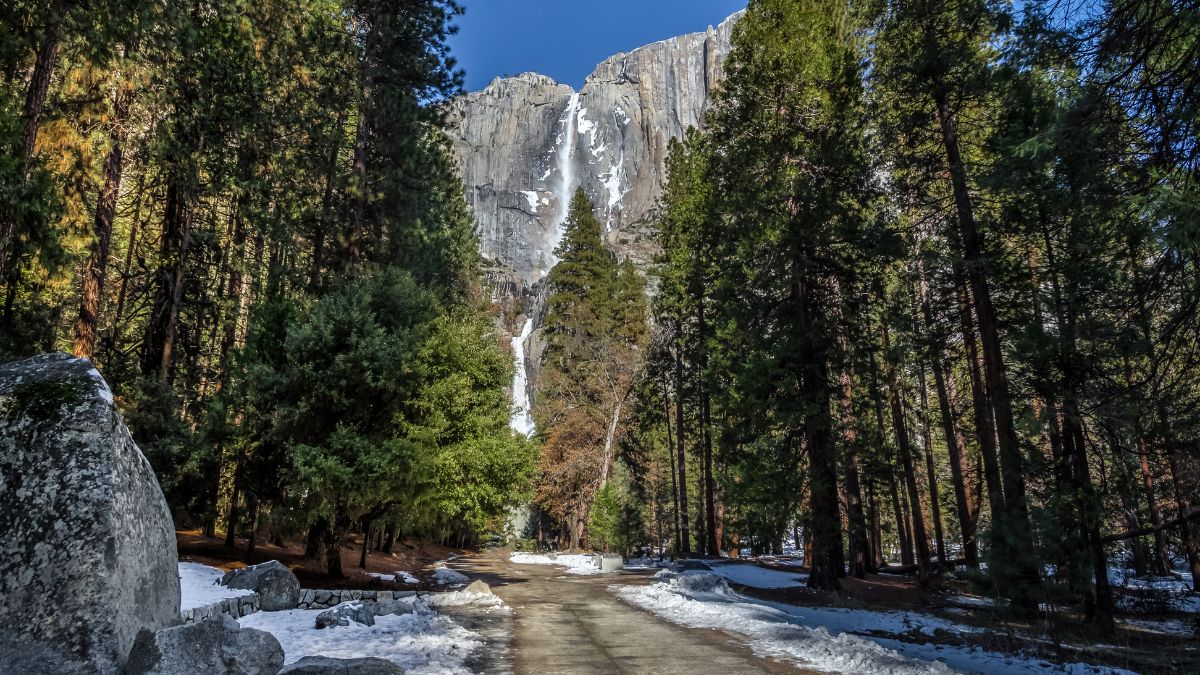
Image Credit: Diego Grandi/Shutterstock.
One of the crown jewels of world-famous Yosemite Valley, Yosemite Falls is, unlike so many of the other waterfalls on this list, easy to see and get to. It falls in three drops, with the upper drop by far being the tallest. Most Yosemite National Park waterfalls are at their peak in spring and early summer when they’re engorged by snowmelt.
Boulder Glacier Falls, Montana– 2385’
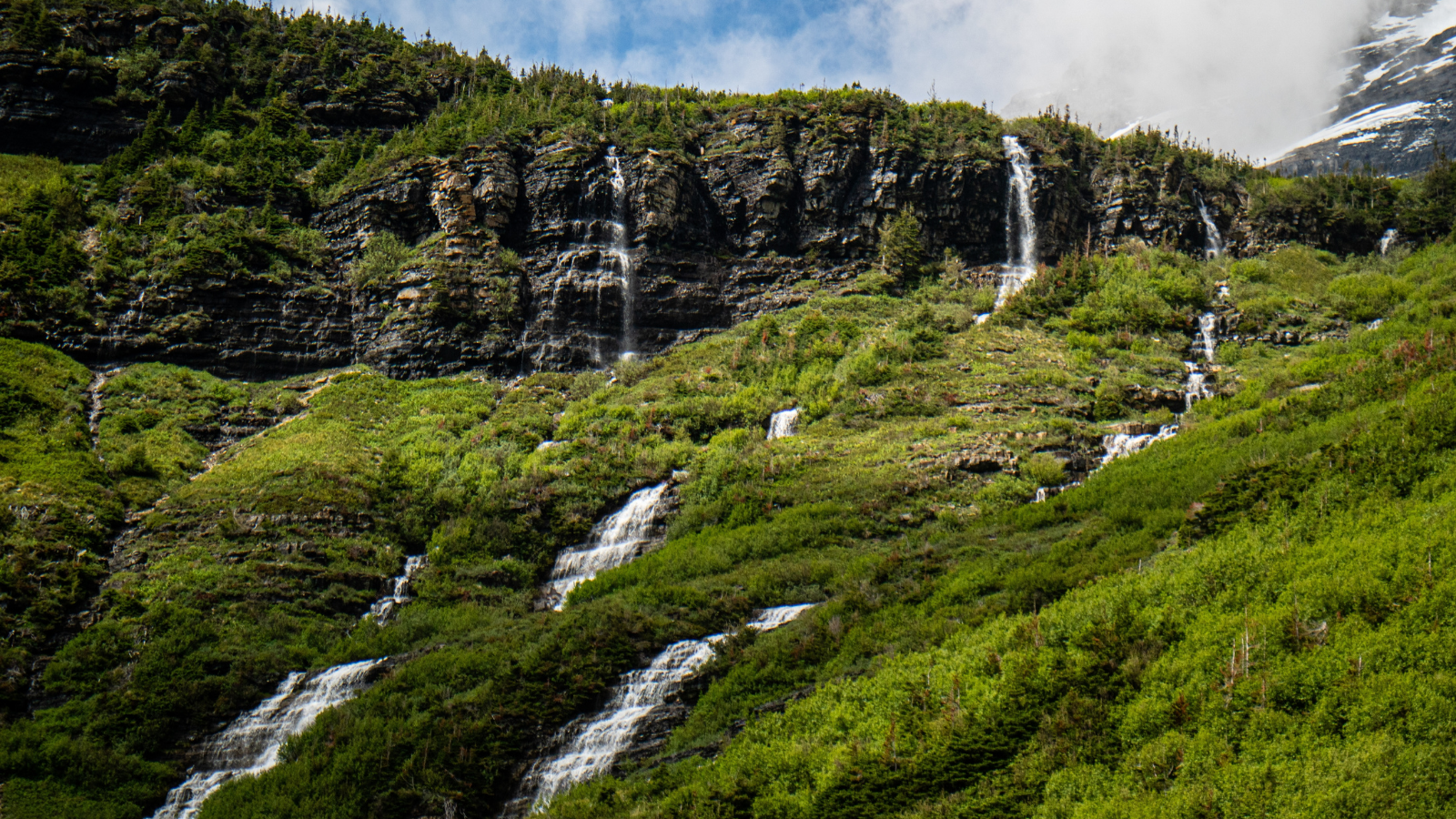
Image Credit: Wichakorn Kitrungrot/Shutterstock.
Anyone who’s ever been to Glacier National Park, where the final three waterfalls on this list are, won’t be surprised to know that Glacier has some of the country’s highest waterfalls. Melted snow and ice pour over high, steep cliffs into basins below seemingly everywhere. Boulder Glacier Falls is in a remote area in the northwestern part of the park and requires lengthy hiking to reach.
Sperry Falls, Montana– 2320’
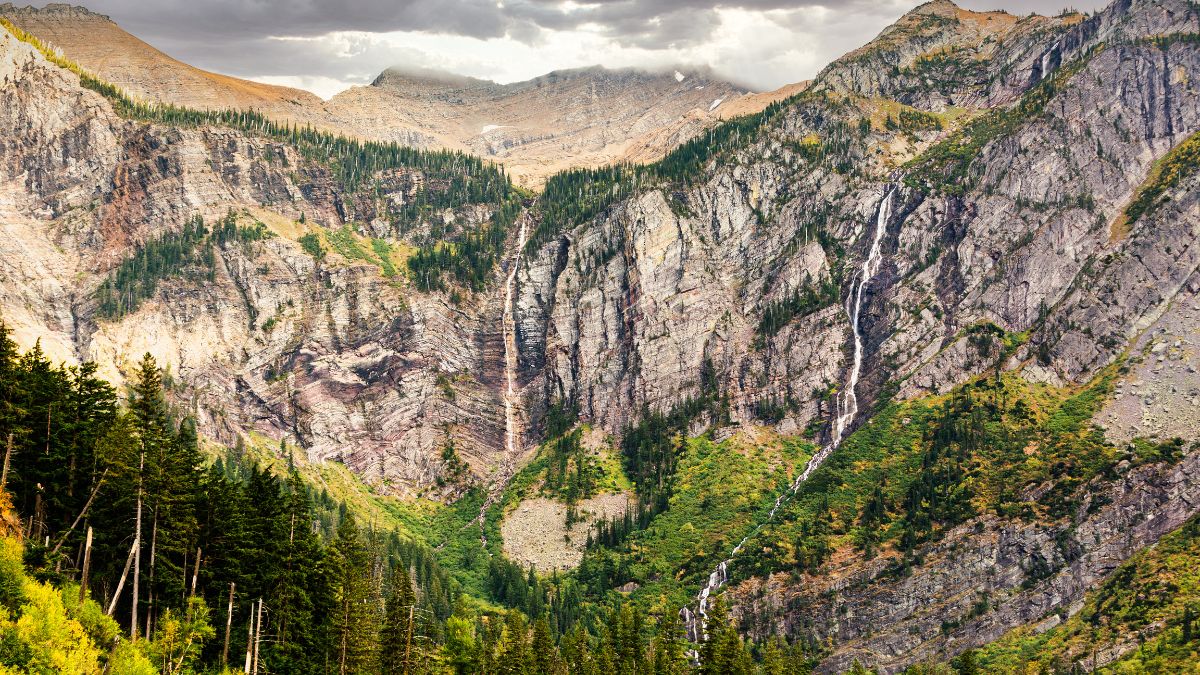
Image Credit: Mihai_Andritoiu/Shutterstock.
Formerly called Avalanche Basin Falls, this waterfall forms from meltwaters of the Sperry Glacier, one of the park’s largest. There are three sections of drops, the tallest of which is 900’. Eventually, the waters reach Avalanche Lake, which is an easy hike from the main park road.
Harrison Basin Falls, Montana– 2320’
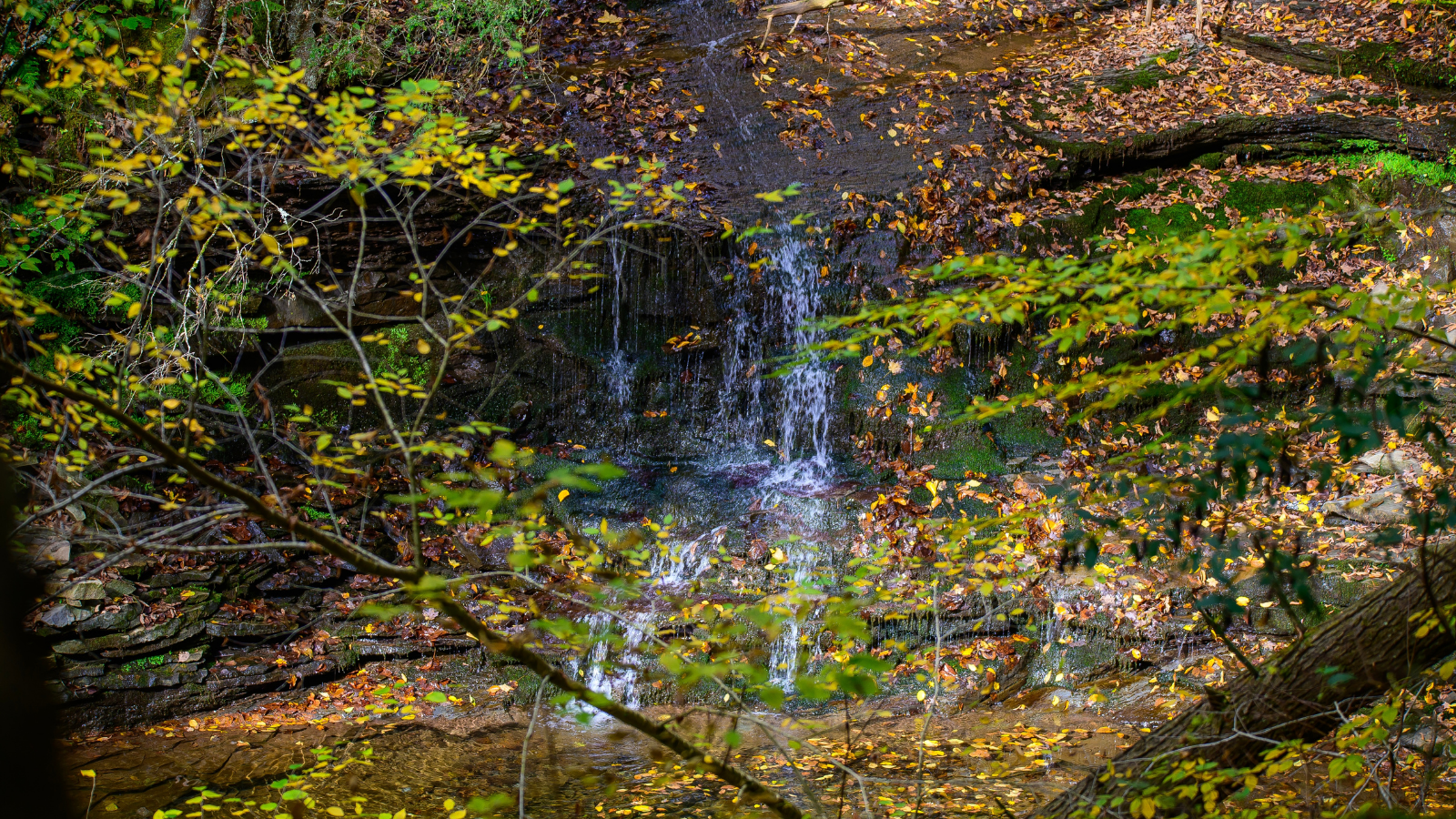
Image Credit: James W. Thompson/Shutterstock.
The Harrison Glacier is currently the largest in the park, and its meltwaters in spring and summer feed a number of strongly flowing and steeply descending streams. The Harrison Basin Falls are in a remote part of the park, and your best bet for seeing them well is to make the hike to Harrison Lake, which requires a river ford, or, if you’re up for a climbing adventure, from the summit of a nearby peak.

Leave a Reply