
The world’s first national park, Yellowstone, most of which is in Wyoming but portions of which are in Idaho and Montana, is one of the crown jewels of our system.
It’s also among the most heavily visited national parks in the country, making the top five every year, which is pretty impressive since the vast majority of the park is only accessible from late spring through early fall. Slow traffic and big crowds are facts of life in Yellowstone, but they don’t have to define your visit.
Not all of the following suggestions will deliver solitude; they will, though, grant you some relief from the worst of the crowds. So let’s start our “quieter” tour of Yellowstone.
Go Out Early
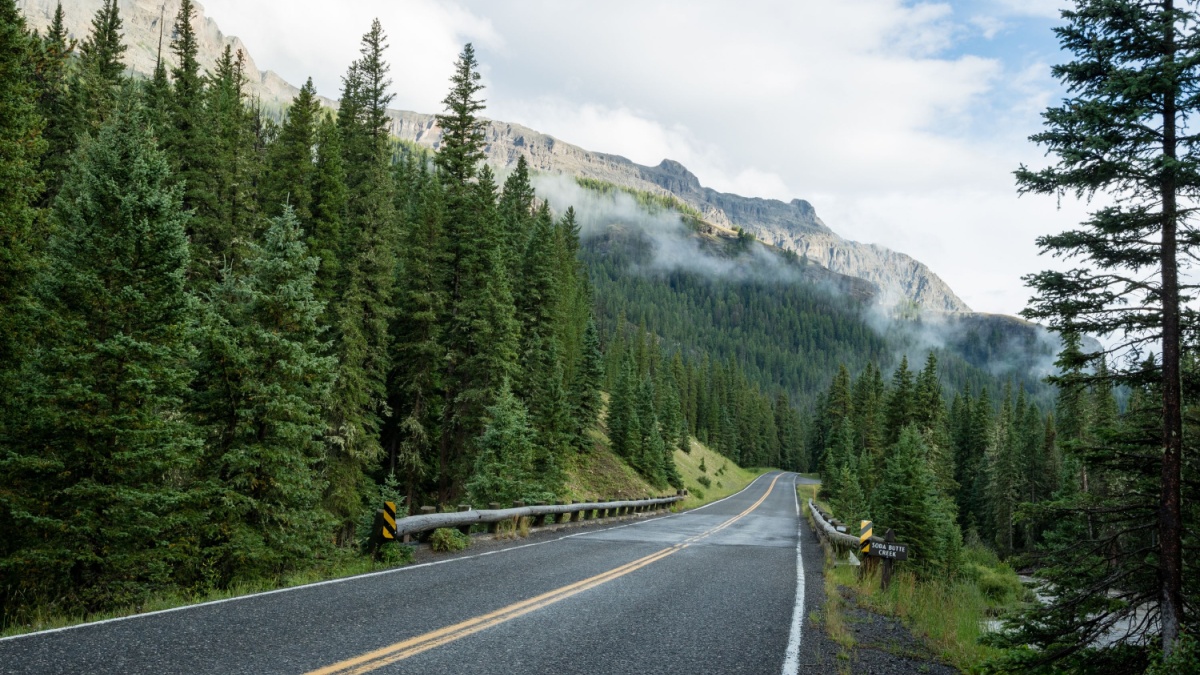
Image Credit:Sam Spicer/Shutterstock.
It’s typically around 9 or 10 when the park starts getting really busy after people have had time to wake up, eat, and get ready to go out. The early-morning hours are better for scenic drives, visiting the really popular spots, and viewing wildlife.
And Go Out Late
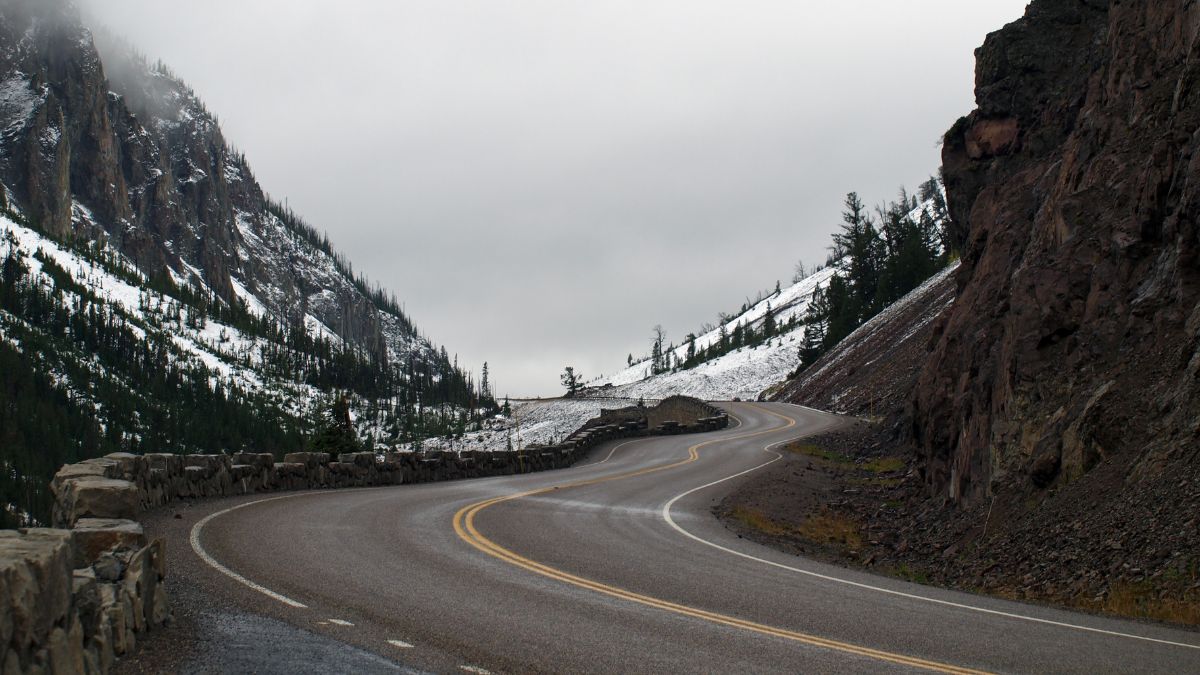
Image Credit: Stillgravity/Shutterstock.
Around late afternoon, most people head back to wherever they’re spending the night to relax and have dinner. If you eat an early or late dinner and go out into the park from early evening to sunset, you’ll find less traffic, fewer people, more wildlife activity, and beautiful colors as the sun gets lower.
Visit in Winter
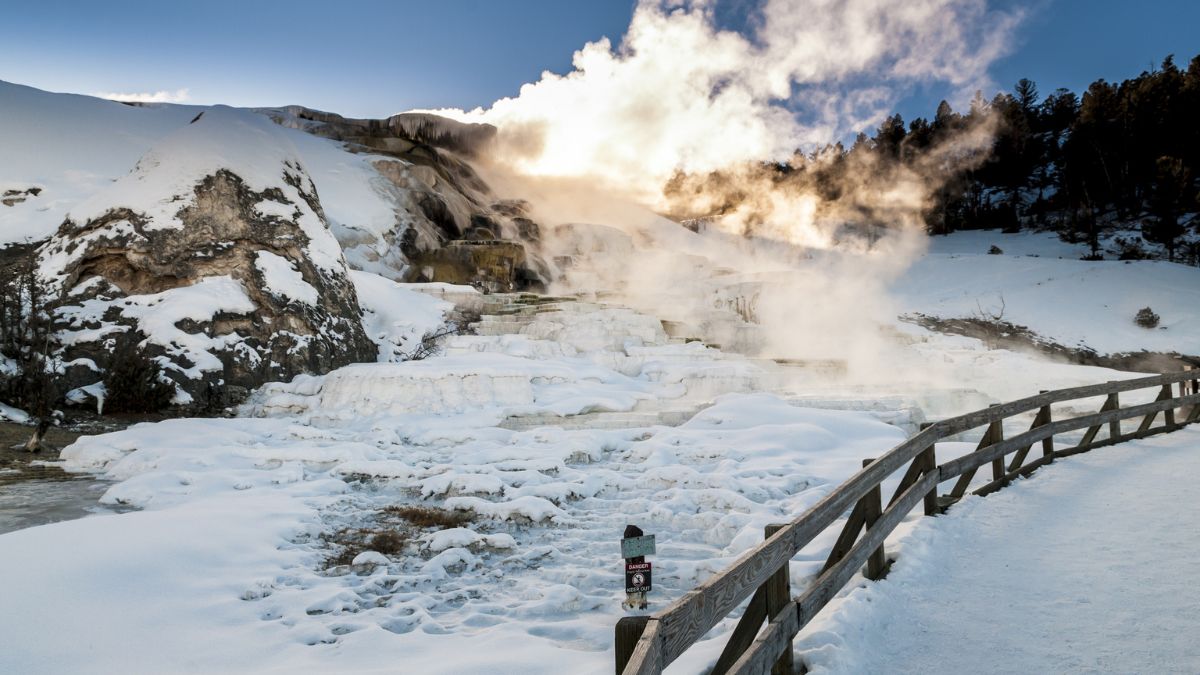
Image Credit: Kris Wiktor/Shutterstock.
To connect the communities of Silver Gate and Cooke City to the outside world, the roads from Mammoth to the Northeast Entrance stay open all year, but all other park roads close for the winter. Winter is brutal in Yellowstone, but it’s also beautiful and a time to visit geyser basins via snow coach tours or head out on a closed road with cross-country skis or snowshoes.
Upper Terrace Drive

Image Credit: Zack Frank/Shutterstock.
It can sometimes seem as though half the world is at Mammoth Hot Springs. Just south of the main terraces, though, is Upper Terrace Drive, a one-way road that leads to several beautiful geothermal features. By its nature, this place can never be as packed as the area around the main terraces gets.
Lower Geyser Basin

Image Credit: Frank Fichtmueller/Shutterstock.
From Norris Geyser Basin to the Old Faithful area, geyser basins dominate Yellowstone, and the busiest are Norris, Midway, and Upper Geyser Basin. The others are busy as well but just not as much so. At Lower Geyser Basin, there are beautiful pools as well as at least one small geyser that is currently constantly erupting.
Biscuit Basin and Black Sand Basin
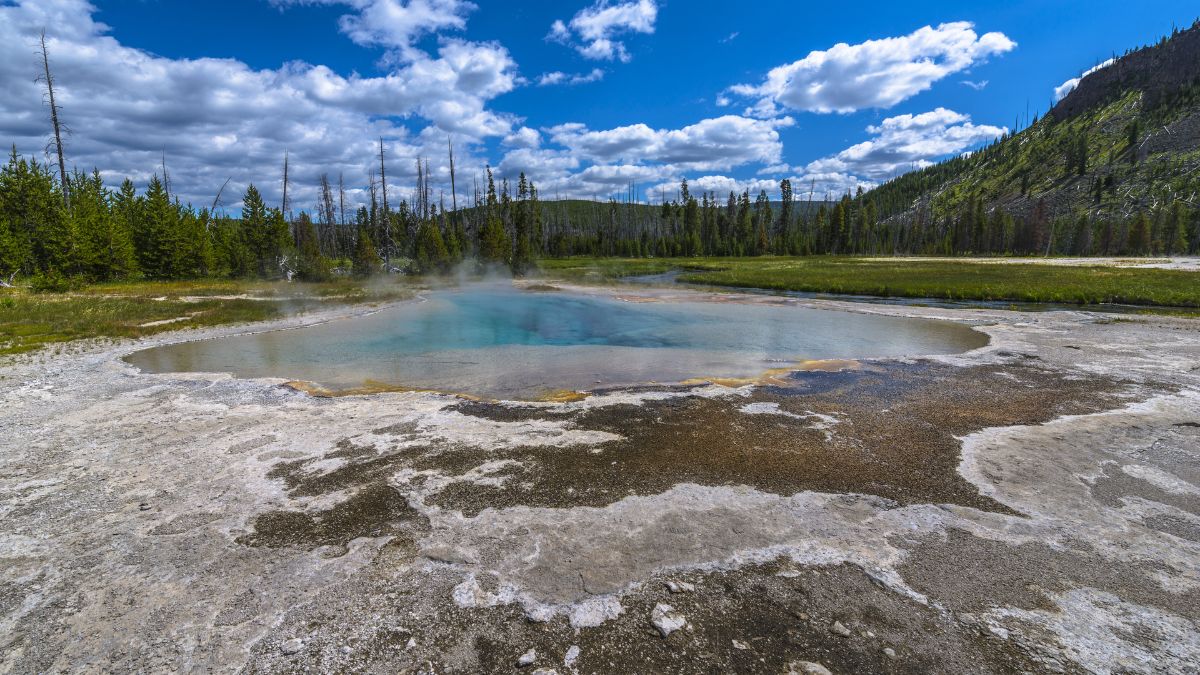
Image Credit: Kris Wiktor/Shutterstock.
The Biscuit and Black Sand geyser basins are south of Upper Geyser Basin (Old Faithful’s location) and seemingly within a stone’s throw of each other. These small basins have beautiful pools and active geysers, and the jammed tour buses don’t stop at them as often.
West Thumb Geyser Basin
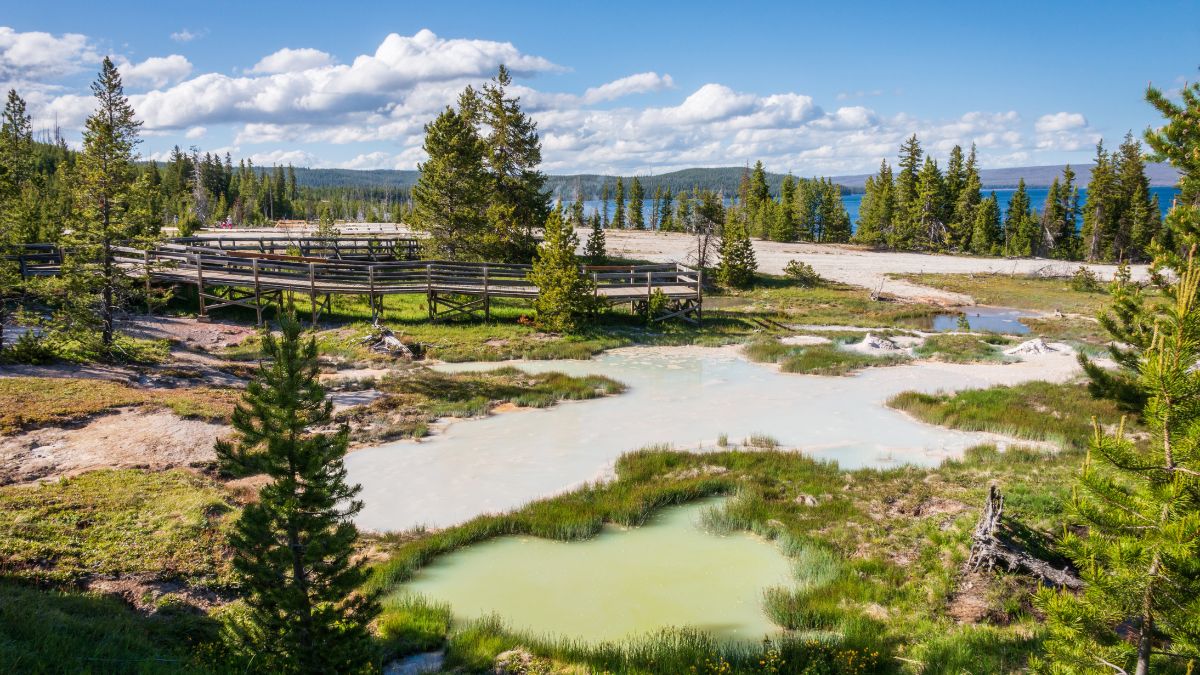
Image Credit: Zack Frank/Shutterstock.
West Thumb Geyser Basin isn’t among the cluster of geothermal areas in the western section of the park, so it isn’t as heavily visited, and early or late in the day, you might actually have it to yourself, if only for a few minutes. It’s also right on the edge of Yellowstone Lake, making for a beautiful backdrop and setting.
Avalanche Peak
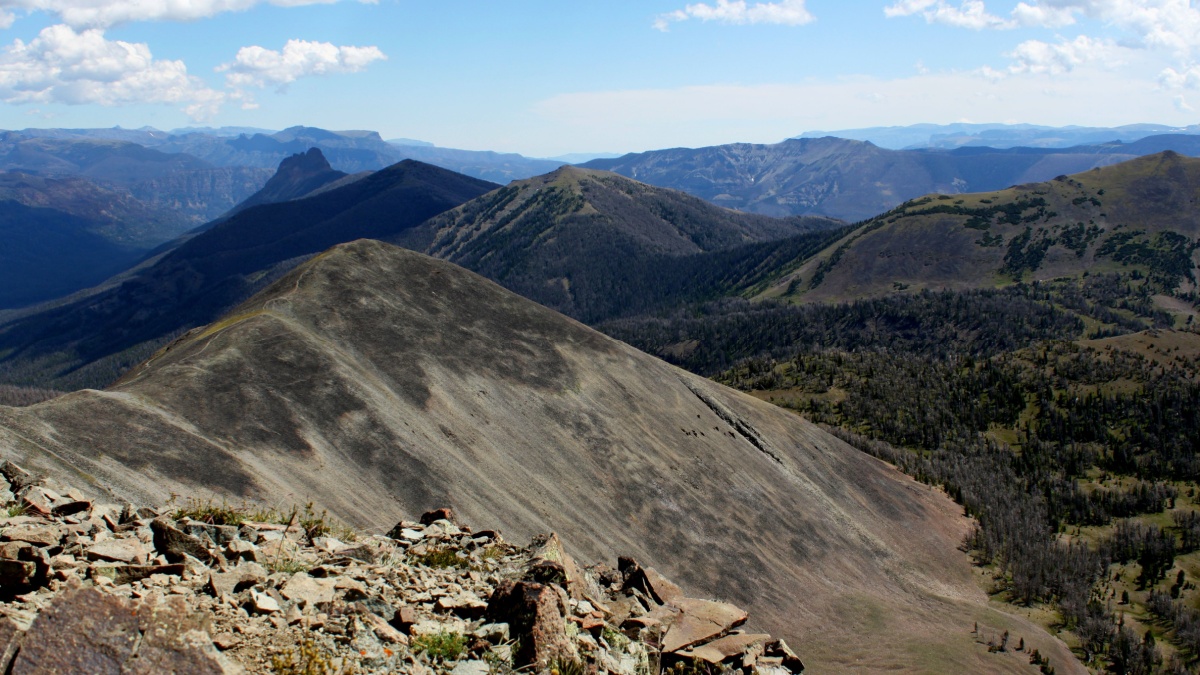
Image Credit: James Robert Smith/Shutterstock.
Yellowstone doesn’t have a lot of hiking routes to summits. You have Bunsen Peak, which has good views but is somewhat diminished by radio and weather towers. There’s Mount Washburn, which has great views but is typically mobbed. Avalanche Peak near Sylvan Pass on the East Entrance Road has a short but very steep trail up it. It’s usually busy, but the views are spectacular, and if you hike the ridge to neighboring Hoyt Peak, which is easier than it looks, you’re likely to have it all to yourself.
Specimen Ridge
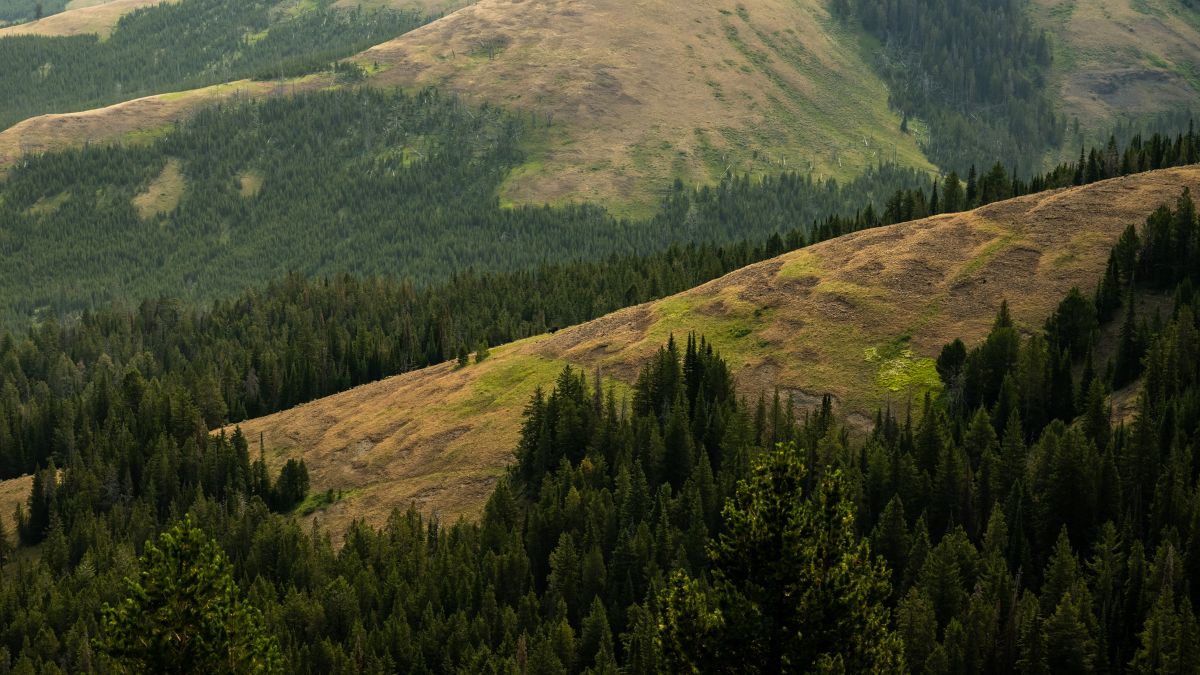
Image Credit: Kelly vanDellen/Shutterstock.
The hike up Specimen Ridge starts off the Northeast Entrance Road in the wildlife-packed Lamar Valley. Since it requires a little time and effort to get up high enough to enjoy the sweeping views of mountains, valleys, and canyons, it doesn’t get very busy.
Lamar River Trail
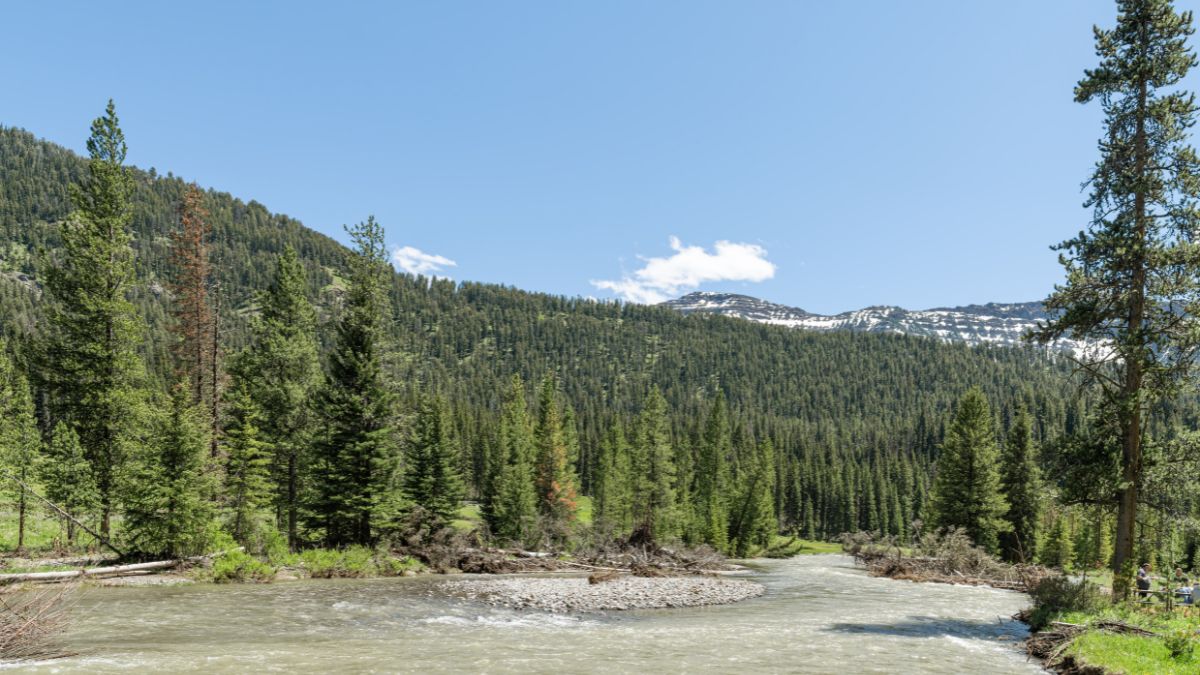
Image Credit: dvlcom – www.dvlcom.co.uk/Shutterstock.
A lot of people stop at one of the two parking areas (one of them is where horse trailers park) for the Lamar River Trail to view wildlife. It’s also the starting point for long journeys deep into the backcountry. Hiking out to the ford of the Lamar River gets you closer to everything and feels more genuine than standing in a parking lot amid a sea of people with binoculars and spotting scopes.
Go on a Backpacking Trip
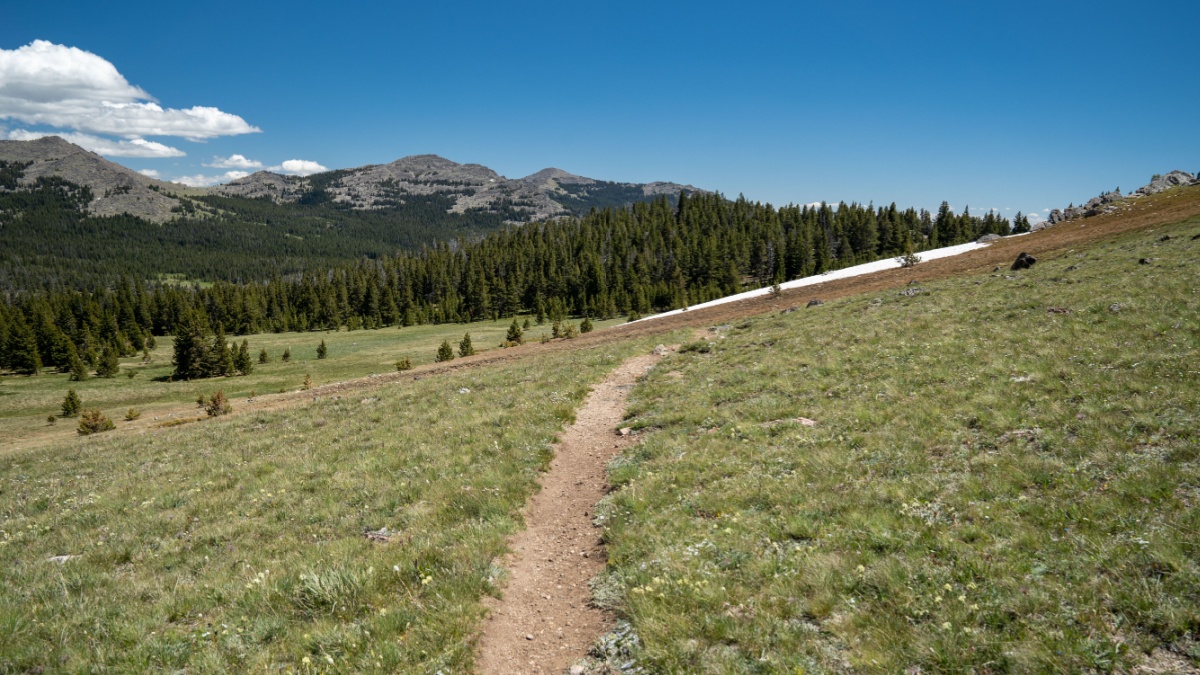
Image Credit: melissamn/Shutterstock.
Yellowstone has vast amounts of wild backcountry that sees relatively few human visitors. The aforementioned Lamar River Trail is one excellent approach point. The loop linking Fawn Pass and Bighorn Pass in the Gallatin Range in the northwestern section of the park is another great one. The southeastern portion of the park, with Mount Sheridan and Heart Lake being major features is also rugged and wild.
Make Your Own Adventure
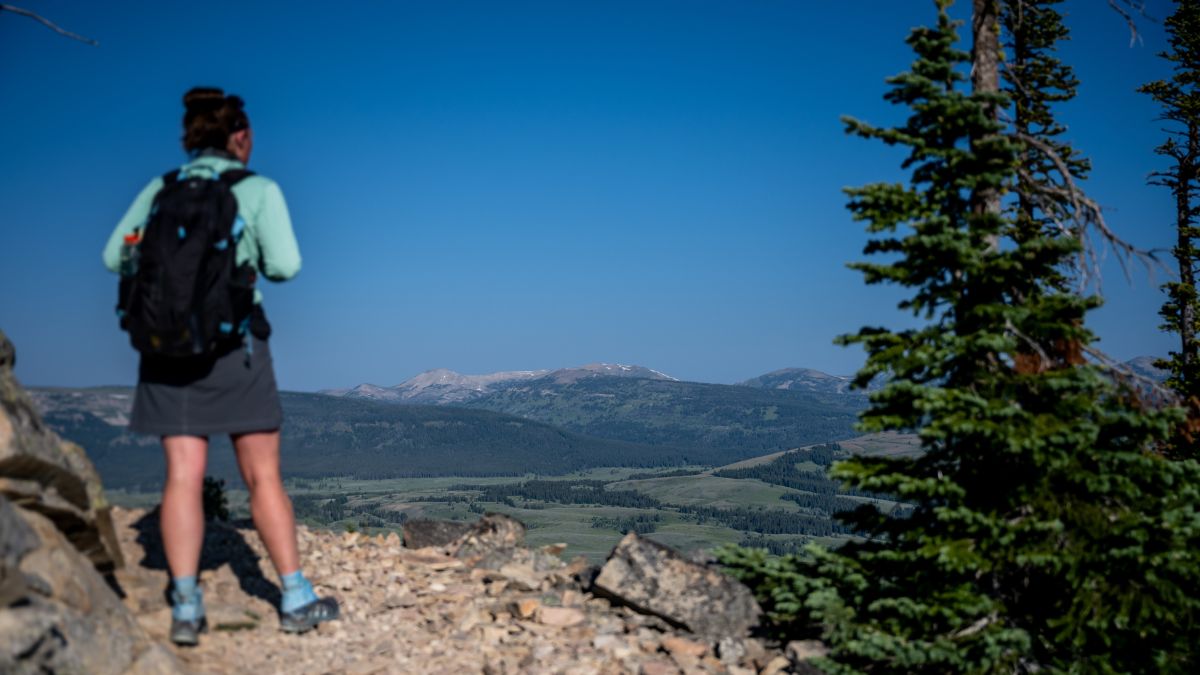
Image Credit: Kelly vanDellen/Shutterstock.
You can also use your own imagination and a good map to create your own cross-country adventure. For example, I once found an area with no human-made trails that hasd a staggering amount of elk antlers, colorful rocks and minerals, and petrified wood that included stumps and logs maybe no one else had ever seen. I’ll keep that place secret, so go out and find some secrets of your own! Just be aware that off-trail travel carries greater risks of close-up wildlife encounters, getting lost, and injuries, so go out well-prepared and with someone back home knowing your plans.

Leave a Reply