
Bristlecone pines are the oldest and longest-living organisms in the world. They’re also amazing to see since they grow in places most other plants can’t and often have wild, wind-twisted shapes.
If you want to see these ancient monarchs, try the following places, as the bristlecones only grow at high, arid locations in California, Nevada, Utah, and a few other places in the Rockies.
White Mountain Road, California
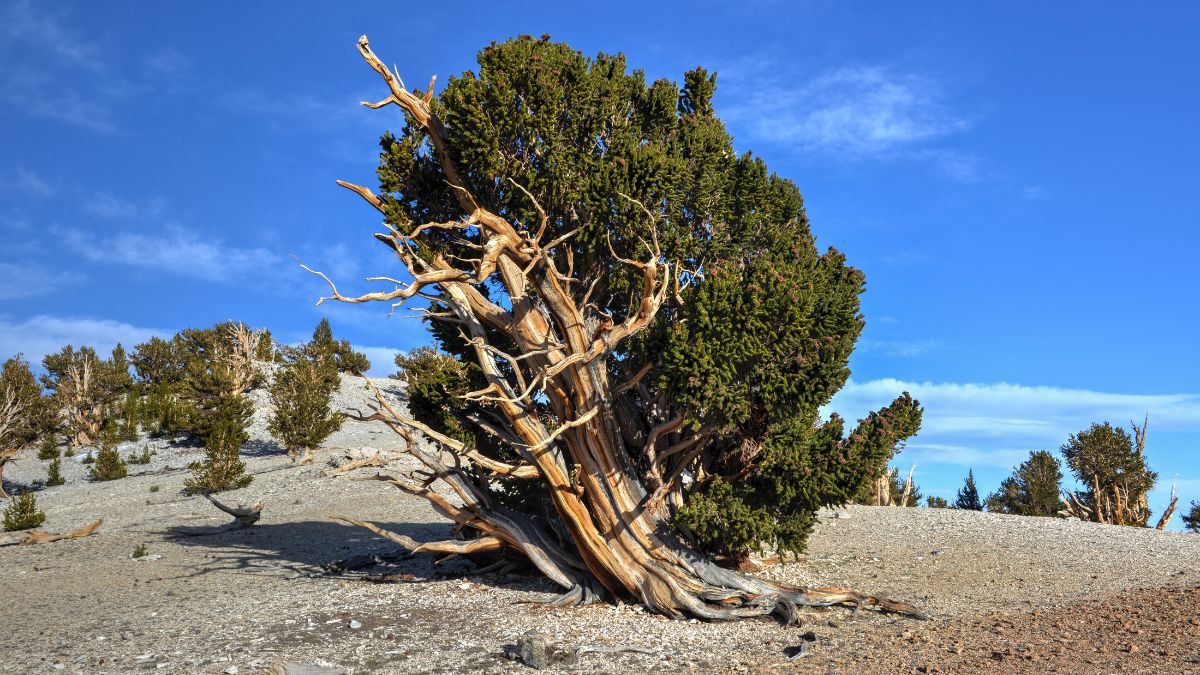
Image Credit: Felix Lipov/Shutterstock.
The White Mountains are a high, arid range on the California-Nevada border and across the valley from the Sierra Nevada. From Big Pine, drive west into Inyo National Park and then turn onto White Mountain Road, also signed for the Ancient Bristlecone Pine Forest. As the road climbs higher, bristlecones will start to appear.
Schulman Grove, California
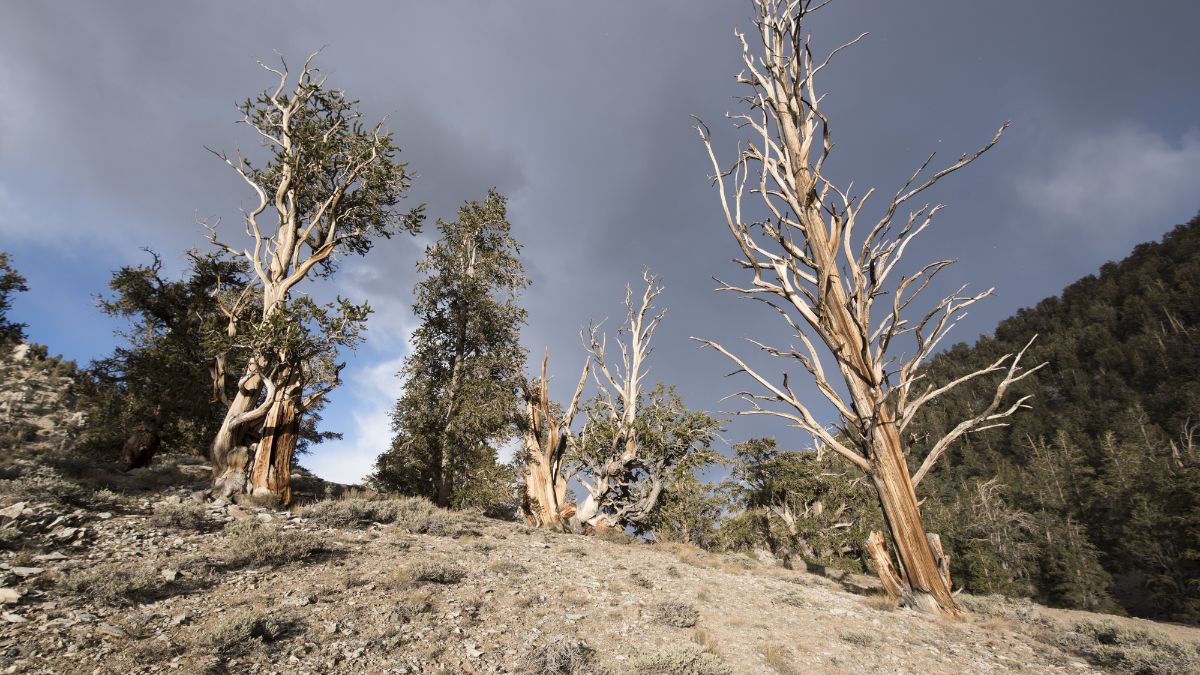
Image Credit: Eugene Powers/Shutterstock.
Schulman Grove is off the White Mountain Road. There’s a visitor center there, and a loop trail visits a grove of bristlecones. Somewhere among them is the Methuselah Tree, which at over 4,800 years old is the world’s oldest known living organism. Rangers keep the tree’s precise location secret to protect it from vandals.
Patriarch Grove, California
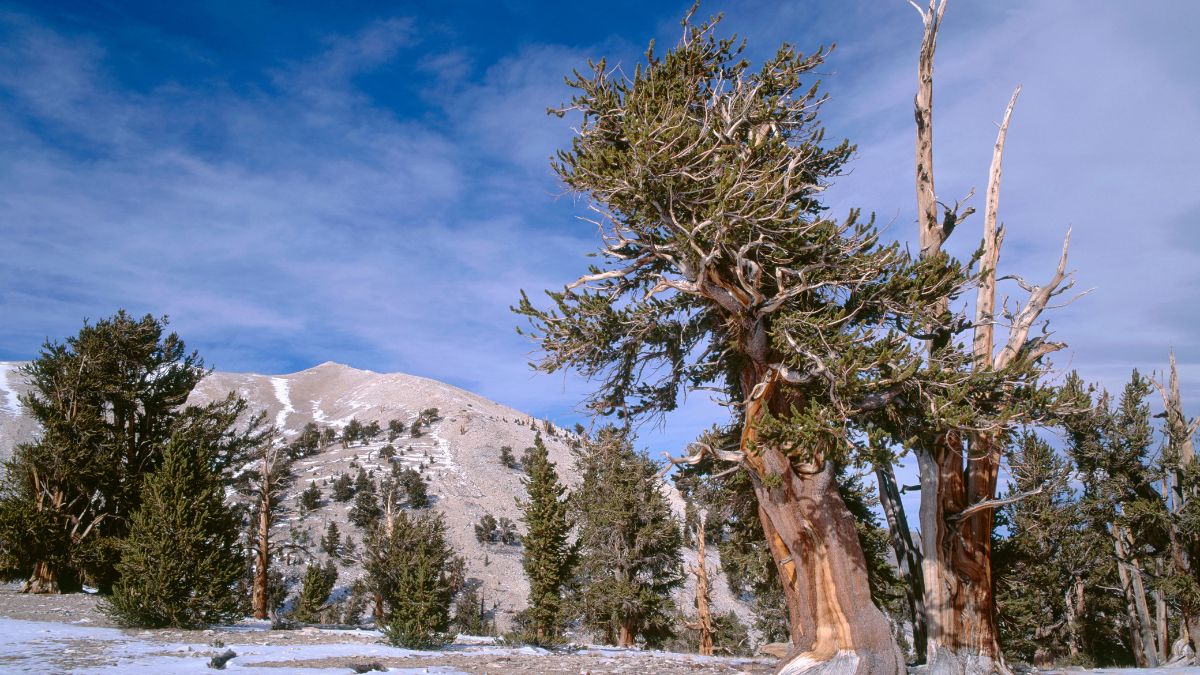
Image Cedit: Danita Delimont/Shutterstock.
White Mountain Road gets a lot rougher after Schulman Grove but is still passable for most passenger vehicles. Patriarch Grove is near timberline, and the bristlecones among them are a lot more weathered and gnarled up here. In this grove is the Patriarch Tree, the world’s largest bristlecone.
Telescope Peak, California
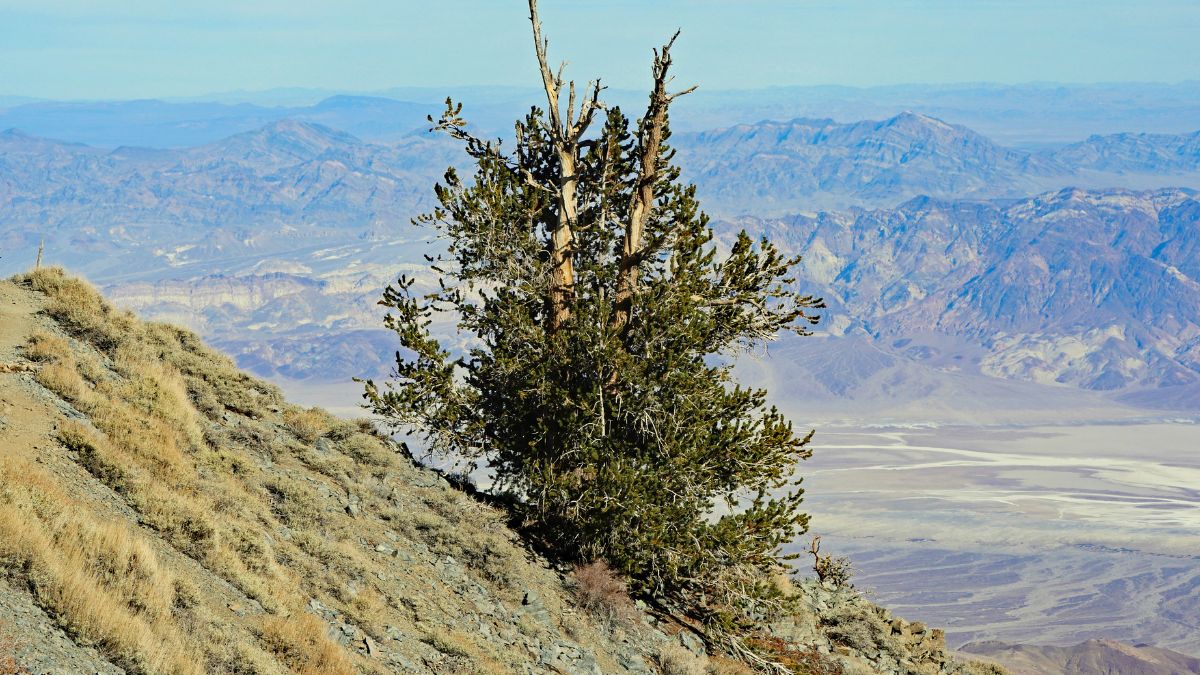
Image Credit: dlhca/Shutterstock.
The highest peak in Death Valley National Park, Telescope Peak has a grove of bristlecones close to its summit. The trail to the top is 7 miles, and the bristlecones are around 6 miles in. They frame great views of Death Valley and the distant Sierra Nevada.
Spring Mountains, Nevada
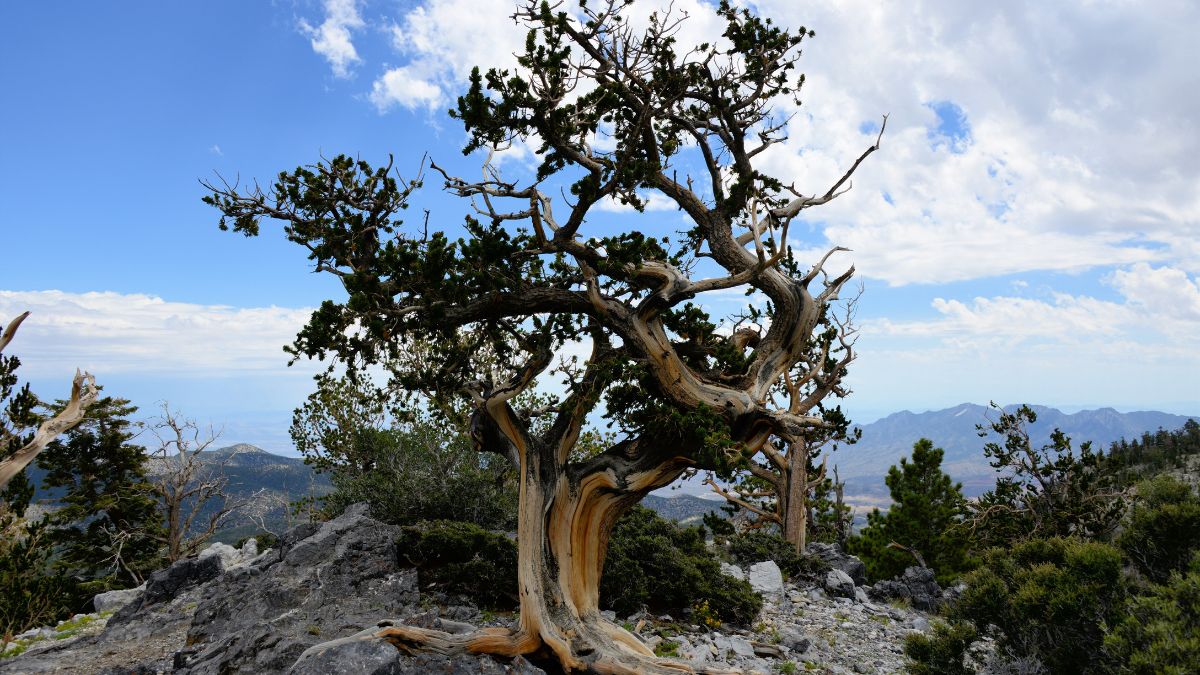
Image Credit: Eric M. Williams/Shuttesrtock.
West of Las Vegas, the Spring Mountains get high enough and harsh enough to support bristlecone pines. A good way to see them is via the steep hike up Mt. Charleston, the highest peak in the range.
Wheeler Peak Grove, Nevada
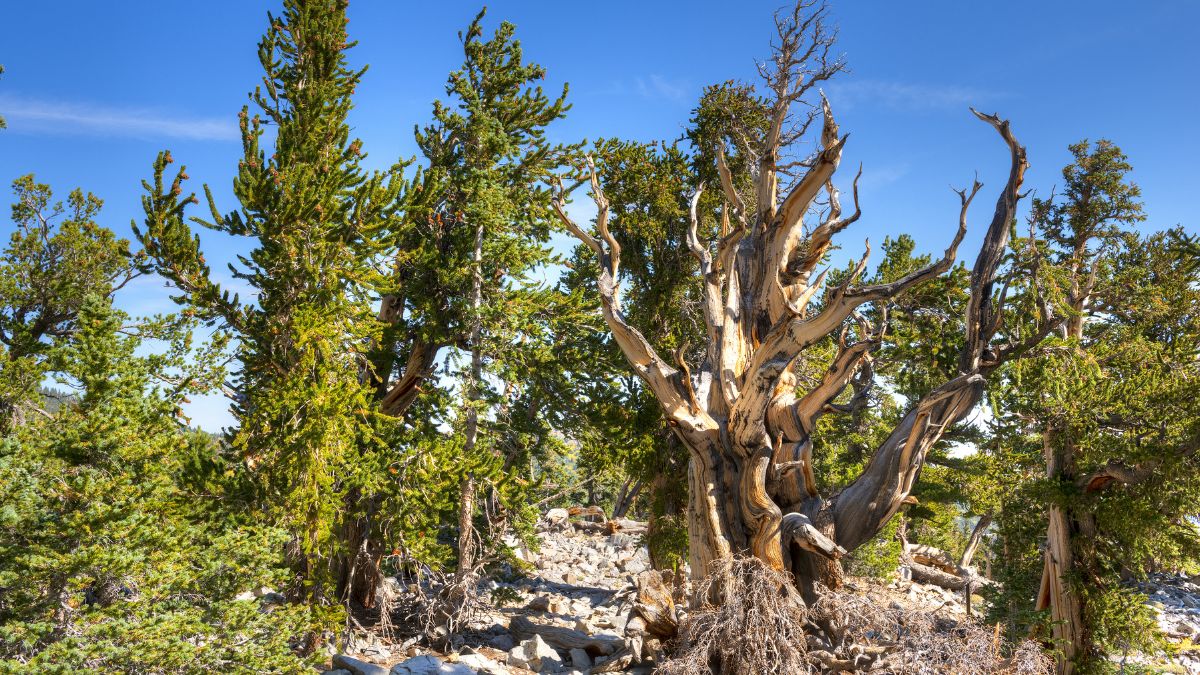
Image Credit: LHBLLC/Shutterstock.
Great Basin National Park near the eastern edge of the state has three groves of bristlecone pines. The Wheeler Peak Grove is the easiest to get to, as a fairly short trail leads to it from the campground. You can continue on to a rock glacier. A body of ice covered by boulders.
Mount Washington Grove, Nevada
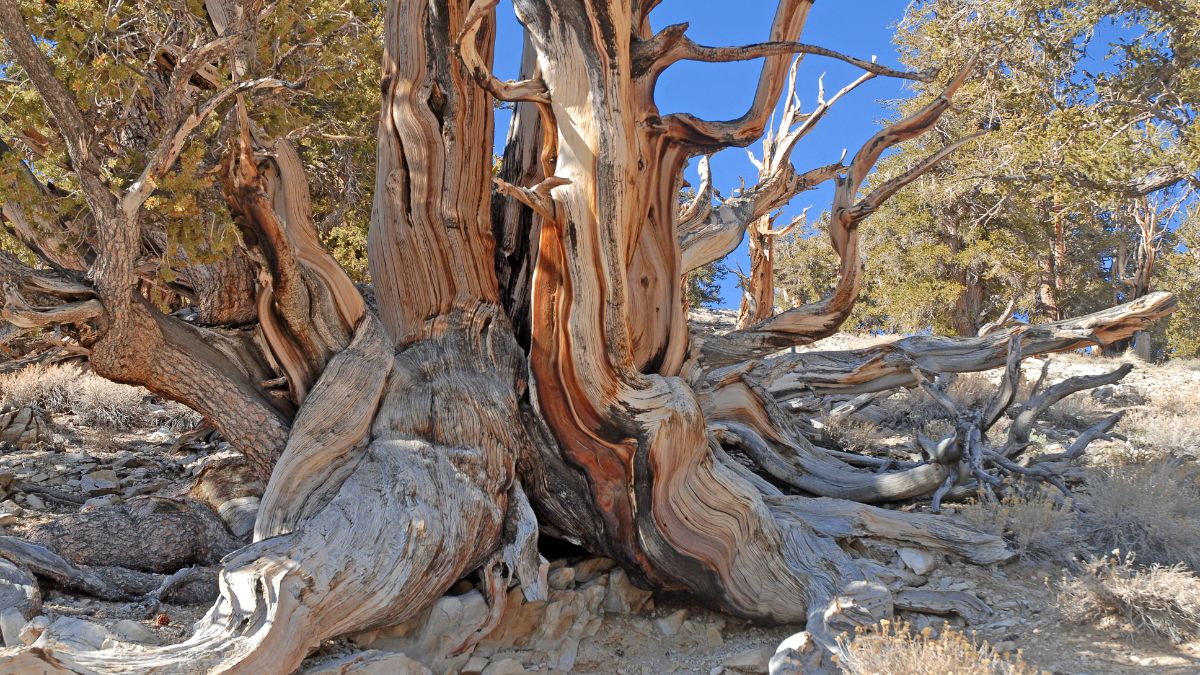
Image Credit: nyker/Shutterstock.
Here is where you’ll find the park’s largest grove. You really have to work for it, though, as there are no trails to it, not even any close by. But the reward is solitude hard to find at the Wheeler Peak Grove.
Eagle Peak Grove, Nevada
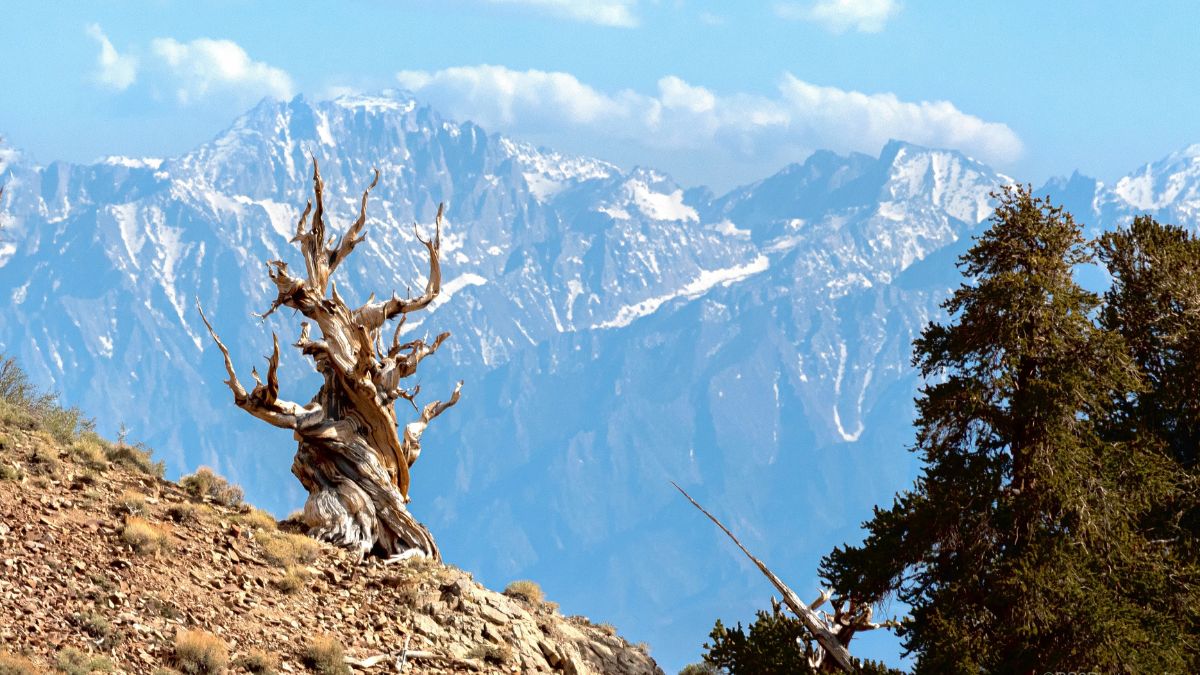
Image Credit: RS2Photography/Shutterstock.
This is another grove that’s difficult to access. It has no trails to it, and the easiest way to get to it is probably to hike to the divide between Baker Lake and Johnson Lake and then wander the ridges.
House Range, Utah
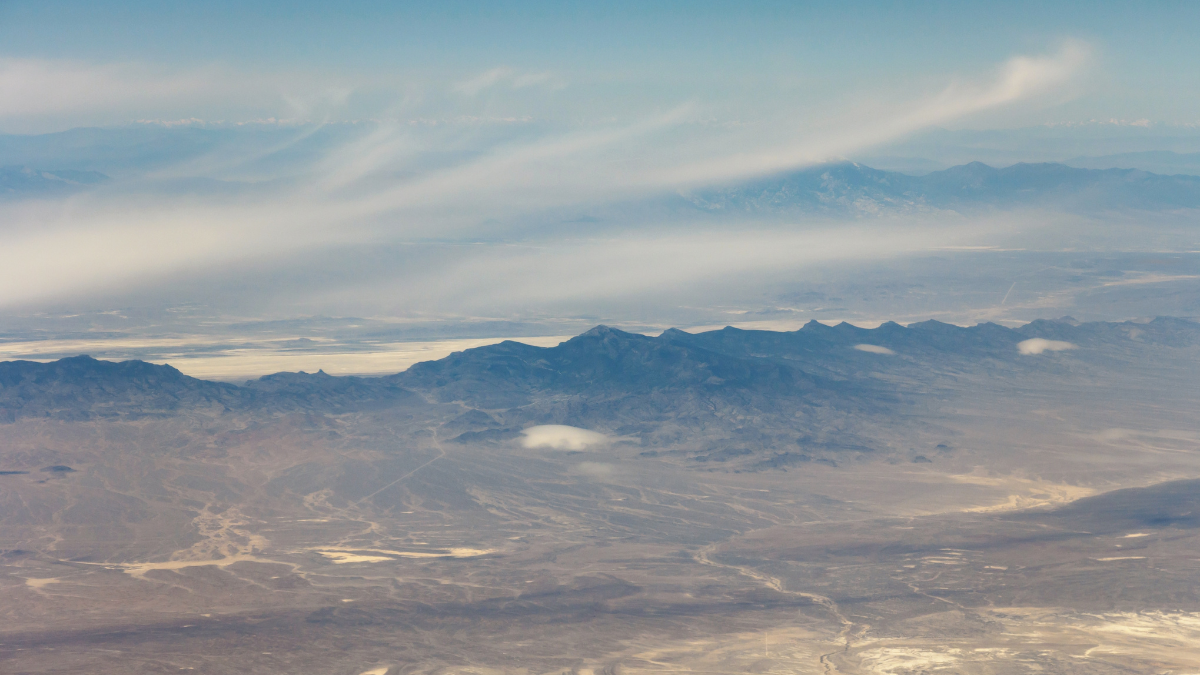
Image Credit: ivanpotapoff/Shutterstock.
U.S. 50 heads east into Utah from the Great Basin NP area, and before long, the arid House Range appears to the north. An unpaved loop road lets you tour these remote mountains, which include the massive sheer face on Notch Peak, sometimes called the El Capitan of the Desert. The road doesn’t climb high enough for you to see bristlecones, though, so you’re going to have to hike (up) for them.
Bryce Canyon National Park, Utah
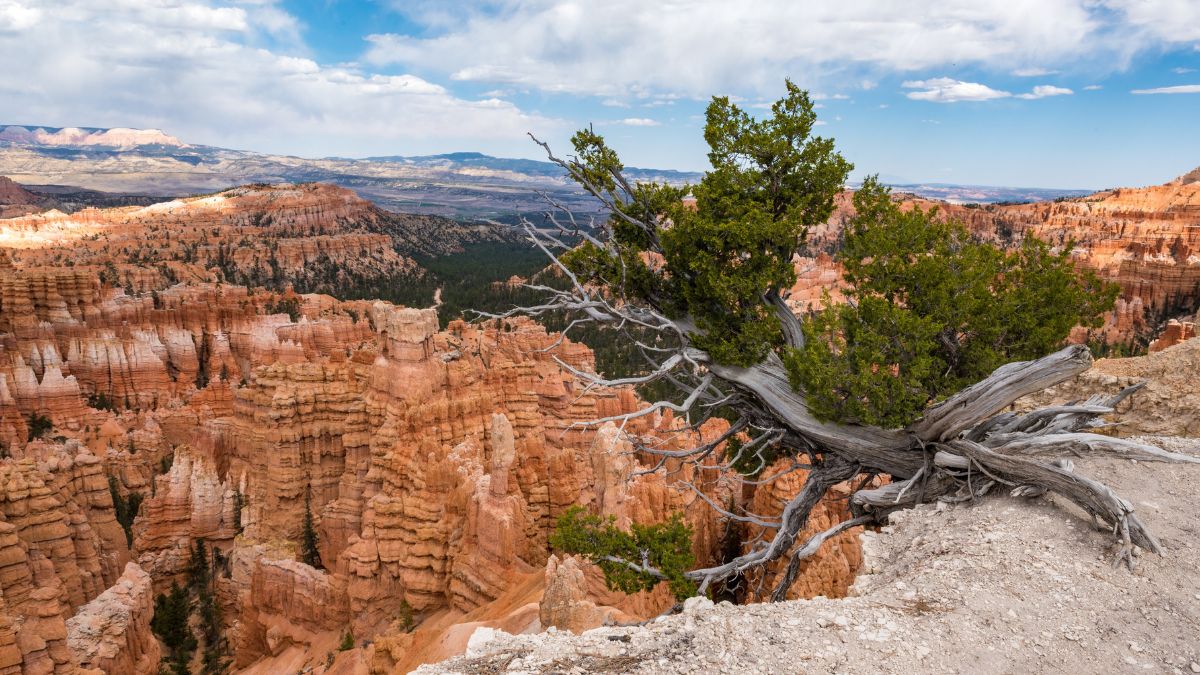
Image Credit: Linda Horton/Shutterstock.
There are a few spots in Bryce that have bristlecones. One of the easiest to access is a grove reached by a short trail that starts where the park’s scenic road reaches its highpoint and end.
Cedar Breaks National Monument
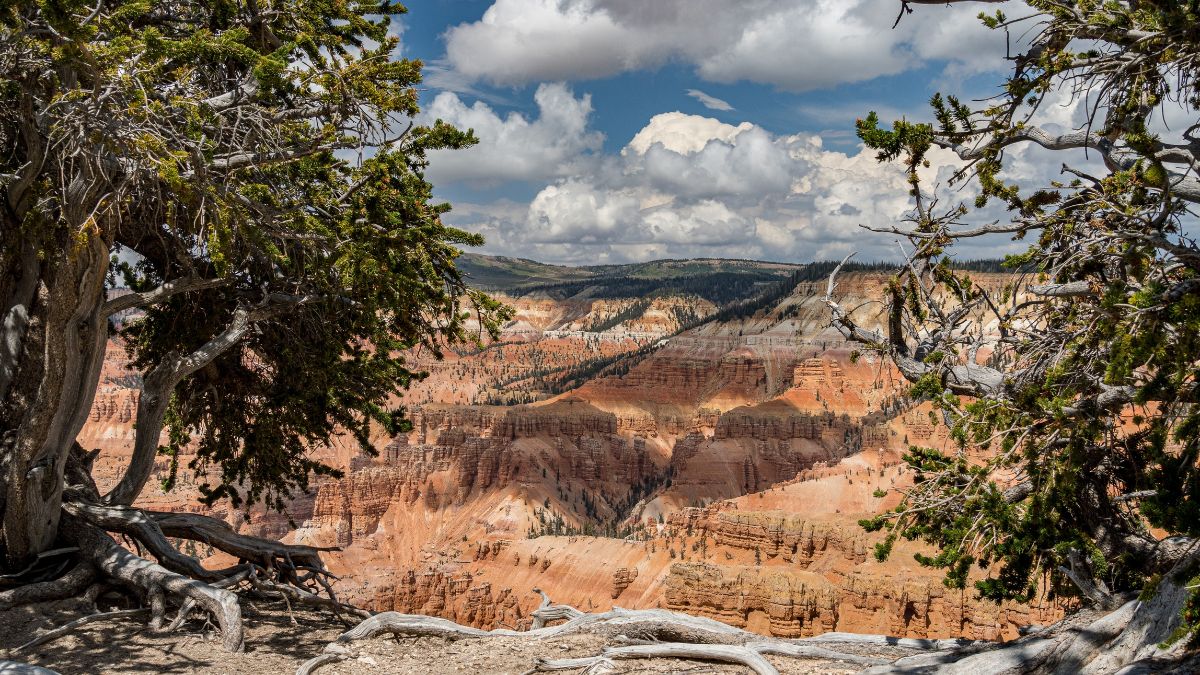
Image Credit: Roberto Lo Savio/Shutterstock.
Cedar Breaks is only about an hour from Bryce Canyon, and it’s higher and much less crowded while having similar scenery. Most of the national monument is over 10,000’ in elevation and thus makes a nice relief from the summer heat in most of Southern Utah.
Windy Ridge, Colorado
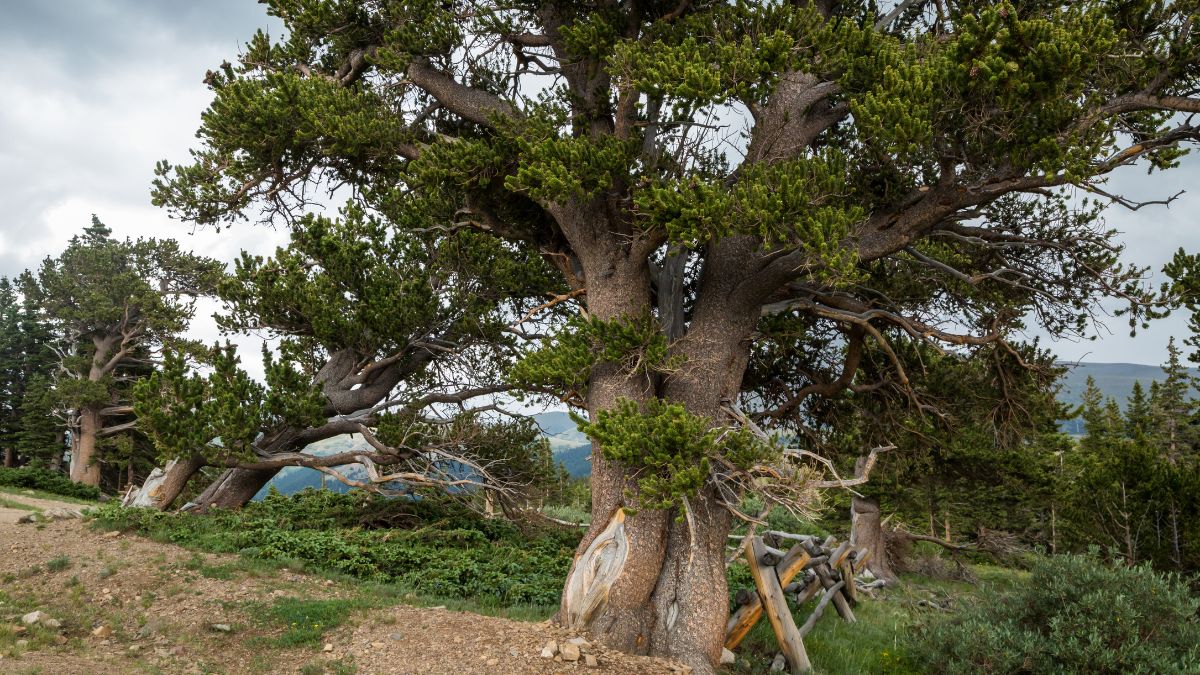
Image Credit: Marilyn D. Lambertz/Shutterstock.
Windy Ridge is in Colorado’s Mosquito Range, and it’s been developed to facilitate seeing bristlecone pines. The bristlecones in Colorado are a different species from the Great Basin bristlecones we’ve looked at so far, but several are still known to be over 2,000 years old.

Leave a Reply