
Experiencing a mid-afternoon slump during your workday? Maintaining high energy levels throughout the day can be a challenge. Whether you’re facing a long day at work, a strenuous workout, or just need to stay alert for your daily activities, your food matters in staying energized.
Here are twenty energy-boosting foods that can help you stay sharp and alert.
Wheatgrass

Wheatgrass is a potent source of vitamins and minerals, including vitamins A, C, and E, as well as iron, calcium, and magnesium. Its high chlorophyll content helps oxygenate the blood, boosting energy and overall vitality. Incorporating wheatgrass juice or powder into your diet can enhance mental clarity and physical stamina. Additionally, wheatgrass is known for its detoxifying properties, helping to cleanse the body of toxins that can cause fatigue.
Water

Staying hydrated is one of the simplest yet most effective ways to maintain energy levels. Water is essential for every cellular function in the body, including energy production. Dehydration can lead to fatigue and decreased concentration, so drinking enough water throughout the day is crucial. Remember, it’s just a matter of keeping a water bottle handy and sipping regularly. Aim for at least eight glasses daily, and increase your intake if you’re physically active or exposed to hot weather.
Yogurt

Yogurt is a great source of probiotics that support gut health and improve digestion, helping your body extract more energy from your food. It’s also rich in protein and calcium, aiding muscle function and bone health. Opt for Greek yogurt for a higher protein content, and consider adding fresh fruit or honey for an extra energy boost. The combination of protein and carbohydrates in yogurt makes it an ideal snack to energize you.
Fatty Fish

Fatty fish such as salmon, mackerel, and sardines are rich in omega-3 fatty acids essential for brain health and cognitive function. These healthy fats also reduce inflammation, which can contribute to fatigue. The high-quality protein in fatty fish provides sustained energy, making it an excellent choice for lunch or dinner. Including fatty fish in your diet a few times a week can significantly enhance your mental alertness and overall energy levels.
Eggs

Eggs are a powerhouse of nutrients, including high-quality protein, vitamins B6 and B12, and choline. These nutrients are essential for energy production and maintaining a healthy metabolism. Eggs also contain antioxidants that help protect cells from damage, further supporting sustained energy levels. Enjoy them scrambled, boiled, or as part of a nutritious omelet to energize you throughout the day.
Beans
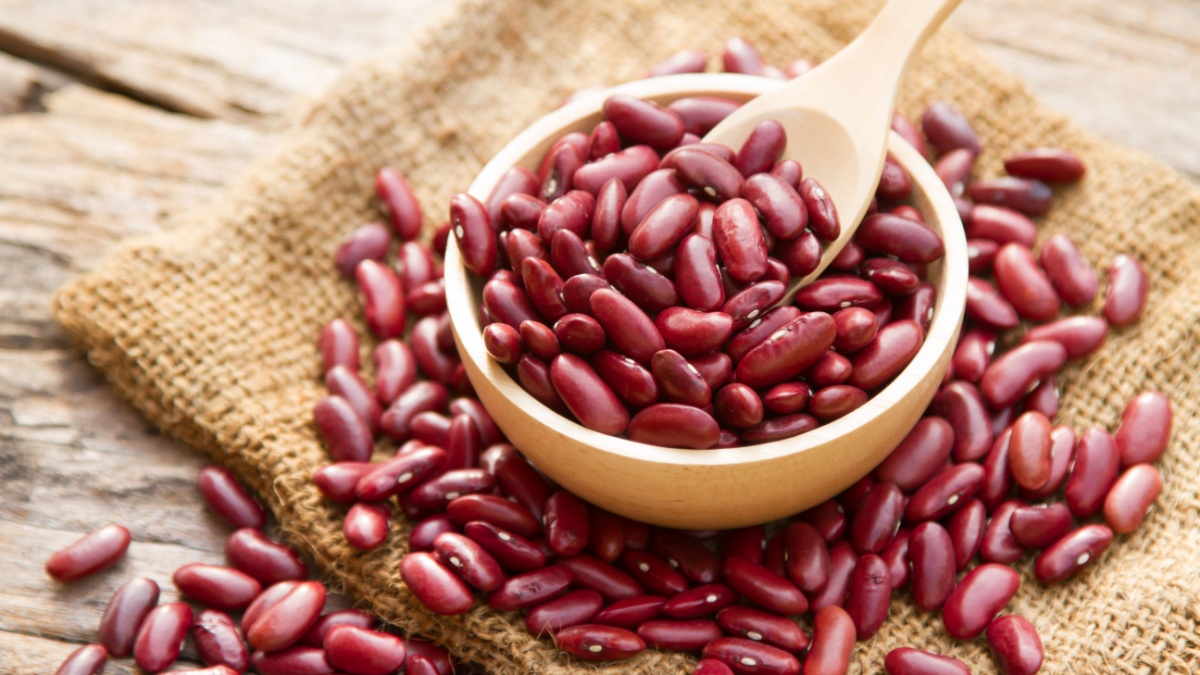
Beans are an excellent source of complex carbohydrates, fiber, and protein, providing a steady energy release. They also contain iron, crucial for oxygen transport in the blood and preventing fatigue. Incorporating beans into soups, salads, or as a side dish can help maintain stable blood sugar levels and keep you feeling full and energized for longer periods.
Peanut Butter

Peanut butter is a nutrient-dense food with healthy fats, protein, and fiber. These components work together to provide sustained energy and keep hunger at bay. Spread peanut butter on whole-grain toast, add it to smoothies, or enjoy it with apple slices for a satisfying and energy-boosting snack. Combining healthy fats and protein helps stabilize blood sugar levels and promotes a feeling of fullness.
Apples
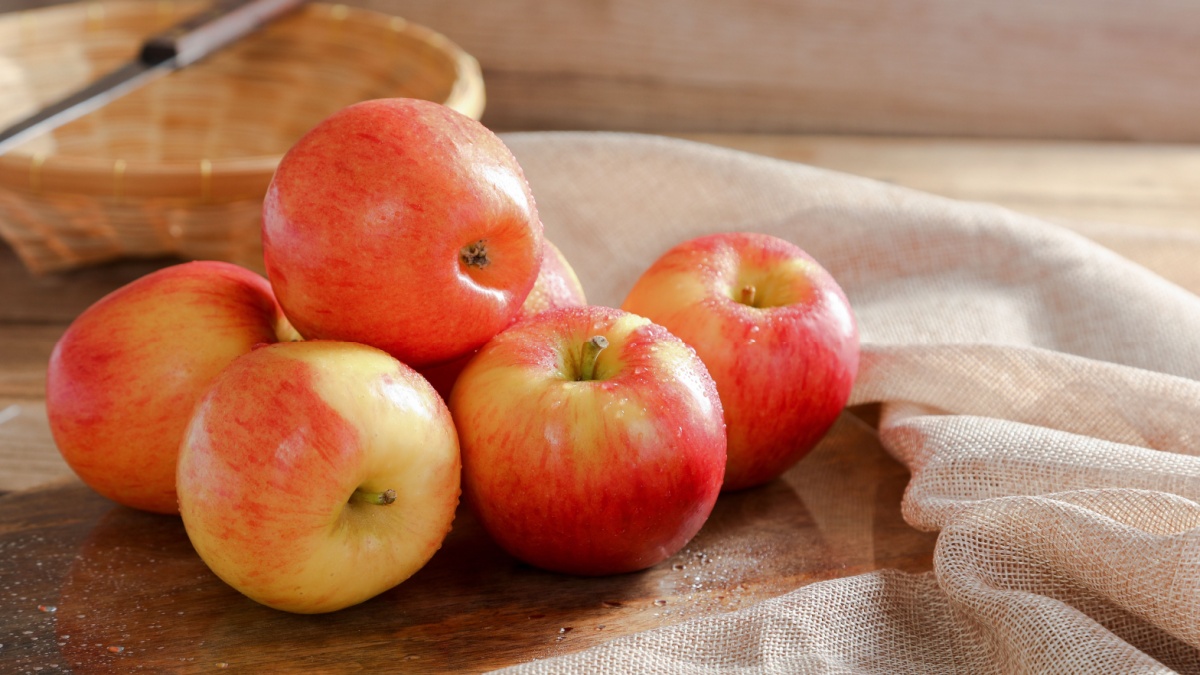
Apples are rich in natural sugars, fiber, and antioxidants, making them a great source of quick and lasting energy. The fiber content helps regulate blood sugar levels, preventing energy crashes. Apples also contain vitamin C, which supports immune function and overall vitality. Pairing an apple with a handful of nuts can provide a balanced snack that keeps you energized and satisfied.
Dark Chocolate

Dark chocolate contains natural stimulants like caffeine and theobromine, which can enhance alertness and mood. It’s also rich in antioxidants, particularly flavonoids, which improve blood flow to the brain and enhance cognitive function. Choose dark chocolate with at least 70% cocoa content to maximize these benefits. A small piece of dark chocolate can be a delightful and effective way to boost your energy levels during the day.
Sweet Potatoes

Sweet potatoes are a fantastic source of complex carbohydrates, fiber, and vitamins, including vitamins A and C. These nutrients contribute to a steady release of energy and support overall health. The natural sugars in sweet potatoes are released slowly into the bloodstream, providing a sustained energy boost. Enjoy them baked, roasted, or mashed as a balanced meal to stabilize your energy levels.
Oranges
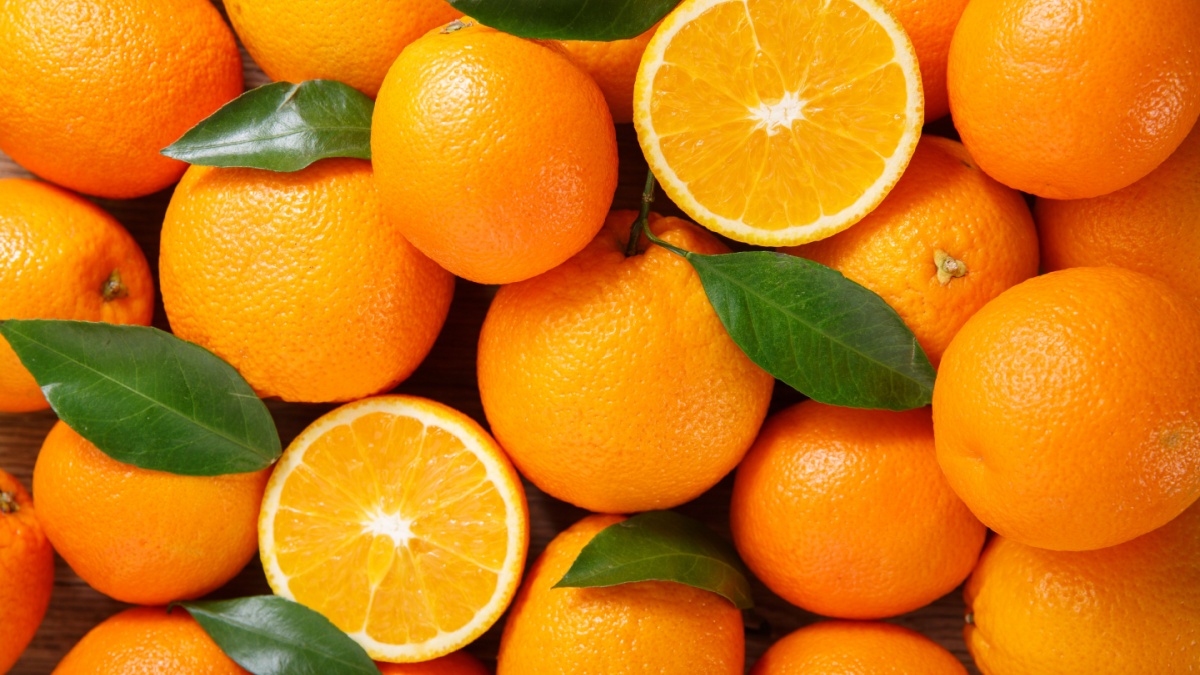
Oranges are known for their high vitamin C content, which plays a key role in reducing fatigue and boosting the immune system. They also contain natural sugars and fiber, providing a quick and sustained energy source. Eating an orange or drinking fresh orange juice can help keep you alert and refreshed, especially during mid-morning or afternoon slumps.
Coffee

Coffee is a popular and effective way to boost energy and alertness thanks to its caffeine content. Caffeine stimulates the central nervous system, improving concentration and reducing fatigue. However, it’s important to consume coffee in moderation to avoid jitteriness and ensure that its benefits are long-lasting. Opt for black coffee or add a splash of milk for a healthier energy boost without added sugars.
Bananas

Bananas are a convenient and nutrient-rich energy source, packed with natural sugars, fiber, and essential vitamins and minerals. They contain potassium, which helps maintain proper muscle function and prevent cramps. The natural sugars in bananas provide a quick energy boost, while the fiber ensures a steady release of energy over time. Enjoy them alone, in smoothies, or with peanut butter for a satisfying snack.
Goji Berries
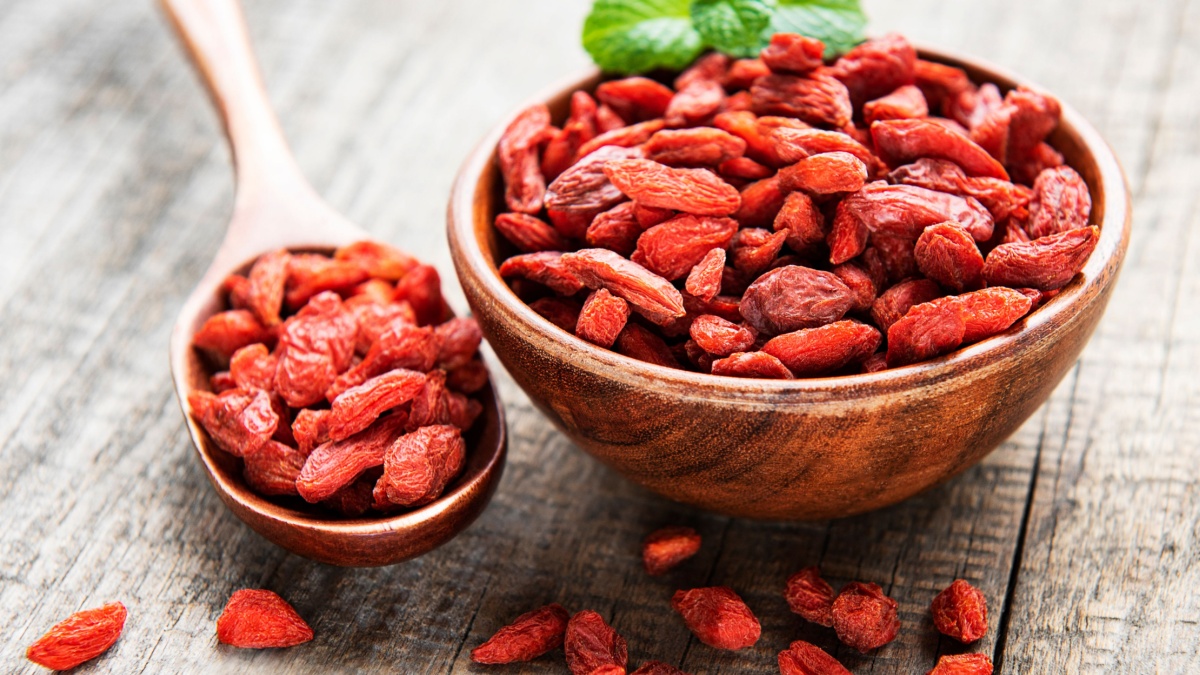
Goji berries are a superfood known for their high antioxidant content, which helps combat fatigue and enhance overall vitality. They are also rich in vitamins A, C, and iron, all of which support energy production and immune function. Add goji berries to your cereal, yogurt, or trail mix for a nutrient-dense snack that boosts your energy levels and supports your health.
Liver

Liver is one of the most nutrient-dense foods available, providing abundant vitamins and minerals, including iron, vitamins A and B. These nutrients are essential for energy production, oxygen transport, and overall health. Incorporating liver into your diet can significantly improve energy levels and support cognitive function. Enjoy it as part of a balanced meal, such as liver and onions, to reap its benefits.
Oatmeal
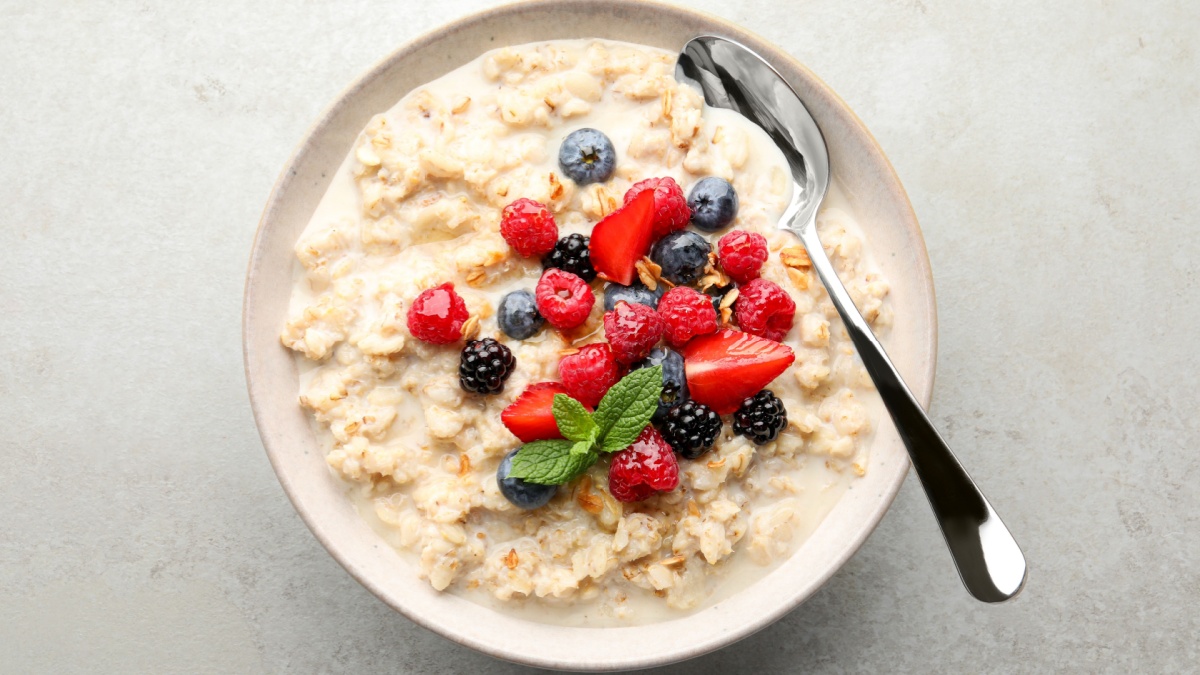
Oatmeal is a great source of complex carbohydrates and fiber, providing a slow and steady release of energy throughout the day. It’s also rich in vitamins and minerals, such as iron and magnesium, which support energy production and overall health. Start your day with a bowl of oatmeal topped with fresh fruit, nuts, or a drizzle of honey for a nutritious, energy-boosting breakfast.
Dark Leafy Greens
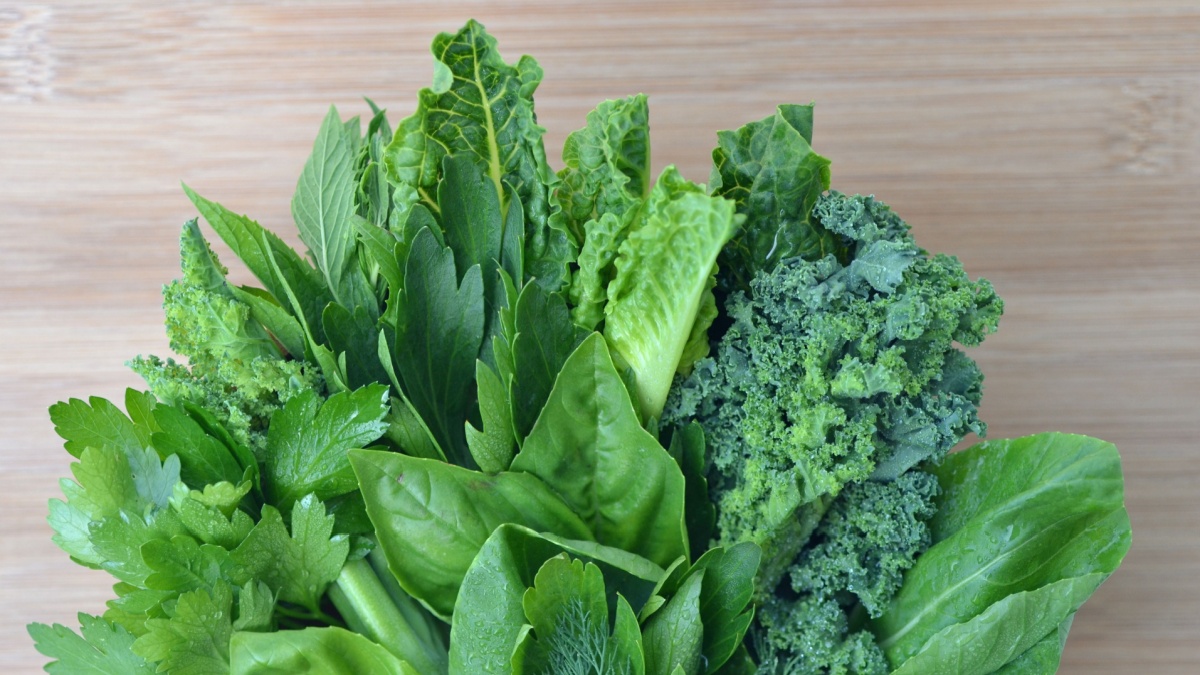
Dark leafy greens such as spinach, kale, and Swiss chard contain vitamins, minerals, and antioxidants that support energy production and overall vitality. They are particularly rich in iron, which is essential for oxygen transport and preventing fatigue. Incorporate these greens into salads, smoothies, or as a side dish to boost your energy levels and improve your overall health.
Quinoa

Quinoa is a complete protein, containing all nine essential amino acids, making it an excellent energy-boosting food. It’s also rich in complex carbohydrates and fiber, providing a sustained release of energy. Quinoa is versatile and can be used in salads, as a side dish, or as a base for bowls, making it easy to incorporate into your diet. Its high nutrient content supports overall health and energizes you throughout the day.
Whole Grains
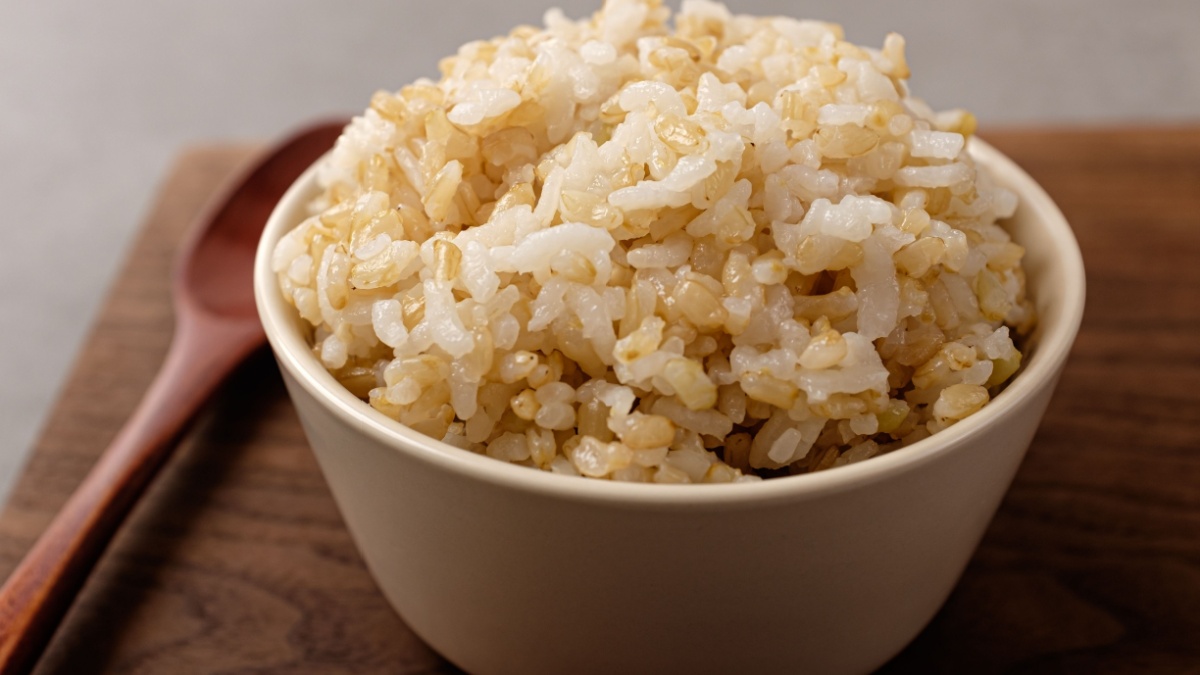
Whole grains such as brown rice, wheat, and barley are excellent sources of complex carbohydrates and fiber, providing sustained energy. They also contain essential vitamins and minerals, such as B vitamins and magnesium, that support energy production. Incorporating whole grains into your meals can help maintain stable blood sugar levels and prevent energy crashes. Enjoy them in salads, soups, or as a side dish to boost your energy levels.
Nuts
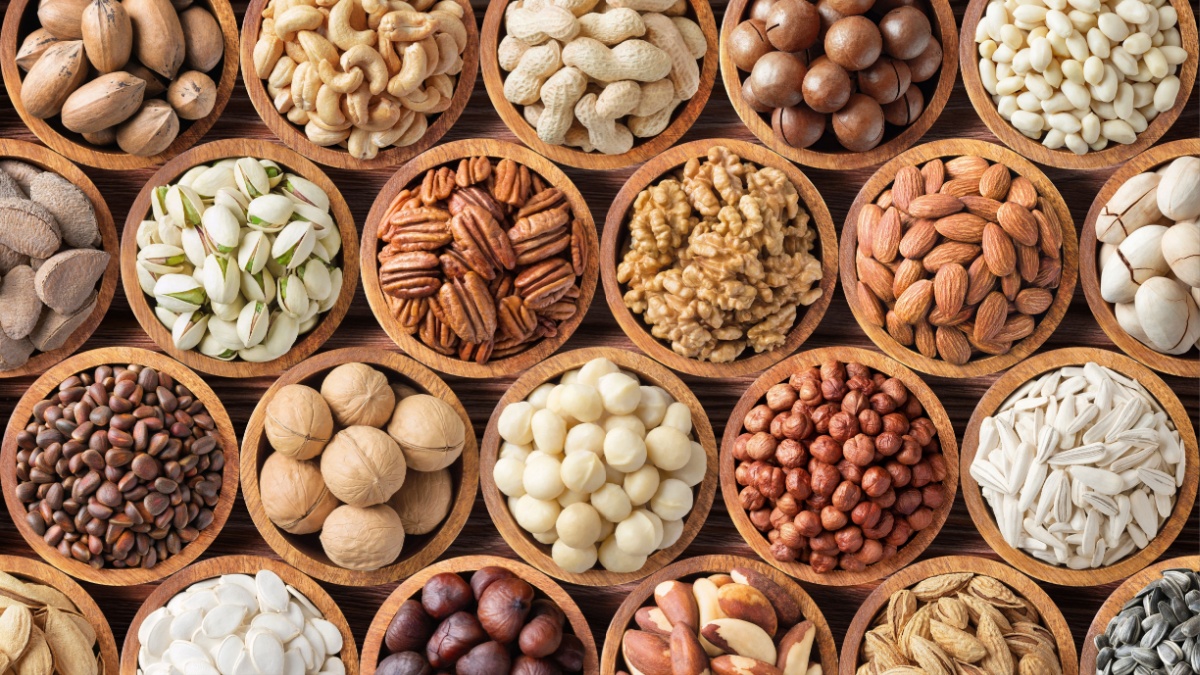
Nuts are nutrient-dense snacks packed with healthy fats, protein, and fiber. These components work together to provide a sustained energy boost and keep hunger at bay. Nuts also contain vitamins and minerals, such as vitamin E and magnesium, which support overall health and energy production. Enjoy a handful of almonds, walnuts, or cashews as a snack, or add them to salads, yogurt, or oatmeal for an extra energy boost.
12 Foods You Can Eat a Lot of Without Gaining Weight

Are there foods you’ve always avoided in the hope that they don’t mess with your weight? While some foods are high in calories and can make you gain weight, a restrictive diet isn’t always the answer. Interestingly, some foods you could be avoiding could be the key to loosing weight.
These are some of the foods you can eat without gaining weight. Most of these foods have fiber, protein, and good fats to boost satiety and sustain energy throughout the day.
Let’s discuss 12 foods you can eat a lot of without gaining weight.
12 Foods You Can Eat a Lot of Without Gaining Weight
6 Anti-Inflammatory Foods for Your Knee, Hip & Back Pain

Inflammation occurs when your body reacts to foreign substances. While certain anti-inflammatory drugs can help eliminate inflammation, a diet change can help reduce inflammation and swelling. Here are six anti-inflammatory foods to help reduce knee, hip, and back pain.

Leave a Reply