
Although most foods and fruits tend to hold up well in the fridge, some will easily go bad in the freezer. For example, anything with a high water content will lose its consistency and texture once defrosted. The same happens with many dairy products.
Although freezing is an excellent food preservation method, not all foods hold up well in the freezer. To save time and money, avoid storing these listed foods in the freezer and opt for alternative ways to preserve them.
Knowing which foods to avoid freezing can help you save both time and money.
Here are 15 food items experts warn people never to freeze.
1. Dairy-Based Sauces
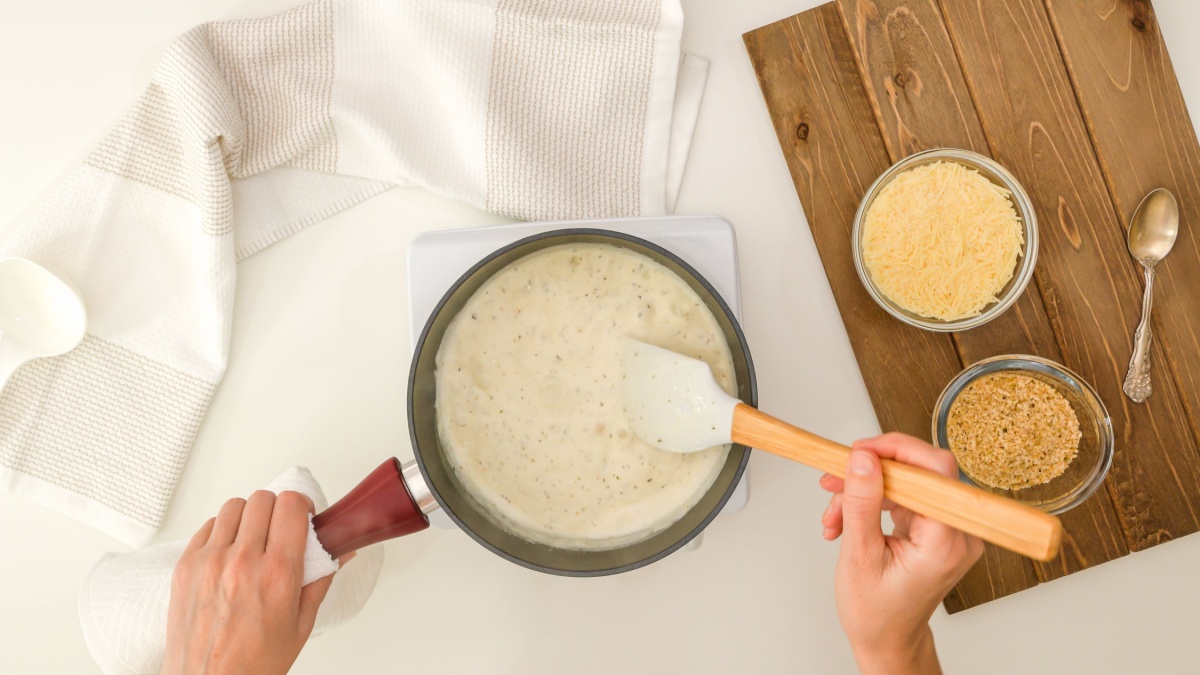
Defrosting dairy-based sauces causes the fat from the milk to separate from the liquid. This causes separation and curdling, mainly because many dairy products undergo emulsification. Avoid freezing dairy and dairy-based products, including milk, yogurt, buttermilk, sour cream, or soft cheeses.
2. Raw Potatoes
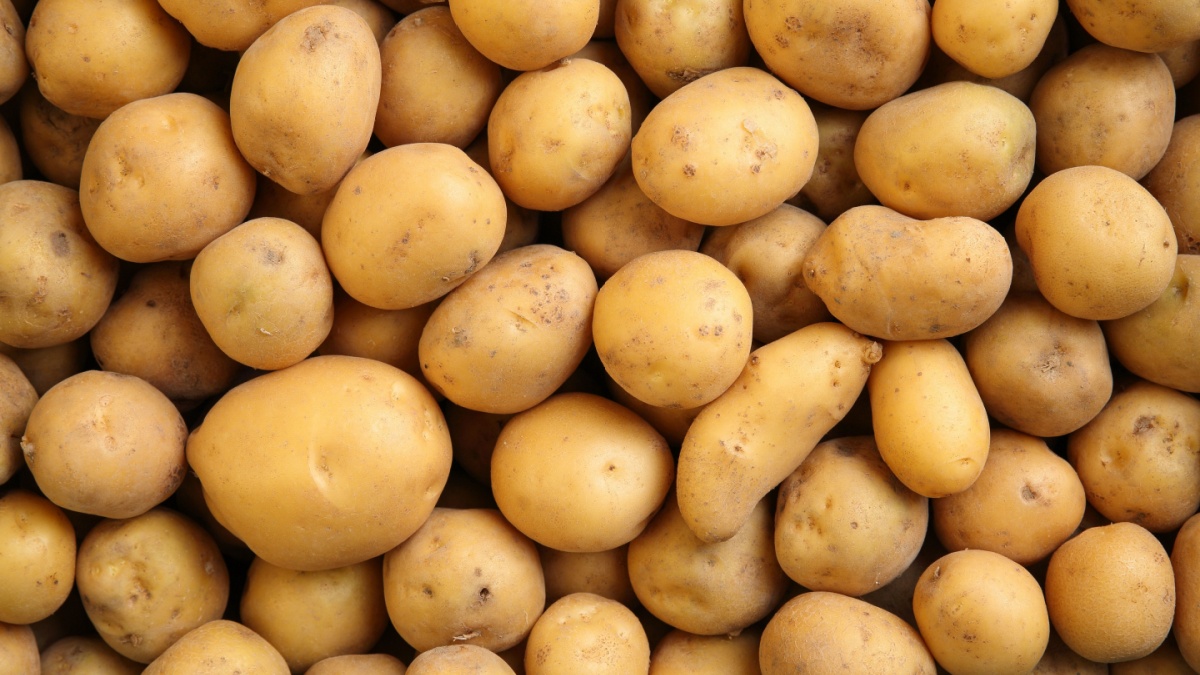
Avoid freezing raw potatoes; once you defrost them, they develop a grainy and mushy texture, spoiling their flavor. Experts also advise against freezing cubed or baked potatoes as defrosting leaves them unevenly shaped and could form a watery consistency due to the ice crystals. However, you can blanch and freeze shredded potatoes for your hash browns.
3. Soft Cheese
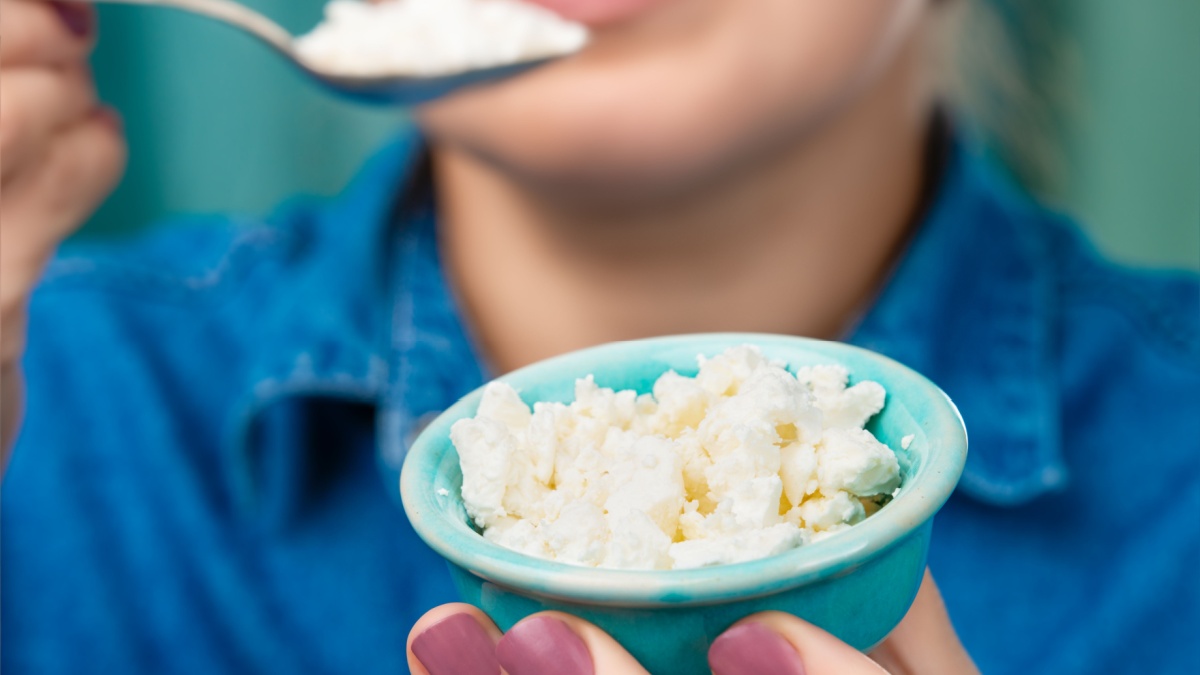
Soft cheese changes its consistency when frozen. Its texture becomes crumbly and dry. Cottage and cream cheese should be kept out of the freezer as they tend to clump.
4. Canned Foods
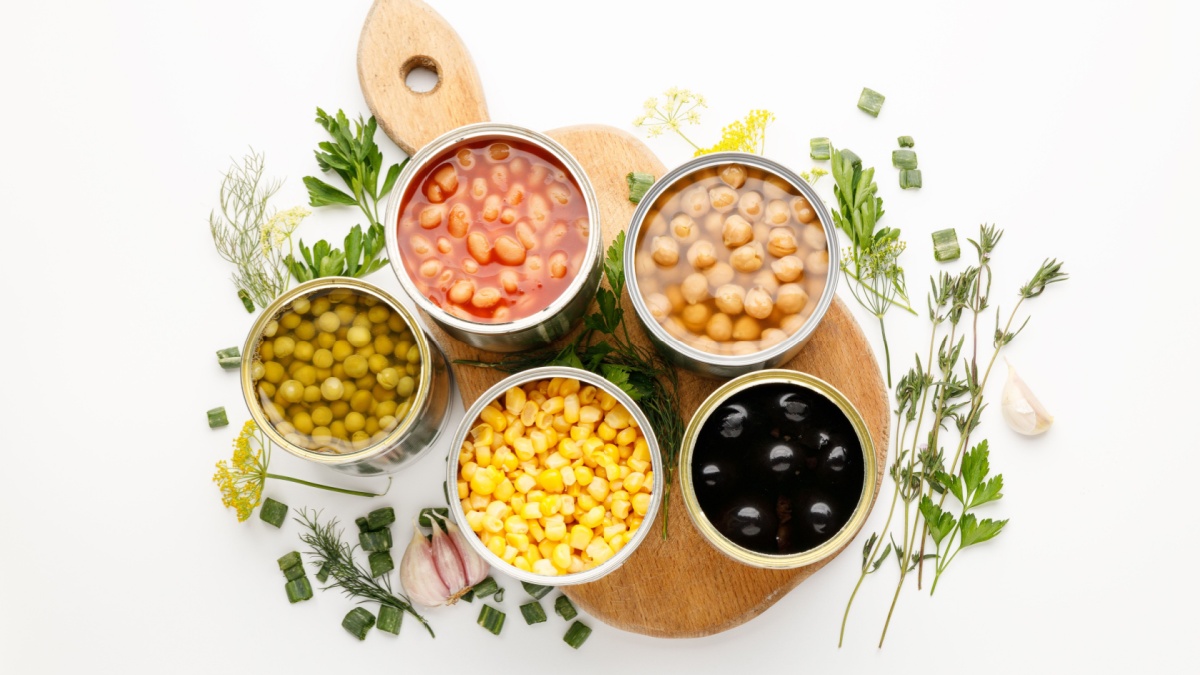
Although canned food can last months in the stores, freezing it doesn’t guarantee that it will retain its quality, consistency, and flavor. Freezing canned food causes the liquids inside to expand, which can lead to rust formation or an explosion. Instead, transfer any refried canned foods into a freezer-safe container before storing them.
5. Avocadoes
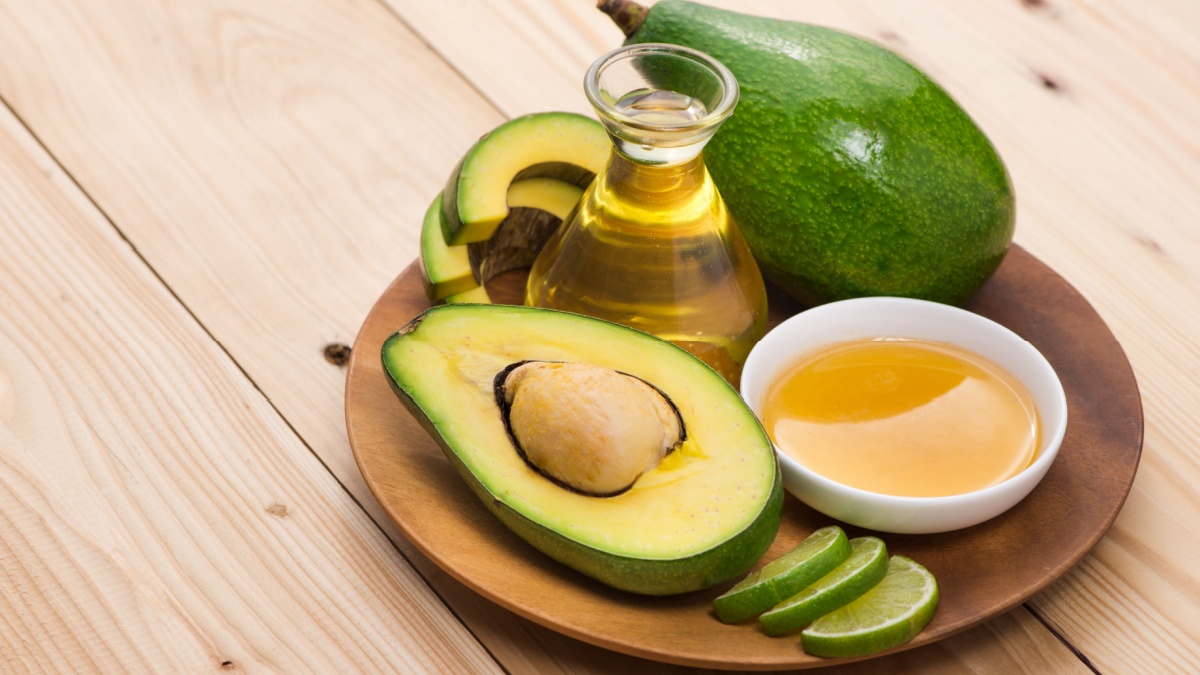
Storing your overripe avocadoes in the freezer for your next avocado toast or salad may seem like a brilliant idea, but avoid it. Avocadoes lose their creamy texture once thawed. They are best eaten fresh or refrigerated in a bowl of water in the refrigerator for a few days.
6. Cooked Rice and Pasta
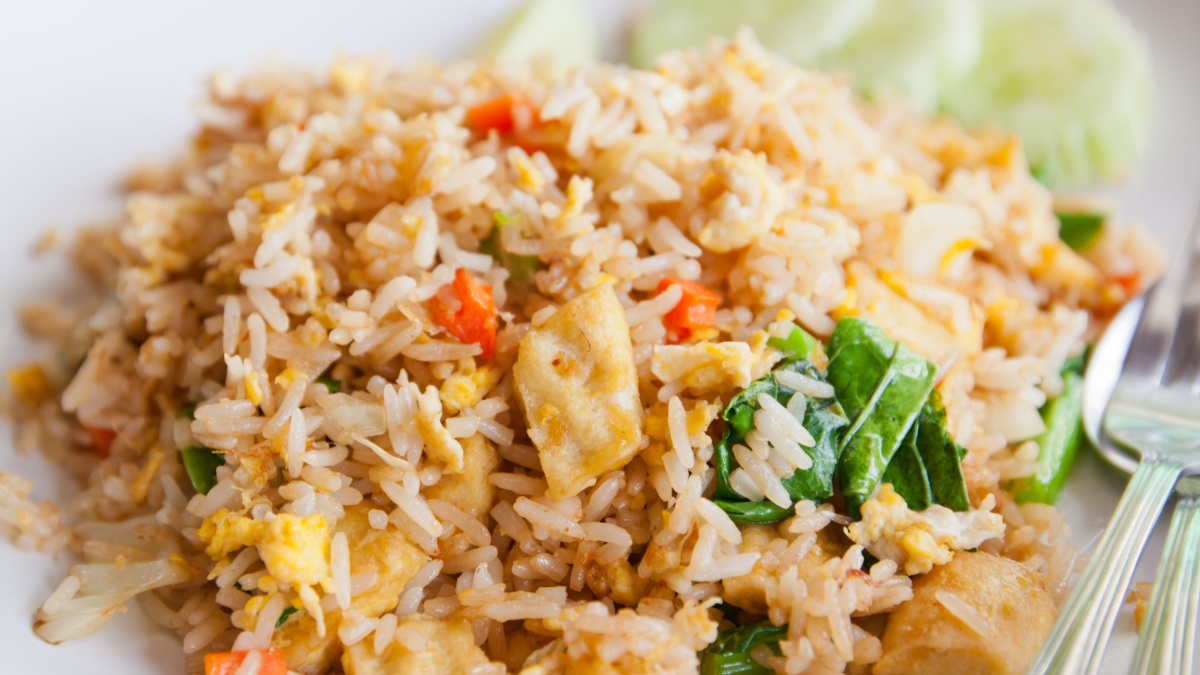
Preserving your extra-cooked pasta or rice in your freezer is tempting, but don’t do it. Cooked rice and pasta have moisture that, when frozen, expands and bursts the cell walls of the grains or noodles, leaving you with mushy pasta or rice when defrosted.
7. Raw Full Vegetables
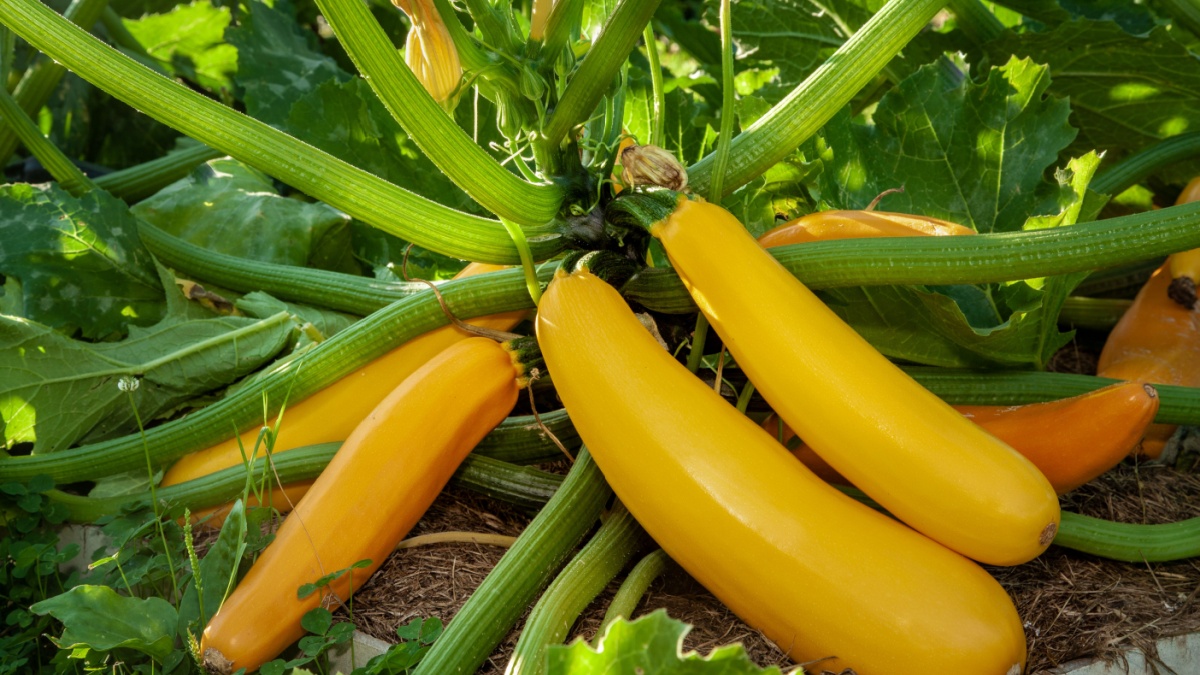
Most vegetables, such as celery, cucumber, lettuce, or eggplant, have a high water content and won’t hold up well in the freezer. Those with tender leaves, like spinach and kale, will also become limp and slimy once thawed.
Raw vegetables are best preserved in your refrigerator’s crisper drawer. If you wish to freeze them, blanch them first, allow them to cool, and pack them in freezer bags or airtight containers.
8. Raw or Boiled Eggs in a Shell
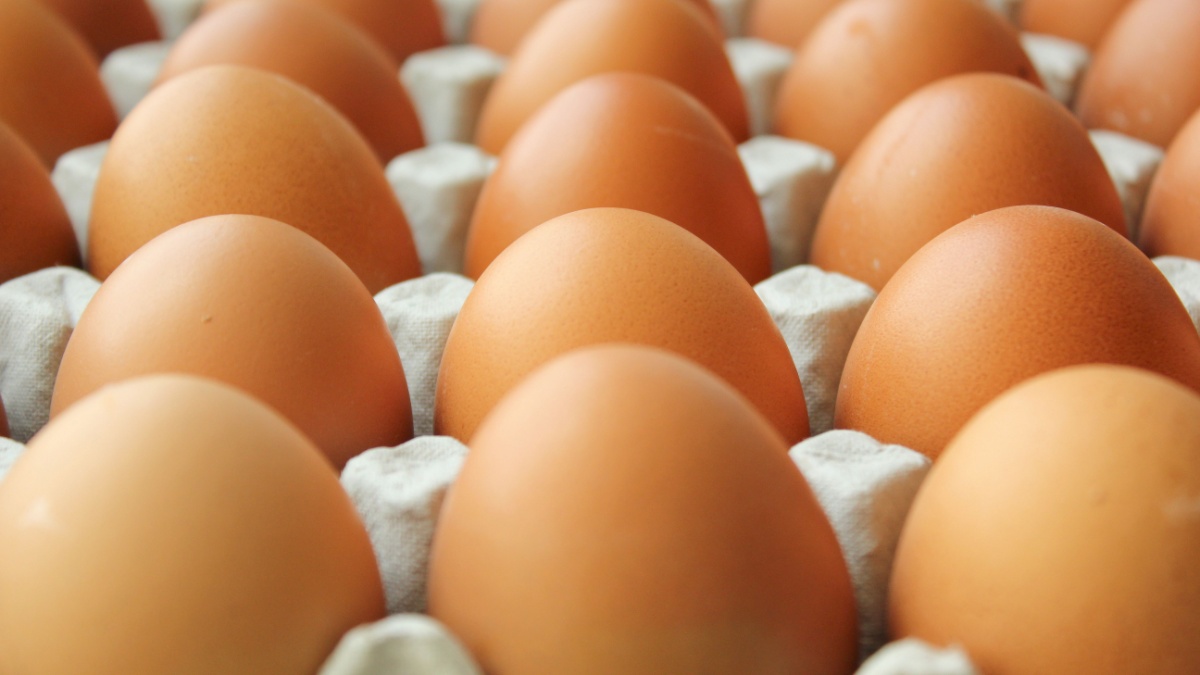
Freezing raw or hard-boiled eggs in their shell causes the inside shell to expand and eventually crack. The yolk in raw eggs becomes syrupy and thick, and you won’t be able to mix it well with the egg white or other ingredients. If you must freeze your eggs, ensure you crack them and beat the whites and yolks together before storing them in an airtight container. You can then thaw them overnight in the fridge.
9. Defrosted Meats
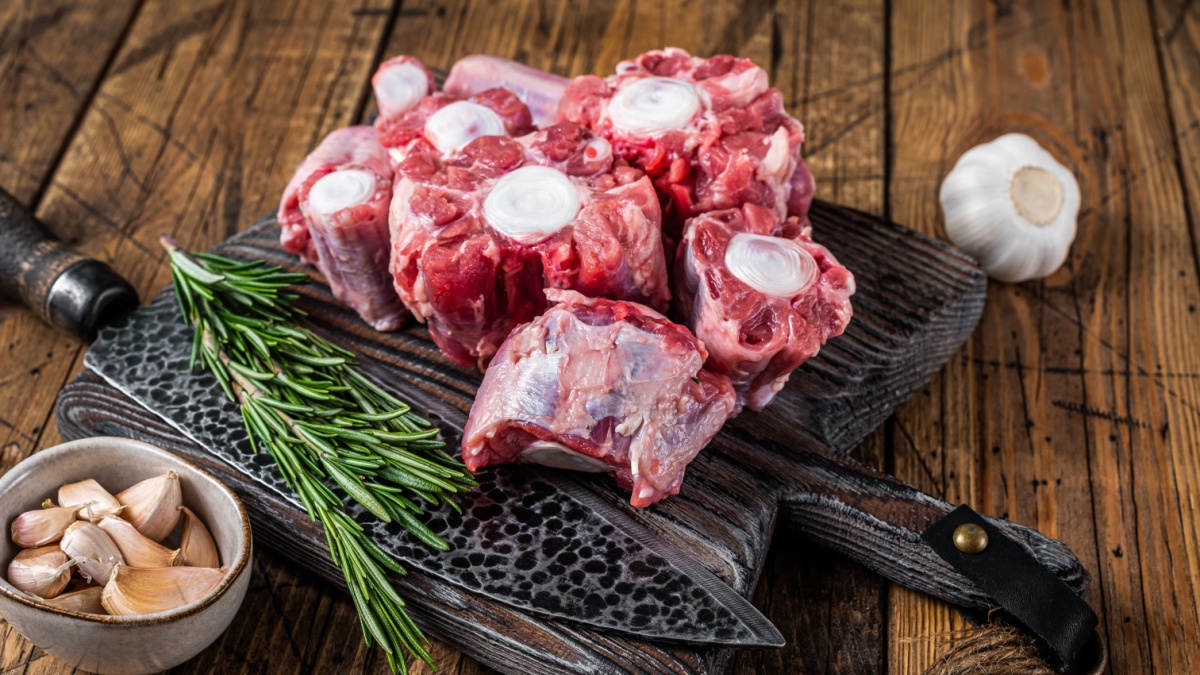
While it’s completely safe to freeze meat, you should avoid refreezing previously defrosted meat. Refreezing causes the meat to lose its flavor, texture, and freshness. Nutritional experts recommend freezing your meat once.
10. Soft Herbs
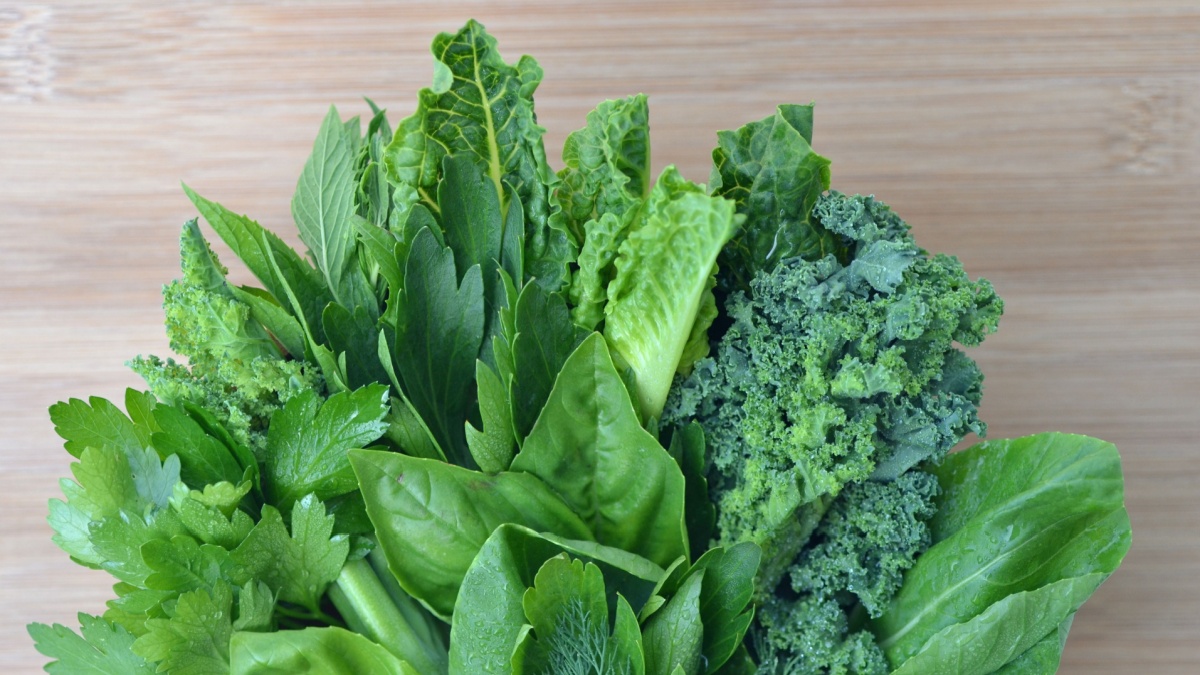
Parsley, sage, and basil, similar to leafy greens, have a lot of water content and won’t do well in the freezer. These are best kept wrapped in plastic packaging in your refrigerator’s crisper or vegetable drawer.
11. Gravies and Sauces With Cornstarch or Flour
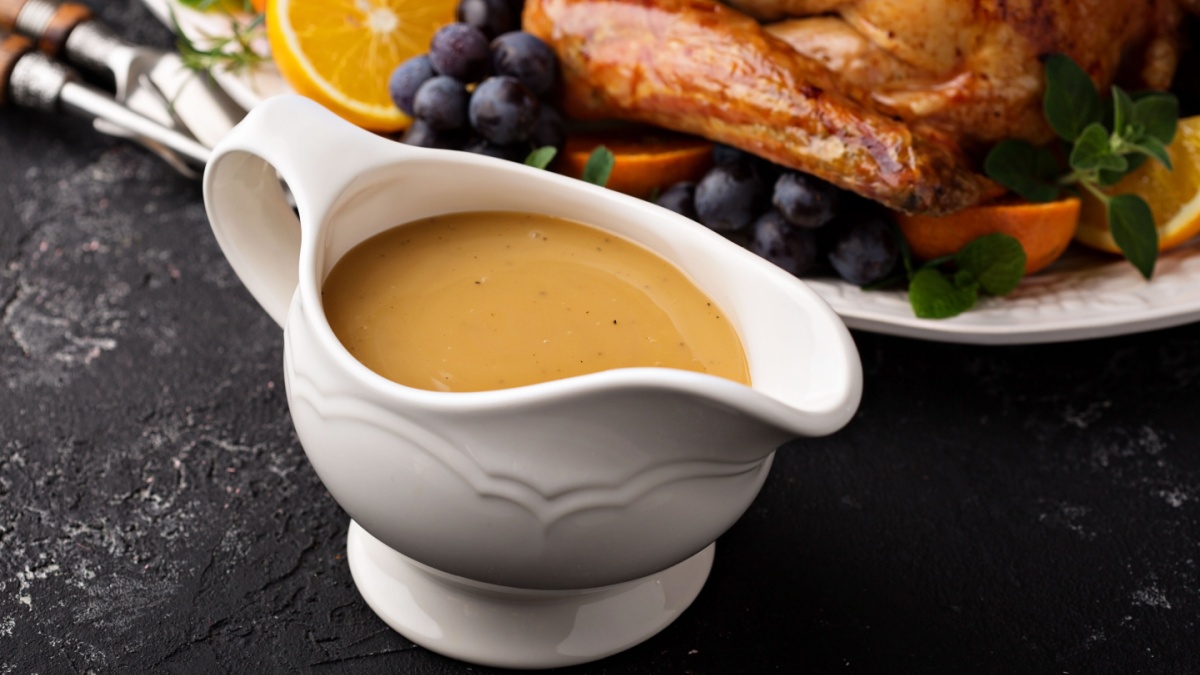
Gravies and sauces thickened with flour or cornstarch may become thinner when frozen. That’s because the starch in the flour or cornstarch is broken down at a cold temperature, leaving your sauces and gravies with an unpleasant taste and texture.
12. Mayonnaise-Based Salads
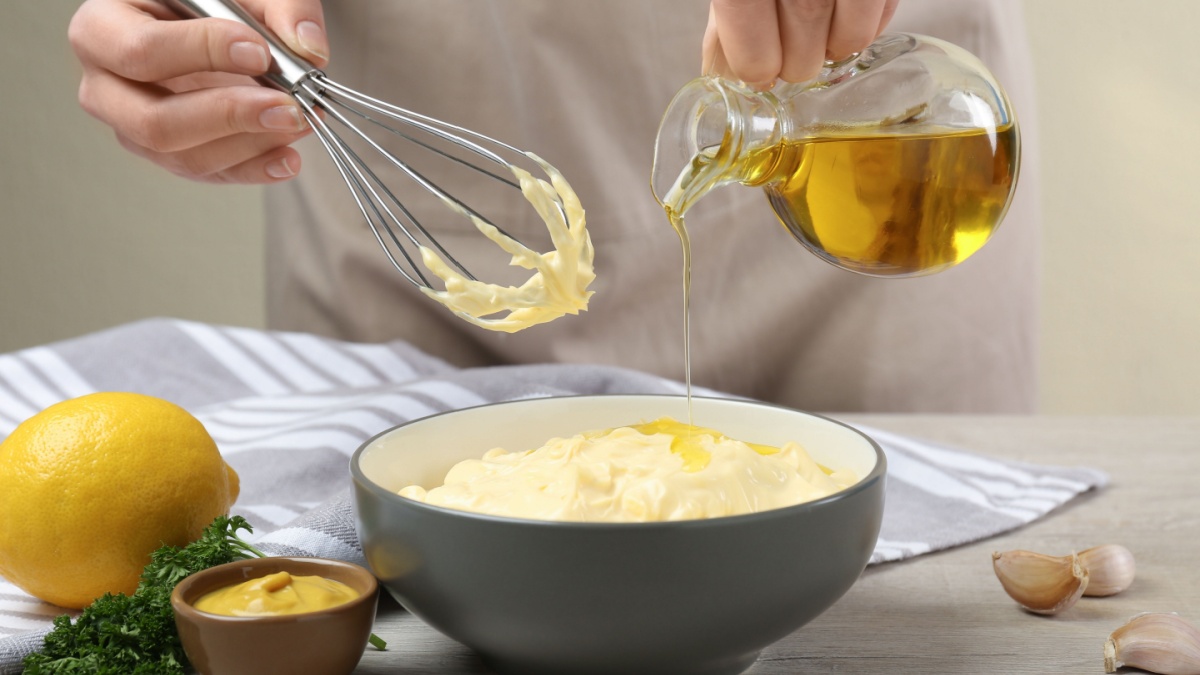
We all love our mayonnaise-based chicken, beef, and lettuce salad, and it’s tempting to store leftovers in the freezer for your next quick meal. However, this isn’t a good idea. Mayonnaise is an emulsion easily broken down by factors like freezing temperatures. Once you thaw mayo-based salads, you’ll be left with an egg gloop and oil emulsion. Preserve your salad in the refrigerator and consume it within 2-3 days.
13. Fried Foods
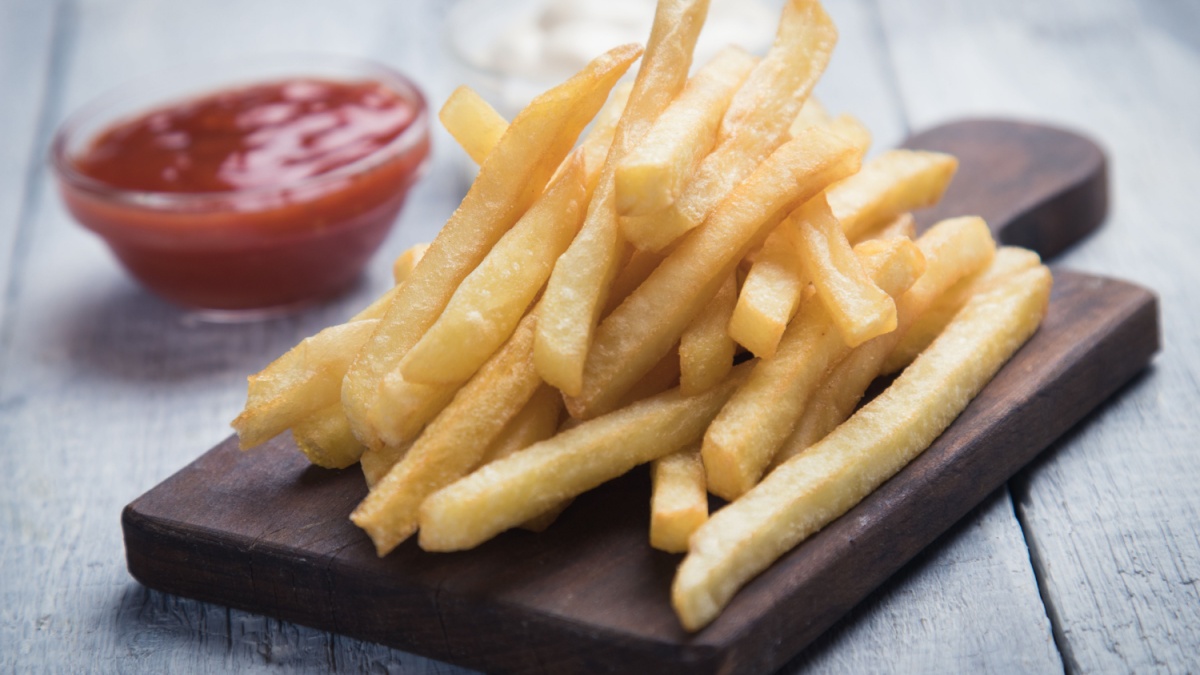
As seen in most stores ‘ freezer sections, you may be tempted to freeze homemade french fries, chicken tenders, or fish fingers. However, this may not be a good idea. Most store-bought fried foods have ingredients that make them last in the freezer, something you may not have with fried foods cooked at home. Preserving any leftover fried foods in the fridge with an airtight container is still possible. Once they are ready to be eaten, you can reheat them in an oven or air fryer.
14. Curries and Casseroles

Curries and casseroles have a cream base. Freezing them leads to a curdled texture, or the cream separates from water, leaving an unpleasant taste.
15. Custard Filling and Meringue

Homemade custard filling and meringue should not be preserved in the freezer. The meringue develops a rubbery texture, and the custard filling may become lumpy and watery when thawed. Custard is best stored in a cool place.
20 Food to Stockpile (For the Best Chance of Survival)
A well-stocked pantry can provide peace of mind and empower you to handle any situation. Whether it’s a natural disaster, economic instability, or simply unexpected guests, having a stash of versatile essential foods can make all the difference.
Here’s a list of 20 of the best foods to stockpile, ensuring you’re ready for whatever comes your way.
20 Food to Stockpile (For the Best Chance of Survival)
12 Everyday Foods Some People Just Can’t Stand
When it comes to their foods, some people are just picky eaters. It’s surprising how certain popular foods can be so divisive. While many people love them, others can’t stand the taste, texture, or even the idea of eating them. Here are some surprising foods that some people just can’t stand.

Leave a Reply