
As humans, we eat a broad array of substances. From roots to fruits and tree sap to animals, there are more things that are edible than we can count. However, some of these foods make us think about how people discovered these were edible.
Why did humans try to eat these, and in some cases, how did they figure out how to eat them so that they weren’t toxic?
1. Potatoes
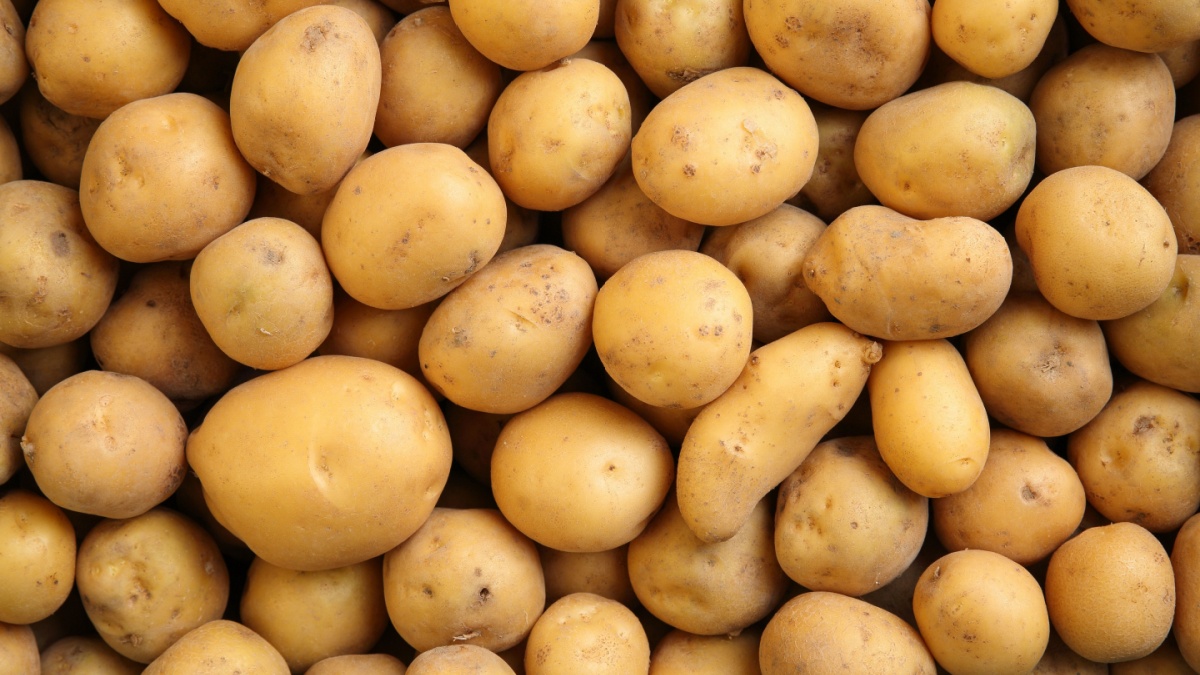
Found underground, these tubers were once small, hard lumps that were toxic. Humans had to first figure out how to make them less toxic, such as soaking them for weeks. Then, they had to selectively breed them to make something more edible.
2. Manicoba
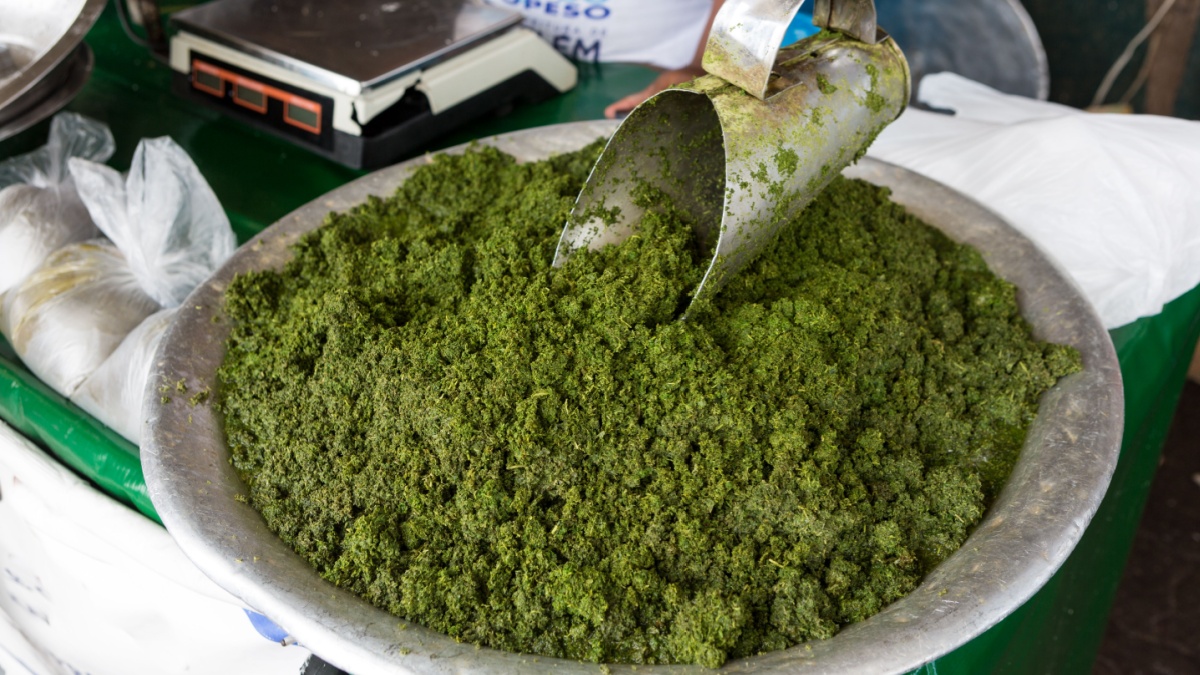
This dish served in Brazil includes leaves from the Manioc plant. The leaves have to be cooked for at least four days so that they aren’t poisonous. How did people discover that?
3. Mushrooms

There are a number of tasty, edible mushrooms out there. However, there are also horrifying ones that can cause a quick death. How many people died trying to figure out which ones were edible?
4. Chocolate

The fruit of the cacao plant isn’t super appetizing, and it takes a long time to harvest and cook it. How many times was it used in terrible recipes before chocolate was discovered? It easily could have never been paired with milk and sugar.
5. Kidney Beans
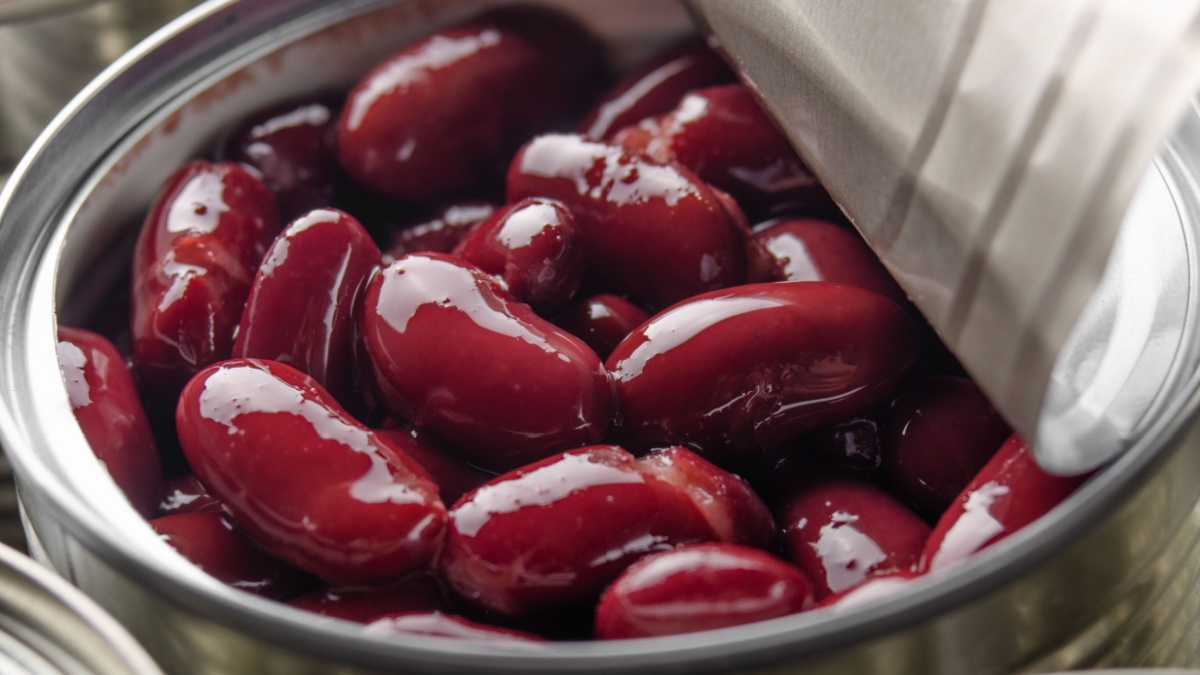
These common beans are toxic in their raw state. However, if you boil them for at least 20 minutes, they’re fine. Why were people continuing to boil these when they were obviously poisonous?
6. Cashews
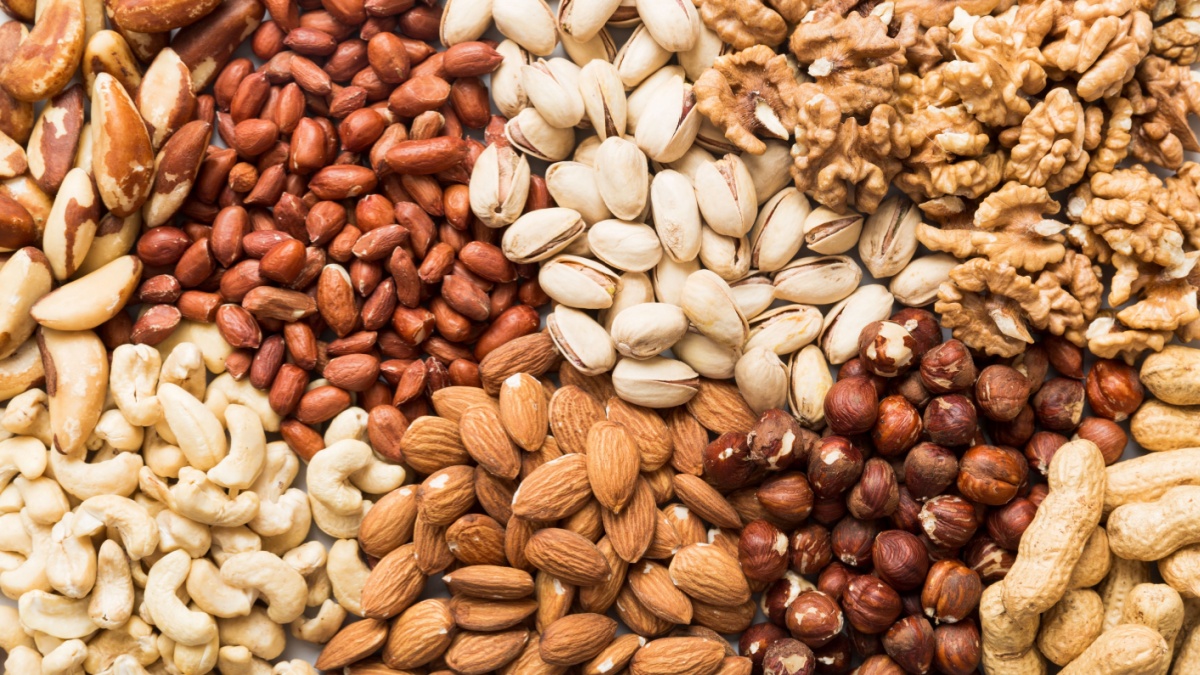
It’s tough to harvest cashews, and it has to be done by hand because of the complexity of it. It has a shell that’s toxic to humans. So, why did people ever take the nut out and eat it?
7. Coffee
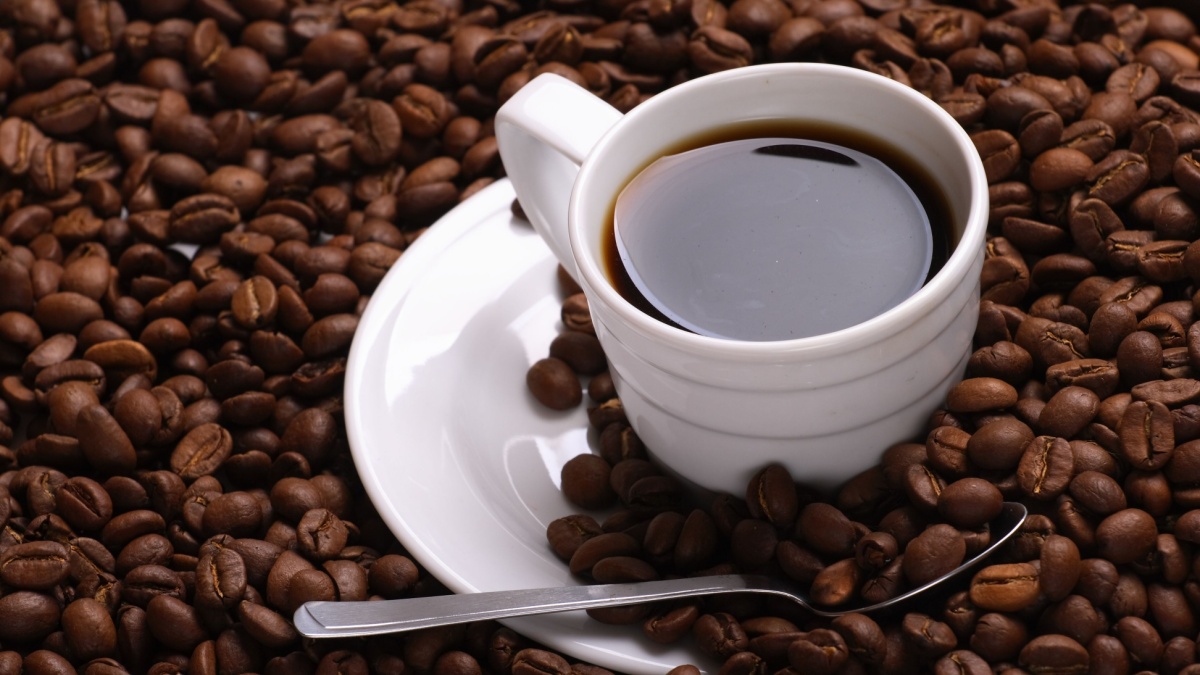
If you’ve ever eaten a coffee bean, you know how bitter it is. Somehow, these bitter beans were eventually used in ground form to make delicious coffee. There must have been a lot of misses before they got this hit.
8. Poke Greens
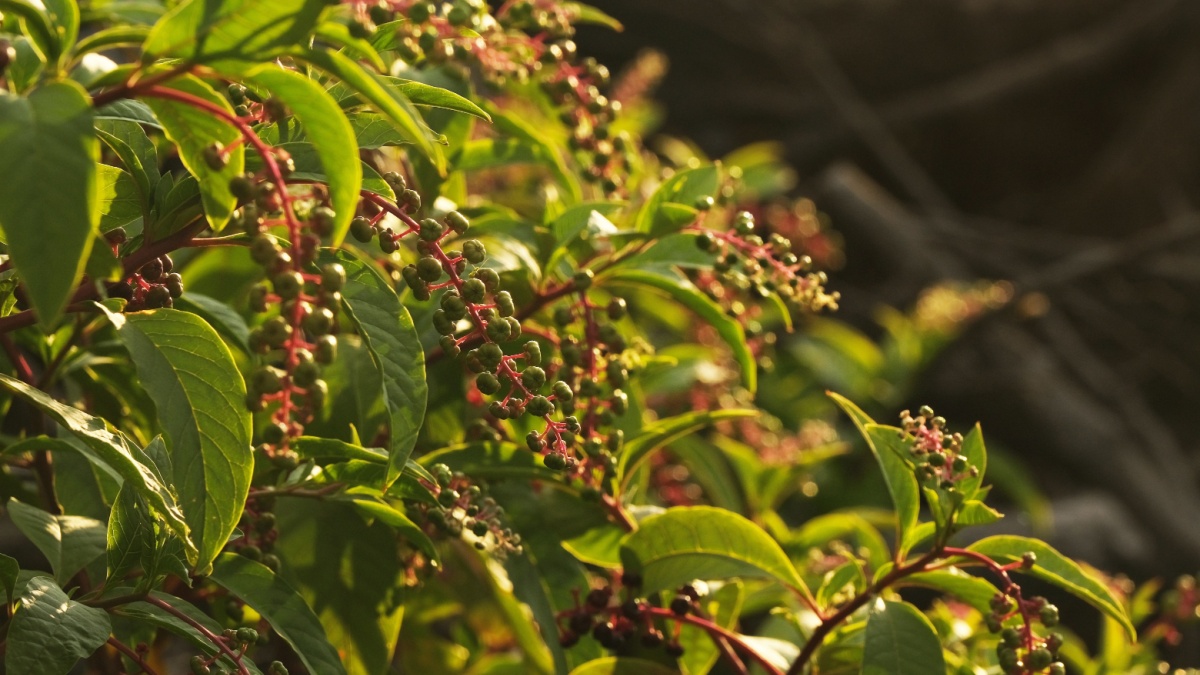
Poke grows wild in many areas, and it can be a tasty part of a meal. However, you have to boil it three times, or else it’s poisonous. Why did people keep boiling them if they were still poisonous after being boiled?
9. Honey
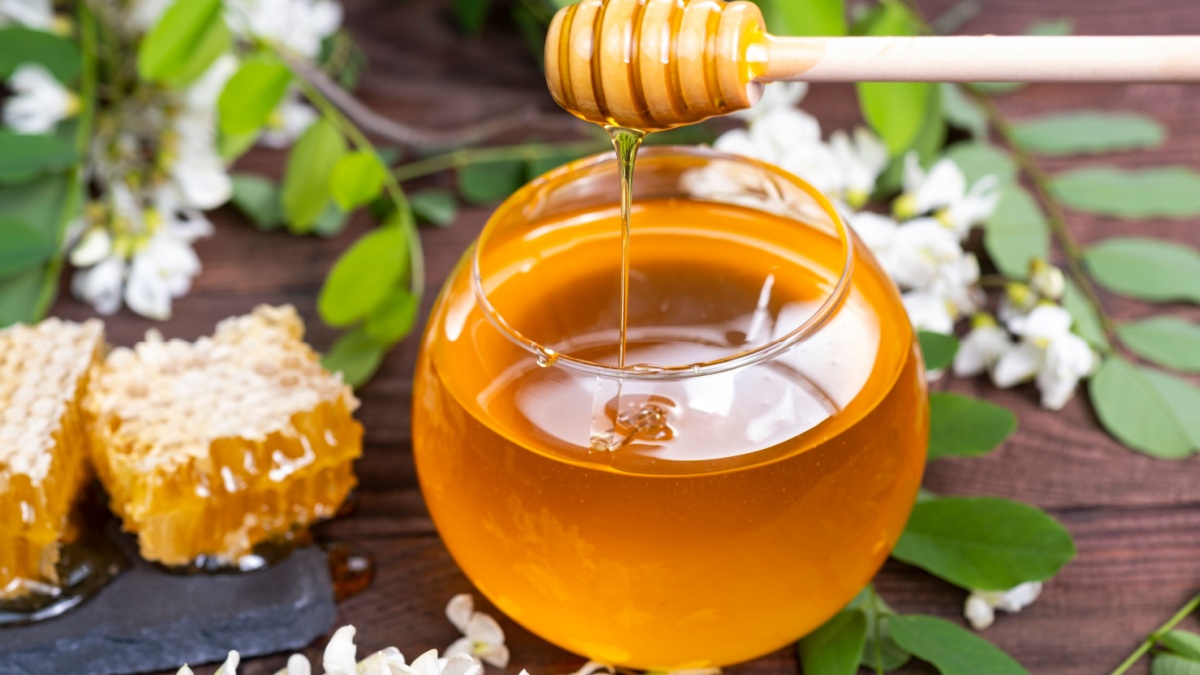
You may want to run when you see a massive group of stinging insects swarming. For some, their instinct was to reach inside the nest and see if there was any food to be had.
10. Durian Fruit
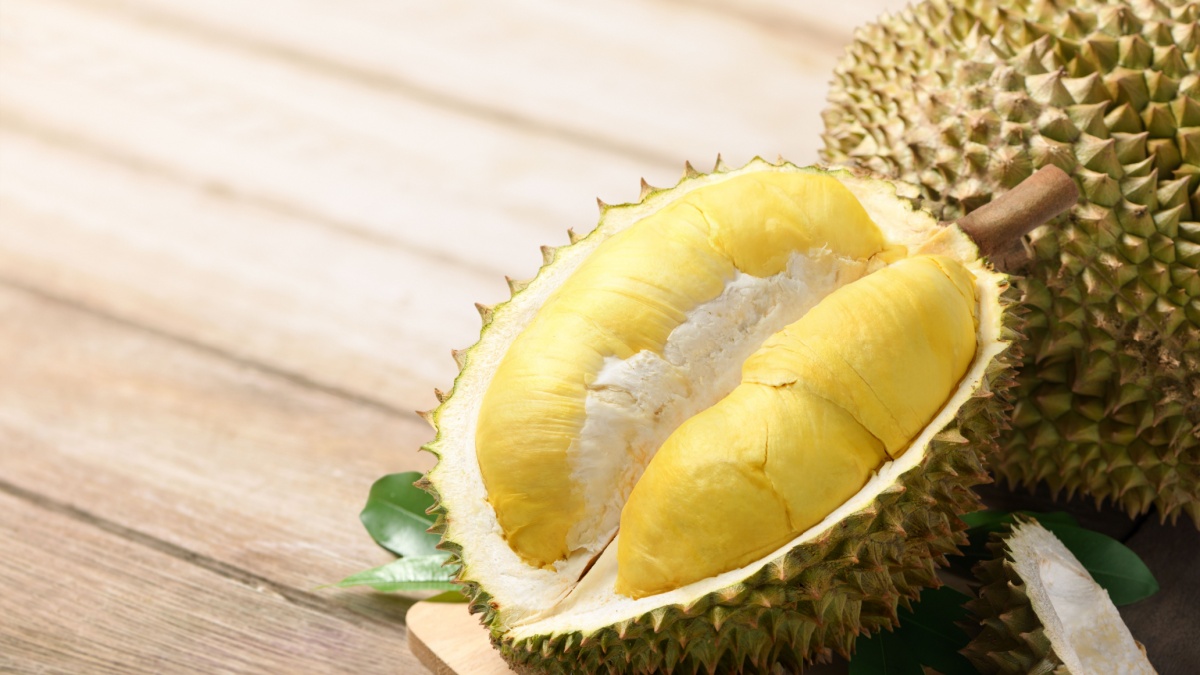
This fruit has a famously terrible smell. In Singapore, it’s banned from public transportation because it has such a strong stink. It’s also covered in hard spikes. Who thought this seemed like something to eat?
11. Sea Urchins
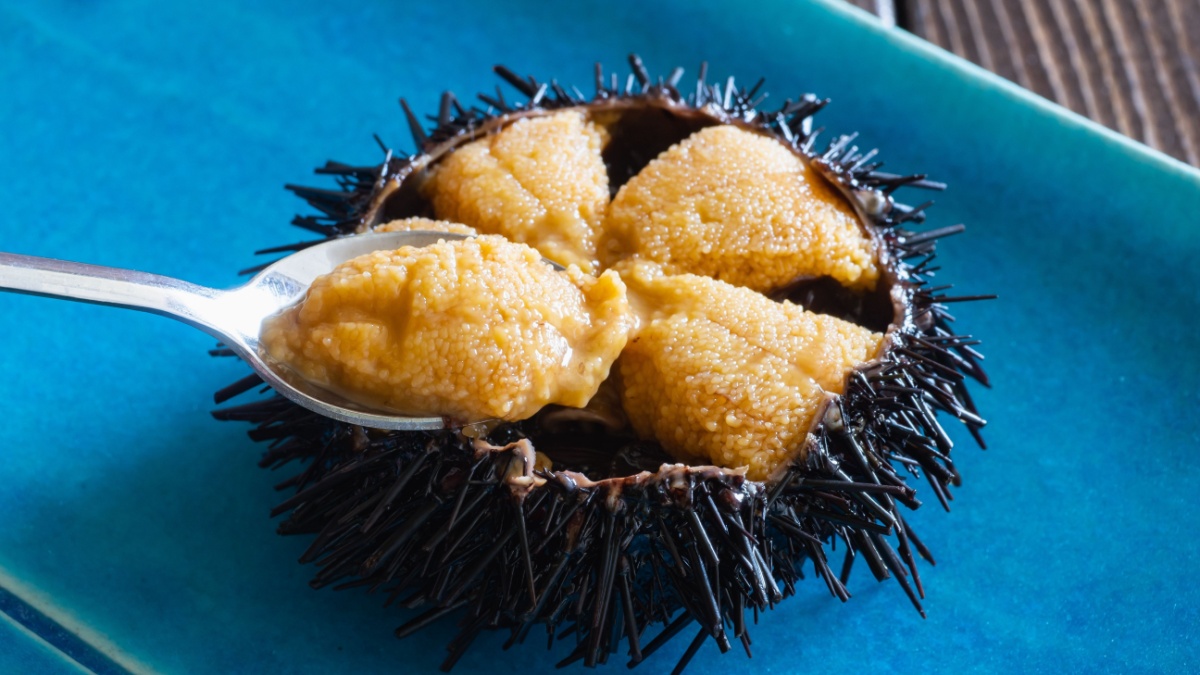
There’s a small amount of tasty meat inside a sea urchin, but why did people even try to eat them? They’re known for their thick, sharp spikes that can easily cut a human when they’re stepped on.
12. Greenland Shark
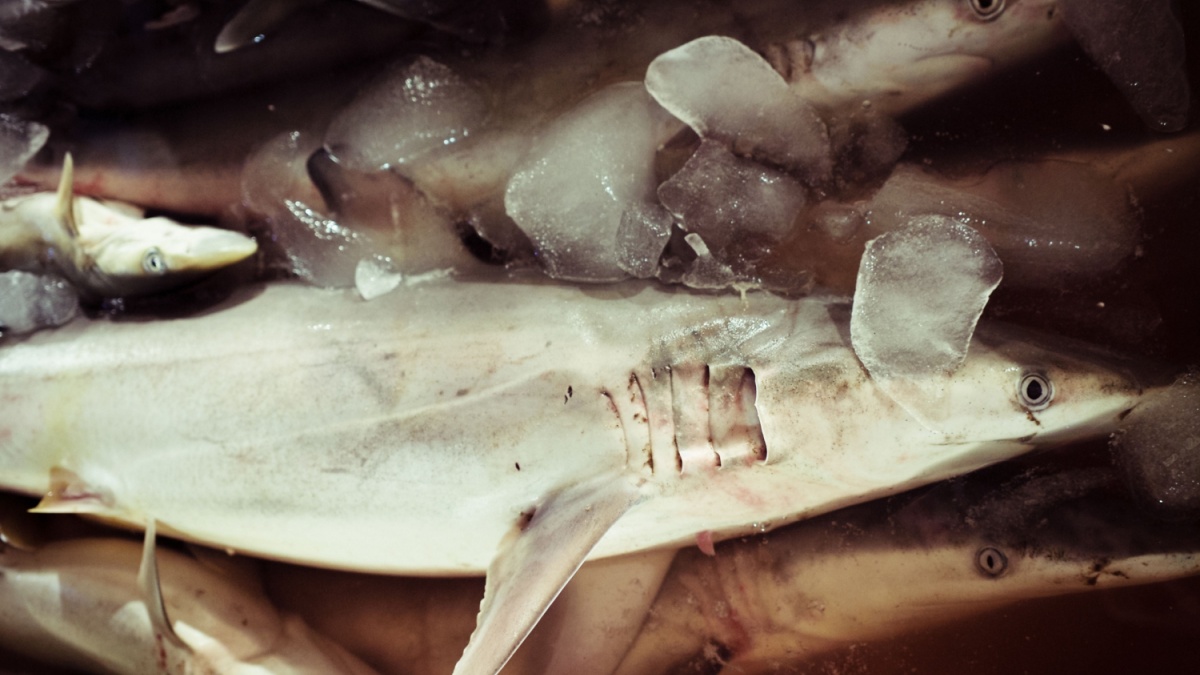
This shark is said to taste terrible, and it’s also highly poisonous. That is, unless sand and rocks are piled over it for months, and then it’s hung up to dry for more months. Then it’s fine.
13. Rhubarb
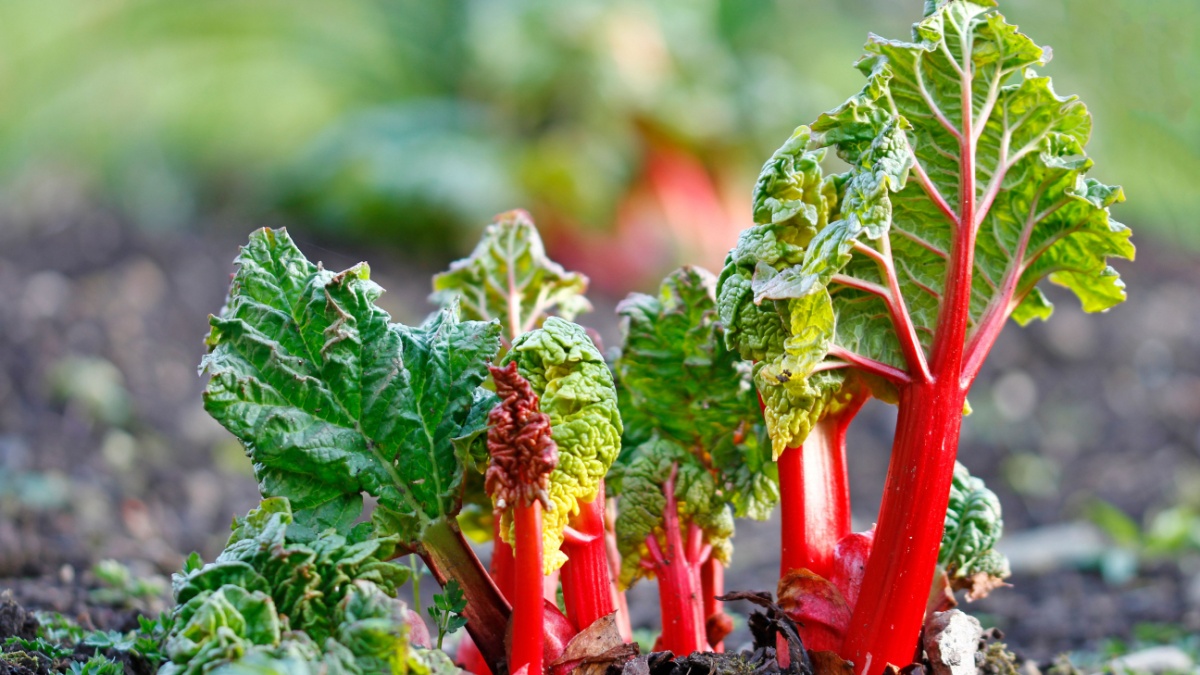
While the leaves of this plant aren’t edible, the stems are. People had to try different parts of this plant when the most obvious parts, the leaves, were found to be toxic. Then, someone tried to make it into a pie.
14. Cinnamon
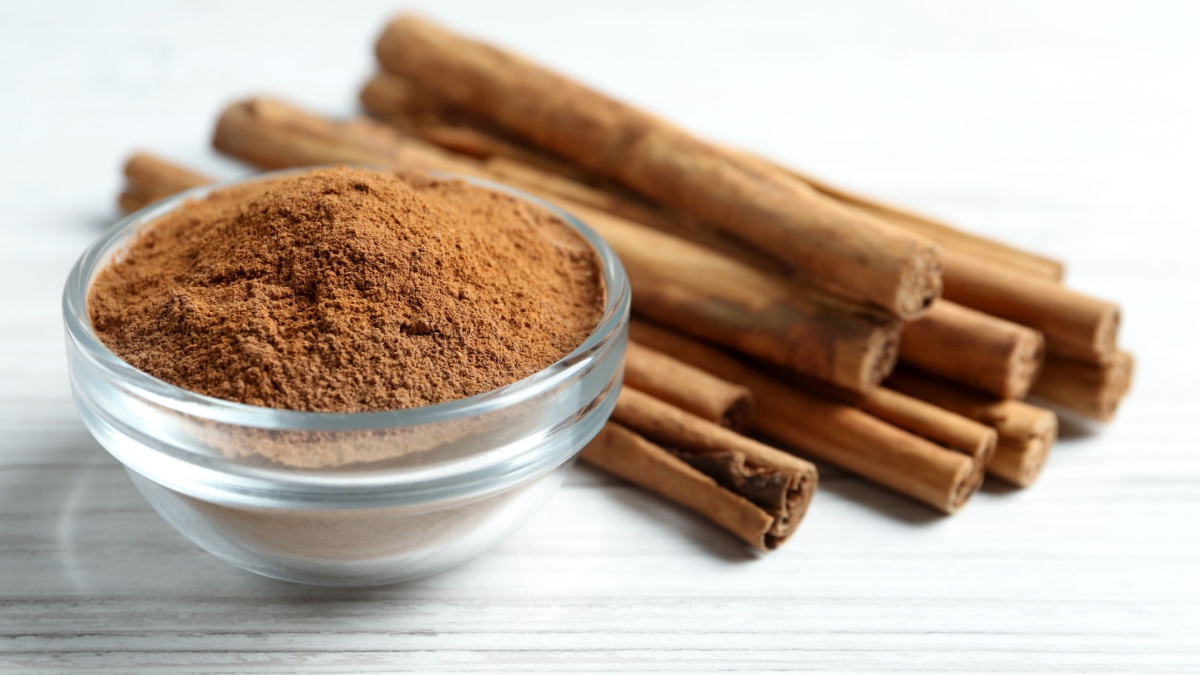
This is the only tree bark that people eat. Were all of the tree barks tried to see if they were edible? Cinnamon is hard to eat unless it’s powdered. Someone had to be the first one to try that for some reason.
15. Hakarl
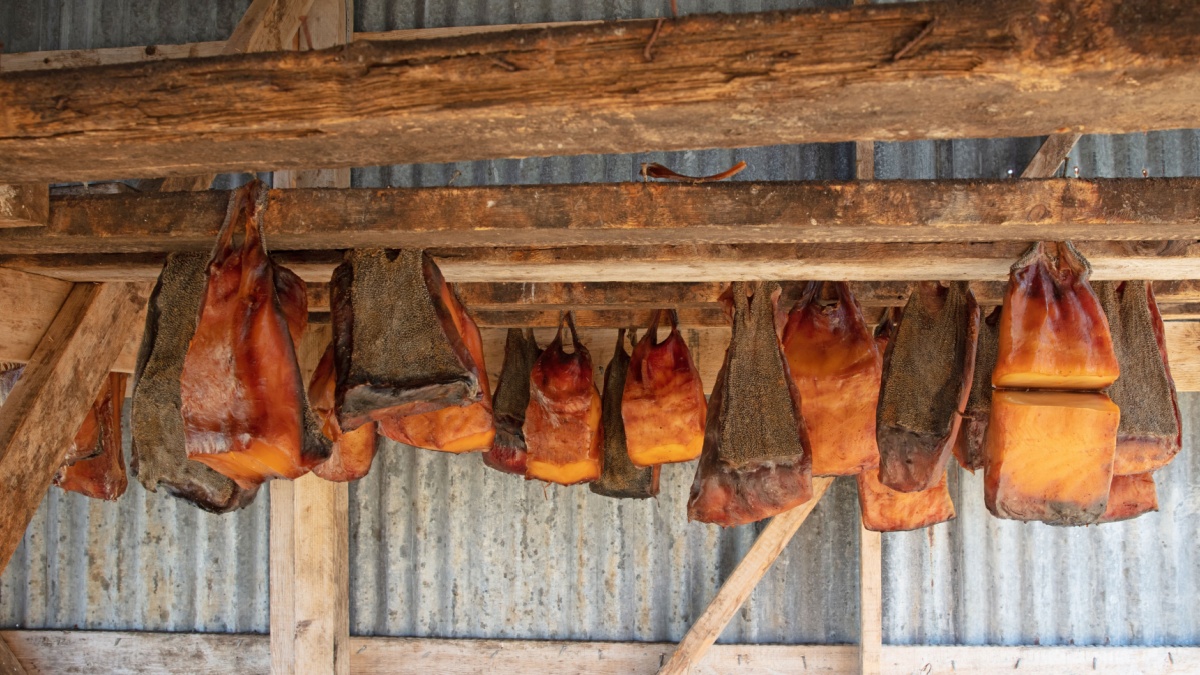
This is fermented shark that has been left to ferment for anywhere from six to 18 weeks. How long did it take to figure out that this was the proper time to eat this bizarre dish?
Experts Warn People to ALWAYS Refrigerate These 12 Non-Food Items

We all know our fridge and freezer are great for food and beverage preservation, but did you know you could use your fridge for other things beyond your kitchen pantry? You can store multiple things in your refrigerator to maintain potency, extend shelf life, or preserve them.
Find out more as we list some of the surprising things you can keep in your refrigerator besides food.
Experts Warn People to ALWAYS Refrigerate These 12 Non-Food Items
20 Food to Stockpile (For the Best Chance of Survival)

A well-stocked pantry can provide peace of mind and empower you to handle any situation. Whether it’s a natural disaster, economic instability, or simply unexpected guests, having a stash of versatile essential foods can make all the difference.
Here’s a list of 20 of the best foods to stockpile, ensuring you’re ready for whatever comes your way.

Leave a Reply