
Storing your spices in a plastic container might be convenient, but it’s often not good for them. Here are fifteen spices you should store in anything but a plastic container!
Saffron
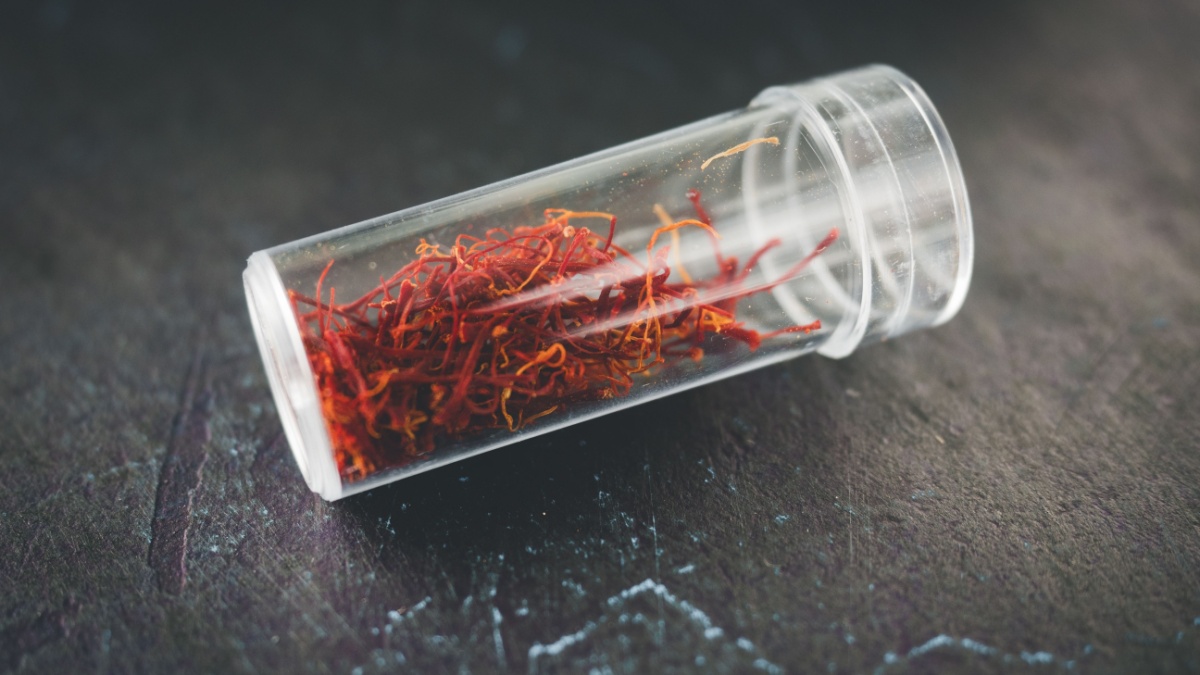
We had to put saffron at the top solely for how expensive it is, and we don’t want yours to go bad too quickly! Saffron is highly sensitive to light, moisture, and air, which can degrade its quality and potency. Glass or metal containers with tight-fitting lids are ideal instead.
Turmeric
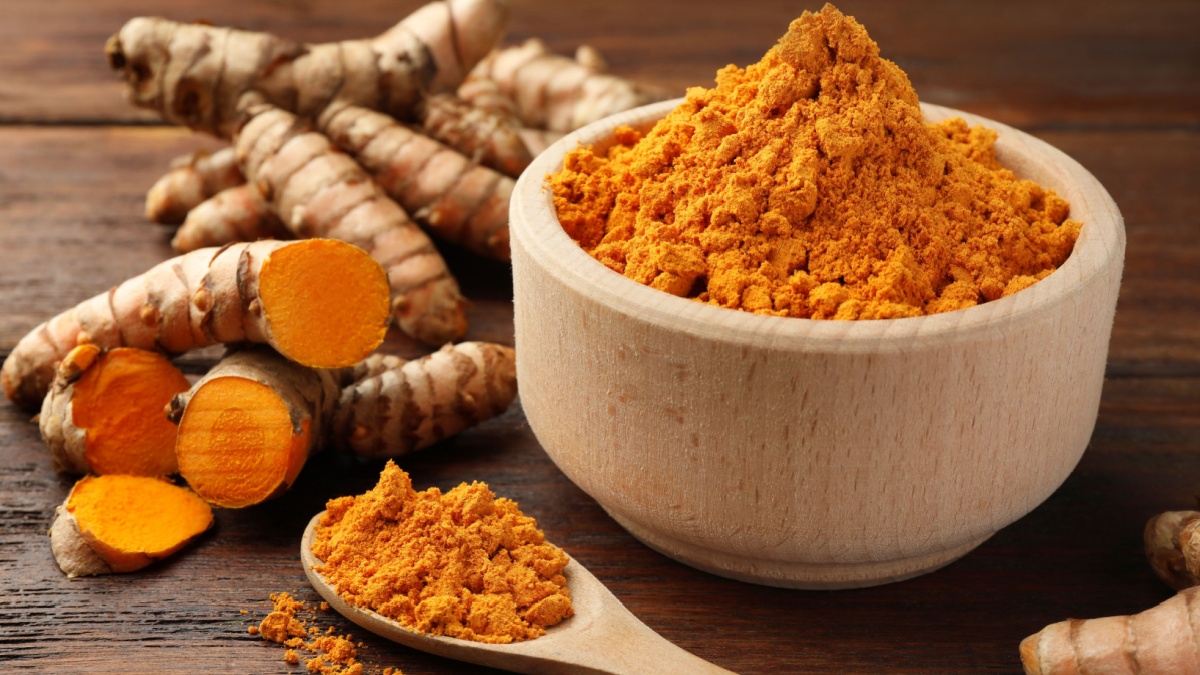
Turmeric, with its vibrant yellow color, is another spice that you should keep away from plastic. Turmeric contains curcumin, a compound that can stain plastic containers and degrade if exposed to light and air.
Paprika
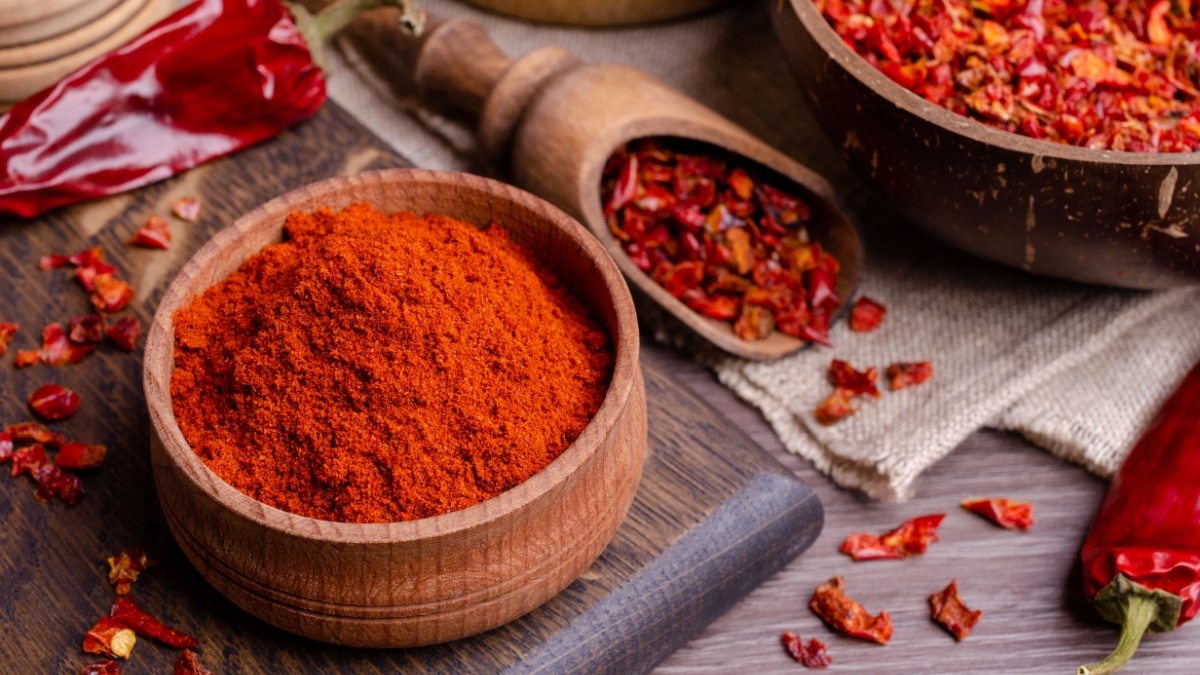
Paprika is a spice that loses its flavor quickly if not stored correctly. The oils in paprika can react with plastic, causing it to lose potency. A metal or glass container can shield it from air and light and keep it fresh.
Curry Powder
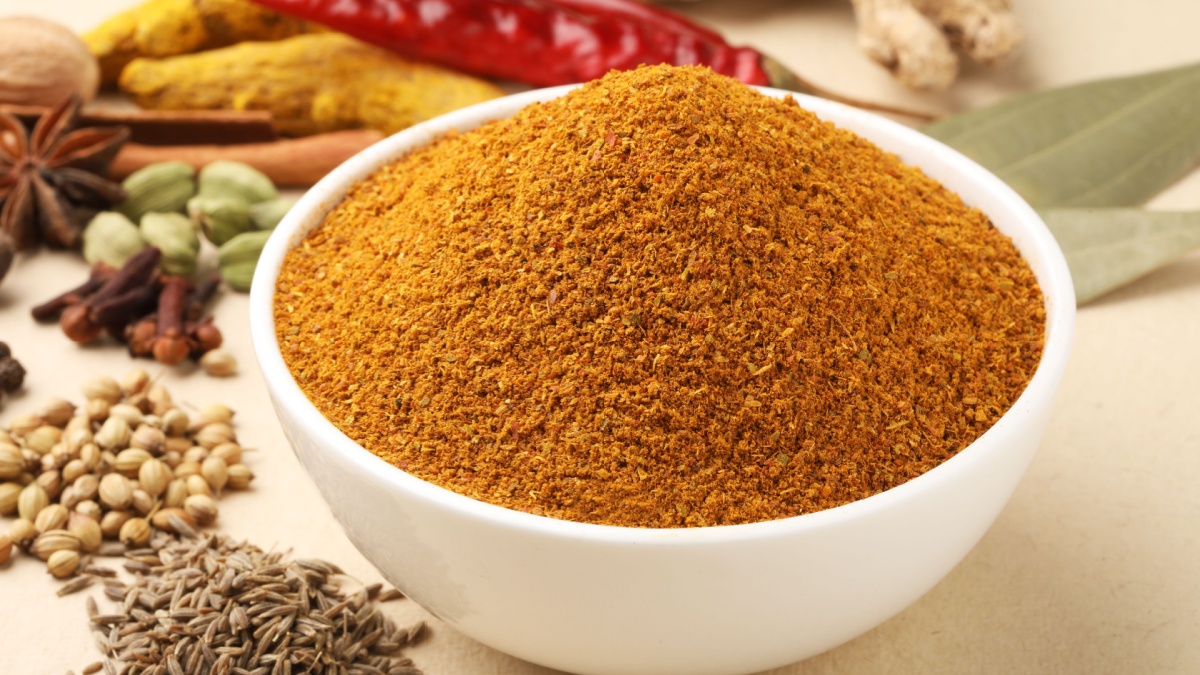
Curry powder is a blend of several spices, each with its own storage needs. The combined effect of these spices in a plastic container can lead to a quicker degradation of the blend’s overall flavor.
Chili Powder

Chili powder, like paprika, contains oils that can interact poorly with plastic. These interactions can diminish the spice’s heat and flavor over time.
Cinnamon
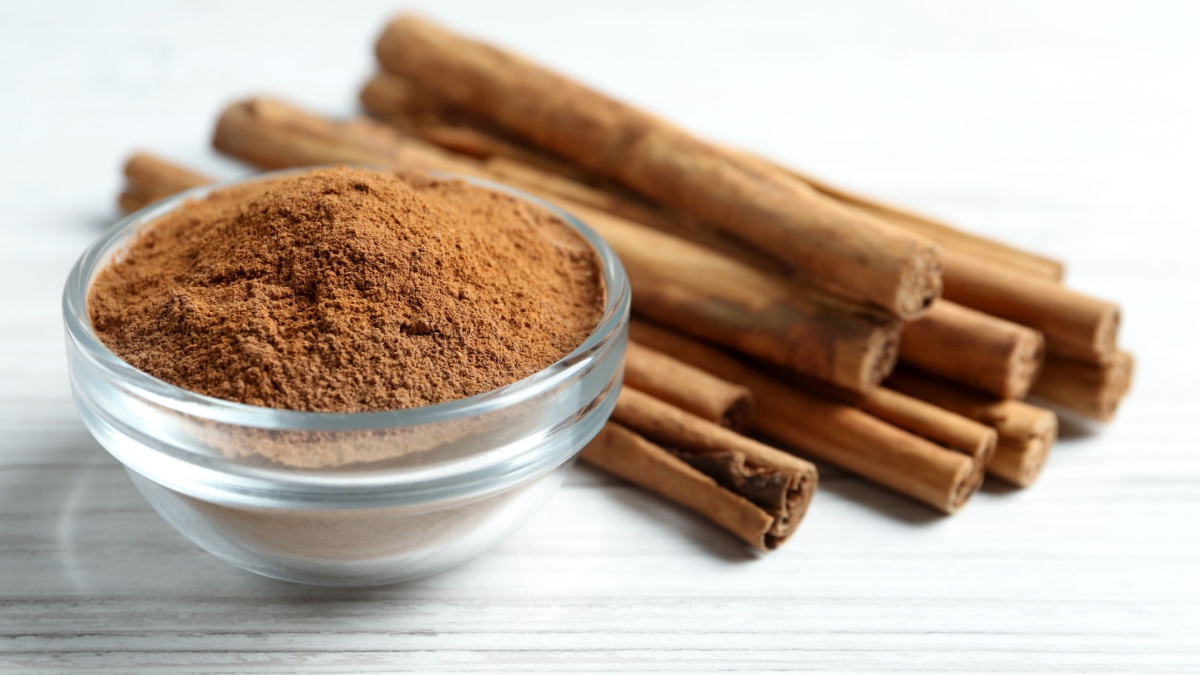
Ground cinnamon and cinnamon sticks both suffer when stored in plastic. The aromatic compounds that give cinnamon its warm, sweet flavor can dissipate if not properly sealed away from air and moisture. A glass jar with a tight lid is perfect for keeping your cinnamon fresh.
Cloves
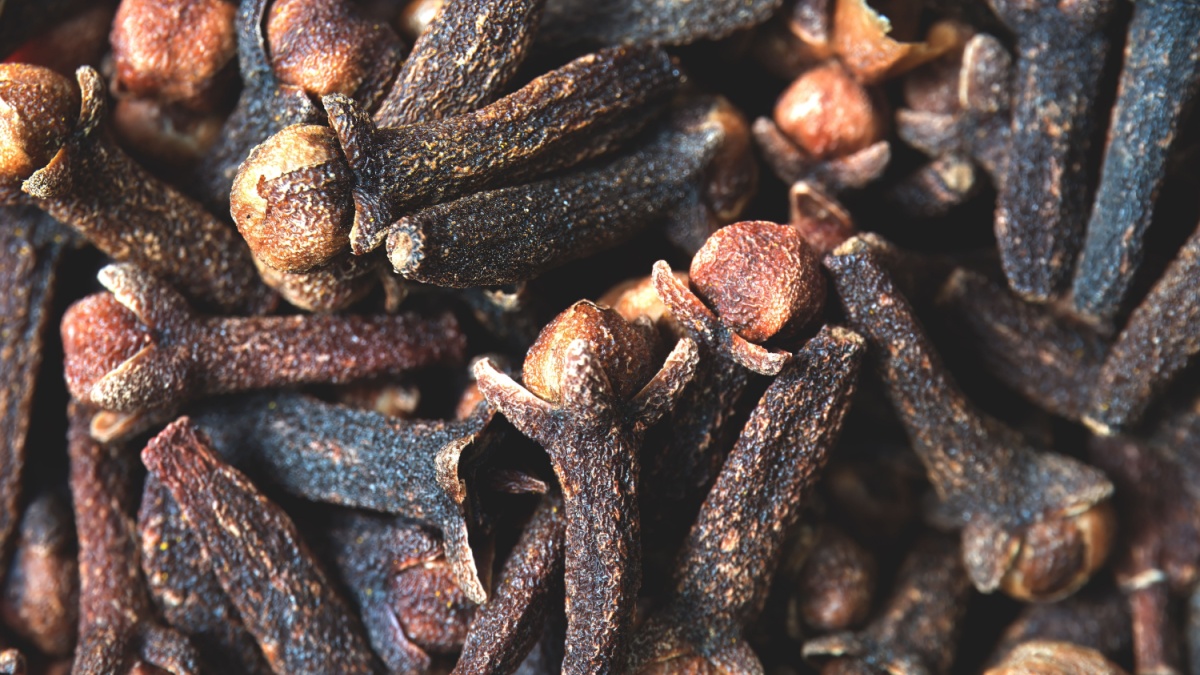
Cloves are another spice that can lose their potent aroma if not stored correctly. The essential oils in cloves can react with plastic, causing the spice to degrade. A metal or glass container with a secure lid will help preserve the flavor a lot better.
Nutmeg
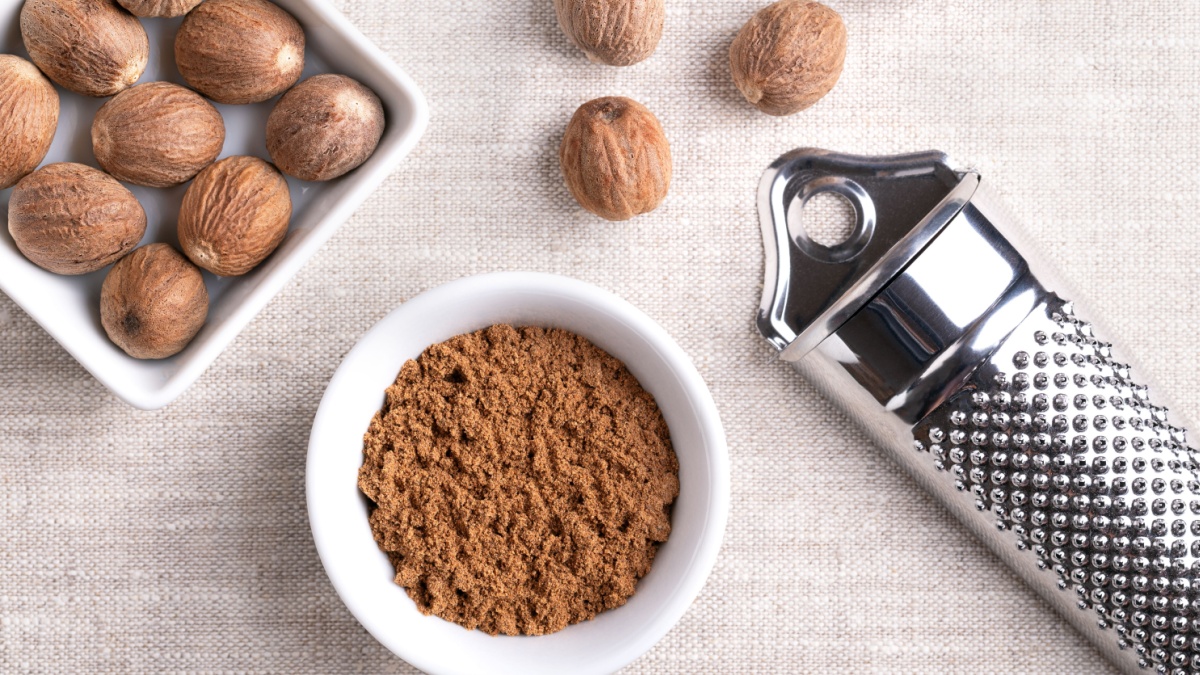
Whole nutmeg and ground nutmeg are both best kept in non-plastic containers. Nutmeg’s essential oils can evaporate if exposed to air, and plastic containers often don’t seal tightly enough to prevent this.
Cardamom

Cardamom in any form needs to be stored carefully to preserve the complexity and flavor. Plastic containers can allow moisture in, which can cause cardamom to lose its freshness.
Ginger Powder
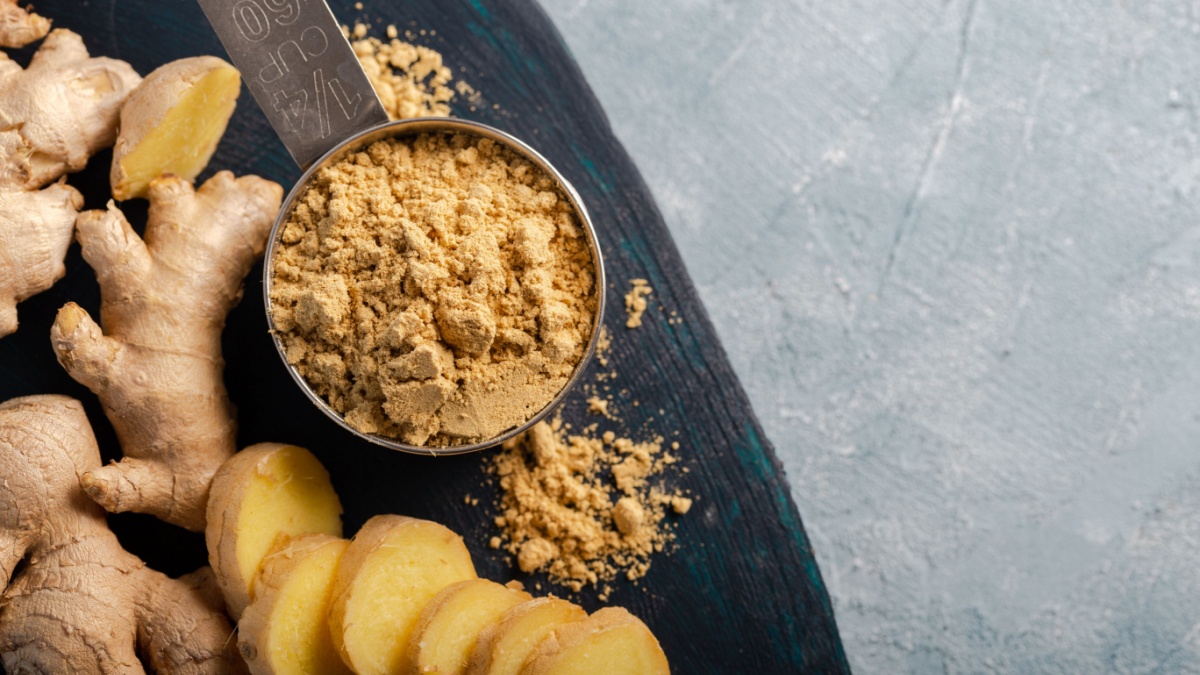
Ginger powder is prone to clumping and losing the sought-after spiciness it’s known for if exposed to moisture and air. Plastic containers often don’t provide a tight enough seal to keep ginger powder at peak freshness.
Cumin
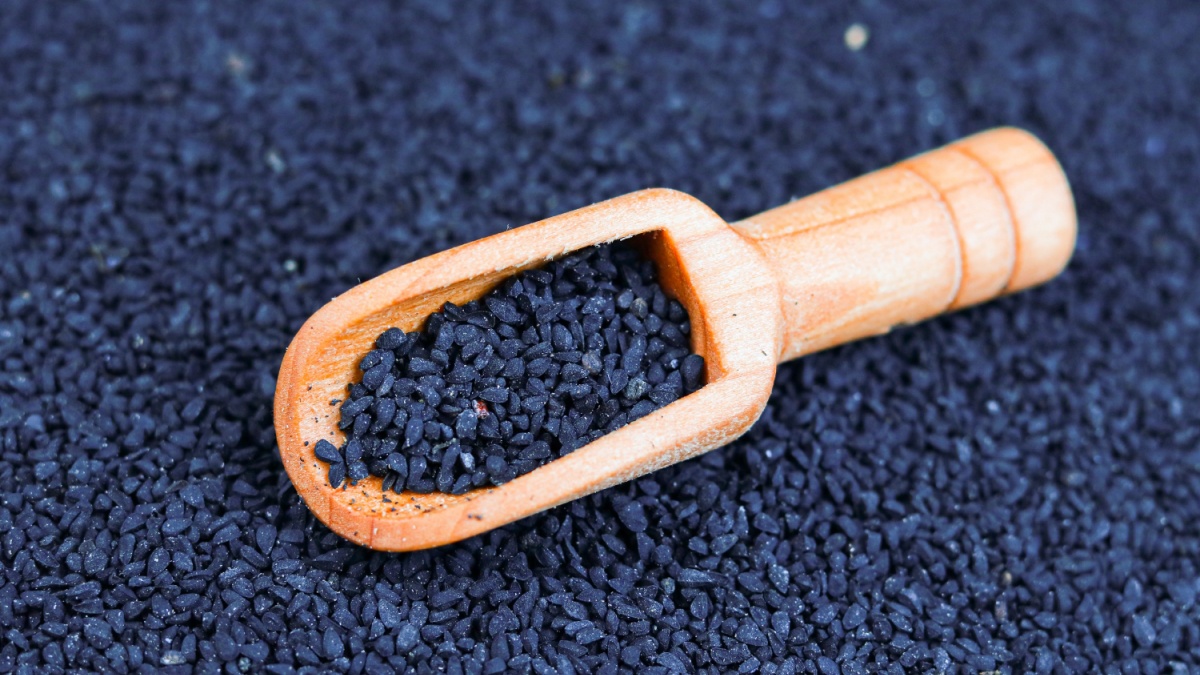
Cumin is powerful, but not if you leave it in plastic containers. The essential oils in cumin can react with plastic, leading to a loss of flavor and aroma.
Coriander
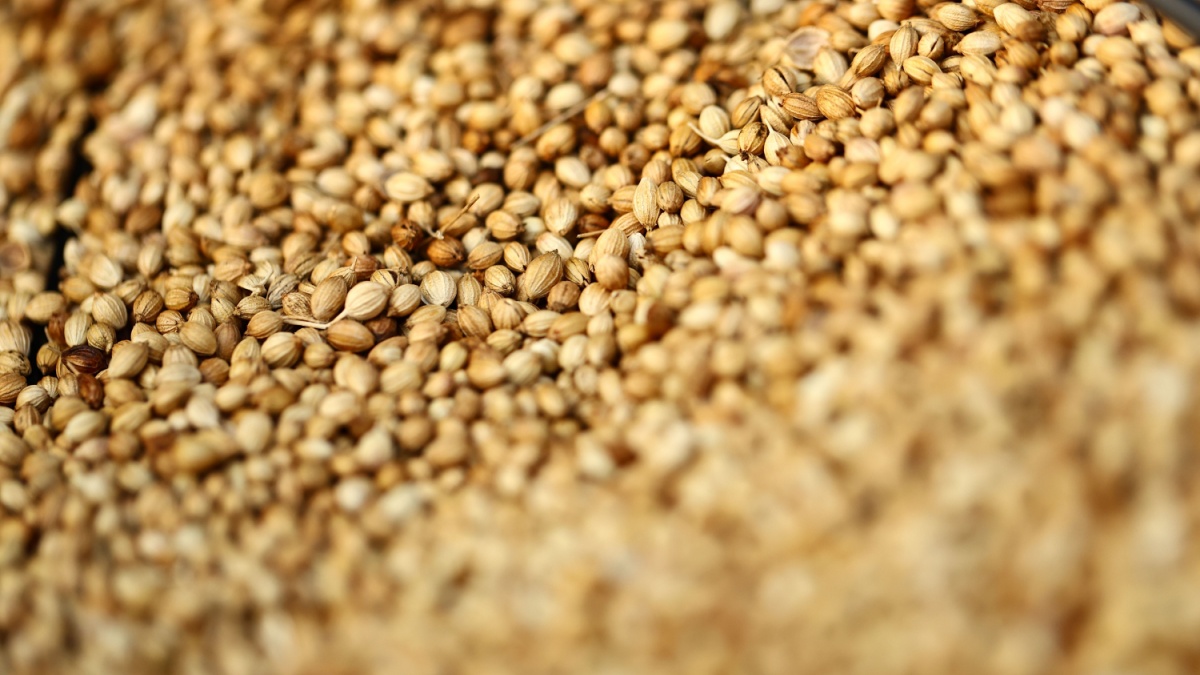
Coriander seeds and ground coriander need to be kept in airtight containers to preserve them. Otherwise, you’re left with a lacking spice from something that’s usually very noticeable in a dish.
Fenugreek
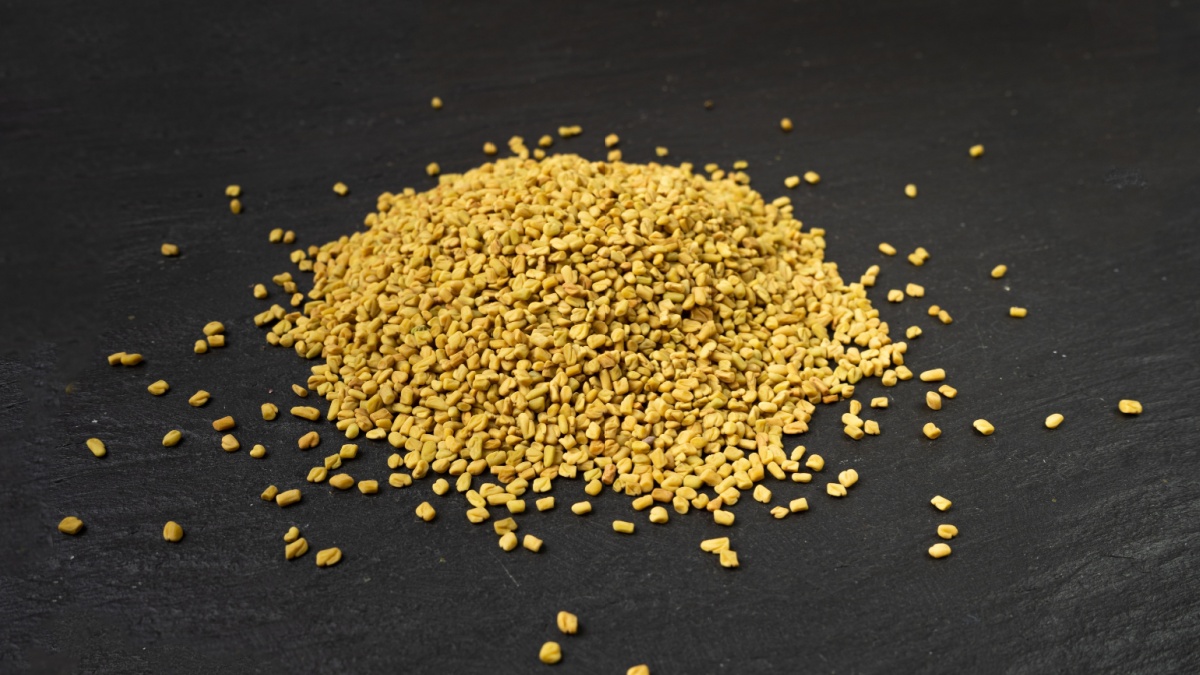
Fenugreek can lose its trademark slightly bitter, maple-like flavor if not stored correctly. Like basically every other spice on here, it doesn’t love exposure to air or moisture, so metal or glass is a better storage option.
Star Anise
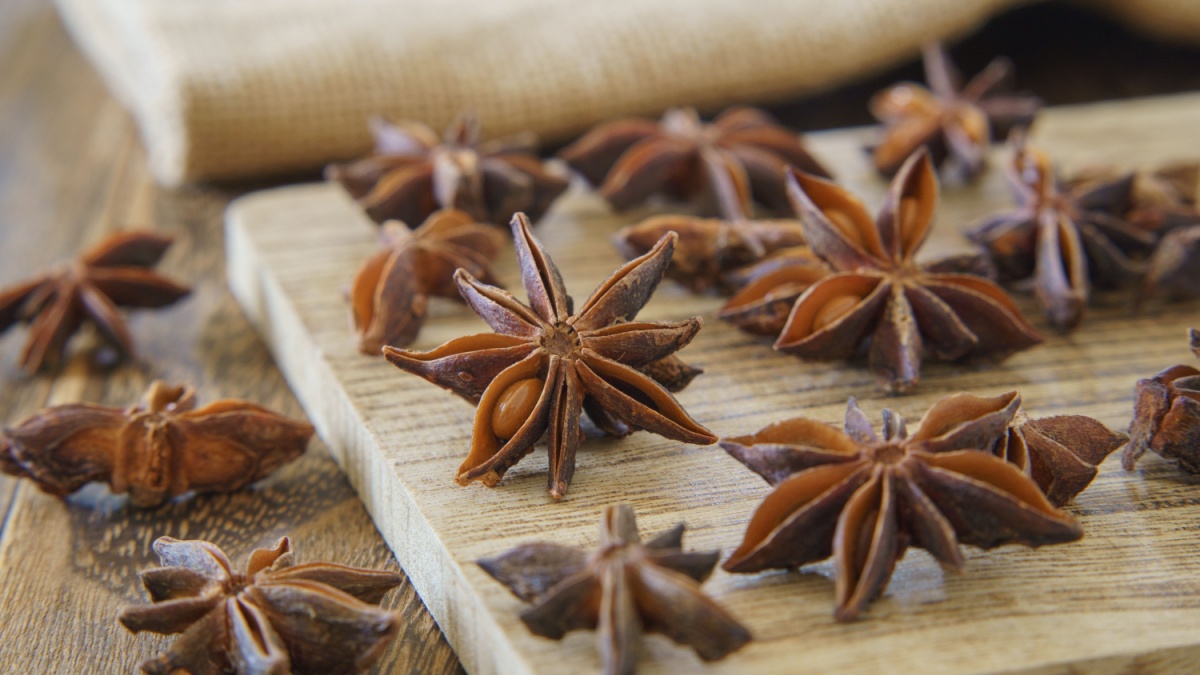
Star anise’s strong licorice notes come through beautifully as long as it’s stored in a way that protects its essential oils. Plastic containers can allow these oils to evaporate, leading to a loss of flavor.
Black Peppercorns
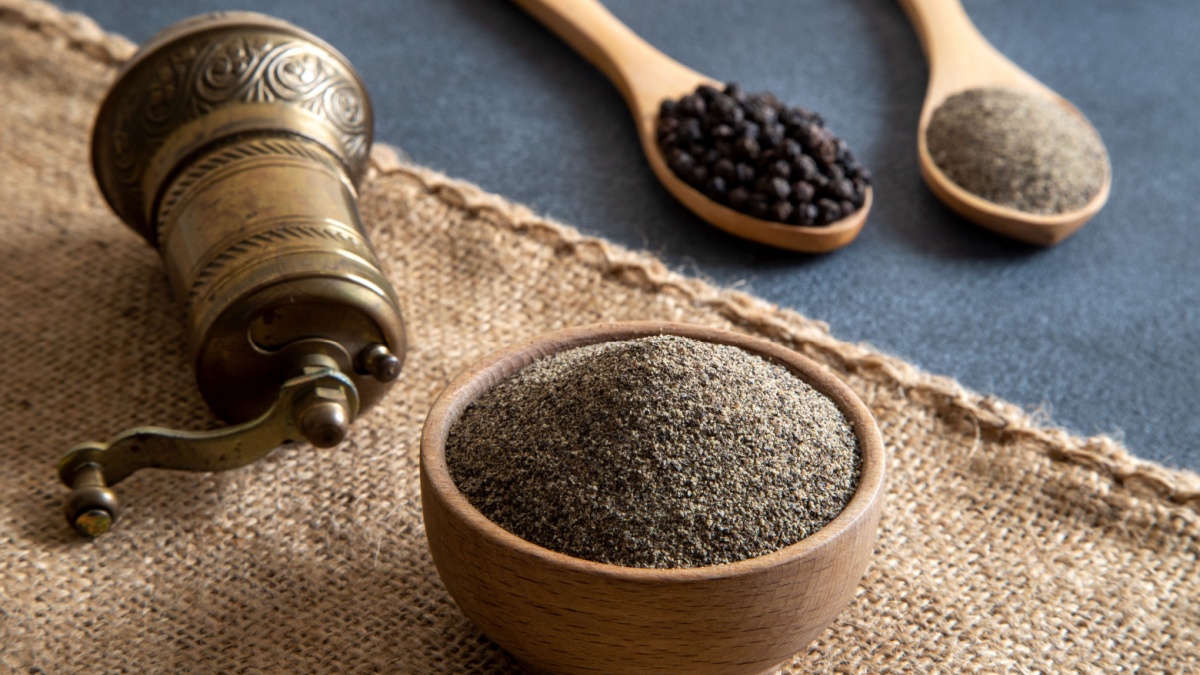
Black peppercorns are a staple in basically every home cook’s kitchen, but they can lose their pungency if not stored properly. It’s a similar story to star anise; the flavor comes from the essential oils, which can evaporate if stored in a plastic container.
20 Food to Stockpile (For the Best Chance of Survival)

A well-stocked pantry can provide peace of mind and empower you to handle any situation. Whether it’s a natural disaster, economic instability, or simply unexpected guests, having a stash of versatile essential foods can make all the difference.
Here’s a list of 20 of the best foods to stockpile, ensuring you’re ready for whatever comes your way.
20 Food to Stockpile (For the Best Chance of Survival)
12 Everyday Foods Some People Just Can’t Stand
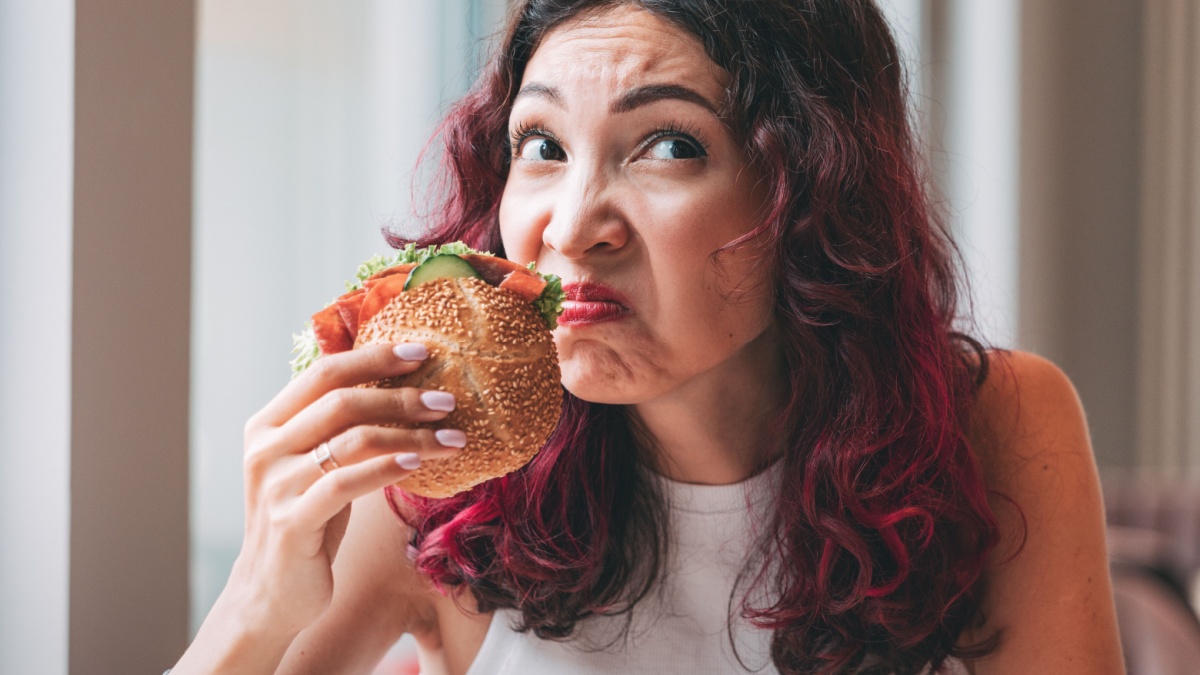
When it comes to their foods, some people are just picky eaters. It’s surprising how certain popular foods can be so divisive. While many people love them, others can’t stand the taste, texture, or even the idea of eating them. Here are some surprising foods that some people just can’t stand.

Leave a Reply