
Comfort foods are often our go-to choices for relaxation and satisfaction. However, many of these beloved dishes can harbor hidden dangers that impact our health in ways we might not immediately realize.
From added sugars to harmful chemicals, knowing what’s lurking in our favorite treats is important. Here are 15 hidden dangers in common comfort foods.
Artificial Additives

Artificial additives in comfort food can pose several health risks. Studies have suggested a link between artificial food colorings and preservatives and increased hyperactivity and attention problems in some children.
Some artificial additives, such as certain food colorings and preservatives, have been linked to an increased risk of cancer in animal studies, although evidence in humans is less clear.
Added Sugars
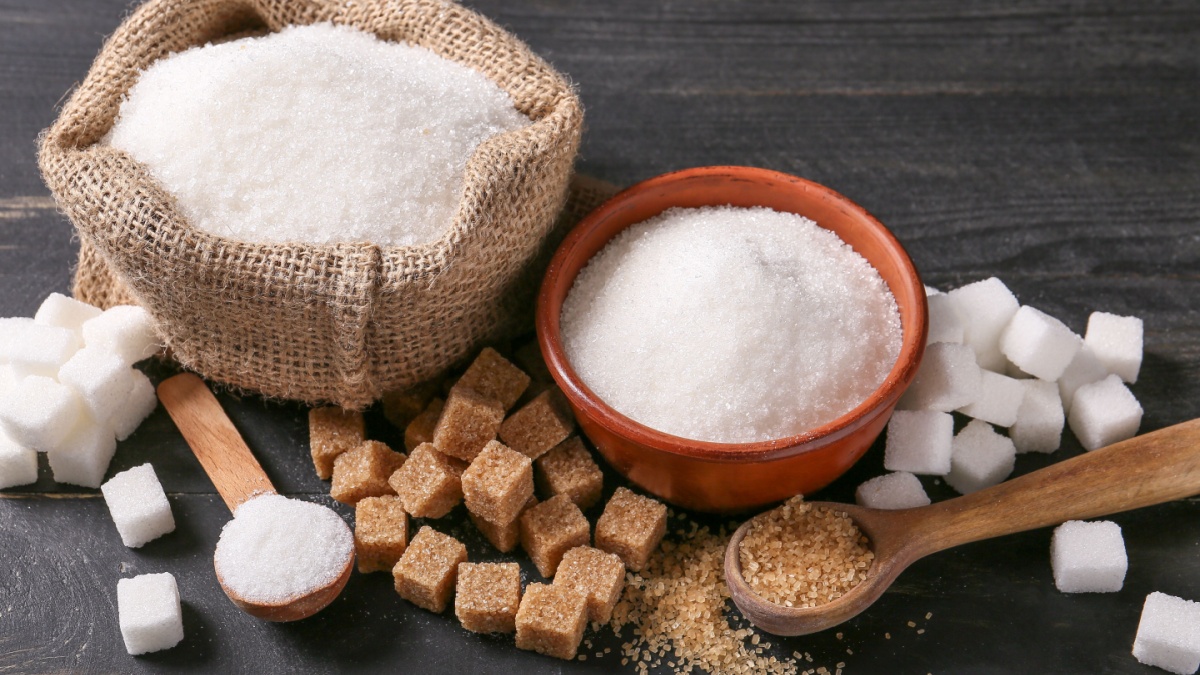
Many comfort foods contain high levels of added sugars, which can contribute to weight gain and increase the risk of type 2 diabetes. Added sugars provide empty calories without any nutritional benefits.
They can also cause spikes in blood sugar levels, leading to energy crashes and increased hunger. Over time, excessive sugar intake can harm the liver and lead to insulin resistance.
Trans Fats
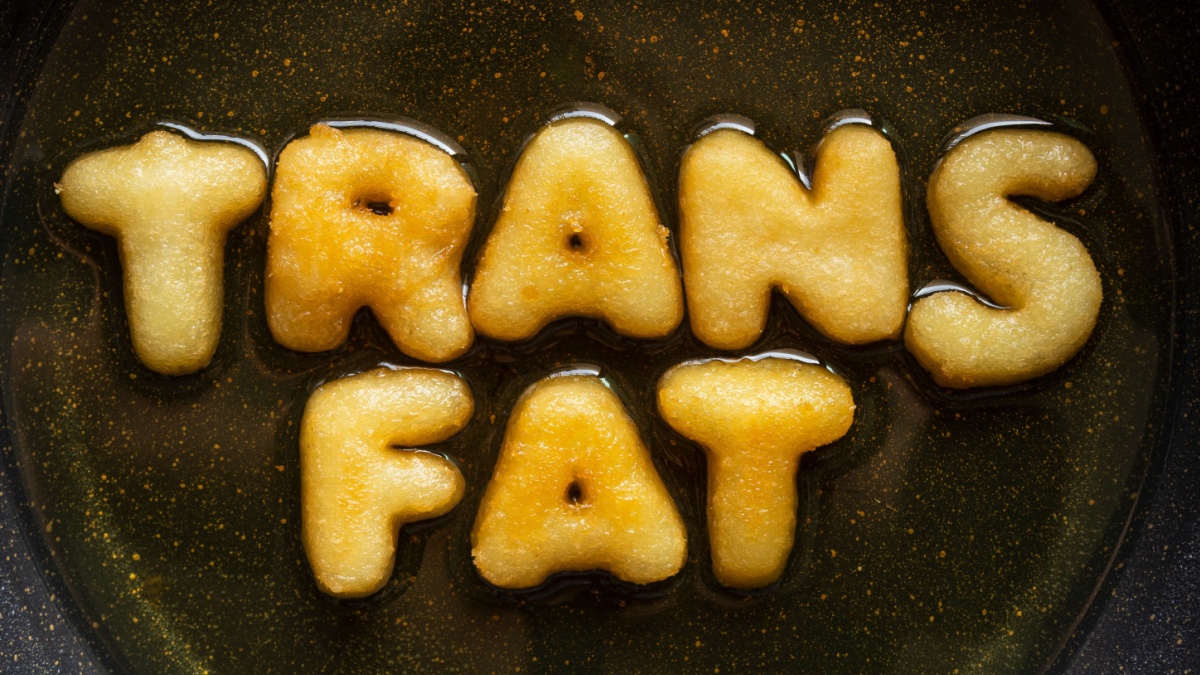
Trans fats are commonly found in fried foods, baked goods, and processed snacks. They are known to raise bad cholesterol levels while lowering good cholesterol, increasing the risk of heart disease.
Trans fats can also promote inflammation linked to various chronic diseases. Despite being banned in many places, they can still be found in some food products.
GMOs
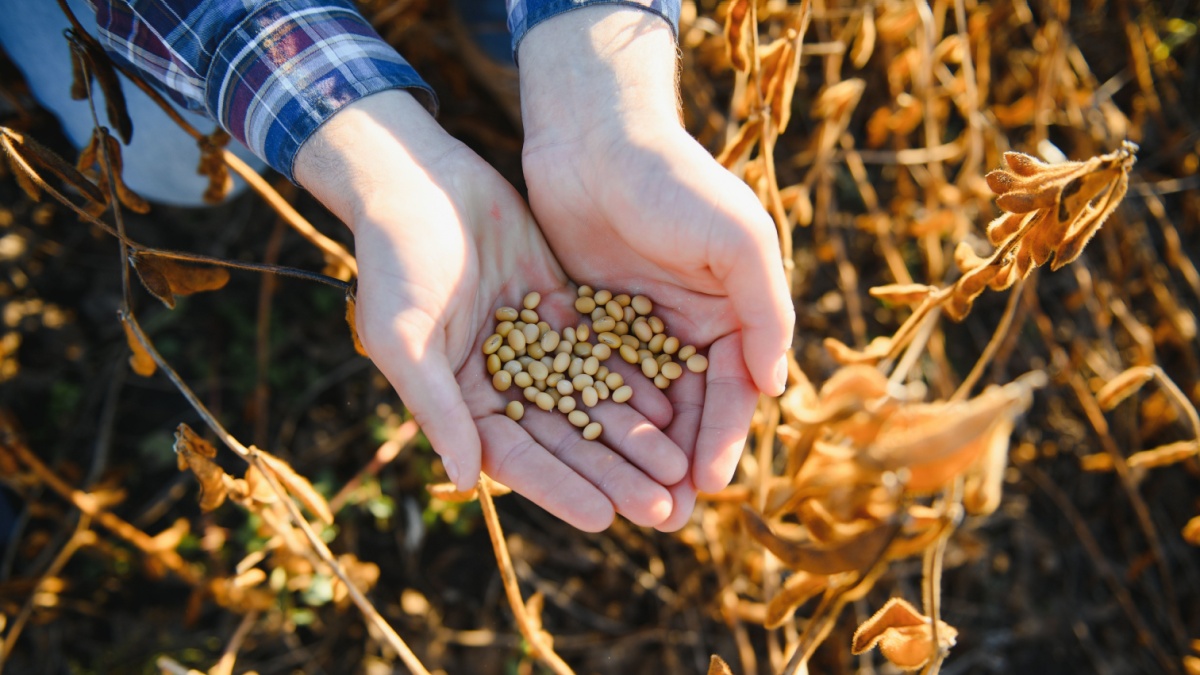
Genetically modified organisms (GMOs) are present in many comfort foods, particularly those containing corn and soy. While the long-term health effects of GMOs are still debated, concerns include potential allergenicity and antibiotic resistance.
There is also the issue of pesticide residues from crops genetically modified to resist certain chemicals, which can have adverse health impacts.
Glycotoxins

Glycotoxins, or advanced glycation end products (AGEs), are compounds formed when foods are cooked at high temperatures, such as grilling, frying, or baking. These compounds can increase oxidative stress and inflammation in the body, contributing to the development of chronic diseases.
Foods high in glycotoxins can also accelerate aging and impair kidney function.
Chemical Preservatives
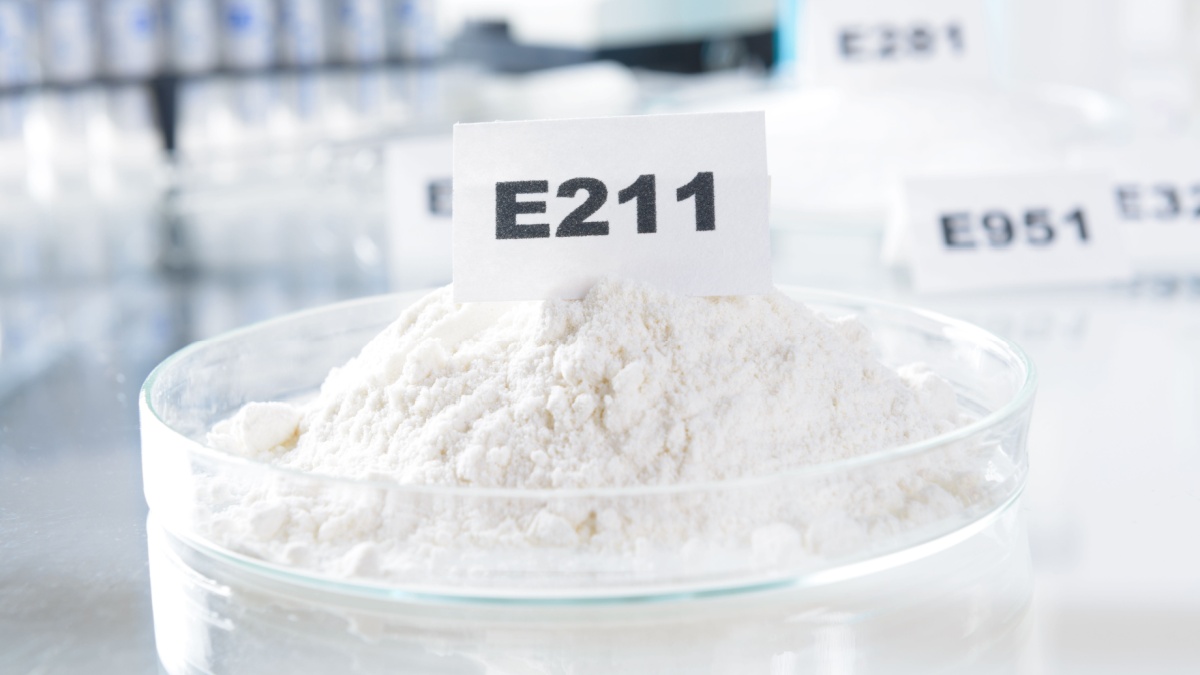
Many comfort foods contain chemical preservatives like BHA, BHT, and sodium benzoate to extend shelf life. These chemicals can disrupt hormonal balance and may have carcinogenic properties.
Long-term consumption of preserved foods can also impact the liver and other organs that detoxify the body from these substances.
Excessive Sodium

High sodium levels in comfort foods, such as soups, processed meats, and fast food, can lead to hypertension and increase the risk of stroke and heart disease. Sodium can cause water retention, leading to bloating and weight gain.
Excessive intake can also strain the kidneys and interfere with bone health by increasing calcium loss.
Refined Carbs

Refined carbohydrates in white bread, pastries, and many snack foods lack essential nutrients and fiber. They can cause rapid spikes and drops in blood sugar levels, contributing to fatigue and overeating.
Consistently high intake of refined carbs is associated with an increased risk of diabetes, heart disease, and obesity.
Plastic Packaging

Many comfort foods come in plastic packaging, which can leach harmful chemicals like phthalates and BPA into the food. These chemicals can disrupt endocrine function and have been linked to various health issues, including reproductive problems and increased cancer risk.
Choosing foods with minimal or safer packaging can help reduce this risk.
MSG (Monosodium Glutamate)

MSG is a flavor enhancer commonly used in processed foods, soups, and restaurant dishes. While generally recognized as safe, some people may experience adverse reactions, including headaches, flushing, and palpitations.
MSG can also overstimulate nerve cells, leading to excitotoxicity, which can damage or kill neurons.
Pesticide Residue
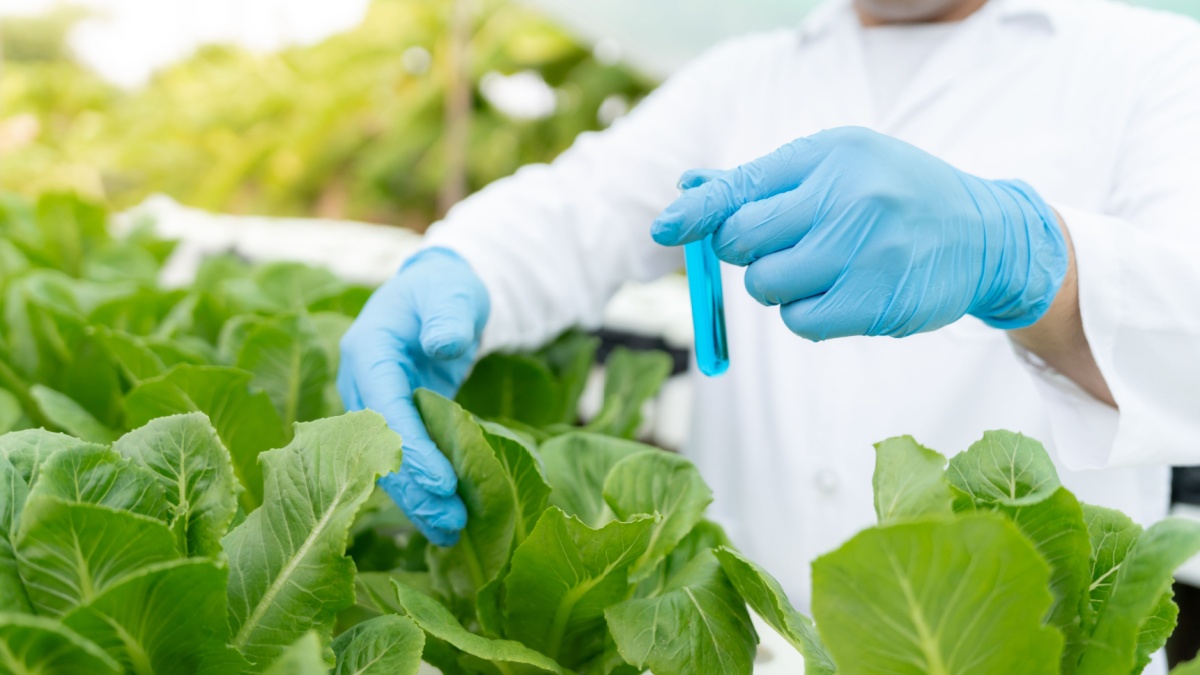
Many fruits, vegetables, and grains used in comfort foods are treated with pesticides to increase yield and reduce pests. Pesticide residues can remain on the food and be ingested, potentially causing health issues like hormonal imbalances, reproductive problems, and even cancer.
Organic options can help reduce exposure to these harmful chemicals.
Nitrates and Nitrites

Nitrates and nitrites are preservatives in processed meats like bacon, hot dogs, and deli meats. These compounds can form nitrosamines in the body, which are potent carcinogens.
Regular consumption of processed meats is associated with an increased risk of colorectal cancer and other health issues.
Acrylamide
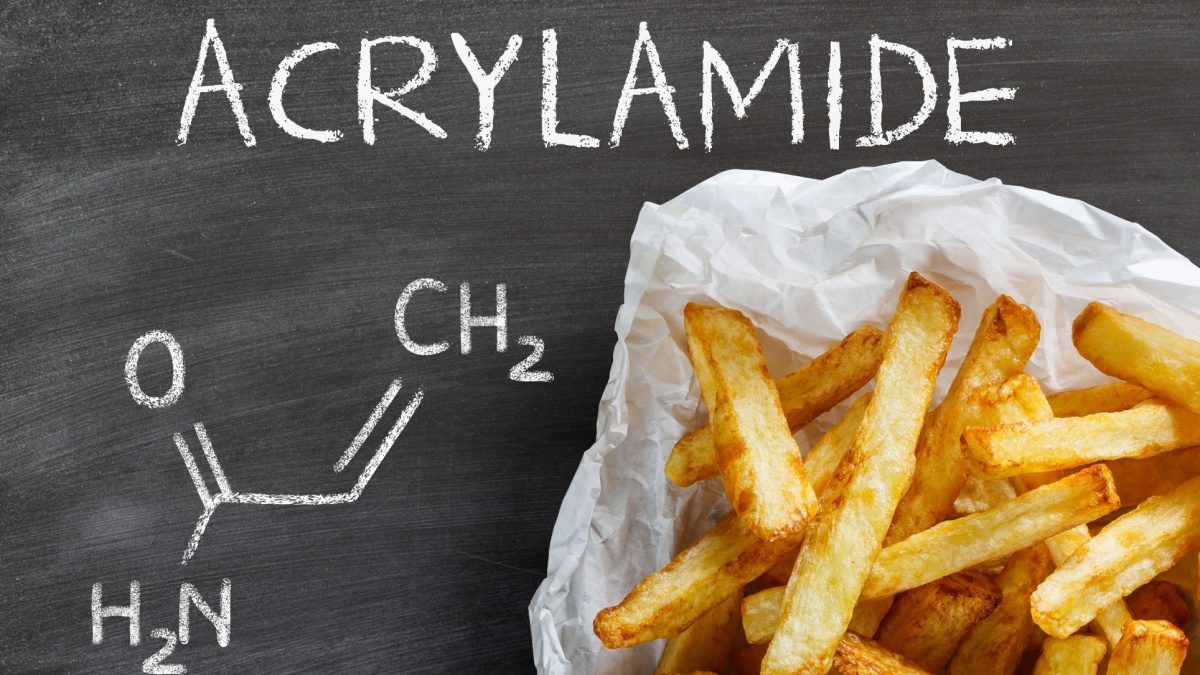
Acrylamide is a chemical formed when starchy foods are cooked at high temperatures, such as in frying or baking. It is a probable human carcinogen and can also cause neurological damage.
Foods like potato chips, French fries, and baked goods are common sources of acrylamide.
BPA (Bisphenol A)
BPA is in the lining of many canned foods and plastic containers. It can leach into the food and act as an endocrine disruptor, interfering with hormone function.
BPA exposure has been linked to various health problems, including infertility, developmental issues in children, and increased risk of certain cancers.
Food Allergens
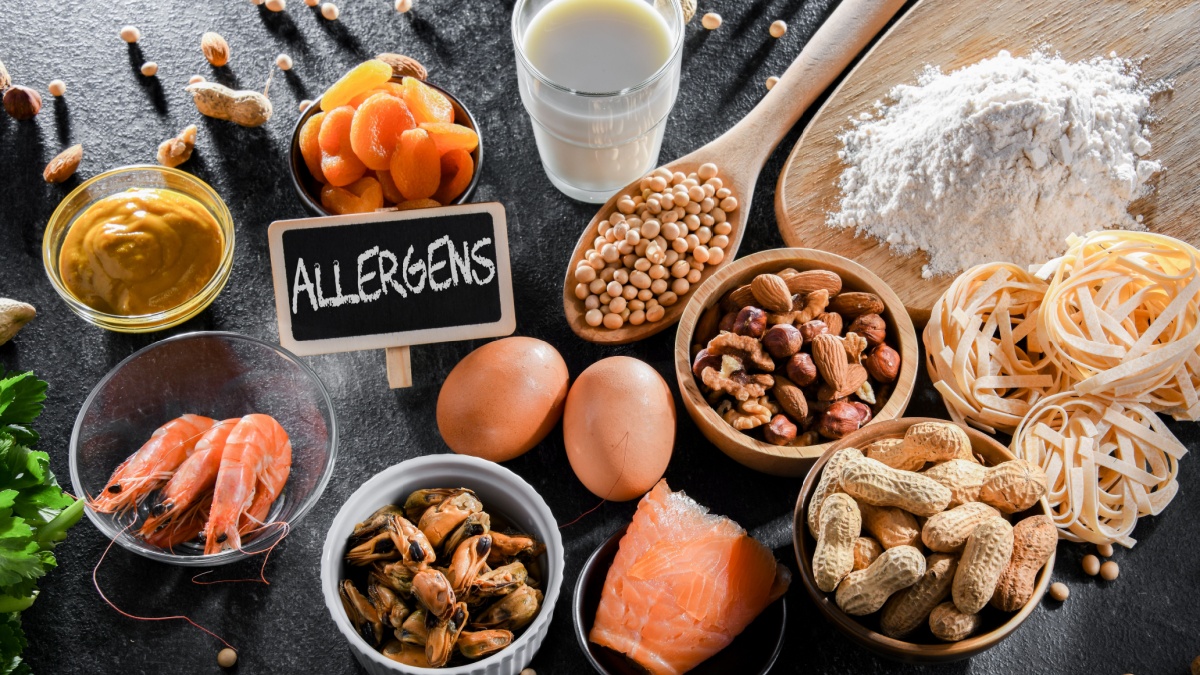
Common food allergens like gluten, dairy, nuts, and soy can be hidden in comfort foods, posing a risk for individuals with allergies or intolerances. Unrecognized food allergies can lead to chronic digestive issues, skin problems, and other health complications.
Reading labels and being aware of ingredient lists can help manage and avoid allergic reactions.
20 Food to Stockpile (For the Best Chance of Survival)
A well-stocked pantry can provide peace of mind and empower you to handle any situation. Whether it’s a natural disaster, economic instability, or simply unexpected guests, having a stash of versatile essential foods can make all the difference.
Here’s a list of 20 of the best foods to stockpile, ensuring you’re ready for whatever comes your way.
20 Food to Stockpile (For the Best Chance of Survival)
12 Everyday Foods Some People Just Can’t Stand

When it comes to their foods, some people are just picky eaters. It’s surprising how certain popular foods can be so divisive. While many people love them, others can’t stand the taste, texture, or even the idea of eating them. Here are some surprising foods that some people just can’t stand.

Leave a Reply