
It’s August, and to the dismay of many, the end of meteorological summer is getting close. Still, that’s no reason to let the end-of-summer blues take hold of you. Late summer is actually prime time for road trips to and in many of our national parks.
In a lot of cases, that’s because the snow hazards in the high country are gone and stream crossings are low, but there are other reasons, too. Let’s look at some national parks that might be at their very best for visitation and exploration in late summer.
North Cascades, Washington
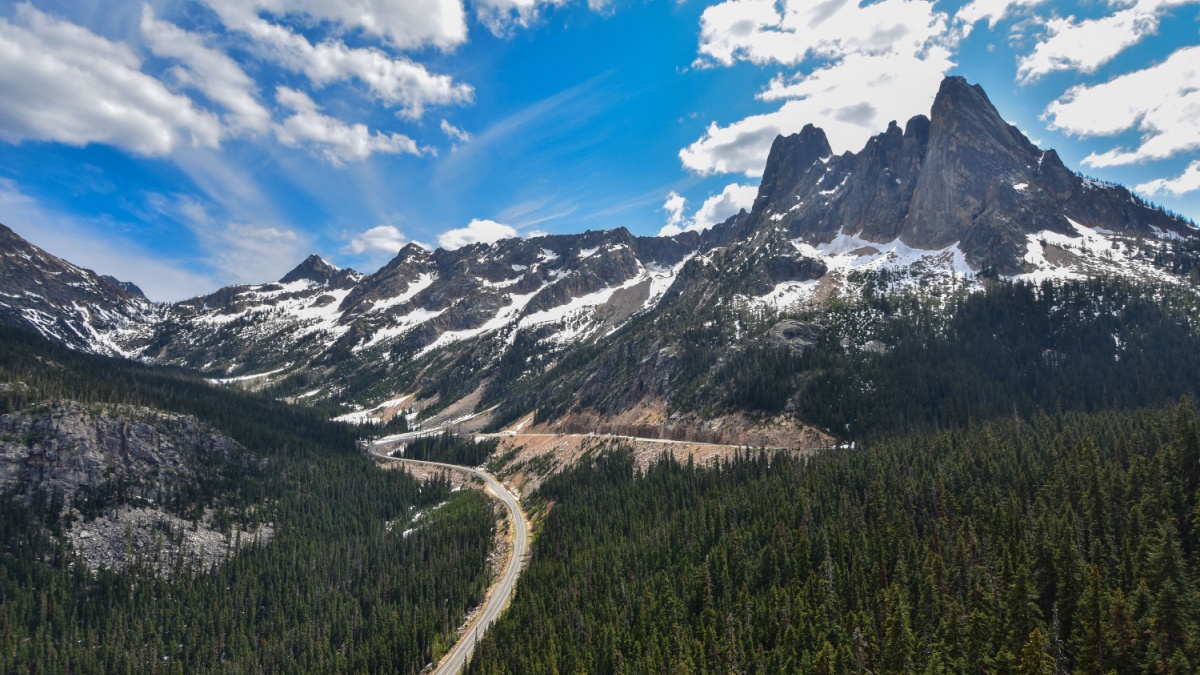
Image Credit: PNW Park Ranger/Shutterstock.
Heavy winter snowfall can linger and block trails and passes well until July, but it’s usually gone or passable in August. Plus, it’s in the middle of the best weather window the Pacific Northwest gets each year.
Mount Rainier, Washington
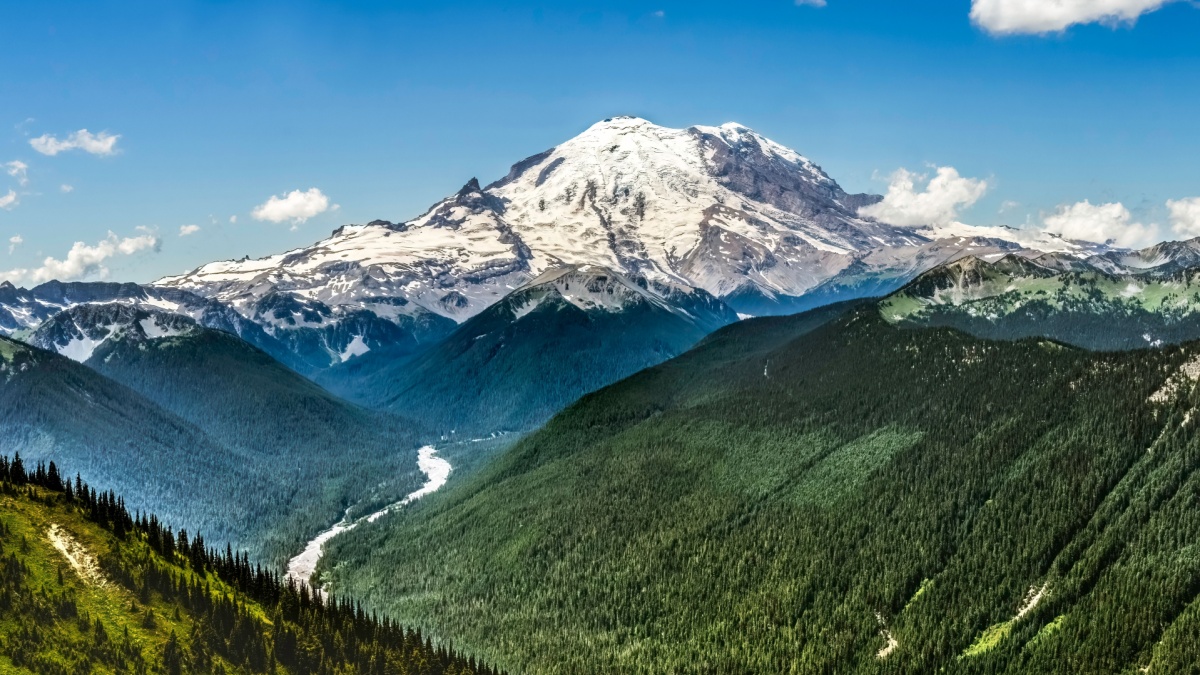
Image Credit: Bill Perry/Shutterstock.
Meadows are filled with colorful wildflower blooms. The weather’s about as good as it gets in the region, meaning many days when the park’s stunning namesake mountain is “out.”
Lassen Volcanic, California
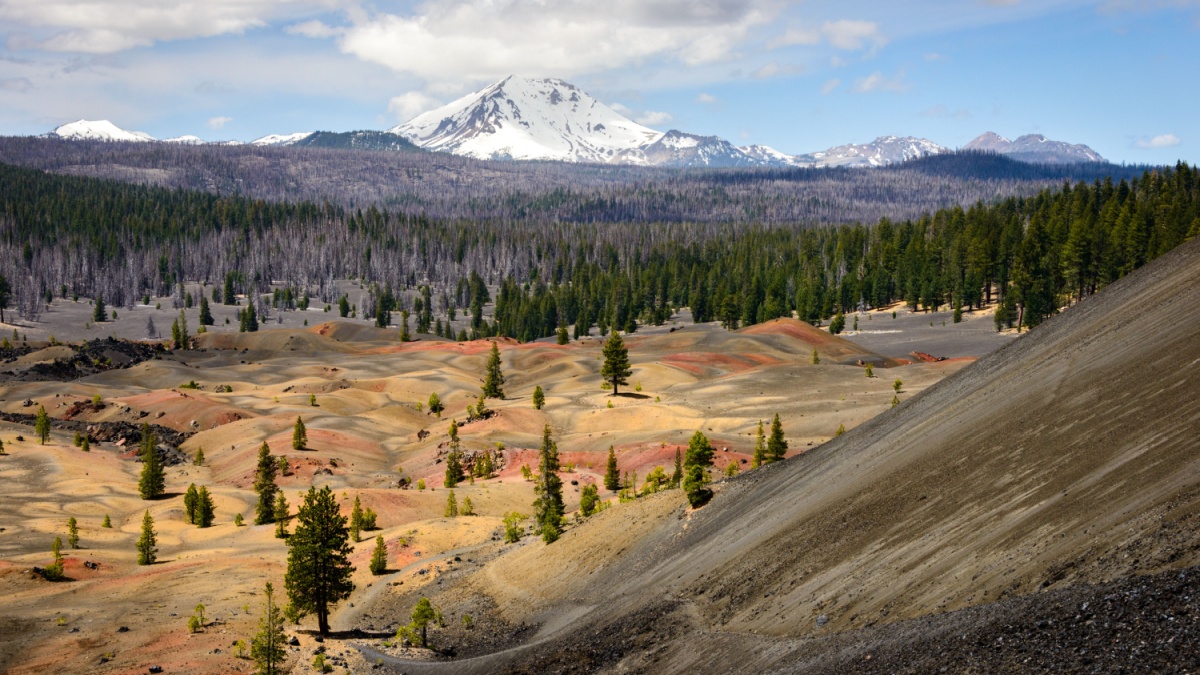
Image Credit: Zack Frank/Shutterstock.
Although it’s the southernmost of the Cascade Volcanoes, Mt. Lassen still gets a lot of snow, and it can hang around deep into the summer. In late summer, it’s not much of an issue anymore, and the dry, sunny California summer is a great time to be here.
Yosemite, California
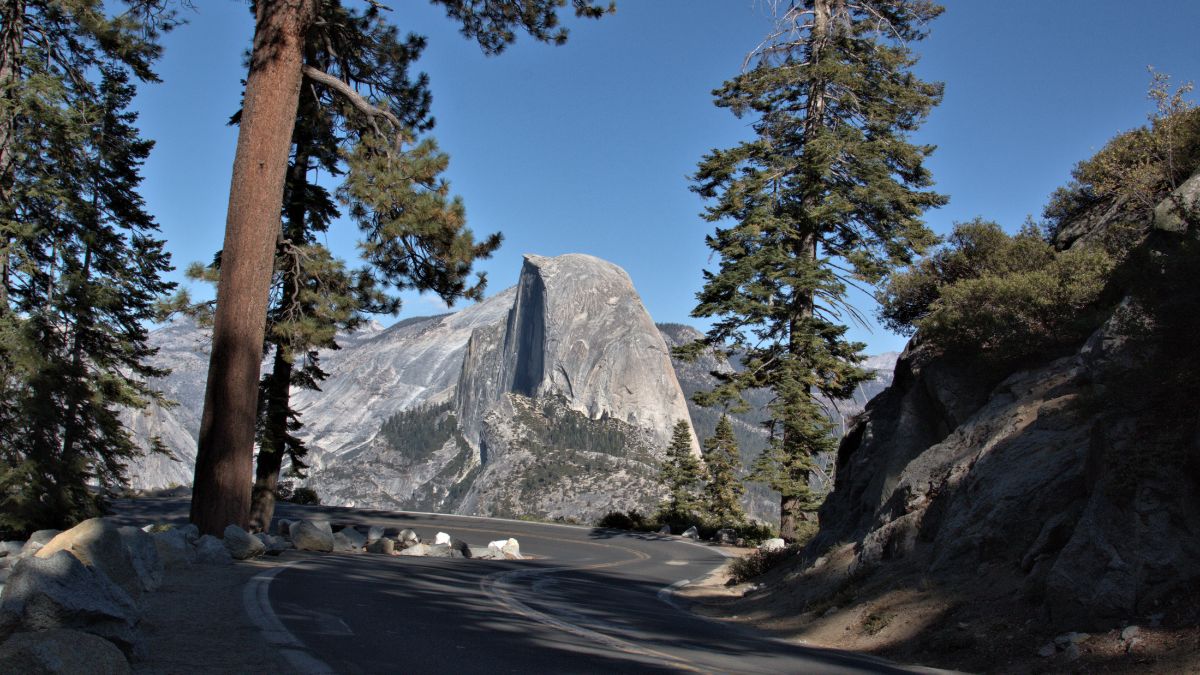
Image Credit: ron99/Shutterstock.
Late summer is actually the worst time to visit Yosemite Valley because it’s hot and waterfalls like Yosemite Falls and Bridalveil Fall all but dry up. However, it’s the peak time to be up in the high country around Tuolumne Meadows and Tioga Pass. The warm, sunny days and clear, chilly nights are just about perfect.
Kings Canyon California
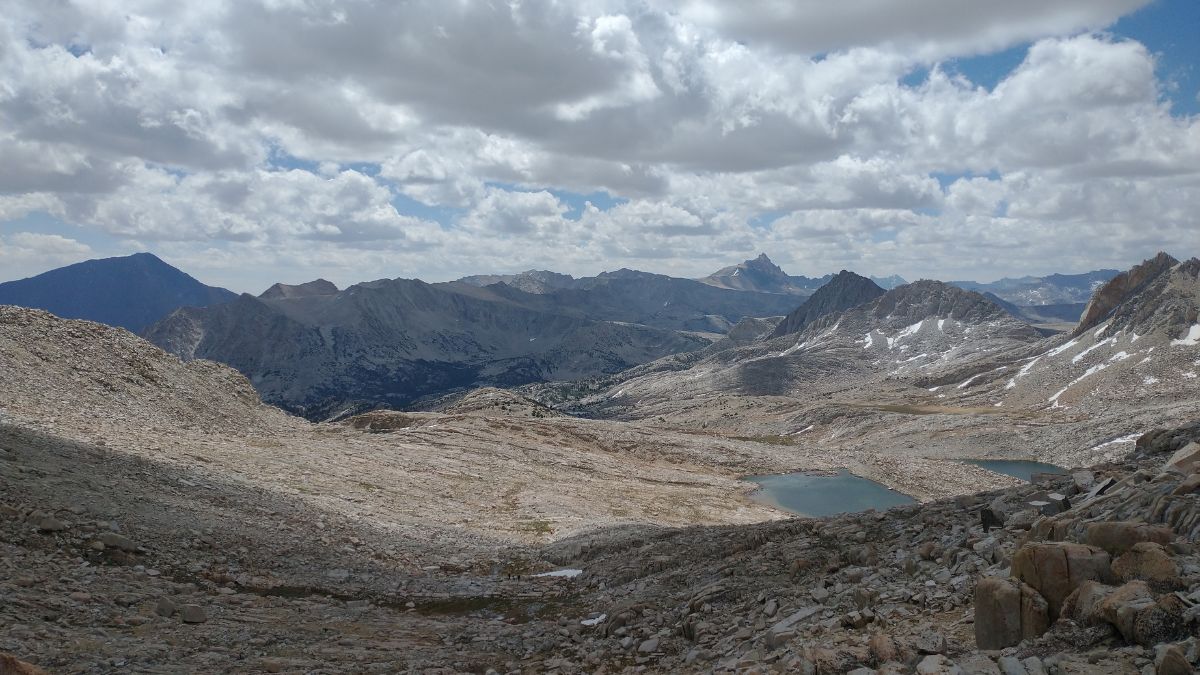
Image Credit: CreatingEzra/Shutterstock.
Although the bulk of visitation to this park concentrates on the sequoia groves on the park’s west side, the majority of the park is in the high country of the Sierra Nevada. Late summer means that snow hazards around some of the highest passes should be gone, and it’s the ideal time for treks deep into the backcountry.
Sequoia, California
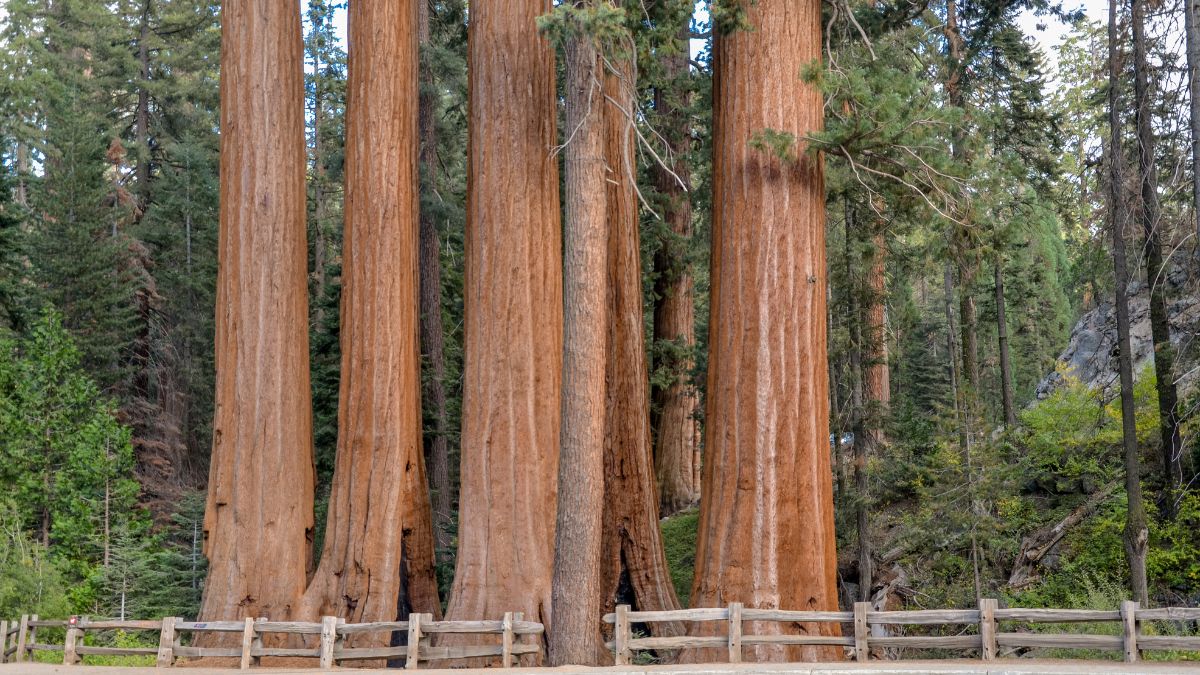
Image Credit: Sergey Malomuzh/Shutterstock.
Sequoia is contiguous with Kings Canyon, and it, too, is busiest at its sequoia groves. Like Kings Canyon, most of the park is up in the mountains, and the conditions that make August great in Kings Canyon are identical in Sequoia.
Glacier, Montana
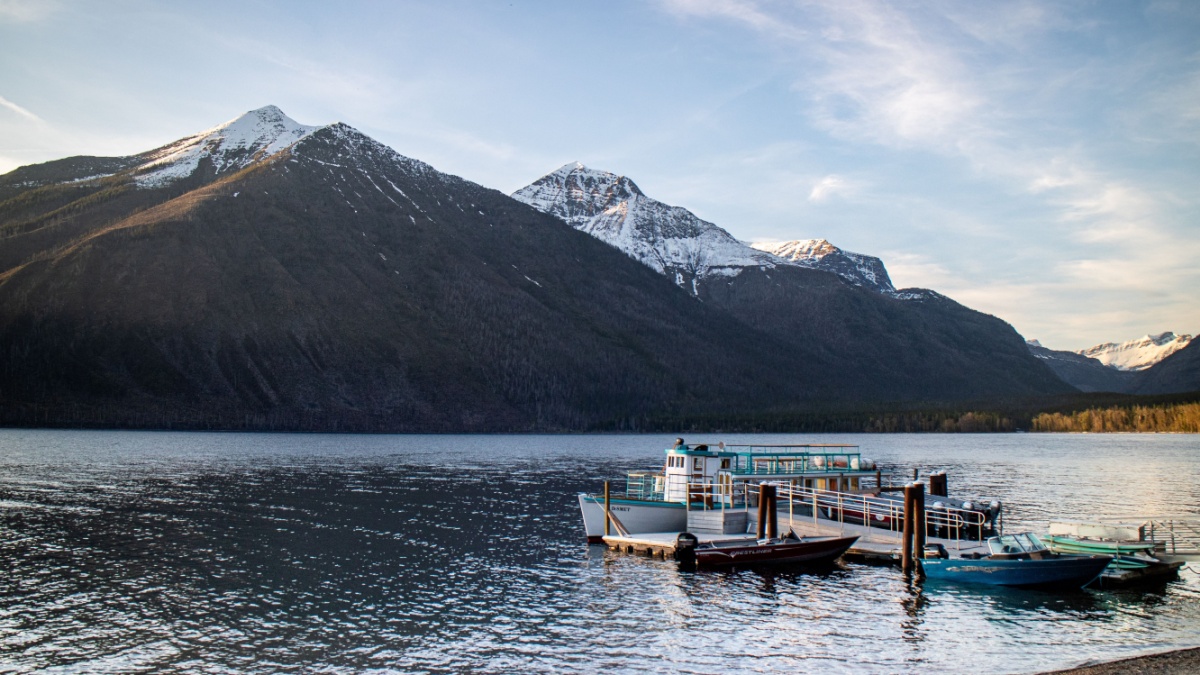
Image Credit: Wichakorn Kitrungrot/Shutterstock.
August in the Northern Rockies brings long stretches of dry, sunny weather. With the trails mostly clear of snow, this stunning park is best for hikers in late summer. Stream crossings that were dangerous in June are also much easier and safer to negotiate.
Yellowstone, Idaho-Montana-Wyoming
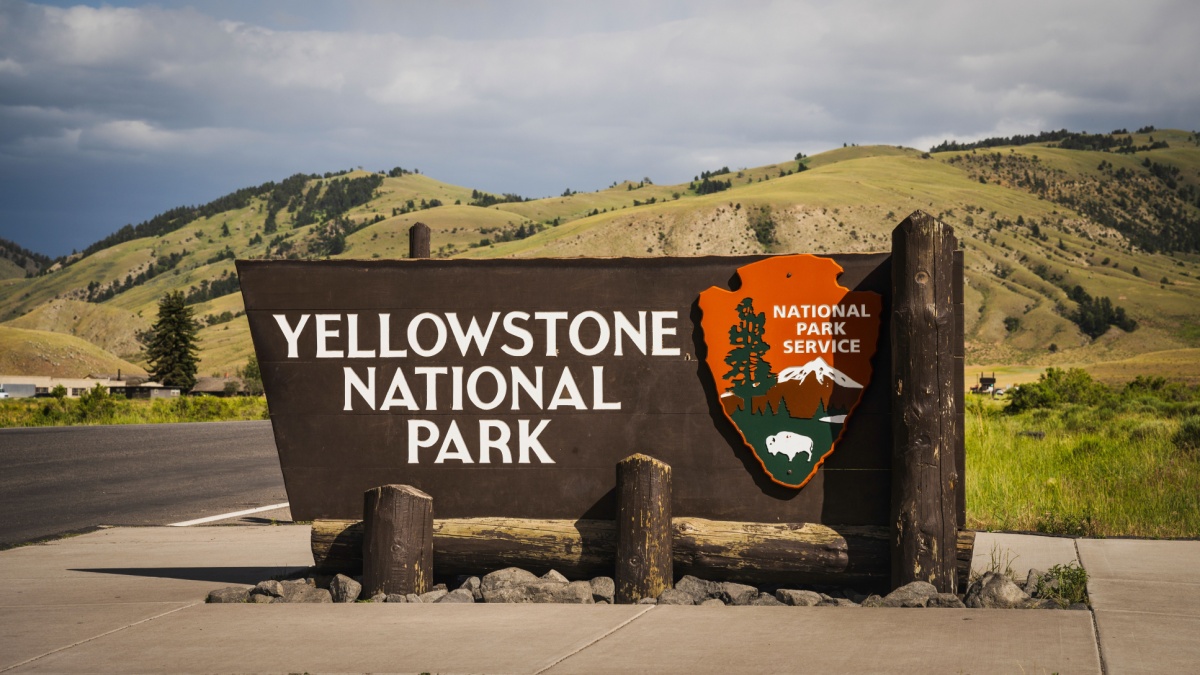
Image Credit: NayaDadara/Shutterstock.
Warm, sunny days are typical here in late summer. It’s also one of the best times to see bears. They instinctively know winter is approaching, so they’re more active as they attempt to fatten up before heading to their dens for the long, frigid winter not far away.
Grand Teton, Wyoming
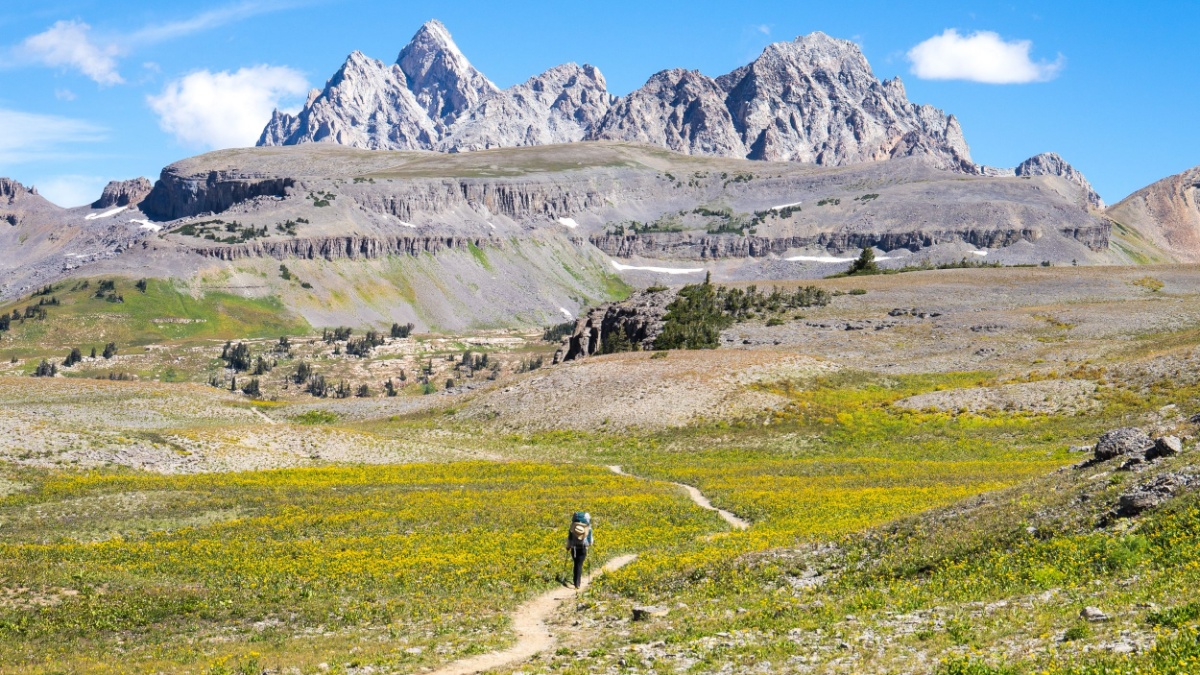
Image Credit:aaronj9/Shutterstock.
The Tetons are a wall rising past the Idaho plains, and warm air rises up against them, often developing into thunderstorms, so the weather is not as consistently dry as it is in most of the rest of the Northern Rockies. However, the snow accumulation that can require ice axes at the high divides into mid-July is usually no longer an issue, so it’s the best time for backcountry forays since winter snows usually start in September.
Voyageurs, Minnesota
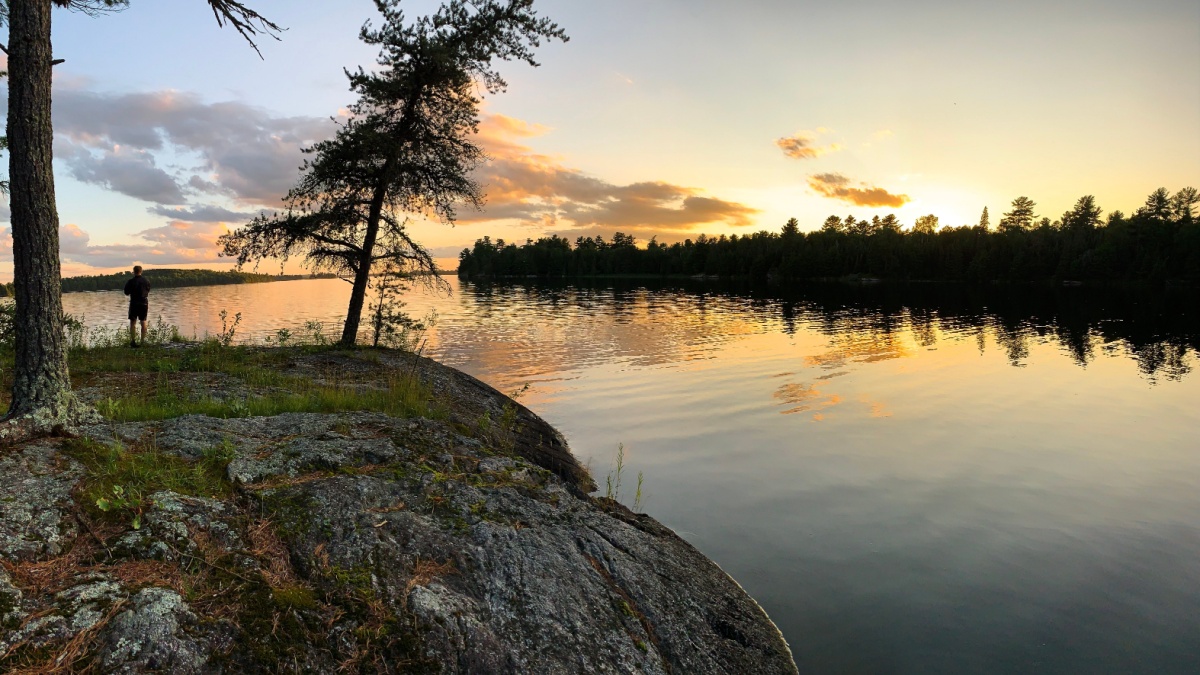
Image Credit: Deborah Housten/Shutterstock.
The plague of the Upper Midwest and New England in early summer is the blackflies. They deliver a painful bite, seem to be everywhere, and aren’t deterred by bug spray that much. They’re mostly gone by late summer, which makes then and early fall the best times to visit this watery park as well as the next two.
Isle Royale, Michigan
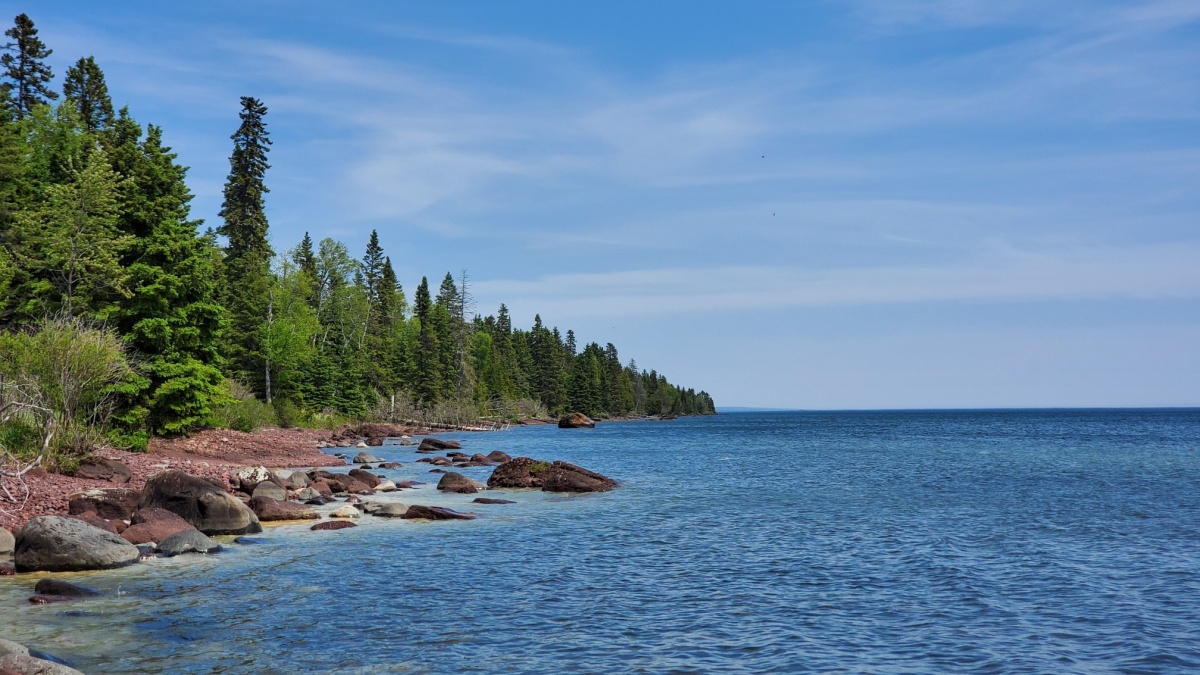
Image Credit:F. Setiawan/Shutterstock.
Like Voyageurs, Isle Royale is among the most sparsely visited national parks. That’s mostly because it’s out in Lake Superior, so access to this large island with lakes of its own is only by boat or seaplane.
Acadia, Maine
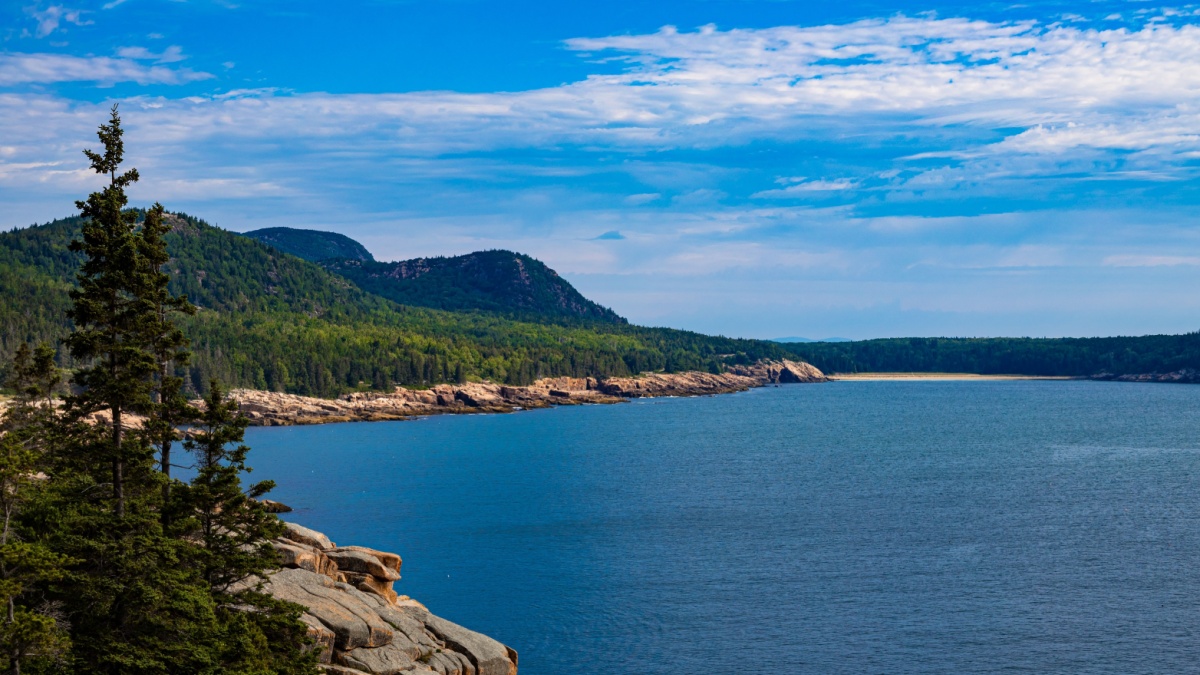
Image Credit: Rachel Anne Photography/Shutterstock.
Acadia is on the Atlantic coast and has sandy beaches, tide pools, and cliffs relentlessly pounded by the ocean. Inland, there are woods and lakes to enjoy, and the summit of Cadillac Mountain is one of the first places in the mainland U.S. to be touched by sunrise at this time of year.

Leave a Reply