
Yosemite National Park is one of the world’s most beautiful places. It’s also one of the “Big Three” national parks along with Grand Canyon and Yellowstone. Accordingly, it’s one of most heavily visited national parks, ranking among the five busiest every day.
As beautiful as Yosemite is, it’s not really that much fun to spend much of your time there dealing with slow traffic and parking challenges. So here are some places and ways to reduce those stresses and escape the worst of the madness.
Avoid Popular Spots at the Busiest Times
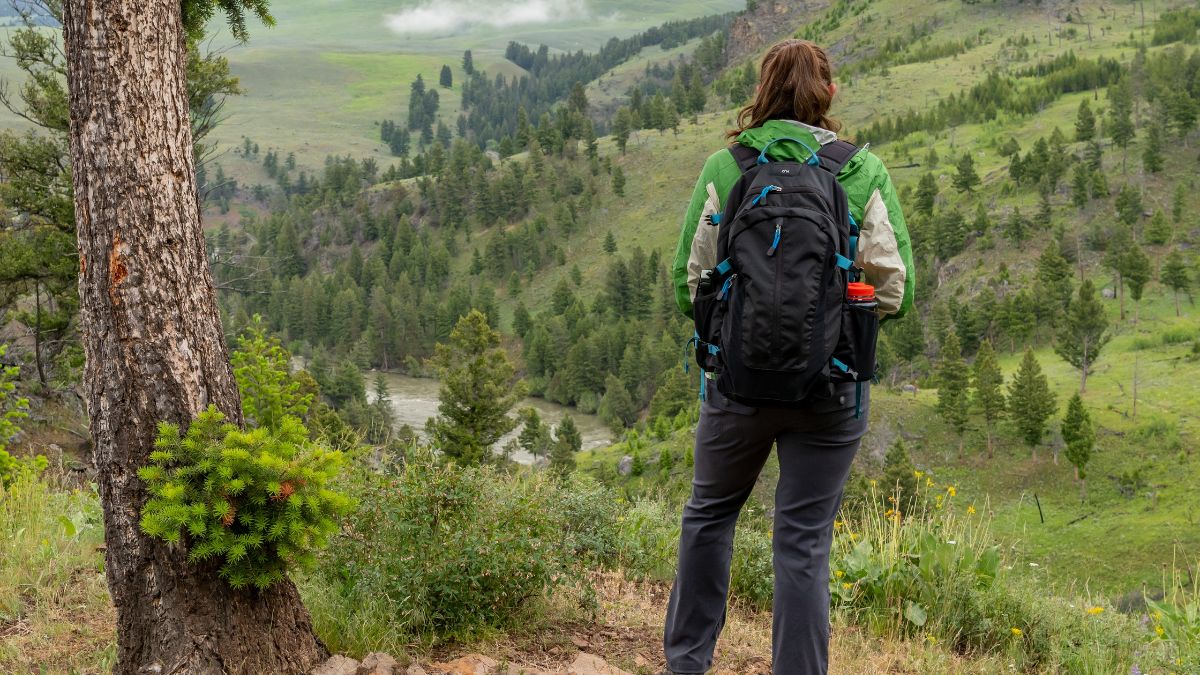
Image Credit: Kelly vanDellen/Shutterstock.
Most visitor activity in the park occurs between breakfast and dinner hours. Visiting the popular attractions in Yosemite Valley before and after those times of day will make you a lot happier.
Go for Longer Hikes
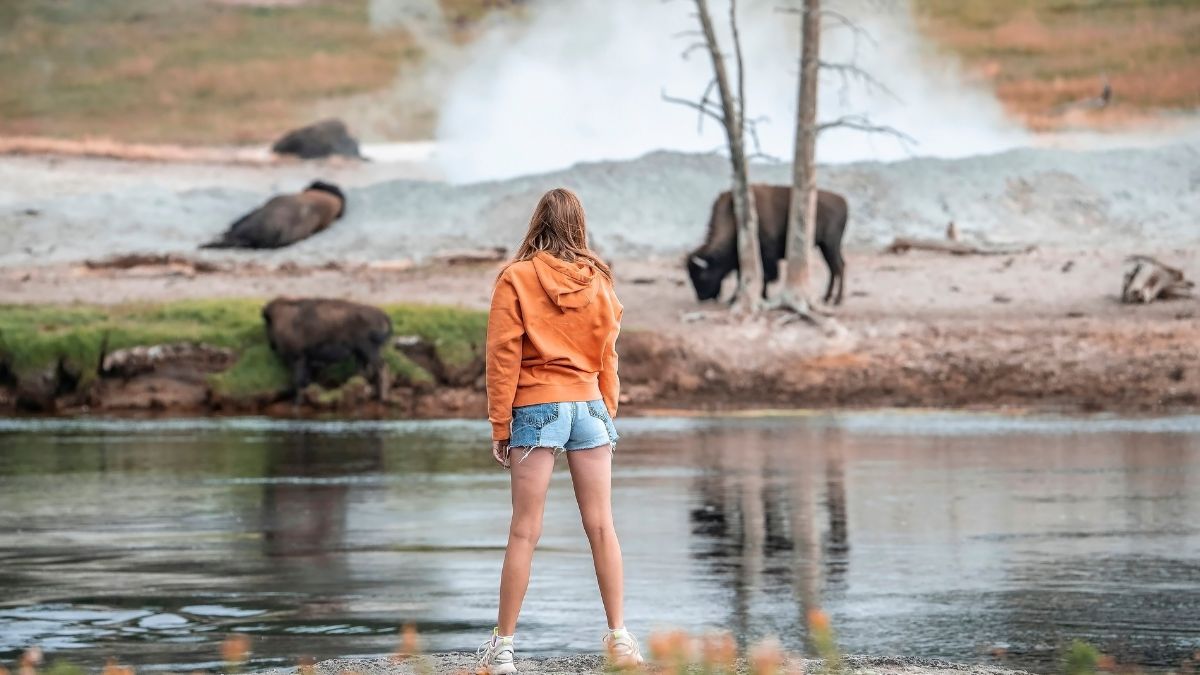
Image Credit: Pandora Pictures/Shutterstock.
It’s a simple fact of the outdoors that the farther you hike from a trailhead, the fewer other people you’ll see. Some suggestions will follow, but you can also pull out a good map or ask a park ranger for ideas.
Hike to the Top of Yosemite Falls
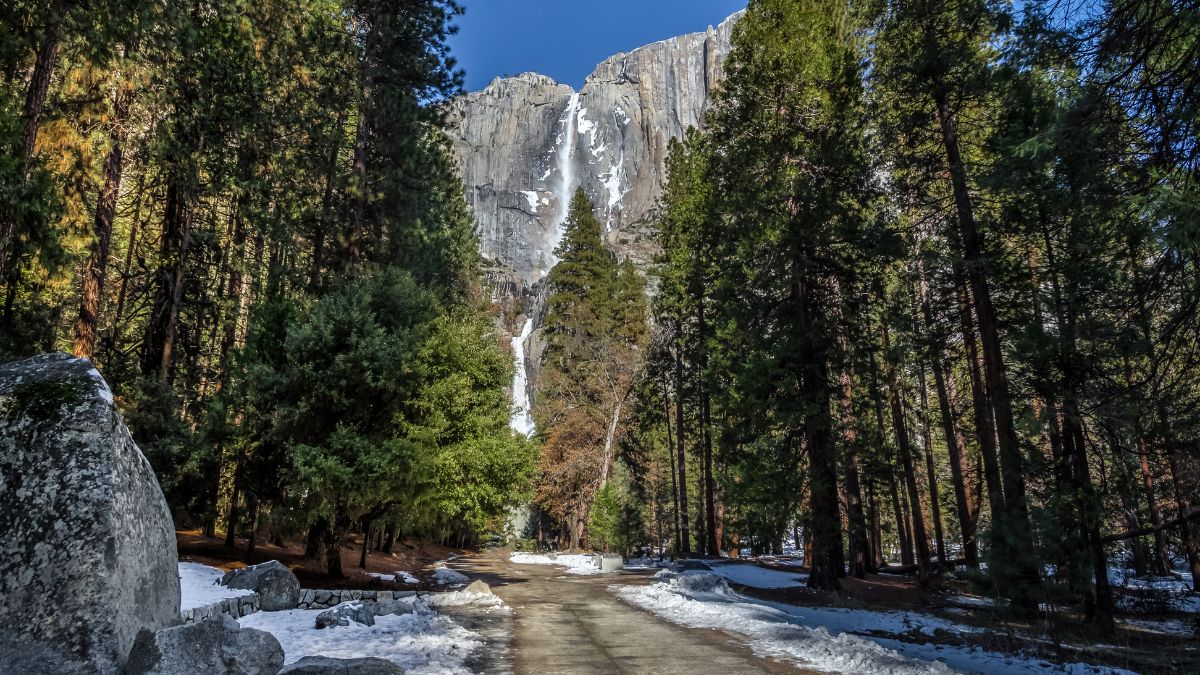
Image Credit: Diego Grandi/Shutterstock.
Yosemite Falls is the tallest waterfall in California and among the tallest in the world. Most people see it from numerous vantages in the Valley and from the Lower Falls Overlook, which is almost always mobbed. There is, however, a trail that goes to the very top of the falls, where you can see it run from a pool and plunge over its first, highest drop. It’s steep and fairly long for a day hike, and in summer it’s hot, so this trail doesn’t get too busy.
Scramble to the Base of Bridalveil Fall
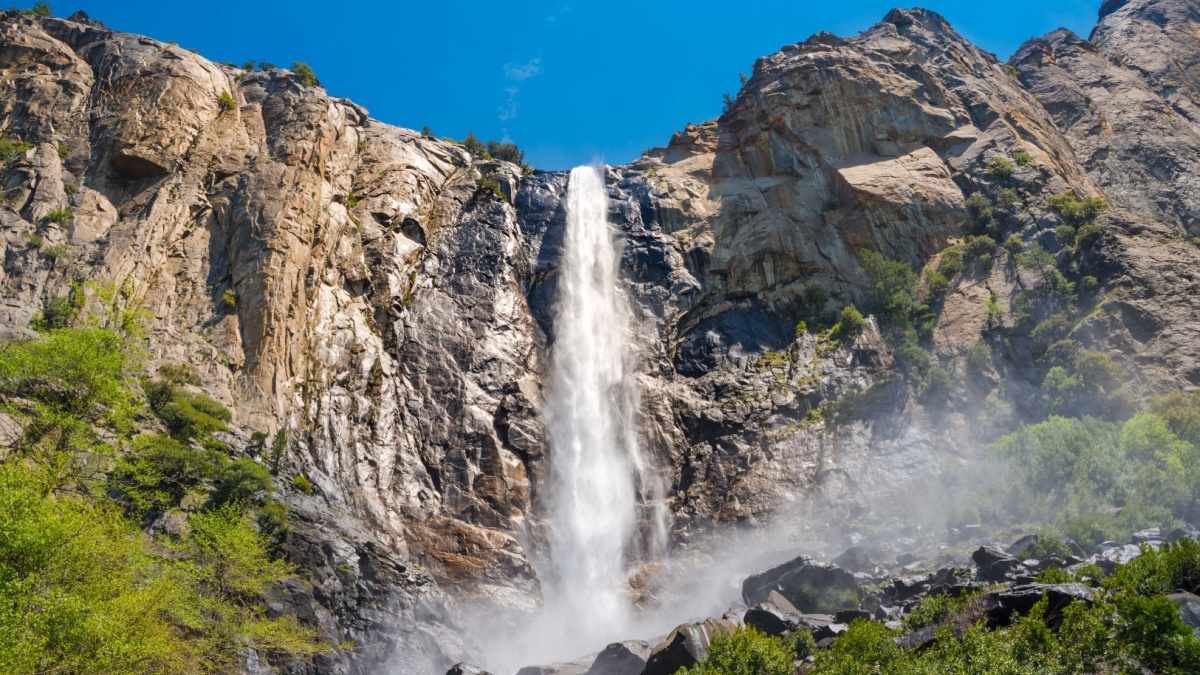
Image Credit: Alexander Demyanenko/Shutterstock.
Bridalveil Fall is the wispy waterfall that’s the first major stop after you drive into Yosemite Valley. A short, easy trail leads to a viewing platform, but if you want to get away from all the people there and experience this waterfall more intimately, you can continue past the platform up the creek to the actual base of the falls, where icy-cold pools beckon. This little outing involves scrambling on slippery rocks, stream crossings with swift currents, and the likelihood of getting soaking wet, so this is for summer only and not for casual hikers.
Do the Mist Trail
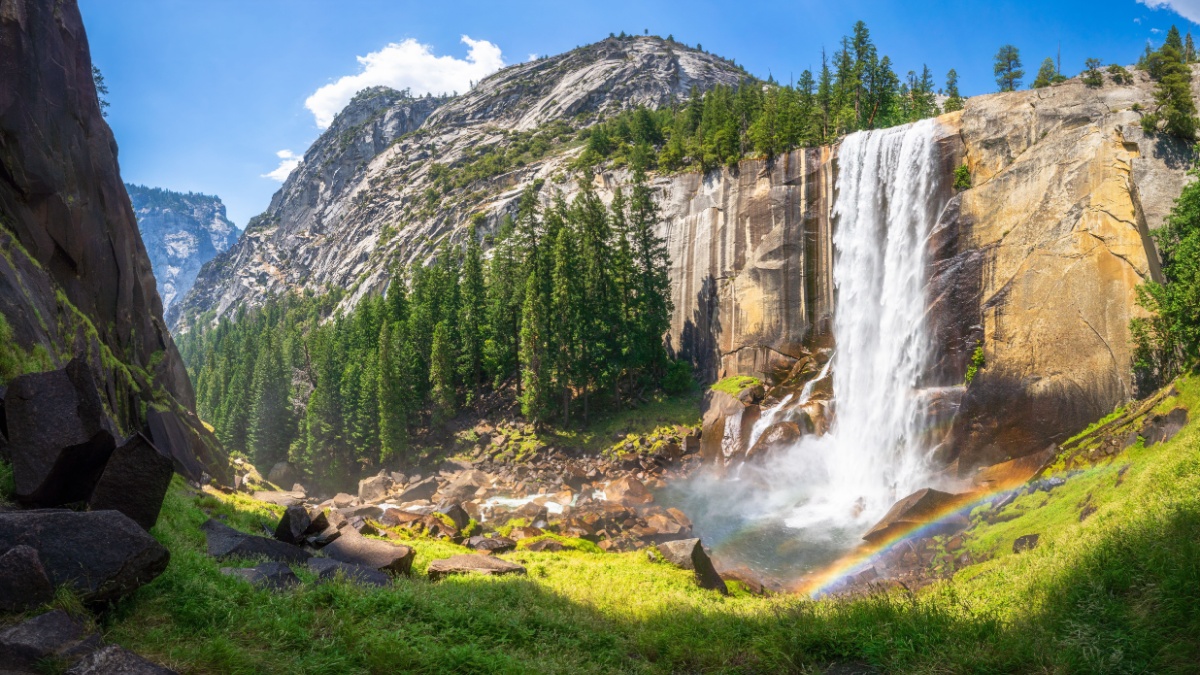
Image Credit: cb_travel/Shutterstock.
The Mist Trail takes you to Vernal Fall and Nevada Fall, two high waterfalls not visible from the road in Yosemite Valley. To lengthen the trip, you can combine it with portions of the John Muir Trail to make a nice loop that will also include views of granite domes from open slabs.
Try Some Rock Climbing
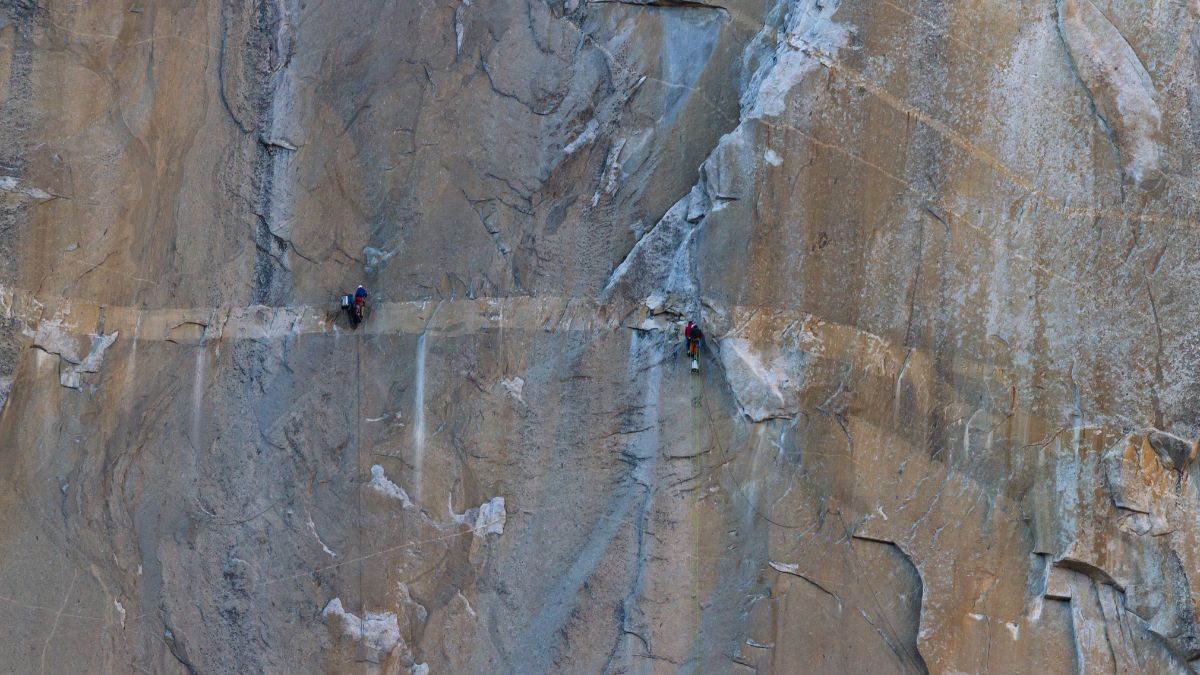
Image Credit:
Nature’s Charm/Shutterstock.
Yosemite Valley is considered the birthplace of American rock climbing, and many legendary climbers have pushed the limits here. You don’t need to be an expert to enjoy climbing here, though, as there are routes for almost any ability level. Certified and seasoned guide services are available to take you out in small groups and make sure you stay safe and have fun.
Sentinel Dome and Taft Point
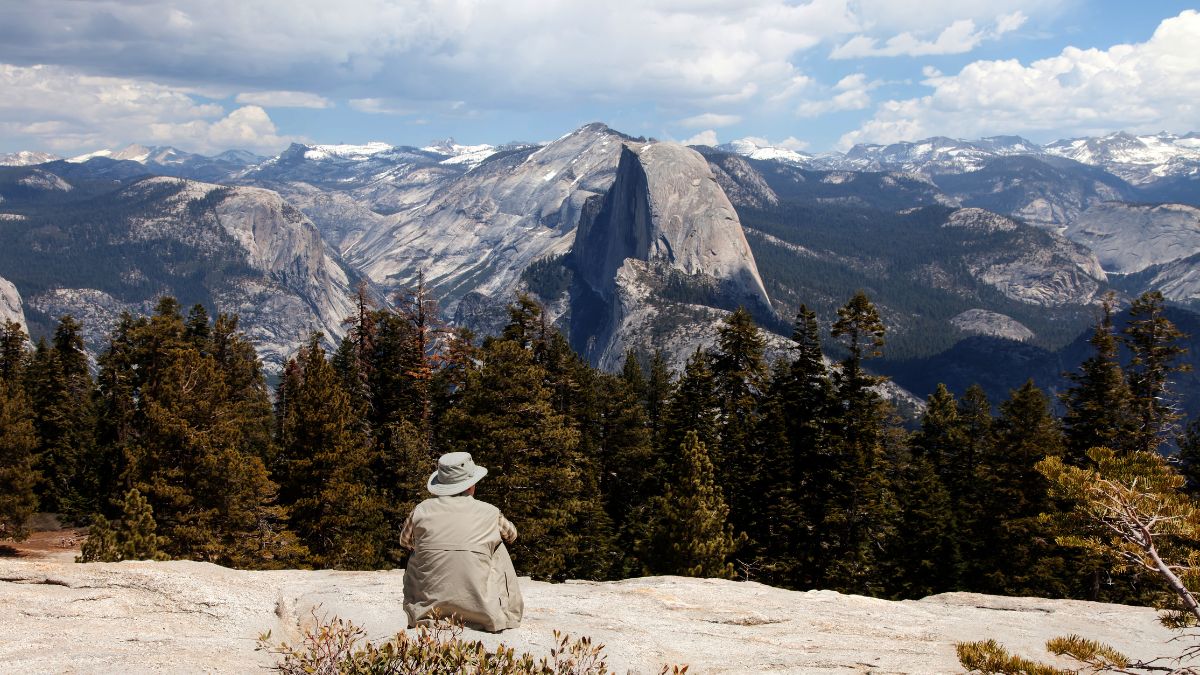
Image Credit: Gail Johnson/Shutterstock.
The view from Glacier Point is amazing and worth seeing, but forget about peace and quiet there. Along the drive to it, though, there’s a trailhead with hikes to these other spots. Both have stunning views of Yosemite Valley without the Glacier Point crowds.
Visit the Tuolumne Grove
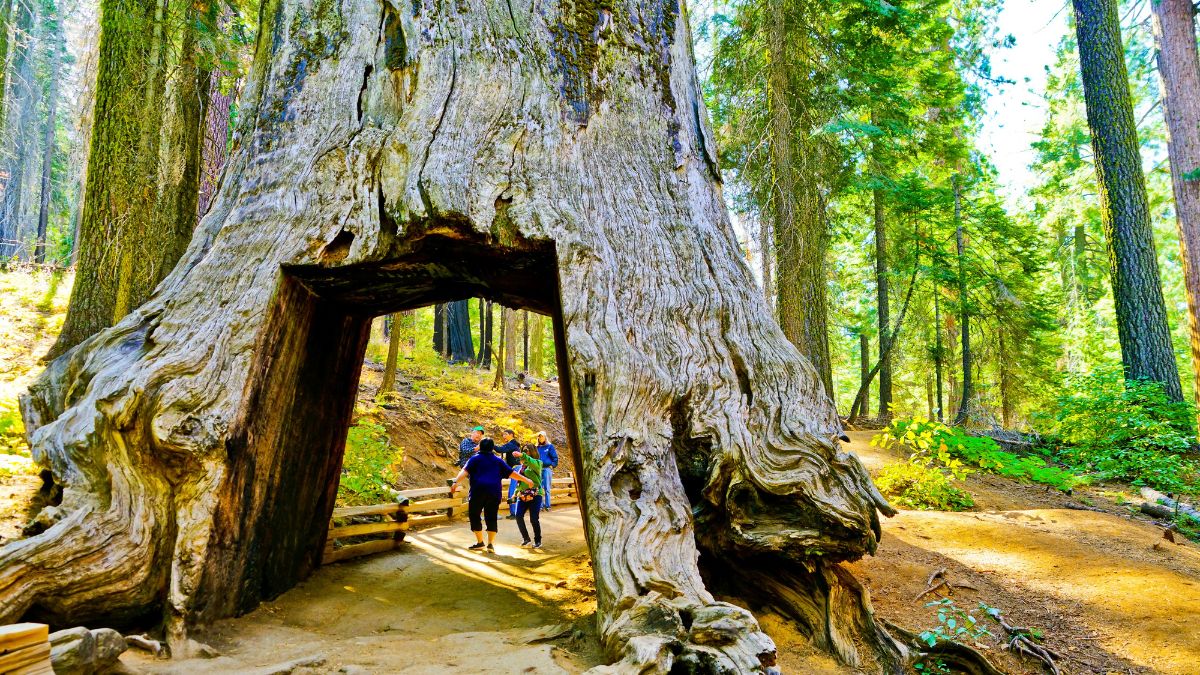
Image Credit: Javen/Shutterstock.
Sequoia National Park may be named for the world’s largest trees, but Yosemite has sequoia groves, too. The best-known is Mariposa Grove near the southern entrance, but if you’re driving between Yosemite Valley and the high country around Tioga Pass, you’ll pass the turnoff to the Tuolumne Grove. The hike here won’t add too much time to your day, and you really have to see these giants to appreciate how huge they are.
Tenaya Lake
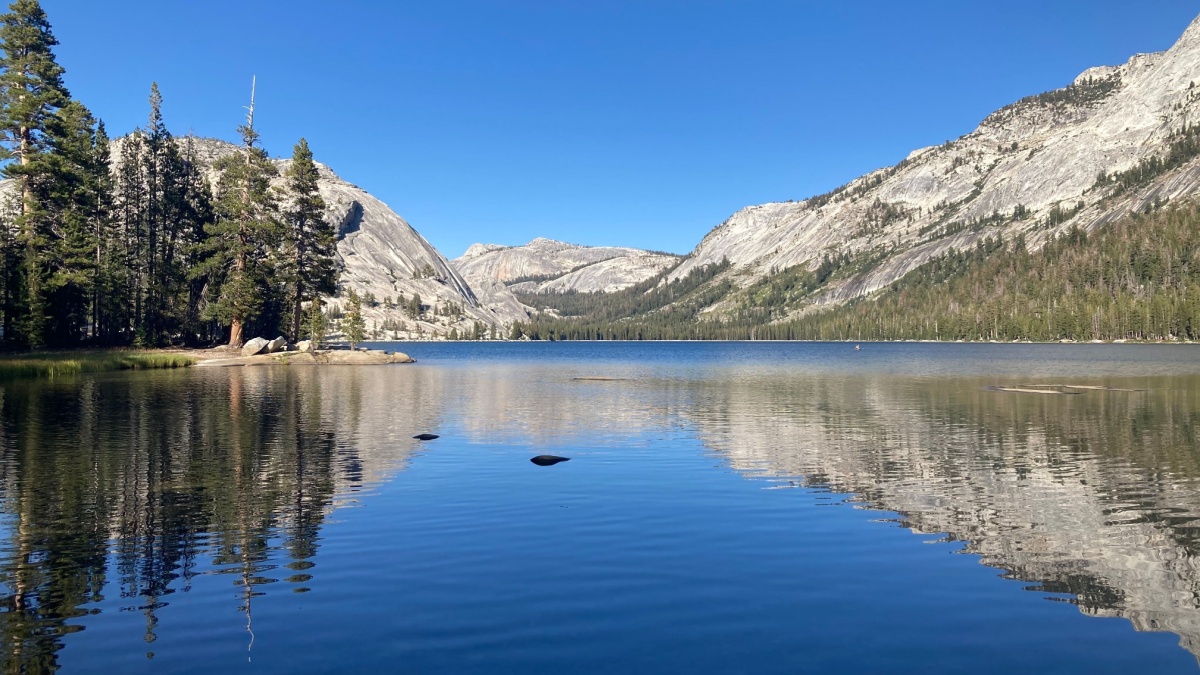
Image Credit: Sofia Badi/Shutterstock.
Tenaya Lake is a roadside gem up in the high country and only accessible to vehicles in the summer. The waters are cold, but that doesn’t stop the beach along its shores from getting pretty packed. An alternative to that is to use one of several roadside pullouts to access the lake. You might not be the only ones there, but it won’t be jammed with people.
Pothole Dome
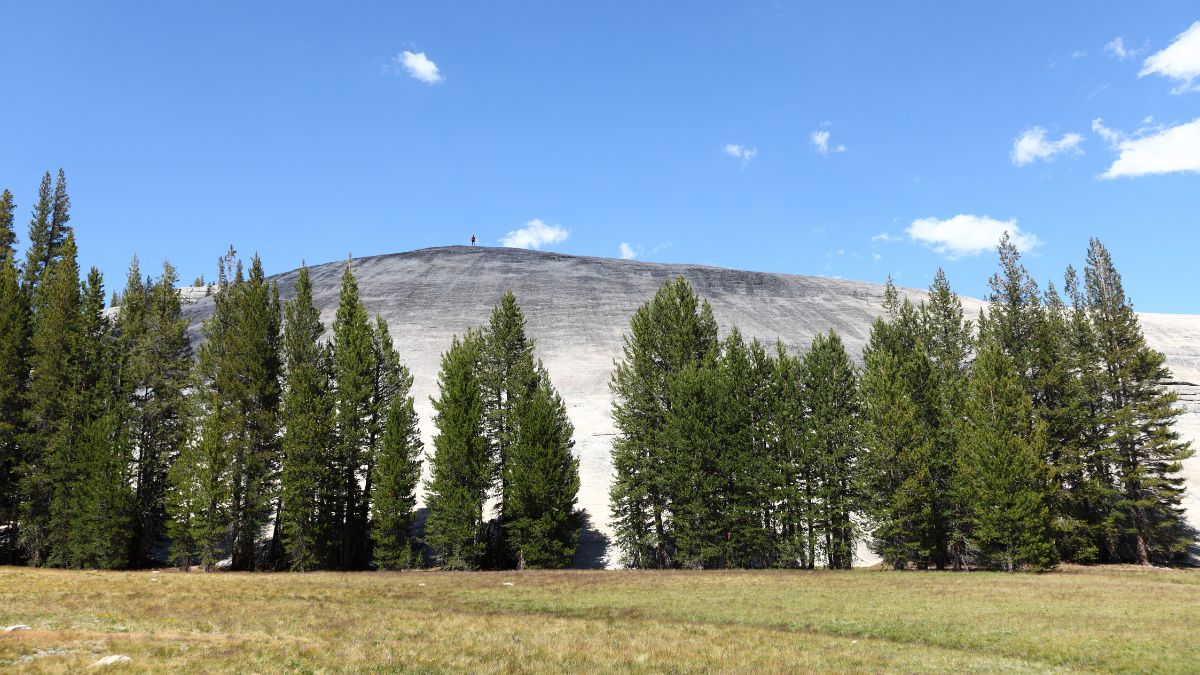
Image Credit: Maridav/Shutterstock.
The Tuolumne Meadows area is studded with granite domes, but the only one with an official trail up it is Lembert Dome (some of the others have trails that climbers use for descents). Pothole Dome is one of the lowest domes in the area, but it’s easy to access and has great views. Its name refers to the numerous depressions on top that hold rainwater for days or weeks after storms.
Echo Peaks
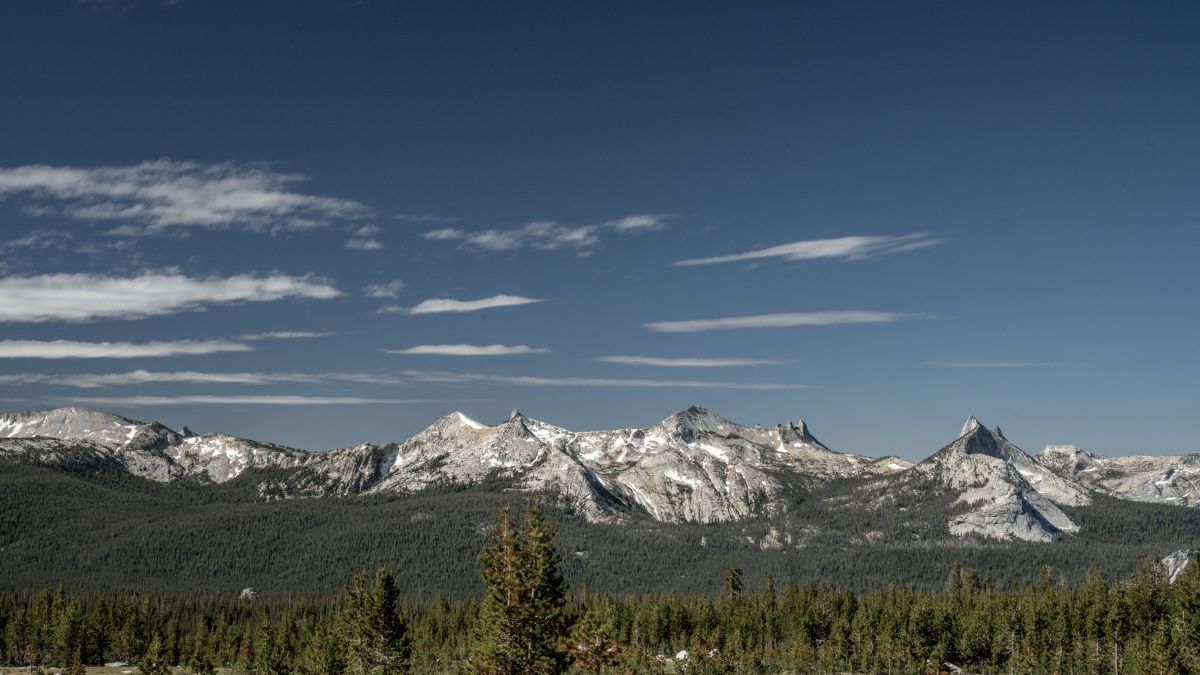
Image Credit: Kelly vanDellen/Shutterstock.
A lot of maps don’t show it, but there is an unsigned trail up the Budd Creek drainage that takes off not far along the super-popular Cathedral Lakes Trail. After reaching Budd Lake, a pretty alpine jewel, you can continue up steepening slopes to the Echo Peaks, a spectacular group of summits not visible from roads. You can also make a longer loop. My family and I, after hanging out at the Echo Peaks for a bit, made our way cross-country until we could descend slabs to Cathedral Lake and then back to the car. Between cutting off to Budd Creek and reaching Cathedral Lake, we saw no other people. That was my third trip to the Echo Peaks, and the only other people I’ve ever seen there were those who were with me. You also get jaw-dropping views of Cathedral Peak out here.
Elizabeth Lake
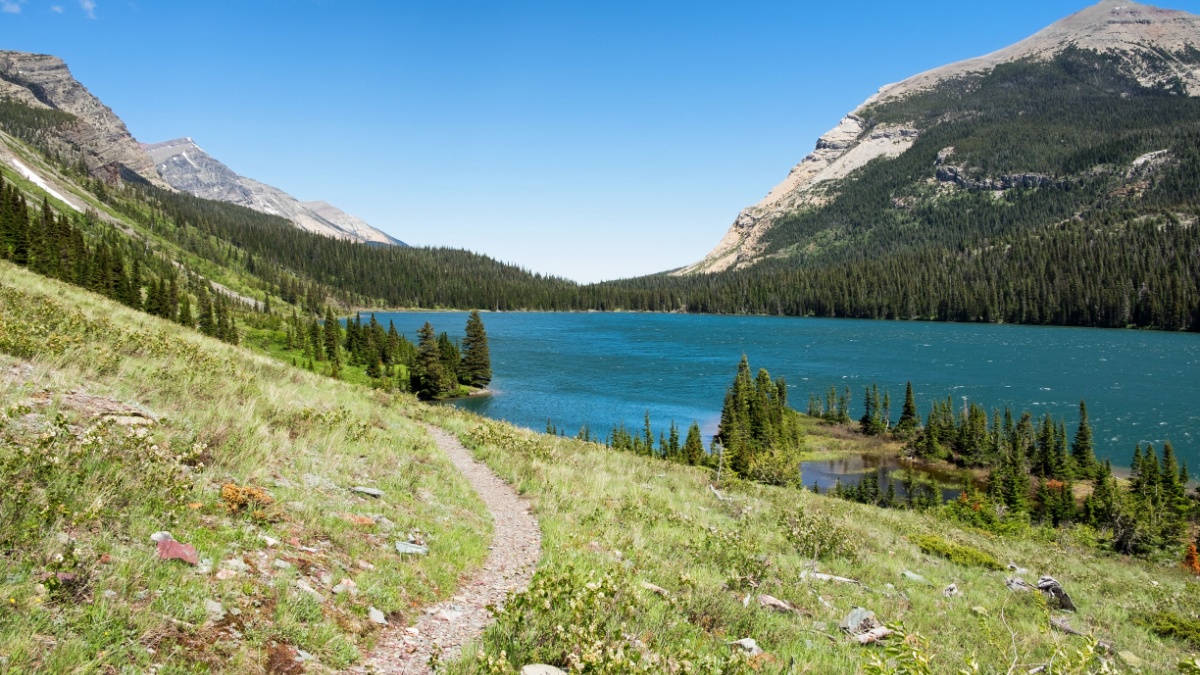
Image Credit:Ramle/Shutterstock.
If Budd Lake and the Echo Peaks seem like more than you want to commit to, try the nearby trail to Elizabeth Lake instead. It’s short and easy and leads to a pretty lake beneath Unicorn Peak. This is a great alternative to the very busy Cathedral Lake Trail.
Sierra Crest
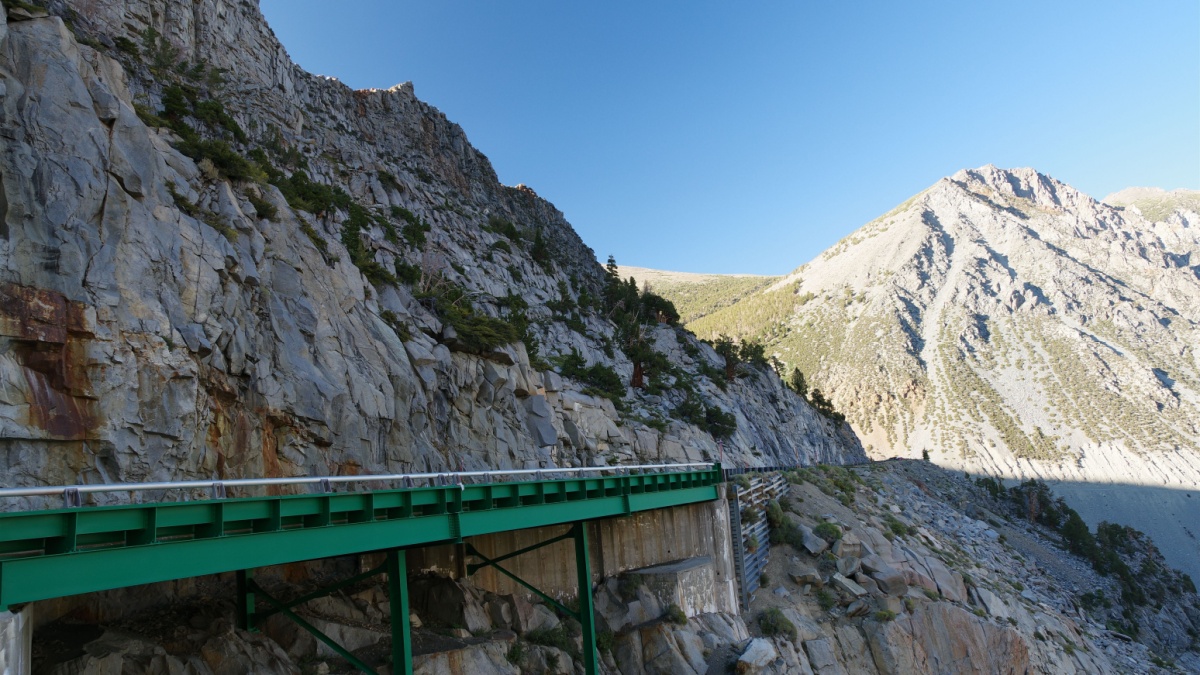
Image Credit: Dmitry Voloschenko/Shutterstock.
Just inside the park at the Tioga Pass entrance station, a trail takes off south to Mount Dana. This very steep trail is nevertheless very popular because it’s one of the few summit hikes in the park and Dana is the highest peak in the park you can get to via a day hike. Instead, take the trail to the north and bear right for the Sierra Crest when it forks. In less time, distance, and effort than it takes to climb Dana, you’ll enjoy views from the crest and can then head back. You won’t see too many other people up there, and it will definitely be much less busy than the trail up Dana is.

Leave a Reply