
We all love our furry friends and wouldn’t mind sharing tiny bits and pieces of food when we’re eating. While this may all be innocent, and you may be giving your dog foods that are okay, certain foods can be poisonous to dogs.
Dogs may react differently to food depending on the type, ingested amount, and size.
Read on as we discuss the three common foods dogs shouldn’t eat.
Yeast Dough

Yeast dough can expand in the stomach, causing pain and potentially leading to a life-threatening condition called gastric dilatation-volvulus (GDV). Fermentation can also produce alcohol, leading to alcohol poisoning. Make sure your kids stay away from anything made with this.
Caffeine
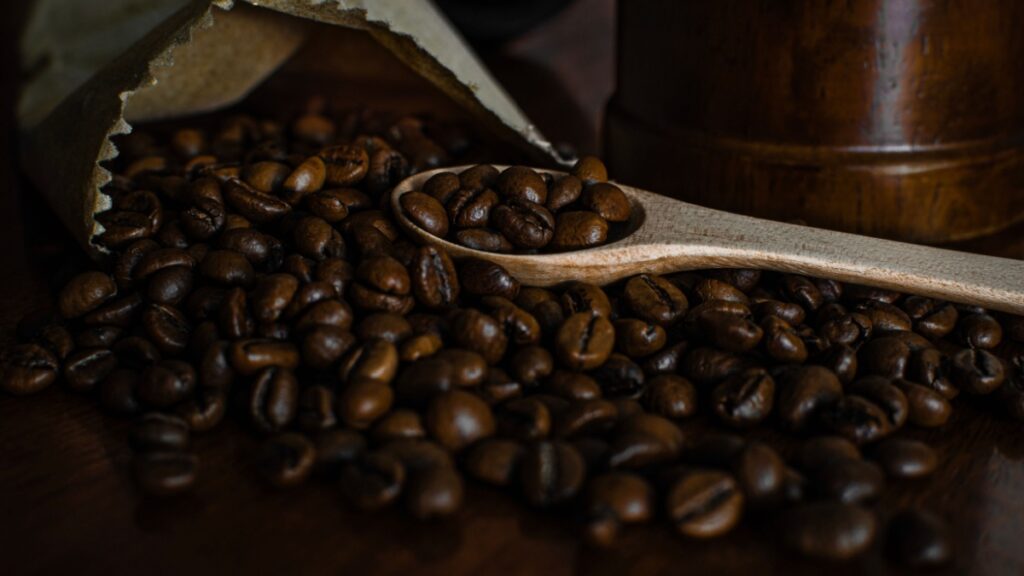
Found in coffee, tea, and certain sodas, caffeine can cause restlessness, rapid breathing, heart palpitations, muscle tremors, and bleeding in your dog. So don’t let them take a sip when you do- even if they beg!
Nuts
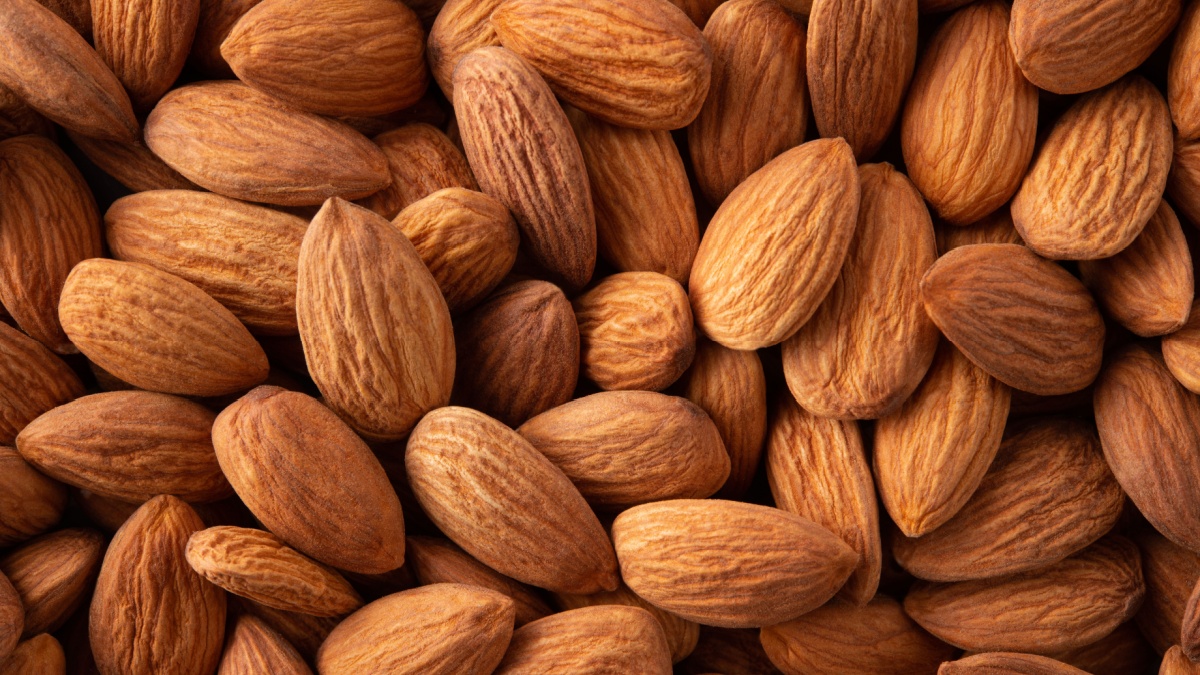
While dogs can have a moderate quantity of peanuts and roasted chestnuts, they cannot have other nuts like pistachios, macadamia, or walnuts. Most nuts are high in calories and fat, which can cause diarrhoea, vomiting, and obesity. Nuts like almonds and macadamia pose a choking hazard and can block a dog’s intestines or oesophagus.
Some nuts have excessive salt, which can lead to sodium ion poisoning. Your dog can also suffer from pancreatitis, gastrointestinal disorders, water retention, and other complications. Veterinarians advise giving your pet-approved dog treats instead of nuts. Most treats have fewer calories and fat and do not pose any choking hazard.
Onions, Leeks, Garlic, and Chives
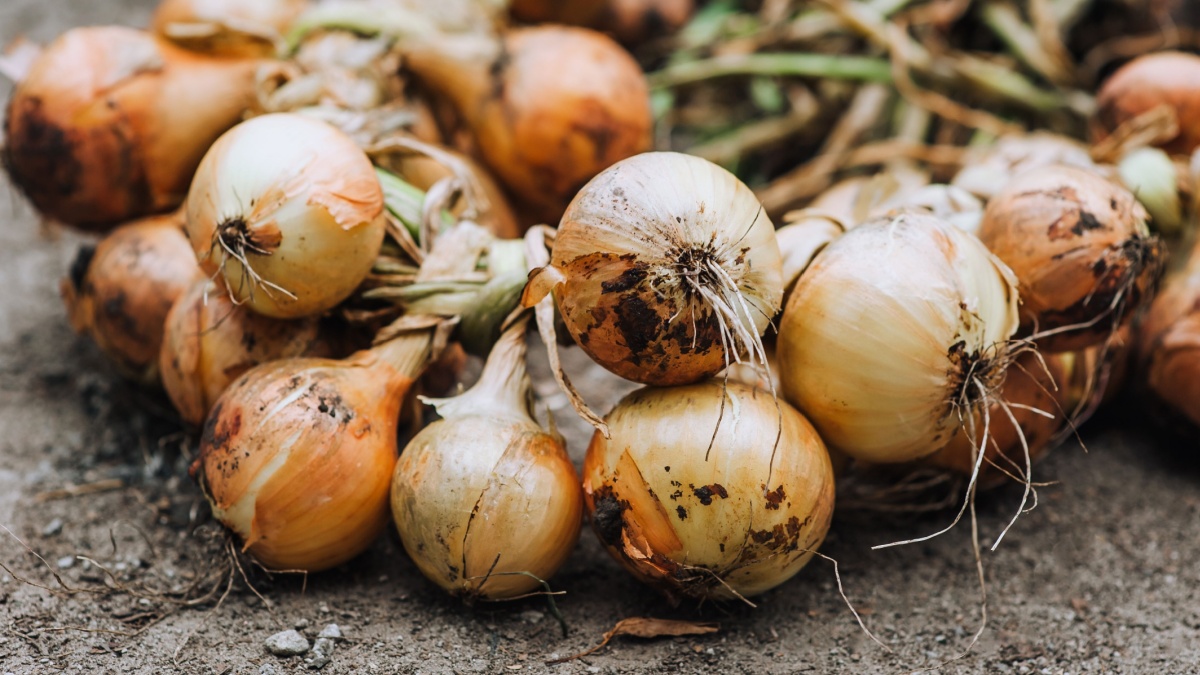
Kitchen herbs like onions, garlic, and chives belong to the Allium family, which is toxic to dogs. All forms, whether raw, cooked, or dried, are poisonous to your furry friend. These herbs have oxidants, which can lead to oxidation or a chemical change in the dog’s cell membranes. Once these membranes are fragile, they burst.
Common signs of illness include vomiting, an inflamed gastrointestinal tract, abdominal pain, diarrhea, nausea, and drooling.
In severe cases, your dog can suffer from kidney damage, increased heart rate, weakness, and even death. The severity will depend on your dog’s breed. Avoid giving your dog seasonned food with garlic or onions. If you have a garden with these herbs, you can fence it off to prevent access. Call your vet if you suspect your pet has ingested garlic or onion.
Chocolate and Chocolate Related Products
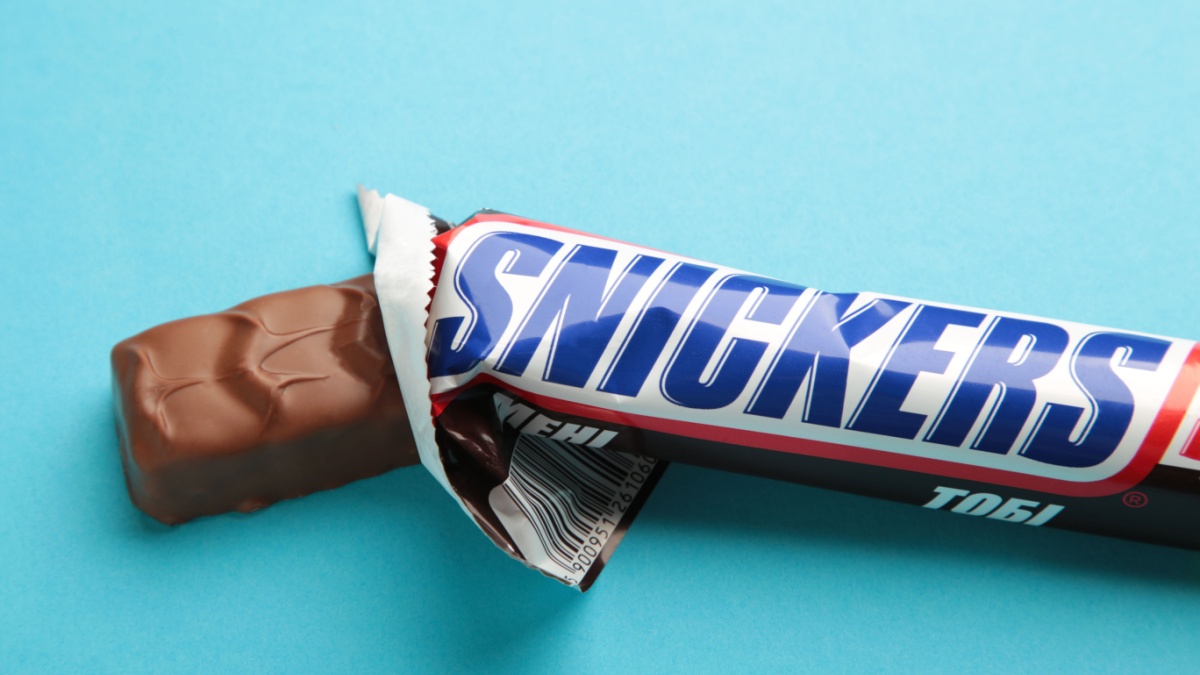
You’ve probably come across dog chocolate and thought it could be the same as the chocolate you buy from the grocery store. Unfortunately, human chocolate is toxic to dogs.
Regular chocolate, or what we eat, is poisonous to dogs as it contains theobromine and some caffeine, which are toxic compounds that can lead to chocolate toxicity. While we can metabolize caffeine and theobromine quickly, dogs’ digestive systems are complex and cannot be digested. Chocolate-related products like cocoa are also toxic to your dog.
Typical signs of chocolate poisoning include internal bleeding, heart arrhythmia, irregular heart rate, tremors, and seizures. Some dogs will also suffer from diarrhoea and vomiting. Call your veterinarian if you suspect that your dog has consumed chocolate. Giving your vet an idea of the type of chocolate ingested can determine the overall risk and help with the diagnosis.
While it can be challenging to keep track of every food your dog consumes, knowing toxic foods can help keep your furry friend safe. Apart from the three listed above, avoid giving your pet grapes, alcohol, caffeine, apples, or anything containing Xylitol. Opt for vet-approved treats and stick to the recommended diet.
4 Foods Linked to Memory Loss
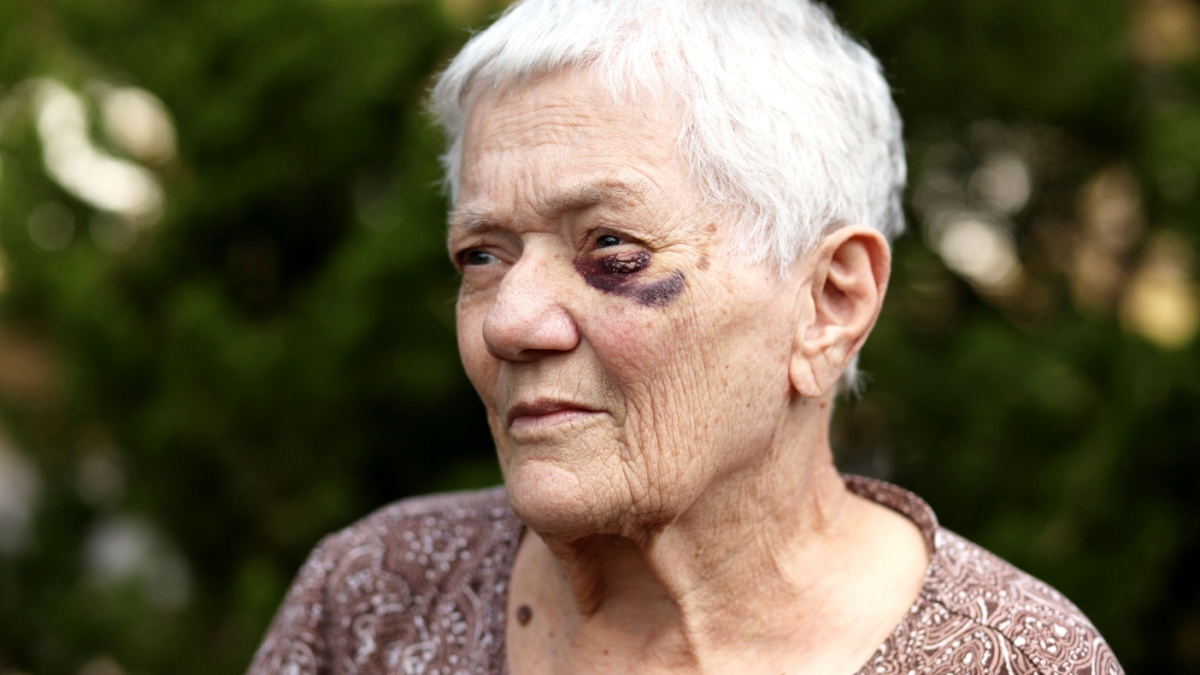
We cherish our memories. And now, more than ever, we seek to preserve our mental health as much as our physical health. Because of that, many people are learning about how their lifestyle affects how their brains and body behave. Becoming a happier, healthier individual can often be attainable with enough tweaks to a person’s diet or exercise regimen.

Leave a Reply