
Managing high cholesterol is crucial for maintaining a healthy heart and reducing the risk of cardiovascular diseases. One significant way to control cholesterol levels is through diet. While some foods can help lower cholesterol, others can increase it.
Here are 15 foods to avoid if you have high cholesterol, providing insights into why these foods should be limited or excluded from your diet.
Fatty Meat
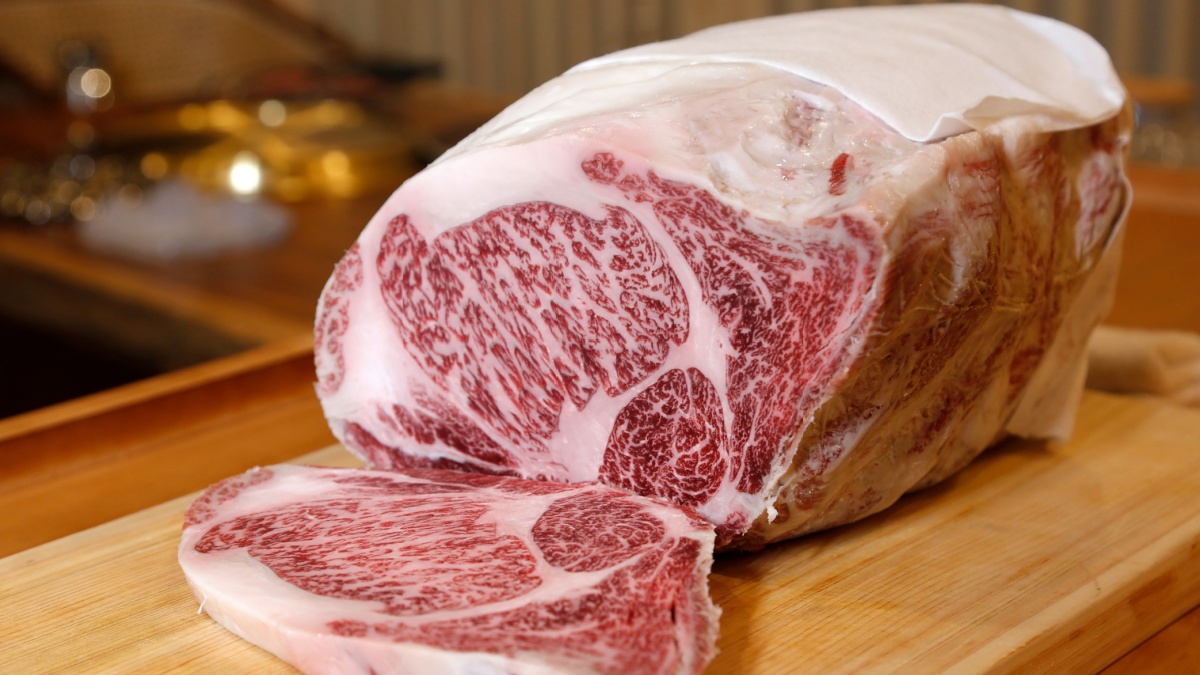
Fatty cuts of meat, such as beef, lamb, and pork, are high in saturated fats, which can raise your LDL (bad) cholesterol levels. These meats also tend to be marbled with fat, which is harder to trim off.
Consuming fatty meats regularly can lead to plaque buildup in your arteries, increasing the risk of heart attacks and strokes. Opt for leaner cuts like chicken or turkey breast, which are high in protein and low in saturated fats, and consider plant-based proteins to lower your cholesterol intake.
Full Fat Dairy
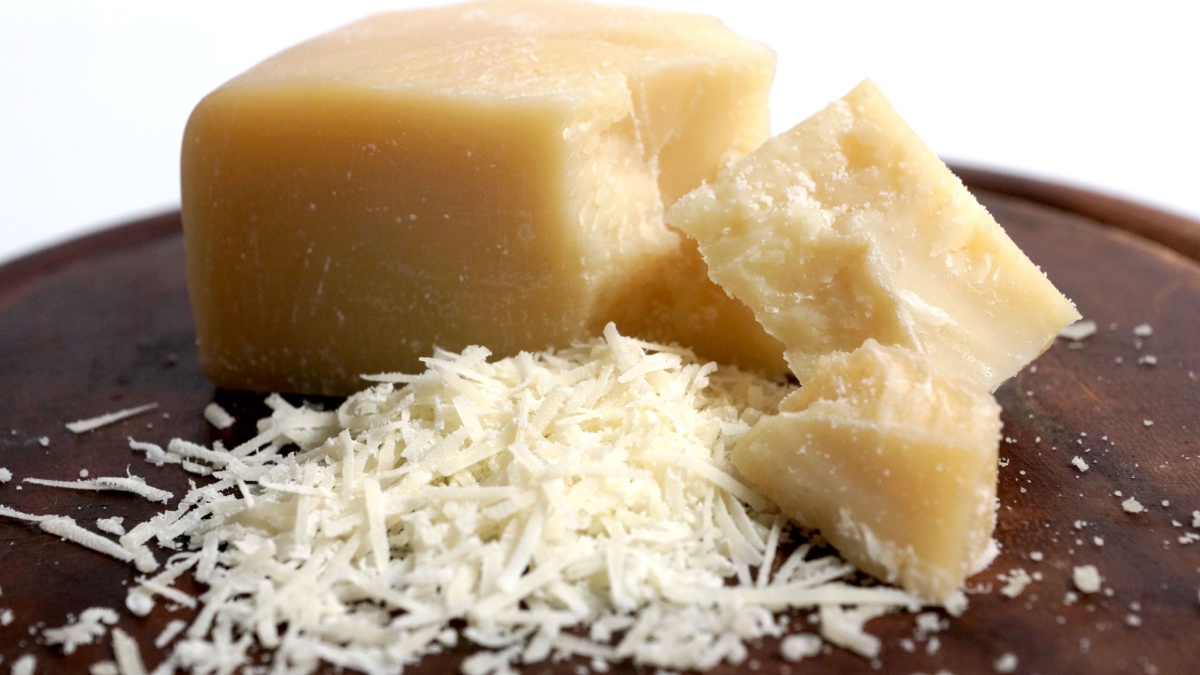
Full-fat dairy products contain high saturated fats, including whole milk, cheese, and cream. These fats can elevate LDL cholesterol levels, contributing to heart disease.
Swapping to low-fat or fat-free versions of dairy products can significantly reduce your saturated fat intake. Additionally, plant-based dairy alternatives, such as almond or soy milk, can be excellent substitutes that help maintain lower cholesterol levels.
Fried Foods
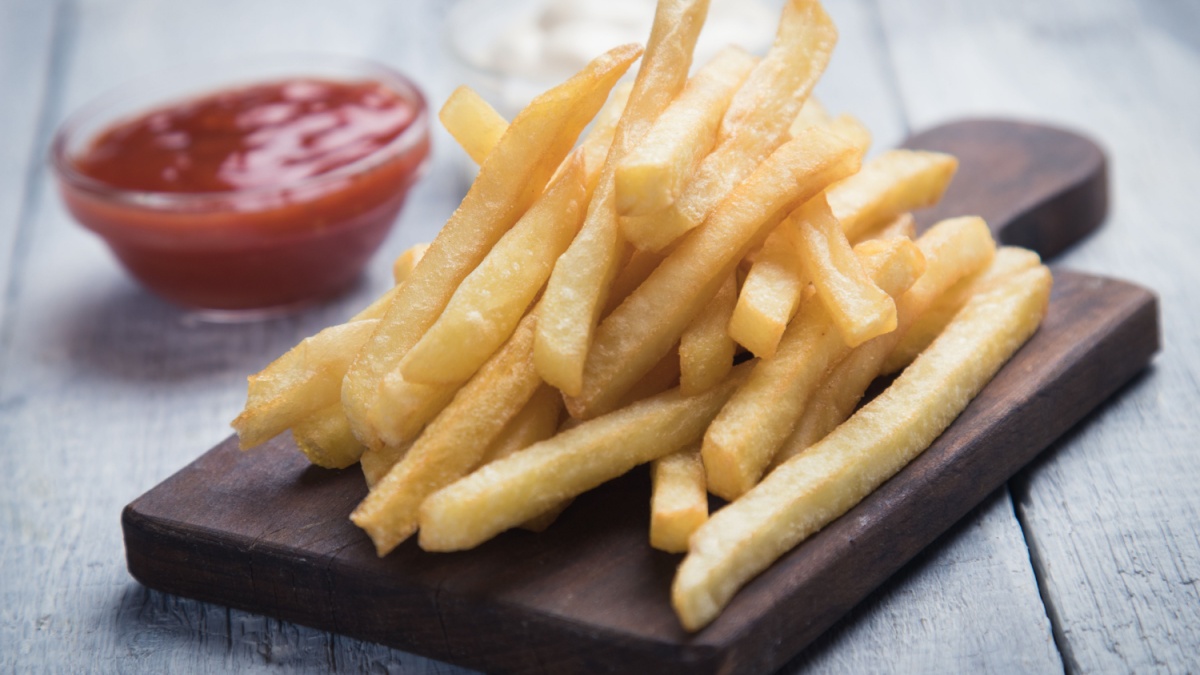
Fried foods, particularly those fried in unhealthy oils, are laden with trans and saturated fats. French fries, fried chicken, and doughnuts are common culprits that can significantly raise cholesterol levels.
The high-temperature cooking process alters the chemical structure of oils, making them even more harmful. Instead, consider baking, grilling, or steaming your food, which are healthier cooking methods to help you manage your cholesterol better.
Butter
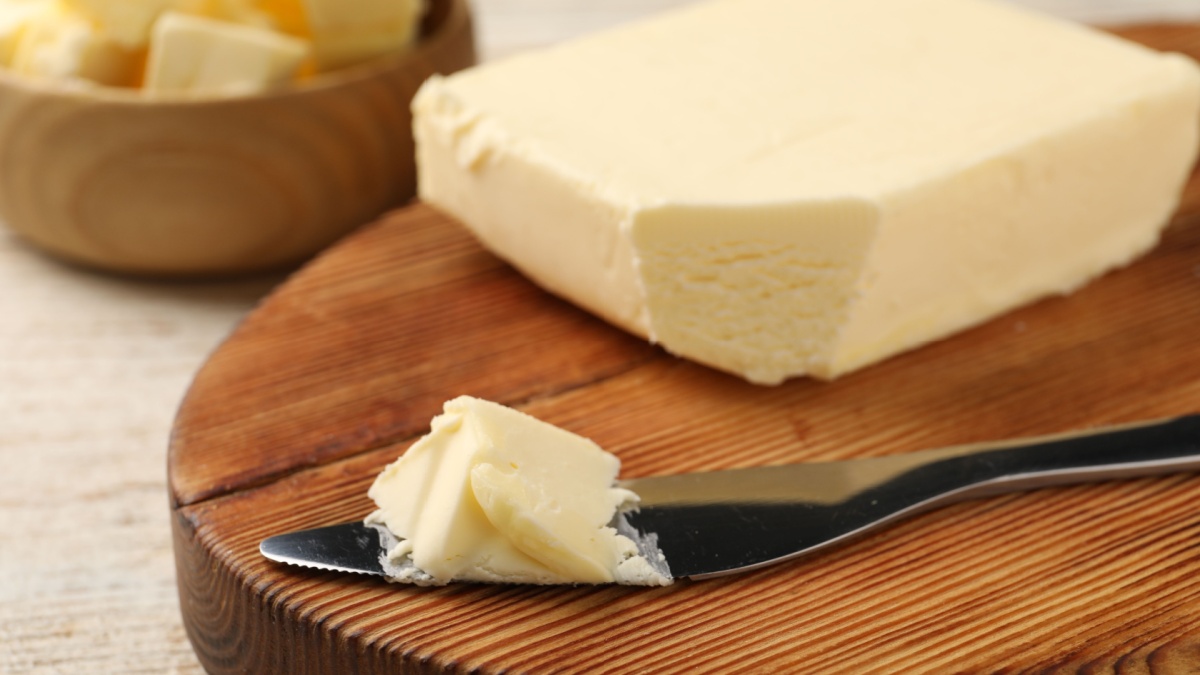
Butter is a primary source of saturated fat in many diets, which can elevate LDL cholesterol. While it adds flavor to food, its high fat content can contribute to clogged arteries over time.
Consider using healthier alternatives like olive oil, avocado spread, or even a light margarine that contains less saturated fat. Small changes in your cooking and baking habits can significantly affect your cholesterol levels.
Processed Meats

Processed meats like sausages, hot dogs, and bacon are high in saturated fats and cholesterol. These meats often contain preservatives and additives that can negatively impact your heart health.
Regular consumption of processed meats is linked to higher cholesterol levels and an increased risk of heart disease and cancer. Instead, choose fresh, lean meats or plant-based proteins to keep your cholesterol in check.
Baked Sweets

Baked sweets like cakes, cookies, and pastries are typically made with butter, margarine, and hydrogenated oils, all of which are high in trans fats and saturated fats. These ingredients can increase LDL cholesterol and decrease HDL (good) cholesterol.
Reducing your intake of these treats or finding healthier recipes can help manage cholesterol levels. Consider using applesauce or Greek yogurt as substitutes in baking to cut down on unhealthy fats.
Eggs
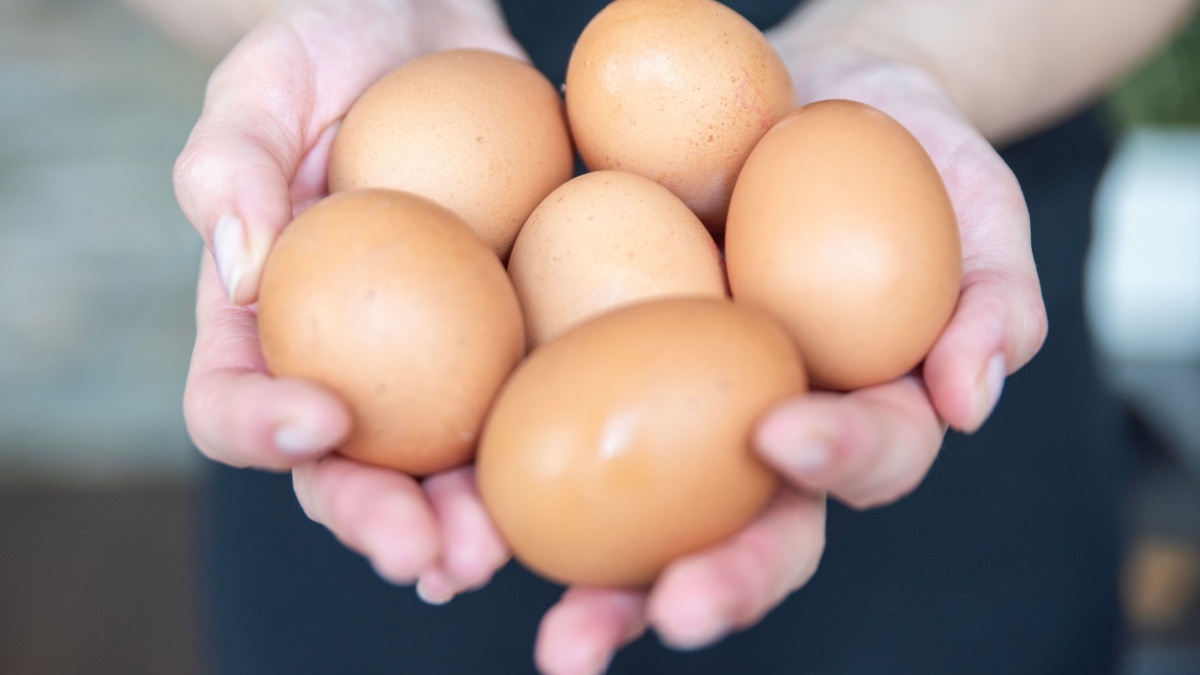
Eggs, particularly the yolks, are high in cholesterol, which can contribute to elevated blood cholesterol levels. While eggs have nutritional benefits, moderation is key for those with high cholesterol.
Consuming egg whites or cholesterol-free egg substitutes can be a healthier option. Balancing egg consumption with other low-cholesterol foods can help maintain a more nutritious diet. Remember, it’s not about complete deprivation but about moderation and balance.
Shellfish
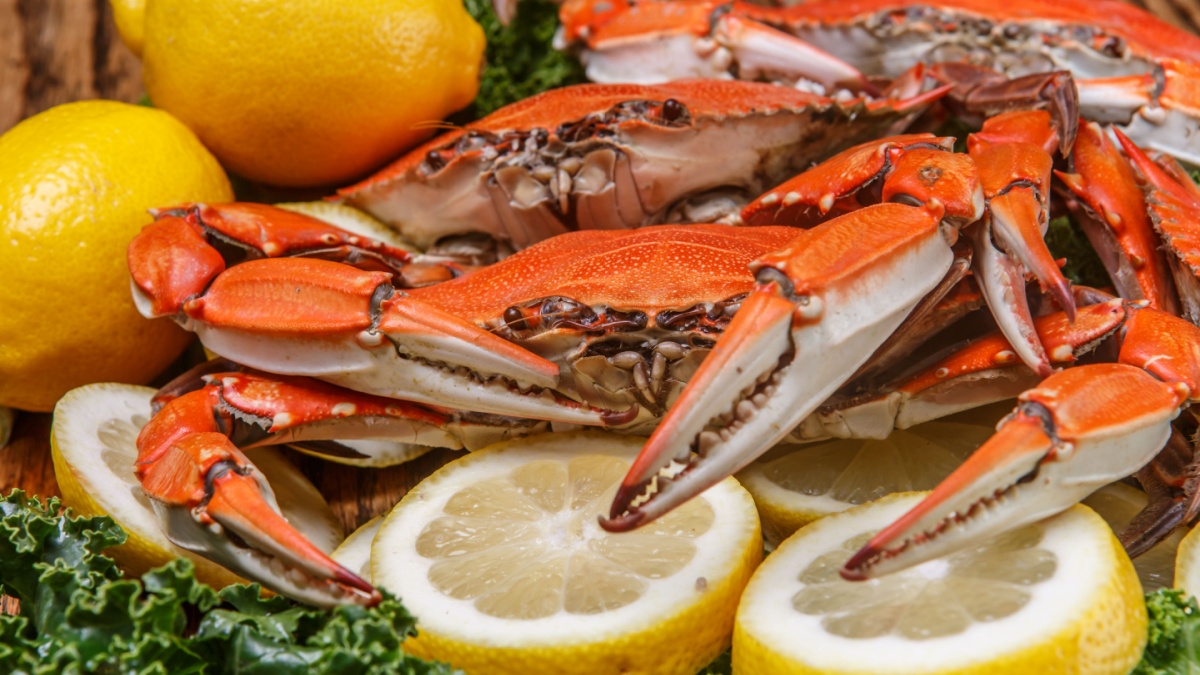
Shellfish such as shrimp, crab, and lobster contain cholesterol, and while they are low in saturated fat, they can still contribute to high cholesterol levels if consumed in large quantities.
It’s best to enjoy shellfish in moderation and prepare them in a heart-healthy way, such as grilling or steaming. Combining shellfish with other nutritious, low-cholesterol foods can help mitigate their impact on overall cholesterol levels.
Tropical Oils
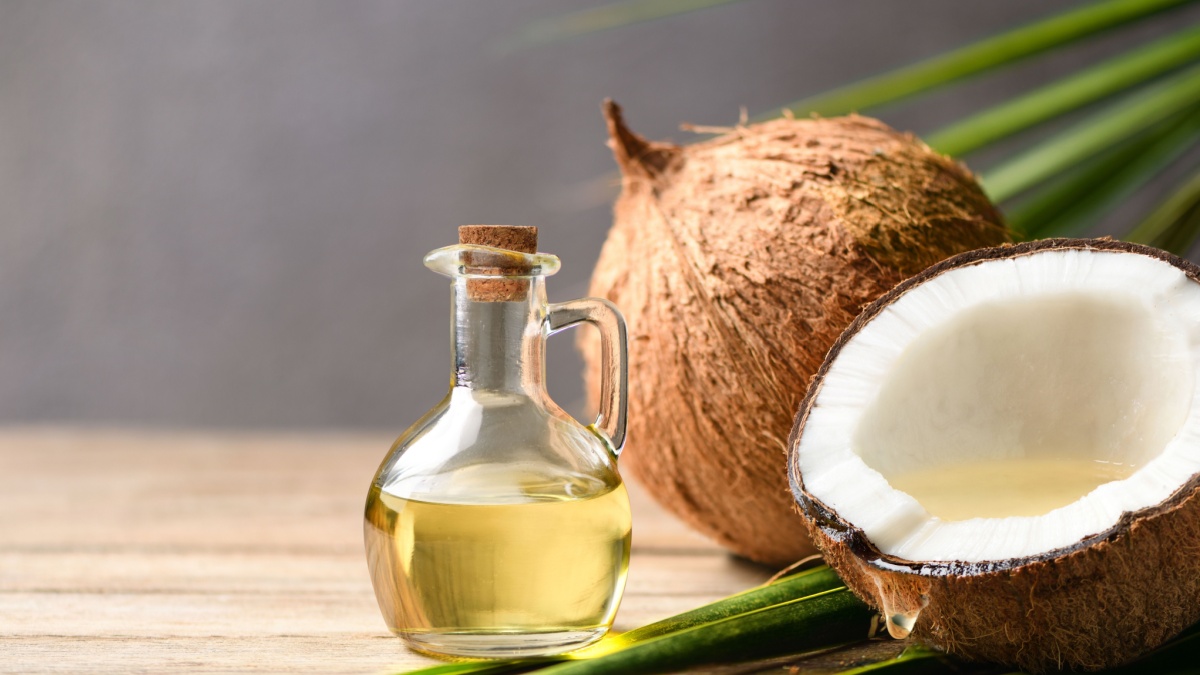
Tropical oils, including coconut oil and palm oil, are high in saturated fats, which can raise LDL cholesterol levels. Despite some health claims, such as their potential benefits for heart health, these oils are not the best choice for those managing high cholesterol.
Instead, opt for oils high in unsaturated fats, like olive oil or canola oil, which have been shown to improve cholesterol levels. Using these healthier oils in cooking and baking can support better heart health.
High Fructose Corn Syrup
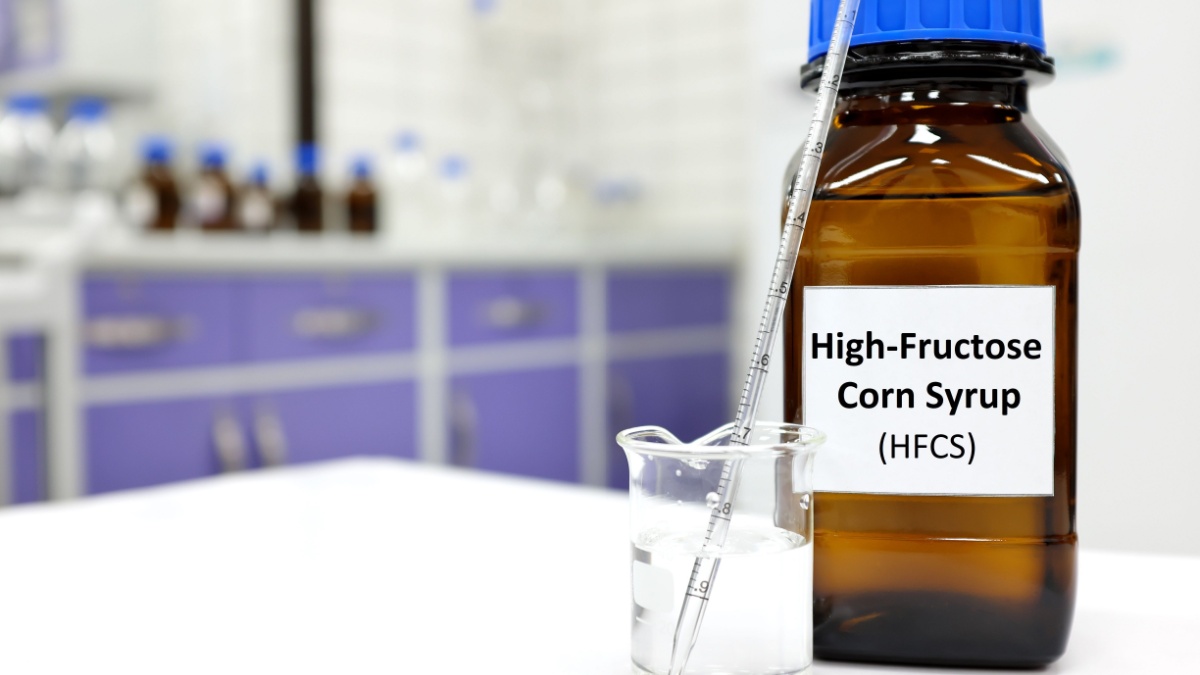
High fructose corn syrup is a common sweetener in many processed foods and sugary drinks. Consuming high amounts of this sugar can increase triglycerides and cholesterol levels.
Reading labels and choosing products without high fructose corn syrup can help reduce your overall sugar intake. Instead, use natural sweeteners like honey or maple syrup in moderation.
Lard
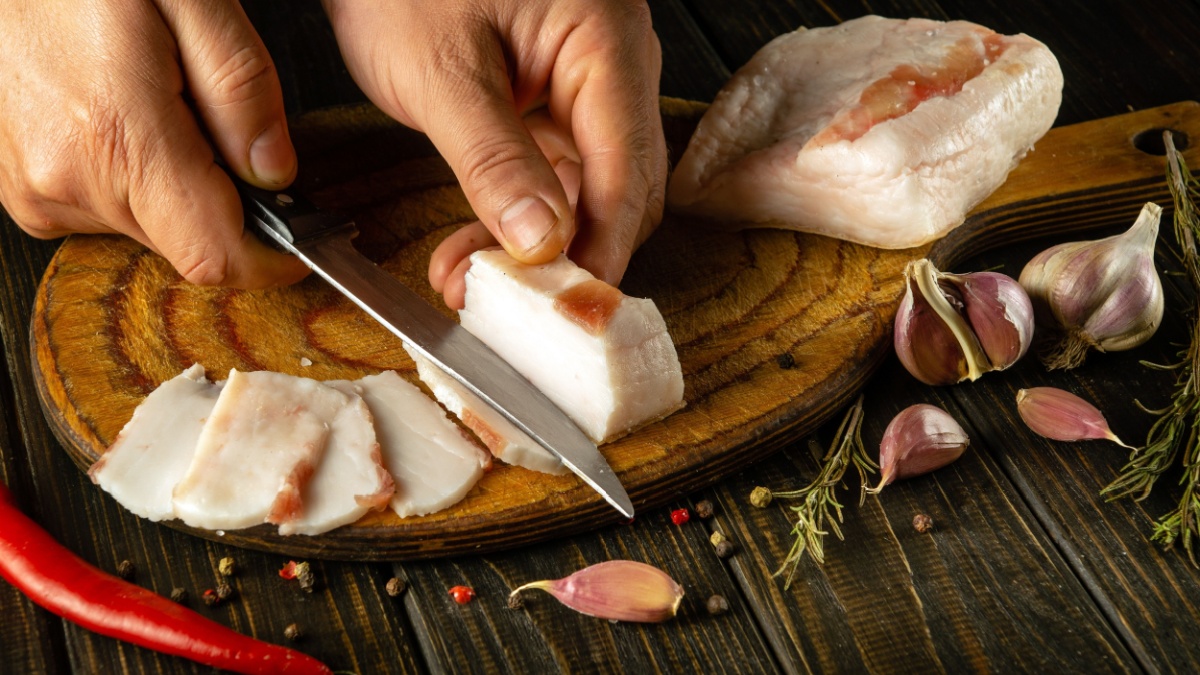
Lard, a type of fat rendered from pork, is high in saturated fats and cholesterol. Using lard in cooking and baking can significantly contribute to elevated cholesterol levels.
Replacing lard with healthier fats, such as olive or avocado, can make your diet more heart-friendly. These alternatives provide essential fatty acids that support overall cardiovascular health.
Organ Meats
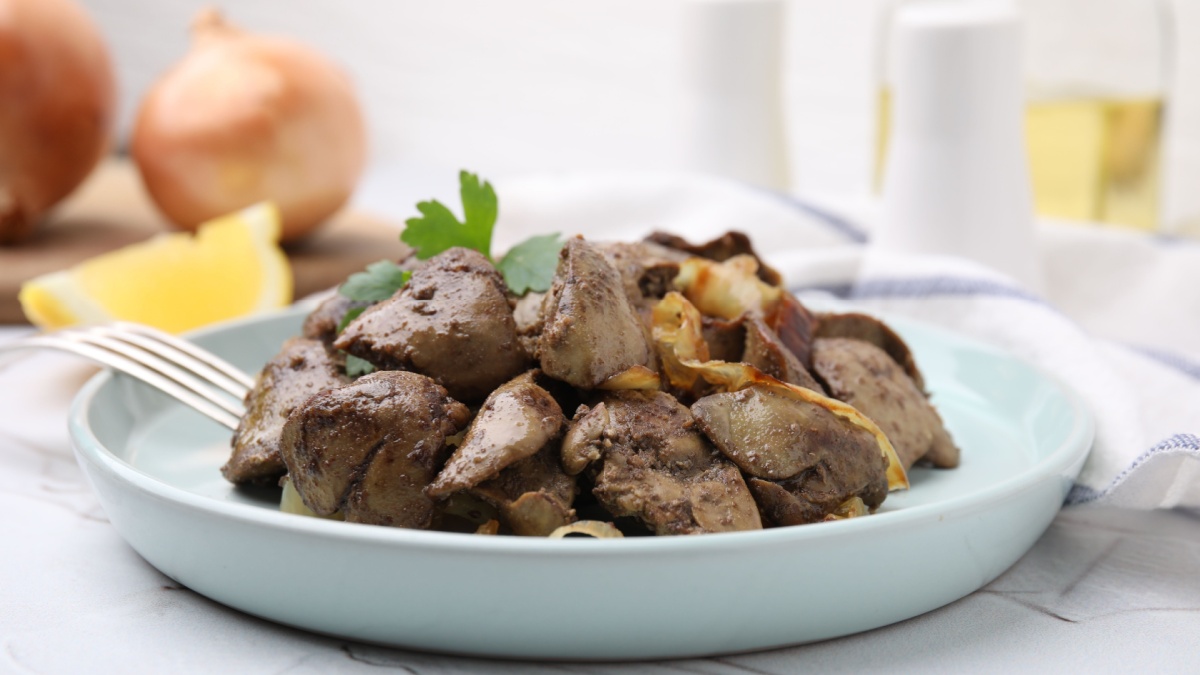
Organ meats like liver, kidneys, and heart are rich in cholesterol and saturated fats. While they are nutritious in other ways, their high cholesterol content can negatively impact those with high cholesterol.
Consuming organ meats sparingly and opting for leaner protein sources can help manage cholesterol levels more effectively. Incorporating more plant-based proteins can also provide a beneficial balance in your diet.
Sugary Drinks

Sugary drinks, including sodas, fruit juices, and sweetened teas, are loaded with added sugars that can lead to higher triglycerides and cholesterol levels. These beverages offer little to no nutritional value and can contribute to weight gain, a risk factor for heart disease.
Drinking water, unsweetened teas, or diluted fruit juices are healthier choices that support better cholesterol management.
Fast Foods

Fast foods are often high in saturated fats, trans fats, and cholesterol, all of which are bad for heart health. Burgers, fries, and fried chicken from fast-food restaurants can quickly elevate cholesterol levels if consumed frequently.
Picking homemade meals or healthier restaurant options can help you avoid the unhealthy fats in fast foods. Preparing meals with fresh, whole ingredients is a better strategy for maintaining healthy cholesterol levels.
Refined Carbohydrates
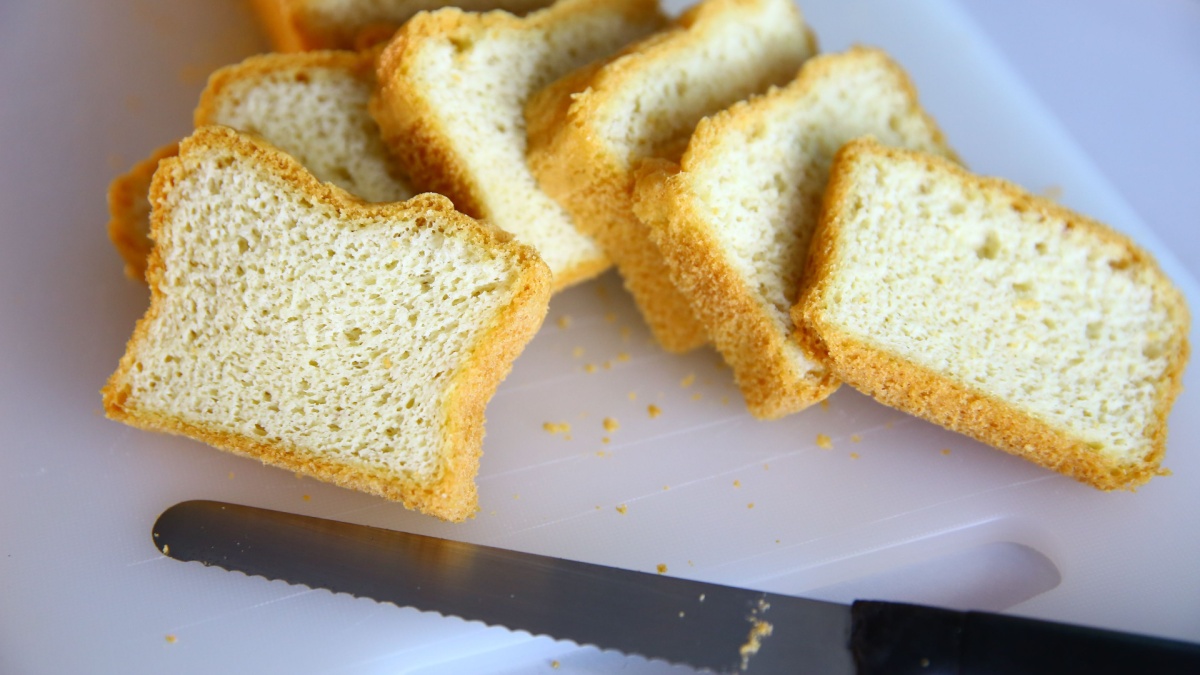
Refined carbohydrates, such as white bread, pasta, and pastries, are stripped of their fiber and nutrients, leading to spikes in blood sugar and increased cholesterol levels. These foods can also contribute to weight gain, further impacting heart health.
Choosing whole grain alternatives like whole wheat bread, brown rice, and quinoa can provide more fiber and nutrients, helping to manage cholesterol levels more effectively.
20 Food to Stockpile (For the Best Chance of Survival)

A well-stocked pantry can provide peace of mind and empower you to handle any situation. Whether it’s a natural disaster, economic instability, or simply unexpected guests, having a stash of versatile essential foods can make all the difference.
Here’s a list of 20 of the best foods to stockpile, ensuring you’re ready for whatever comes your way.
20 Food to Stockpile (For the Best Chance of Survival)
12 Everyday Foods Some People Just Can’t Stand

When it comes to their foods, some people are just picky eaters. It’s surprising how certain popular foods can be so divisive. While many people love them, others can’t stand the taste, texture, or even the idea of eating them. Here are some surprising foods that some people just can’t stand.

Leave a Reply