
Whole foods often trump supplements for fueling your body with the necessary nutrients. While supplements can be helpful in some cases, natural superfoods offer various vitamins, minerals, antioxidants, and other beneficial compounds that work synergistically to promote optimal health.
Here are 15 superfoods that provide a better, more natural alternative to taking supplements—and taste great, too!
Berries
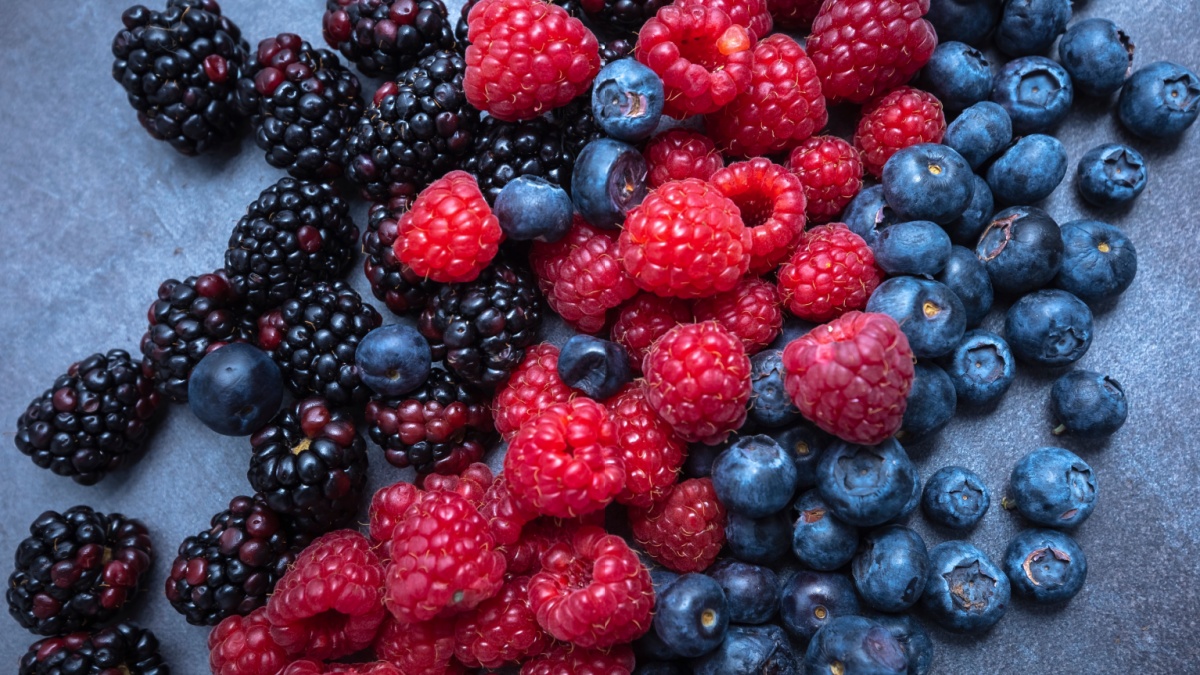
Berries, like blueberries, strawberries, and raspberries, contain antioxidants that help combat inflammation and protect against cell damage. They are rich in fiber, which aids digestion and helps regulate blood sugar levels. Their high levels of vitamins, particularly vitamin C, support a healthy immune system and skin health.
Leafy Greens
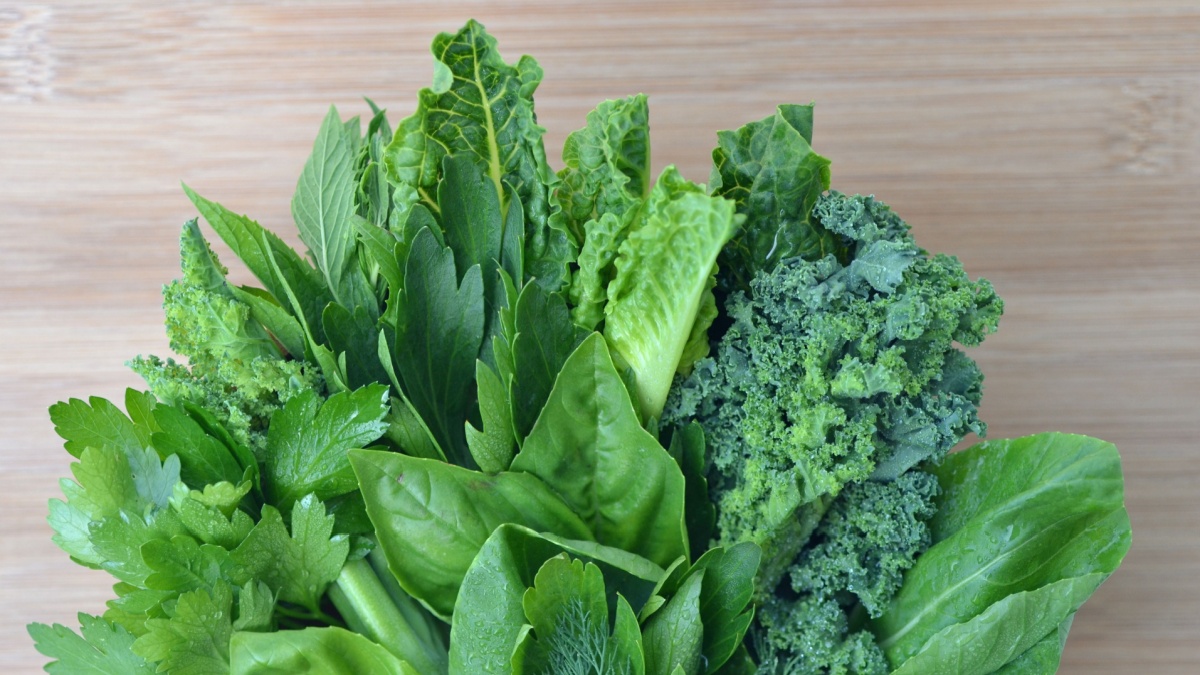
Leafy greens like spinach, kale, and Swiss chard are nutritional powerhouses. They are rich in vitamins A, C, and K and essential minerals like calcium and iron. They provide a natural source of antioxidants that protect cells from damage and support heart health. Their high fiber content promotes healthy digestion and helps maintain a balanced gut microbiome.
Nuts
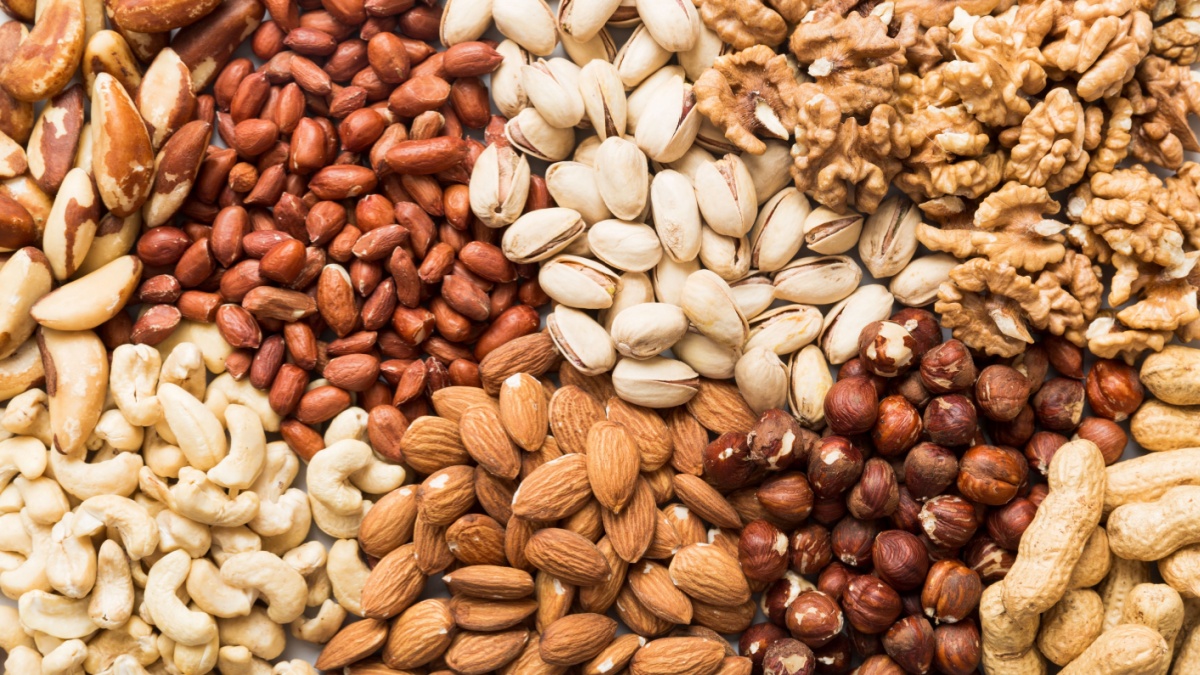
Nuts, especially almonds, walnuts, and pistachios, are excellent healthy fats, protein, and fiber sources. They are rich in omega-3 fatty acids, which support brain health and reduce inflammation. Nuts are also loaded with antioxidants like vitamin E, which protect your cells from oxidative stress and may lower your risk of heart disease.
Whole Grains
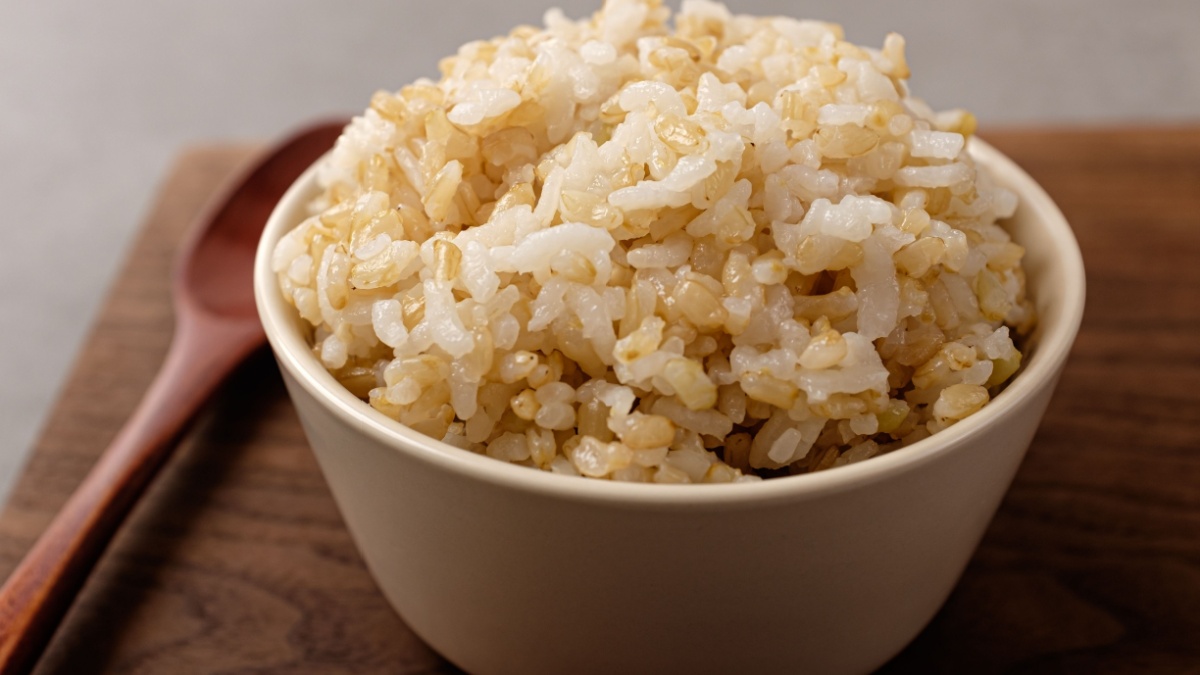
Whole grains like quinoa, brown rice, and oats offer a wealth of nutrients, including B vitamins, iron, and fiber. They help regulate blood sugar levels, support digestion, and provide long-lasting energy. Whole grains also contain antioxidants that reduce inflammation and promote heart health.
Yogurt
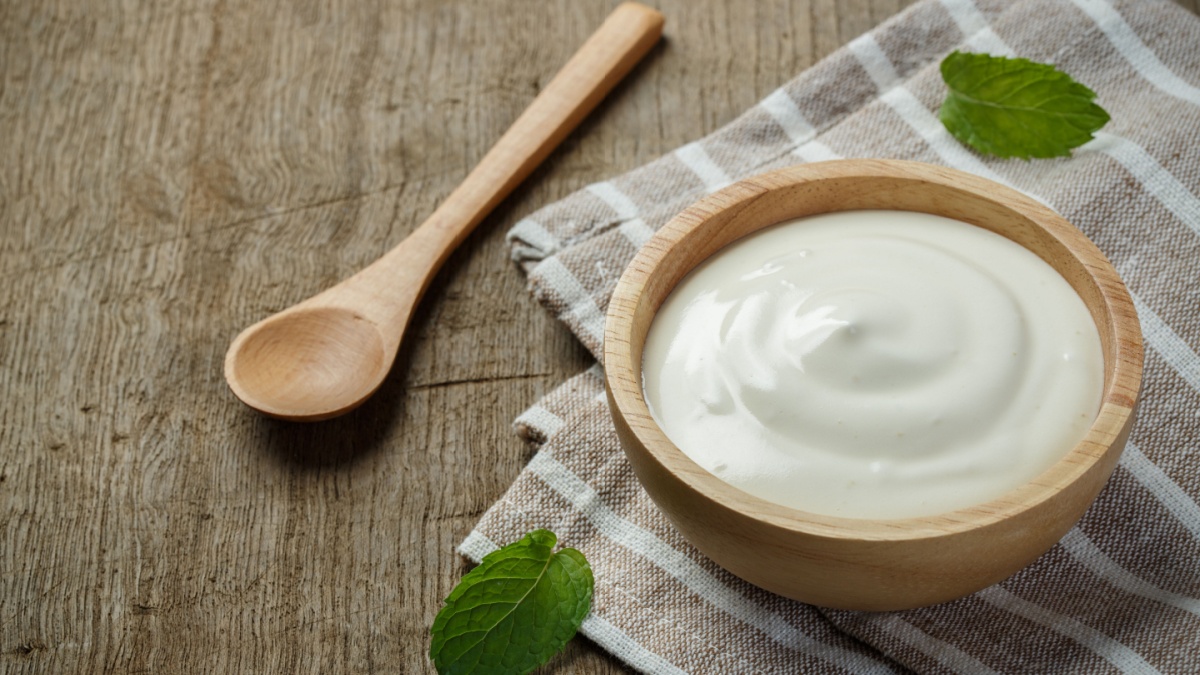
Yogurt, especially the unsweetened and Greek varieties, is an excellent probiotic source that benefits gut health. It provides calcium, protein, and B vitamins that support bone health and metabolism. Probiotics in yogurt can help balance your digestive system, improve immune function, and may even boost mood.
Broccoli
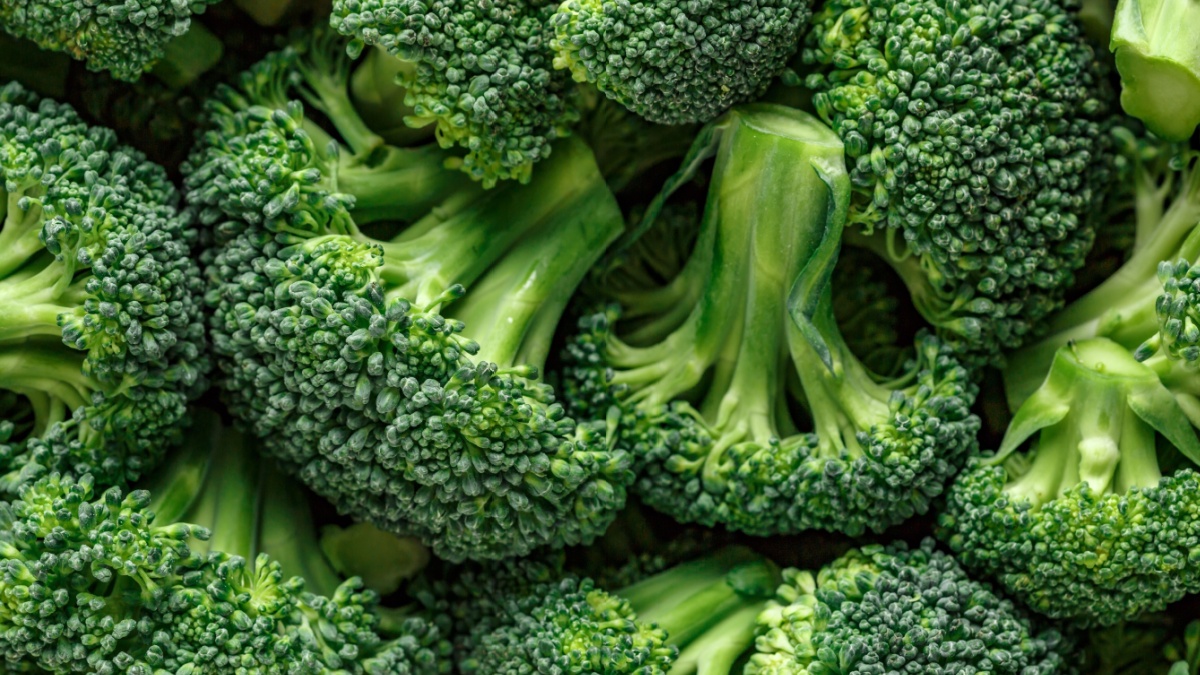
Broccoli is a cruciferous vegetable with vitamins C and K, fiber, and powerful antioxidants. It contains
sulforaphane, a compound known for its cancer-fighting properties. Broccoli is also high in fiber and helps promote digestive health while supporting the body’s natural detoxification process.
Legumes
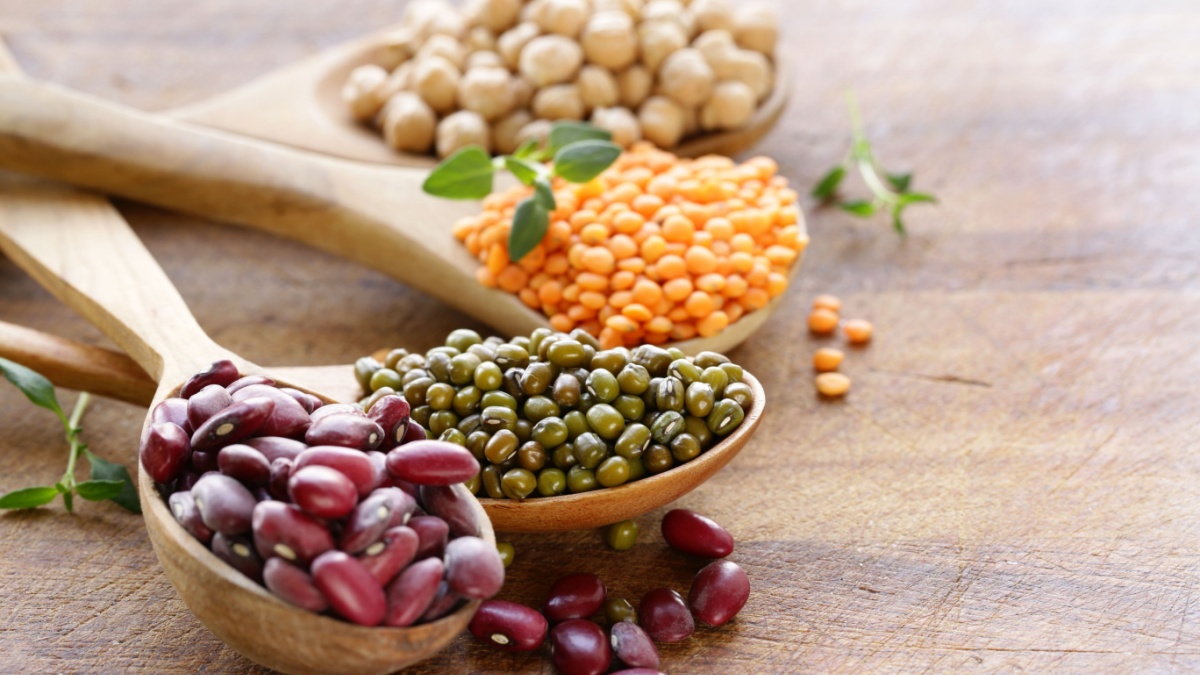
Legumes, including beans, lentils, and chickpeas, are packed with plant-based protein, fiber, and essential nutrients like iron, folate, and magnesium. They help stabilize blood sugar levels and are heart-healthy foods that can lower cholesterol. Their high fiber content also makes them excellent for digestive health and maintaining a healthy weight.
Green Tea
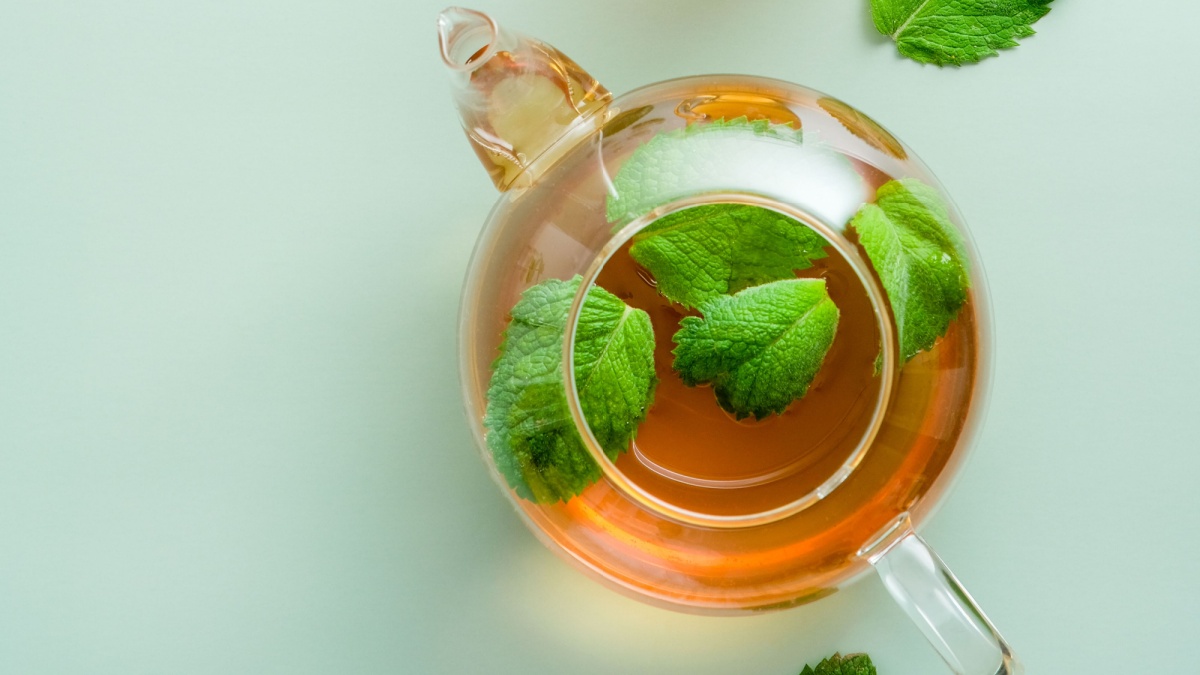
Green tea is rich in catechins, a type of antioxidant that helps protect cells from damage and supports cardiovascular health. It contains a small amount of caffeine, which can enhance brain function without causing the jitters associated with coffee. Additionally, green tea has been linked to improved metabolism and fat burning, making it a popular choice for weight management.
Salmon
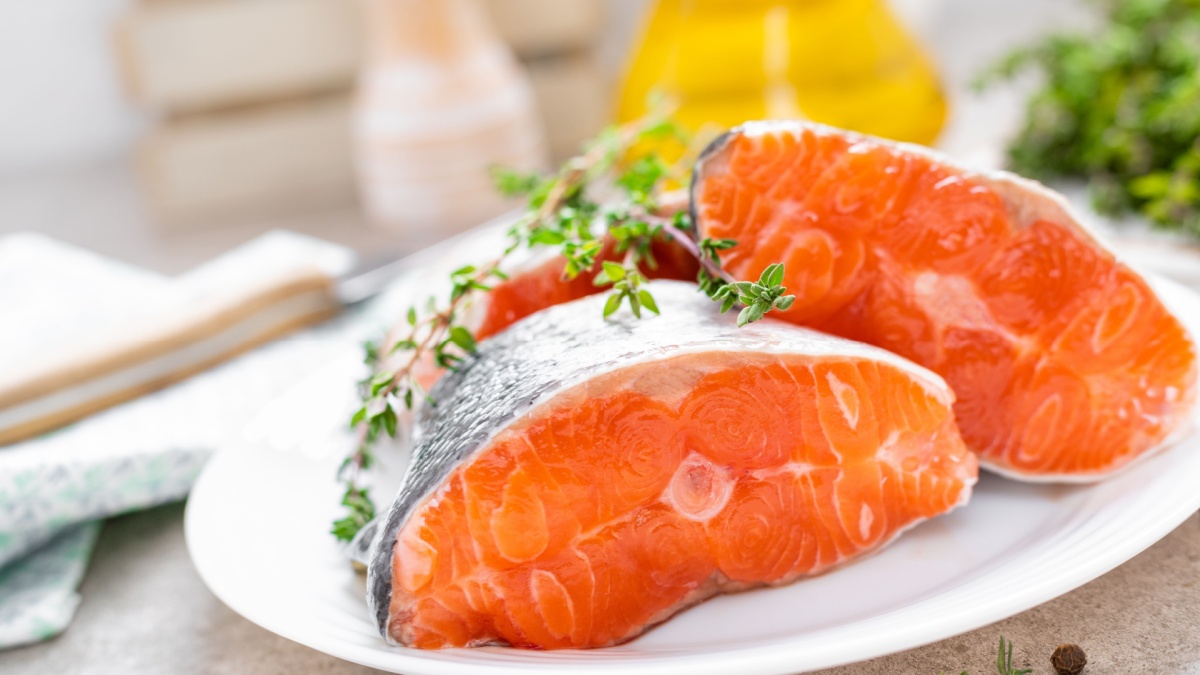
Salmon is one of the best sources of omega-3 fatty acids, which are essential for brain function, heart health, and reducing inflammation. It’s also a great source of high-quality protein and contains various vitamins and minerals, including vitamin D and selenium. Regular consumption of salmon can help lower the risk of heart disease, improve brain health, and support healthy skin.
Sweet Potatoes
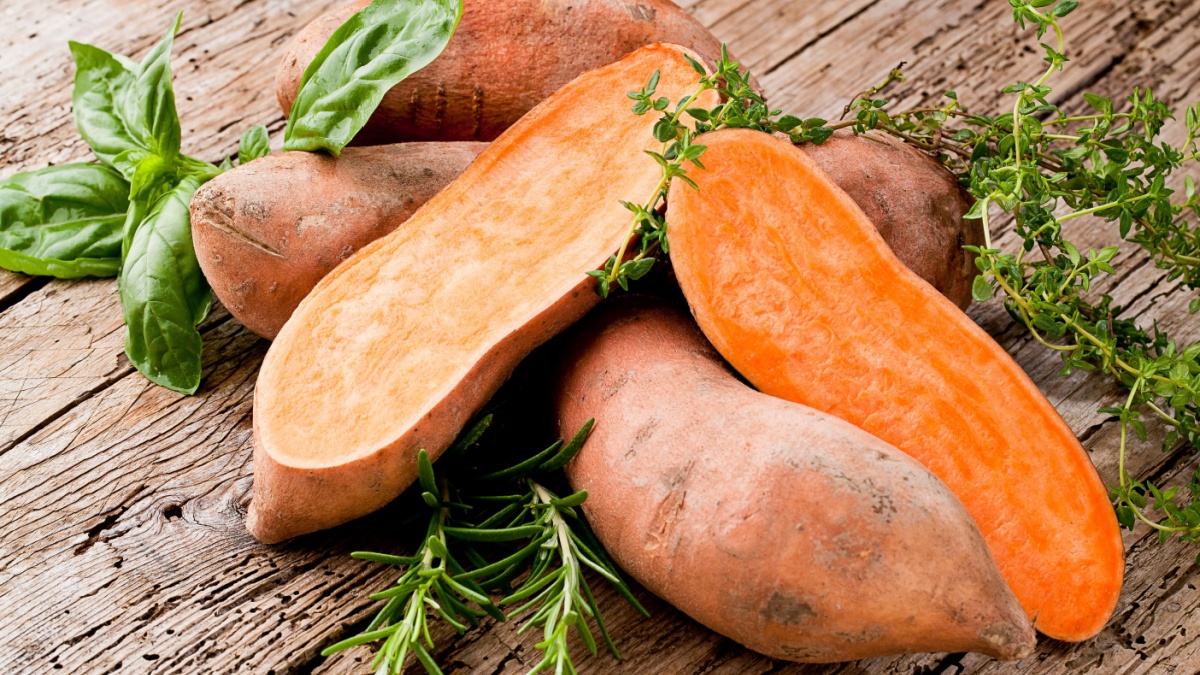
Sweet potatoes are an excellent source of beta-carotene, which your body converts into vitamin A to support eye health and boost your immune system. They are rich in fiber, which aids digestion and helps keep you feeling full. Sweet potatoes also provide essential minerals like potassium and manganese, which support muscle function and bone health.
Flaxseed
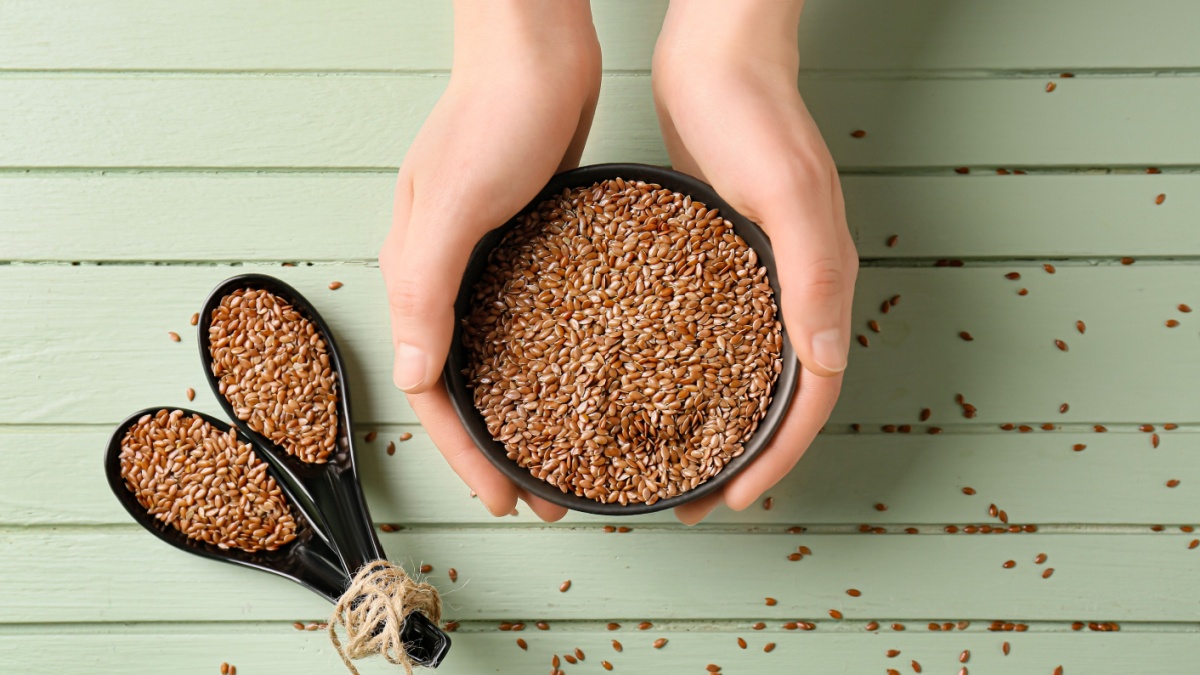
Flaxseed contains fiber, omega-3 fatty acids, and lignans, which are plant compounds with antioxidant and anti-inflammatory properties. It’s a versatile superfood that can improve digestive health, lower cholesterol levels, and support heart health. Flaxseed is also known for its ability to promote balanced hormones, particularly in women.
Oats
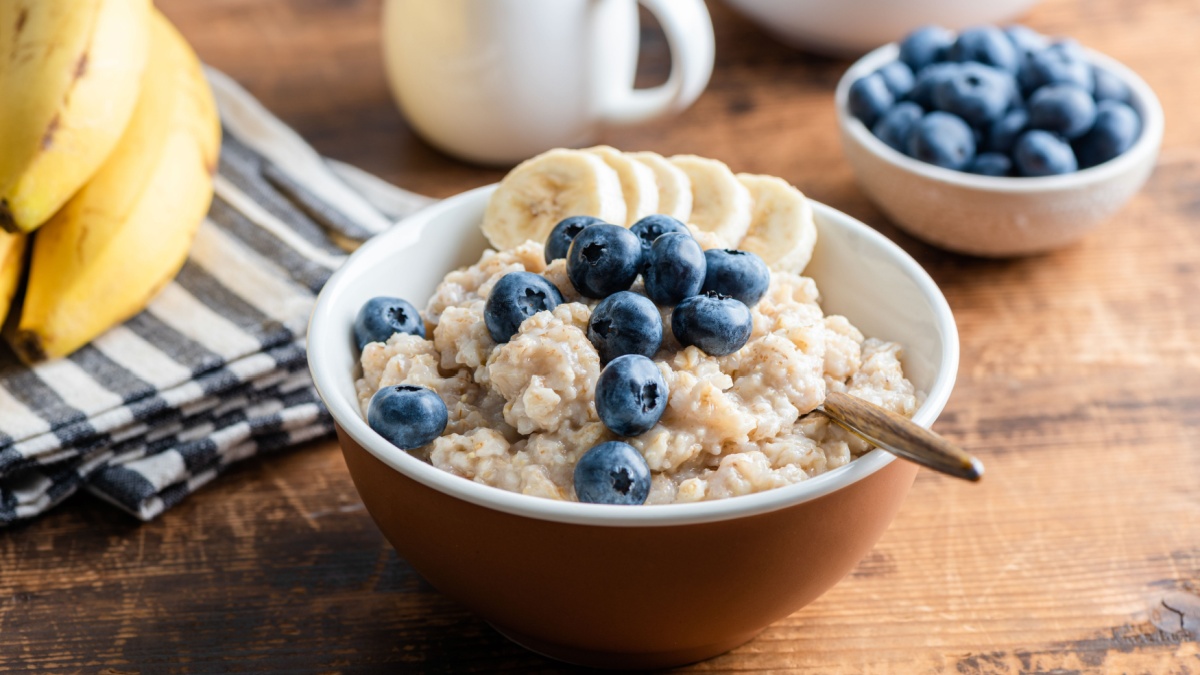
Oats are whole grains that provide soluble fiber, which helps lower cholesterol and support heart health. They are also rich in vitamins, minerals, and antioxidants, including avenanthramides, which have anti-inflammatory effects. A bowl of oats in the morning provides long-lasting energy, helps stabilize blood sugar levels, and improves digestion.
Turmeric
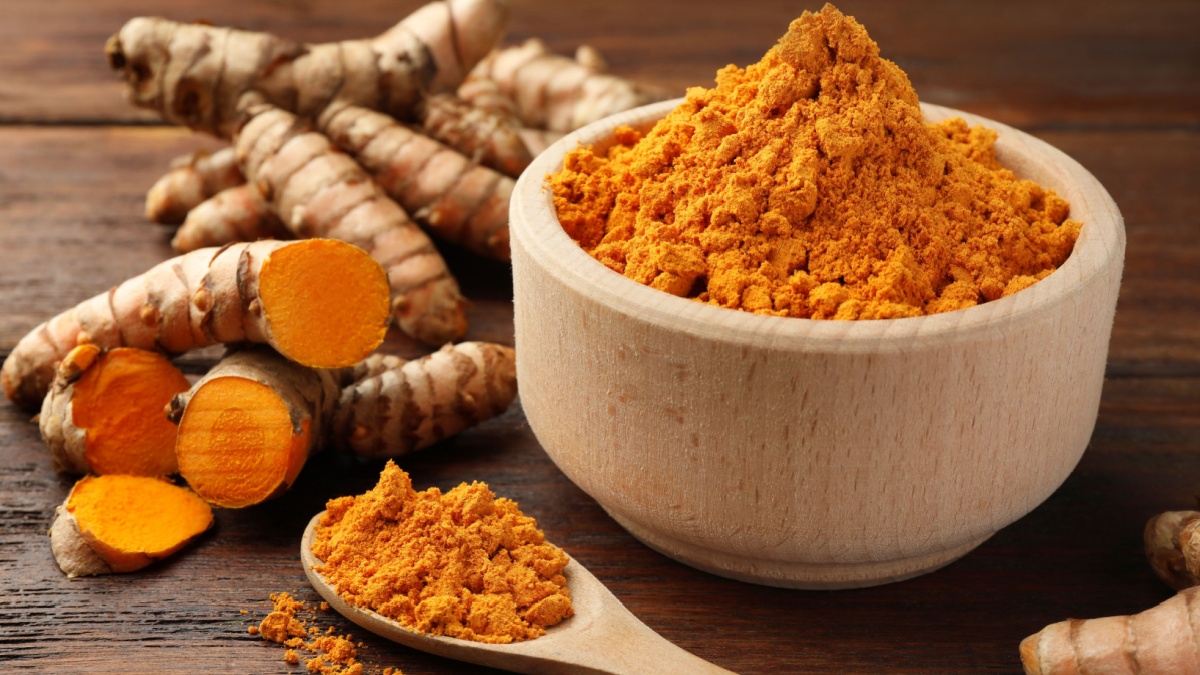
Turmeric is known for its active compound, curcumin, which has powerful anti-inflammatory and antioxidant effects. It has been used for centuries in traditional medicine to reduce inflammation, improve brain function, and fight chronic diseases like heart disease and cancer. Incorporating turmeric into your diet can help support joint health, improve digestion, and boost immunity.
Dark Chocolate

Dark chocolate with a high cocoa content (70% or more) is rich in antioxidants, particularly flavonoids, which support heart health and improve blood flow. It also contains magnesium, which plays a role in brain function, muscle relaxation, and mood regulation. Eating a small amount of dark chocolate can help lower blood pressure and reduce the risk of heart disease.
Bone Broth

Bone broth is a nutrient-dense liquid made by simmering bones with vegetables and herbs. It extracts collagen, amino acids, and minerals. Due to its high gelatin content and anti-inflammatory compounds, bone broth supports gut health, joint health, and immune function. Regular consumption can also improve skin elasticity and aid in muscle recovery.
20 Food to Stockpile (For the Best Chance of Survival)

A well-stocked pantry can provide peace of mind and empower you to handle any situation. Whether it’s a natural disaster, economic instability, or simply unexpected guests, having a stash of versatile essential foods can make all the difference.
Here’s a list of 20 of the best foods to stockpile, ensuring you’re ready for whatever comes your way.
20 Food to Stockpile (For the Best Chance of Survival)
12 Everyday Foods Some People Just Can’t Stand

When it comes to their foods, some people are just picky eaters. It’s surprising how certain popular foods can be so divisive. While many people love them, others can’t stand the taste, texture, or even the idea of eating them. Here are some surprising foods that some people just can’t stand.

Leave a Reply